
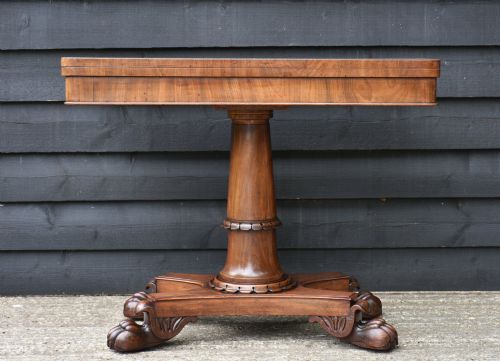
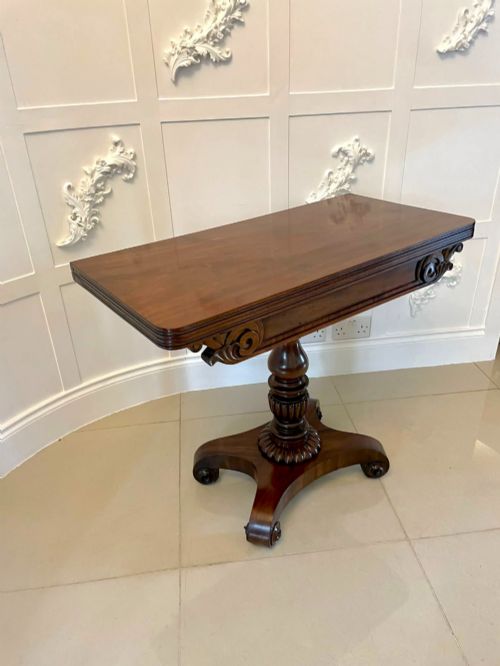
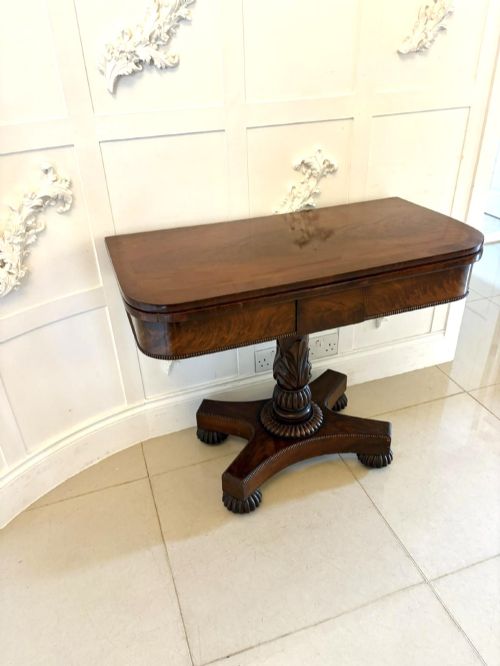
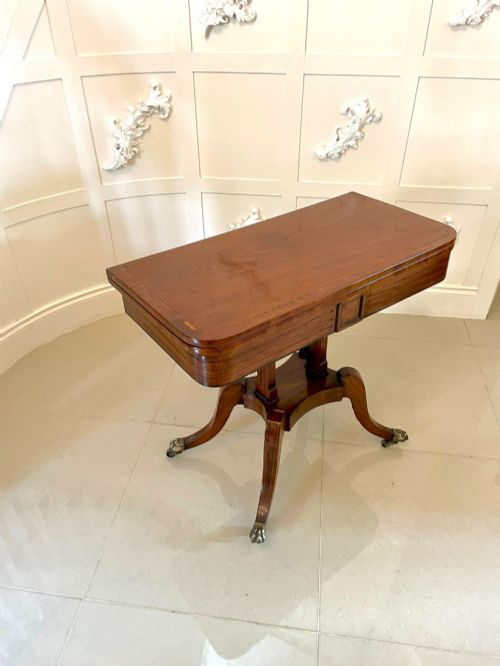

Antique Games Table Mahogany
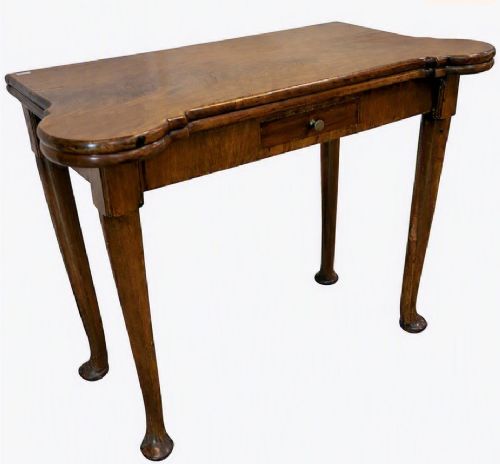
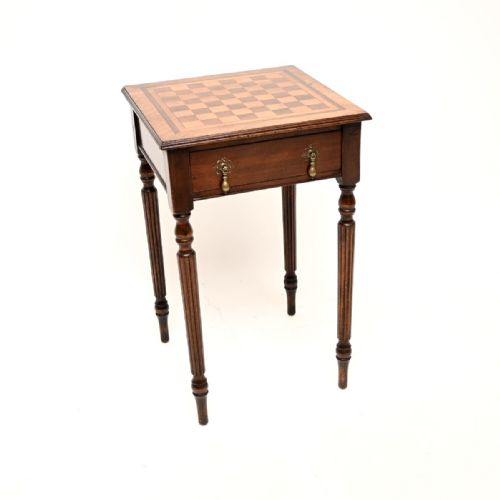
These antique games table mahogany pieces offer versatile fold-over surfaces and hidden compartments for cards and chess.
What an antique games table mahogany piece entails
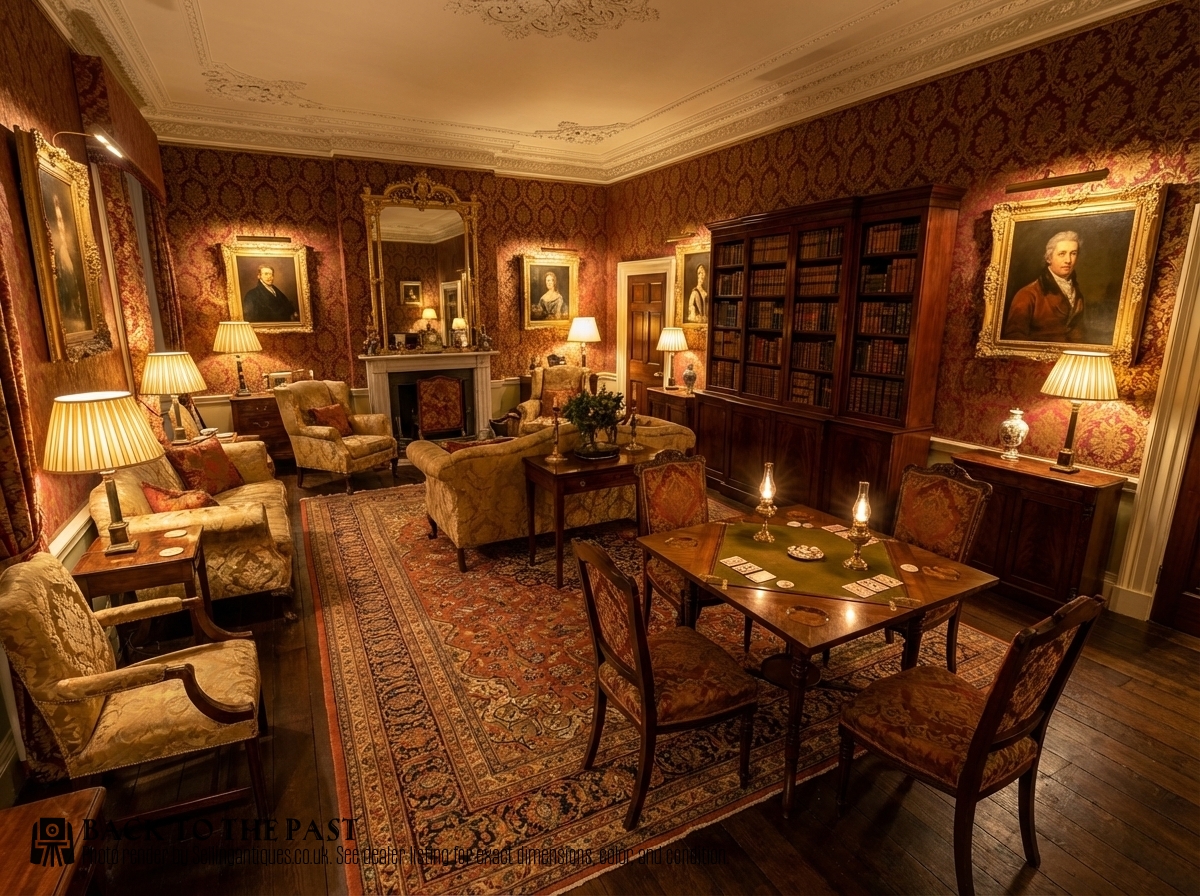
An antique games table mahogany piece serves as a dual-purpose item of furniture designed for leisure and formal entertaining. These surfaces adapt from console or side tables into full playing areas for cards, chess, and roulette.
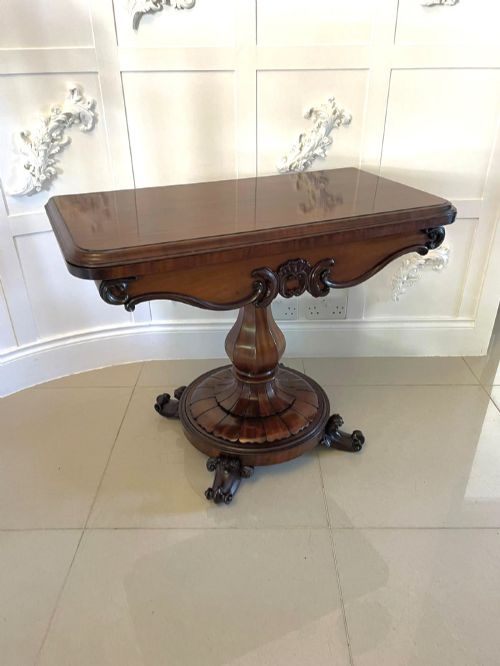
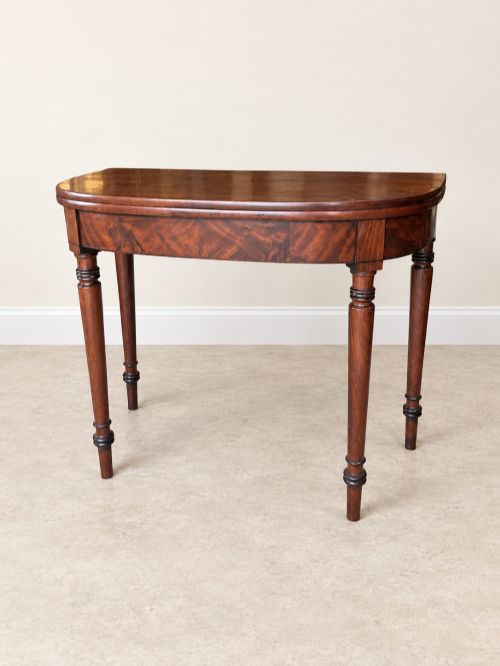
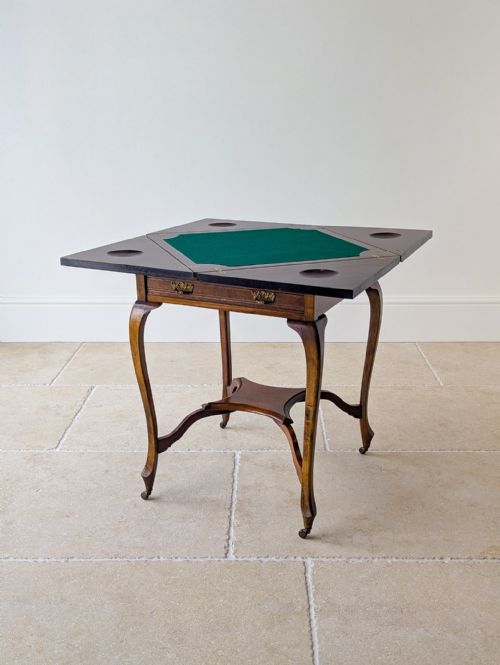
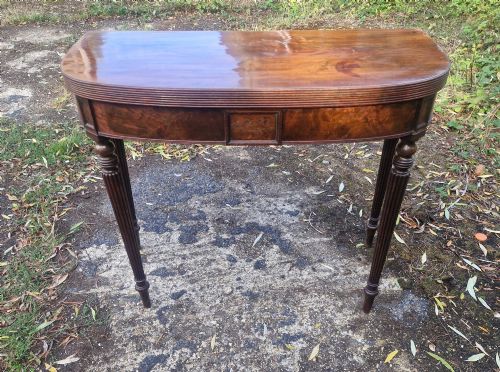
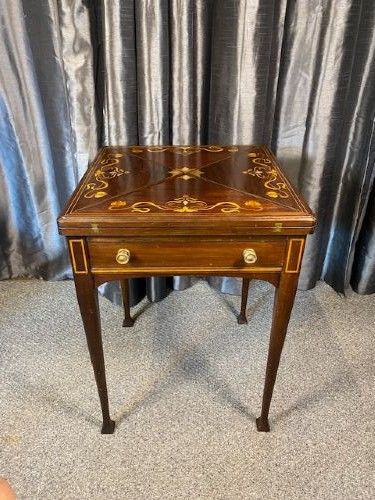
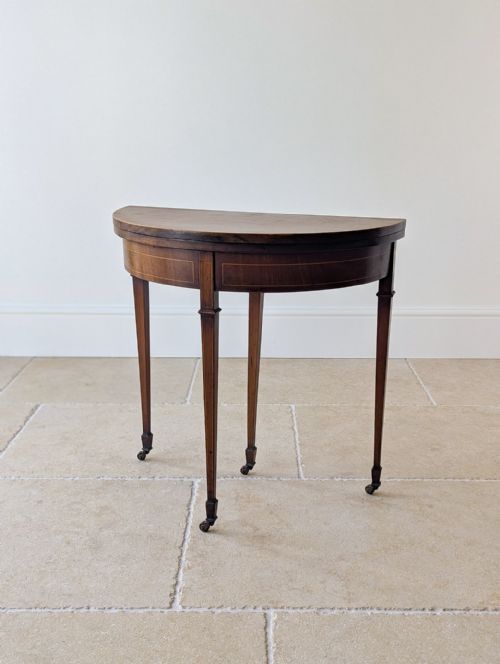
The pieces on this page span the Georgian, Regency, William IV, Victorian, and Edwardian periods. Buyers encounter various forms including demi-lune shapes, 'D' end configurations, and envelope folding tops.
Card tables and tea tables dominate the selection, often featuring hinged leaves that reveal baize-lined playing surfaces or gaming wells. Workshops produced these items to accommodate changing social habits across the eighteenth, nineteenth, and early twentieth centuries.
Materials and construction methods
Cabinet makers utilised solid mahogany alongside wood veneer to achieve stable yet decorative surfaces. Secondary timbers support the internal framing while choice cuts of mahogany form the primary exterior panels.
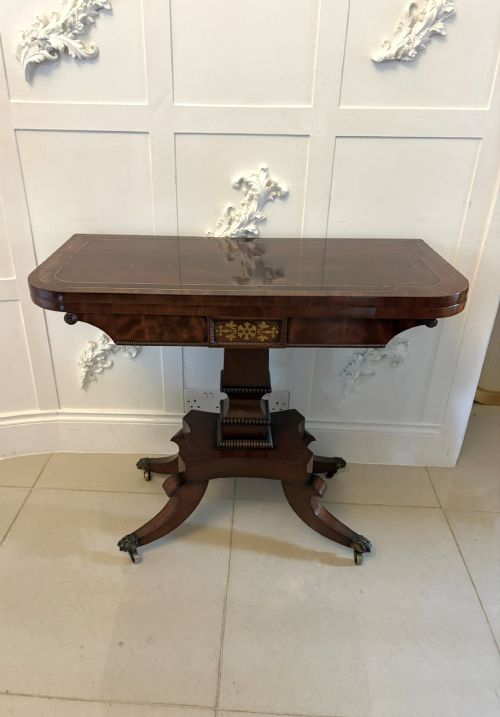
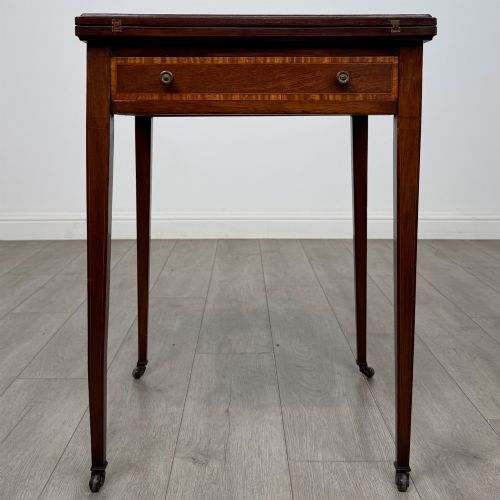
Inlay work incorporates satinwood, boxwood, and ebony to create contrasting borders and integrated chess boards. Folding mechanisms rely on sturdy wooden pivot hinges and brass fittings to support the secondary leaves.
Retail Price Guide 2026
Typical UK retail prices for games table mahogany, calculated from the Sellingantiques database of over a million retail prices indexed since 2003. This retail price guide relies exclusively on Sellingantiques data; no external sources or auction records are used, so the figures do not describe the wider market.
Some Victorian tables include concealed roulette wells, proving that nineteenth-century drawing rooms doubled as high-stakes casinos.
Determinants of quality
The refinement of the timber grain separates standard examples from exceptional pieces, particularly where figured mahogany or decorative parquetry is present. Crisp execution of boxwood inlay and precise jointing indicate skilled workshop production.
Structural integrity of the folding mechanism and the smoothness of the pivot action dictate daily usability. The retention of original baize surfaces and balanced pedestal or leg supports also influence the standing of an individual piece.
The Antique Games Table Mahogany Glossary
- Baize
- A coarse woolen fabric used to line the playing surface of card tables. It provides a flat, soft texture that prevents cards from sliding during play.
- Demi-lune
- A half-moon shape characteristic of tables designed to sit flush against a wall when closed. Opening the hinged top reveals a full circular or serpentine playing surface.
- Envelope table
- A square table with four triangular flaps that rotate and fold open together like an envelope. This reveals an interior lined with leather or baize and often includes corner wells for counters.
- Parquetry
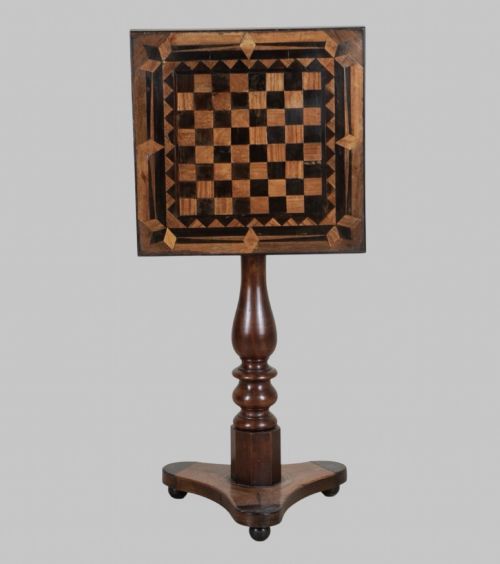
- Geometric mosaic woodwork used to create decorative patterns on tabletops. Craftsmen arranged contrasting timbers such as satinwood and ebony to form chessboard squares.
- Tilt top
- A tabletop mounted on a catch and pivot mechanism that allows the surface to tilt vertical for storage. This design saves floor space in smaller rooms.
Frequently Asked Questions
How were antique games tables used?
These tables functioned primarily as dual-purpose furniture for the parlour or drawing room. Closed, they served as side, console, or tea tables against the wall.
Opened, the hinged tops provided stable surfaces for card games, chess, and roulette, often complete with corner wells for chips and counters.
How do I identify a Regency games table?
Regency examples typically date from the early nineteenth century and feature classical architectural motifs. Look for pedestal bases with brass paw feet and bold mahogany grain.
They frequently employ 'D' end or demi-lune folding tops supported by a pivoting rear leg.
How do I care for mahogany games tables?
Keep these pieces away from direct sunlight and rapid temperature changes to protect the wood veneer and polish. Avoid placing drinks directly on the antique polish or baize surfaces.
Regular dusting with a dry cloth maintains the finish without introducing moisture that harms older joints.