


18th Century Floral Plate
An 18th century floral plate brings hand-painted botanical artistry and centuries of kiln history straight to the table.
18th Century Floral Plate
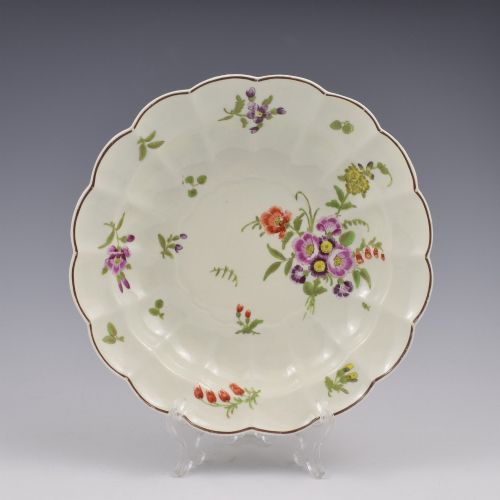
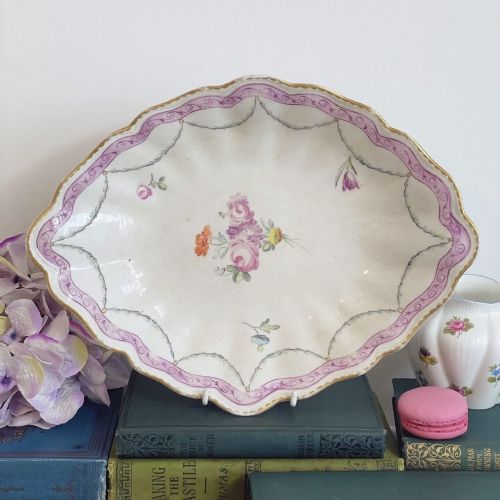
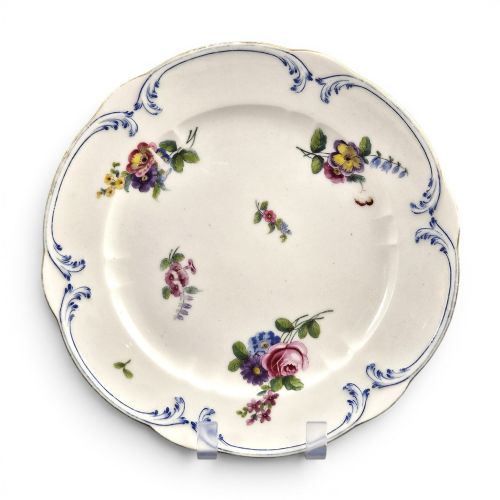
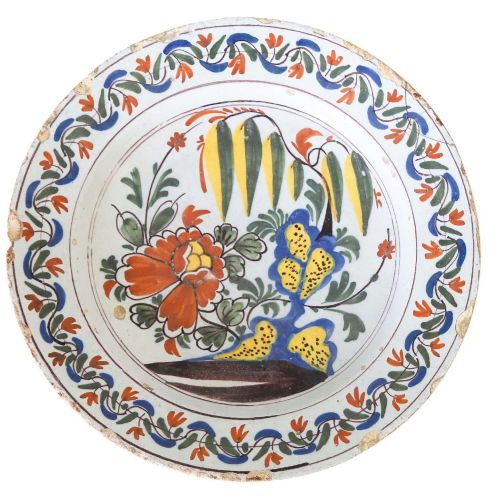
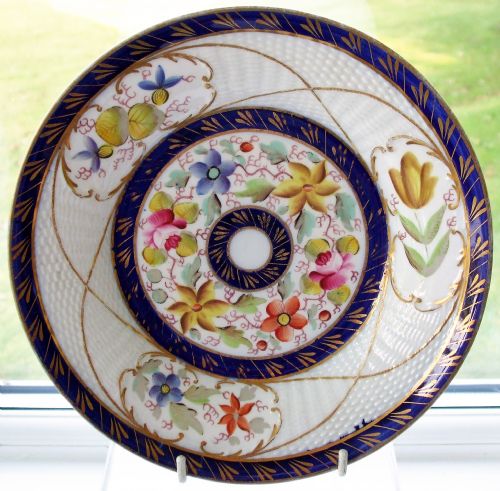
An 18th century floral plate encompasses everything from intimate English dessert dishes to large Dutch chargers and Chinese export porcelain. The selection leans heavily toward tin-glazed earthenware and soft-paste porcelain adorned with botanical motifs.
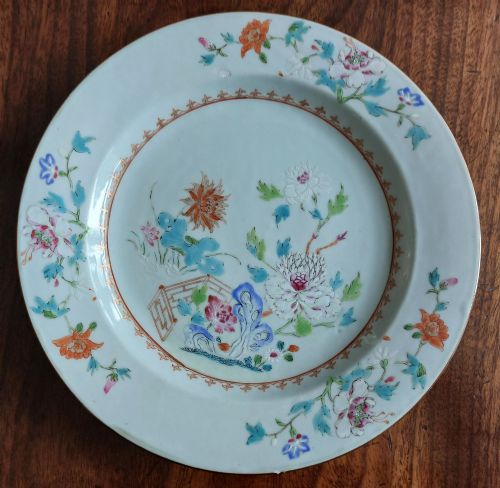
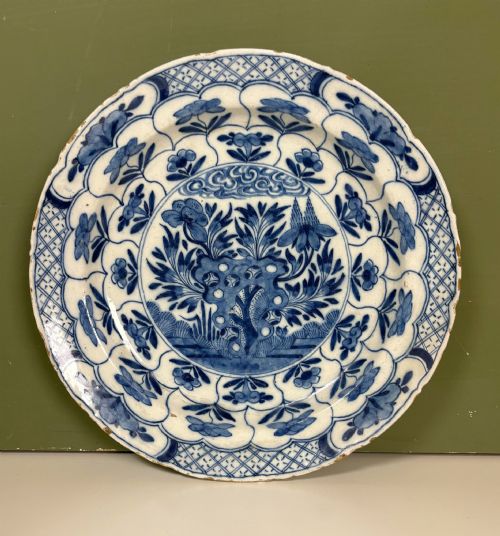
Makers across Europe and Asia utilised distinct regional palettes, ranging from cobalt blue delftware to the vibrant pinks of Chinese Famille Rose. Chargers and serving dishes offer larger canvases, while standard plates reveal more delicate, intimate brushwork.
Materials and methods
Potters built these pieces using earthenware with tin glaze or various formulations of porcelain, shaping them either by hand on a wheel or pressing them into moulds. Artisans then applied pigments directly to the raw surface or onto an opaque white glaze.
Firing took place in wood or coal-fueled kilns where temperature fluctuations directly influenced the depth of the cobalt pigment, manganese, and polychrome enamel paints.
Several plates secretly feature cheerful roosters and ducks hiding amongst the hand-painted cabbage roses and botanical sprigs.
Judging the execution
Quality rests primarily on the confidence and precision of the brushwork in the floral motifs, separating hurried workshop production from master painter outputs. Control over the enamel thickness and glaze pooling also marks the difference between standard utilitarian ware and high-status display pieces.
Dr Wall Worcester·Derby·Sèvres·Furstenberg·Chantilly·Chelsea
The 18th Century Floral Plate Glossary
- Tin Glaze
- An opaque white glaze containing tin oxide that creates a smooth canvas for hand-painted pigments. This technique defines traditional delftware production.
- Famille Rose
- A palette of opaque pink and rose enamels introduced to Chinese porcelain during the Qing dynasty. It allowed artists to render naturalistic floral details with subtle shading.
- Soft-Paste Porcelain
- A ceramic body made from clay mixed with ground glass and other materials rather than true china clay. It fired at lower temperatures and produced a warm, creamy translucency.
- Charger
- A large decorative plate or dish intended primarily for display on a sideboard or wall rather than daily dining. These pieces often feature the most elaborate floral compositions.
- Grand Feu
- A high-temperature ceramic firing technique that fused cobalt pigment directly into the raw glaze. It produced durable blues that withstood intense kiln heat.
18th Century Floral Plate: Frequently Asked Questions
Can I use an 18th century floral plate for dining?
These historical ceramics possess fragile glazes and soft bodies that sustain damage easily from modern cutlery and dishwashers.
Reserve them strictly for display, decorative placement, or very gentle handling during special occasions.
How do I distinguish delftware from porcelain?
Delftware uses a tin-glazed earthenware body which is opaque, heavier in the hand, and chips to reveal a buff-colored clay underneath.
Porcelain is harder, often translucent when held to the light, and reveals a white ceramic body where a chip occurs.
What does Famille Rose mean?
Famille Rose refers to a Chinese export porcelain style dominated by an opaque pink enamel derived from colloidal gold.
This palette allowed artists to paint intricate floral sprays and birds with realistic shading that departed from earlier blue and white designs.
Why are some plates called chargers?
Chargers are significantly larger plates, usually measuring well over thirty centimetres in diameter, designed for formal presentation.
In the eighteenth century, they hung on walls or stood on dressers to display wealth and decorative painted scenes.