


18th Century Export Porcelain
These pieces of 18th century export porcelain combine Eastern manufacture with Western commission, offering collectors centuries of global trade history in durable ceramic form.
18th Century Export Porcelain
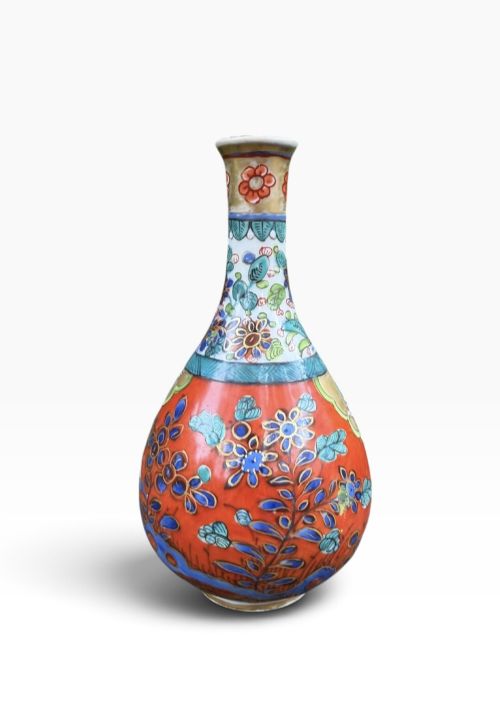
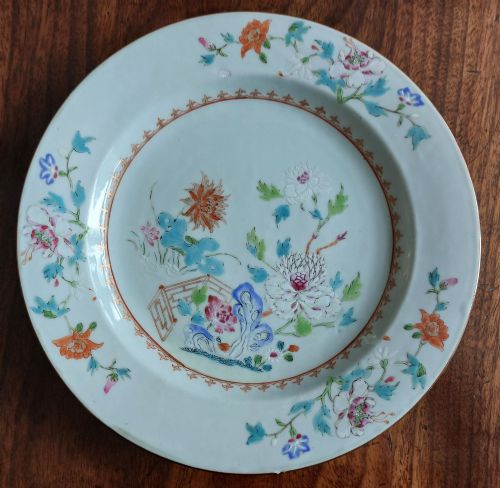
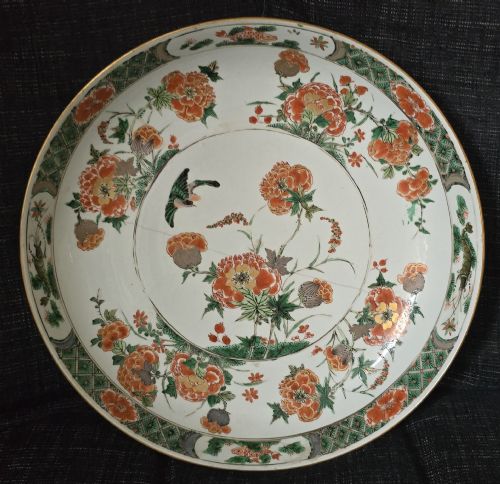
When you search for 18th century export porcelain, you encounter items made in Asia specifically for European and Western markets, spanning decorative bowls, plates, teapots, and chargers. The selection draws heavily on Chinese production from the Kangxi and Qianlong periods, alongside Japanese Edo period wares.
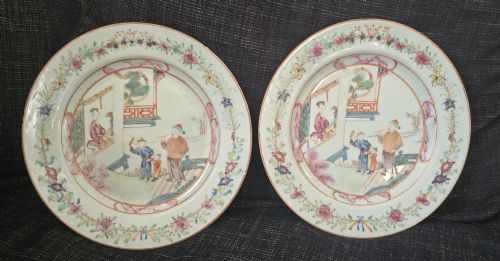
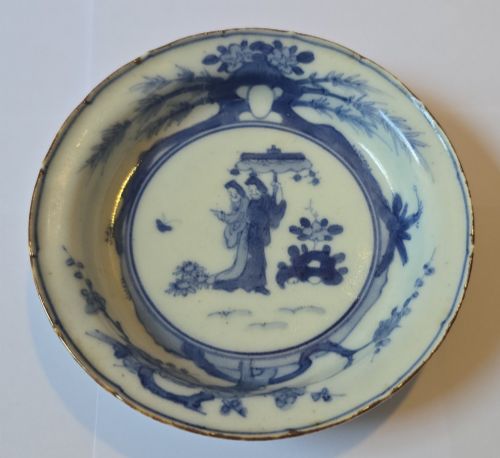
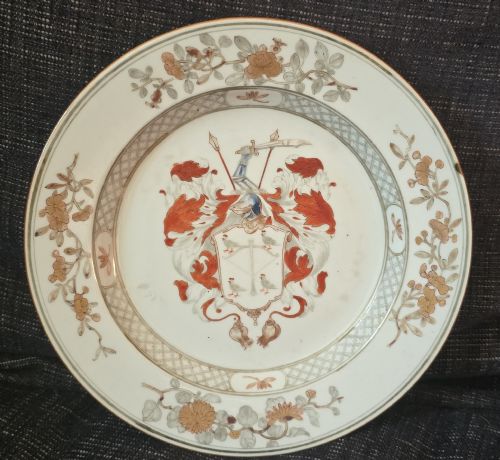
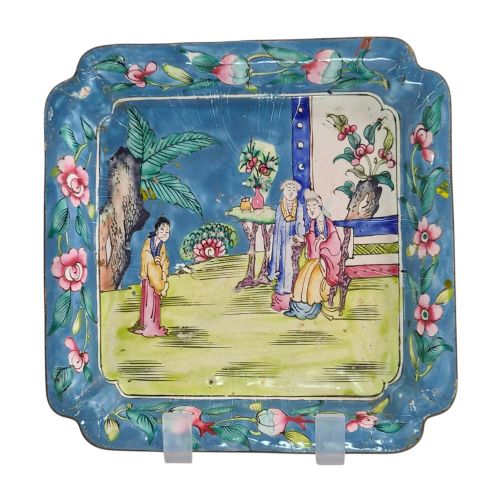
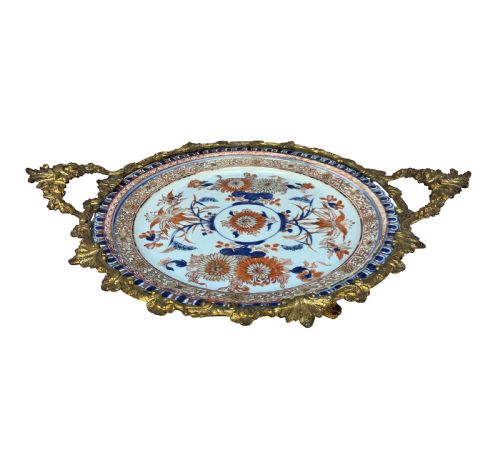
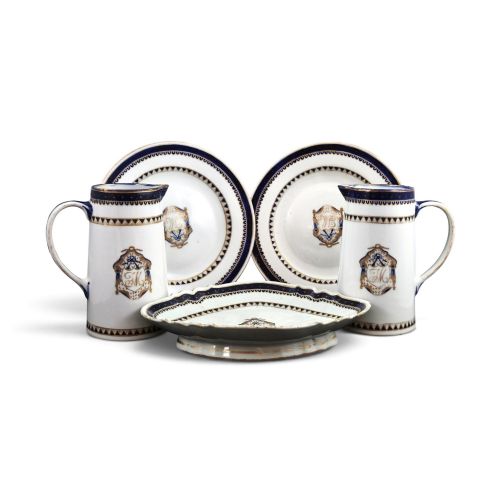
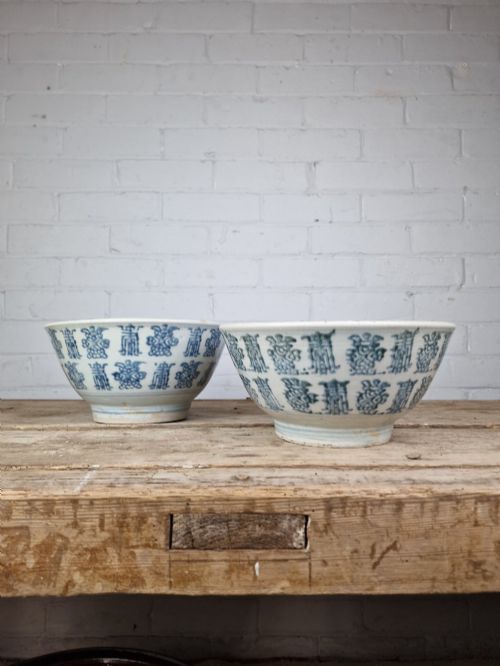
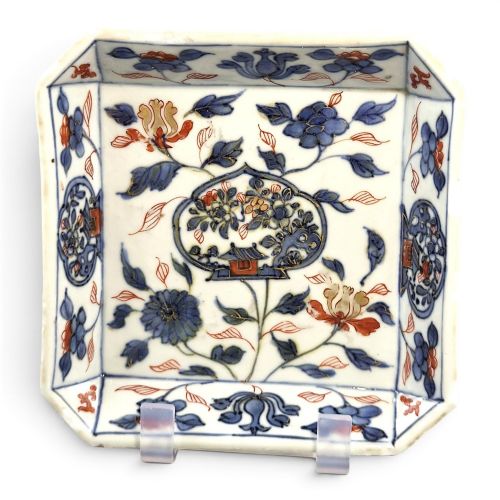
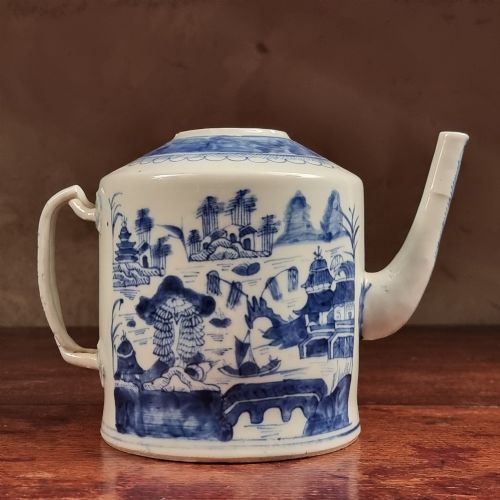
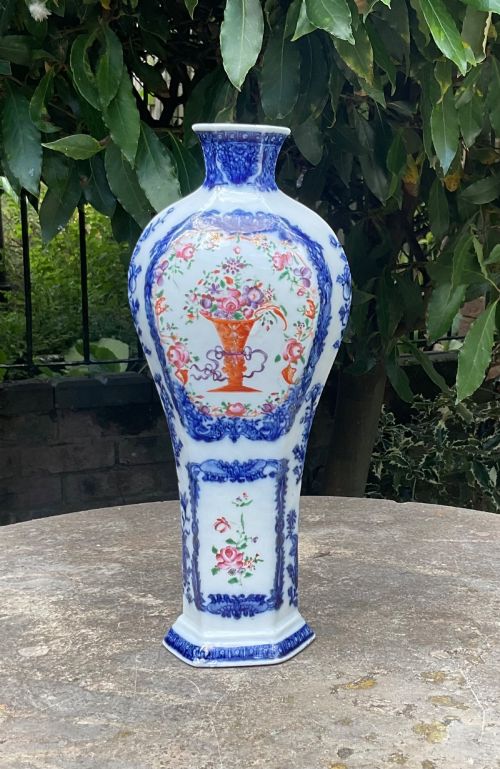
The most common forms on this page are tablewares and serving vessels decorated in Famille Rose, blue and white, and Imari palettes. These range from armorial plates bearing specific family crests to provincial bowls and elaborate punch bowls.
How these ceramics were manufactured
Potters utilised hard-paste porcelain fired at high temperatures to create a dense, vitrified body that could take delicate glazes and detailed painting. Artisans then applied underglaze cobalt blue or overglaze enamel pigments by hand before secondary firings.
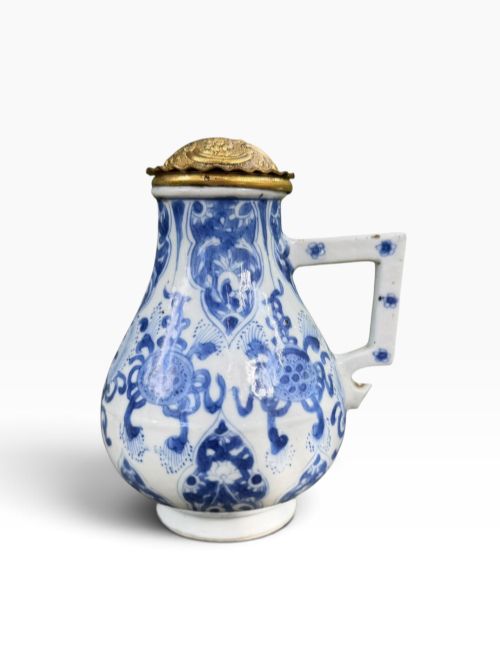
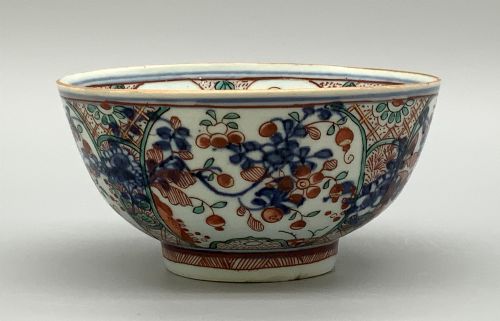
Selected vessels received additional European embellishments, such as ormolu mounts in the French Rococo style or supplementary Amsterdam Bont decoration applied decades after the initial Chinese firing.
18th Century Export Porcelain Retail Price Guide 2026
Typical asking prices for 18th century export porcelain among the pieces listed under this phrase on Sellingantiques today, from the lower quarter to the upper quarter. They describe what is for sale here now, not the wider market.
Look closely for the acrobats tumbling across the Mandarin palette tea bowls.
Variations in quality and execution
The sophistication of the painted botanical, figural, or armorial scenes distinguishes standard production wares from exceptional commission pieces. Precision in the enamel brushwork and clarity of the cobalt glaze indicate the skill level of the regional workshop.
The presence of specialised European additions, such as fire-gilt ormolu mounts or documented armorial crests, elevates the historical significance and sculptural presence of the porcelain object.
The 18th Century Export Porcelain Glossary
- Famille Rose
- A palette of opaque overglaze enamels dominated by pink or rose colours, introduced during the Qing dynasty. It allowed for subtle tonal gradations in floral and figural motifs.
- Imari
- A style of Japanese and Chinese porcelain decorated in underglaze blue, iron red, and gold. This vibrant aesthetic was widely exported to Europe through trade ports like Arita.
- Armorial
- Porcelain decorated with European family coats of arms or crests. These bespoke services were ordered by wealthy merchants and aristocracy via the East India companies.
- Kangxi Period
- The era of the Qing dynasty from 1662 to 1722 known for technical brilliance in ceramics. Pieces from this time often feature intense cobalt blue glazes.
- Qianlong Period
- The reign spanning 1735 to 1796 associated with elaborate polychrome enamels and diverse export designs. Production during this time catered heavily to Western tastes.
18th Century Export Porcelain: Frequently Asked Questions
What is export porcelain?
Export porcelain refers to ceramic wares manufactured in Asian kilns, primarily in China and Japan, specifically for trade and export to Western markets.
These pieces combined traditional Eastern potting techniques with shapes and decorative motifs tailored to European and American preferences.
How do I identify Qianlong porcelain?
Qianlong period pieces date from the mid to late 18th century and frequently display rich Famille Rose enamels, intricate borders, and fine white bodies.
Stylistic cues include symmetrical floral arrangements, detailed figural scenes, and occasionally imperial marks on pieces intended for higher-status patrons.
What is Chinese Imari?
Chinese Imari is export porcelain made in China that imitates the Japanese Imari aesthetic, utilising a distinctive combination of underglaze cobalt blue, iron red, and gold.
This style became immensely popular in Europe for domestic display and dining during the late 17th and 18th centuries.
Can I use antique porcelain?
While these pieces survived centuries of handling, most collectors treat 18th century export porcelain as display art rather than functional tableware.
Gentle hand washing in lukewarm water is suitable if handled with care, though thermal shock and modern dishwashers should be avoided entirely.