
18th Century Elm Furniture
These pieces of 18th century elm furniture offer the rich grain, warmth and robust utility sought by collectors of vernacular and country house design.
18th Century Elm Furniture
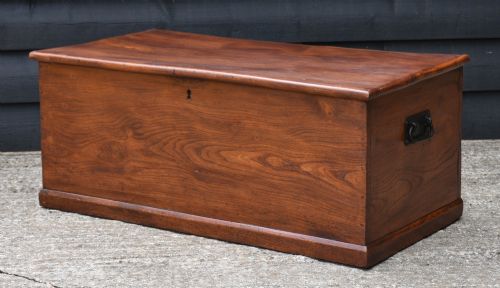
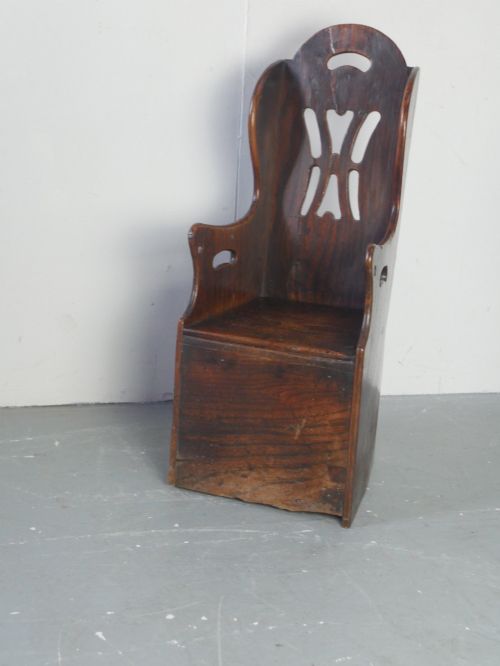
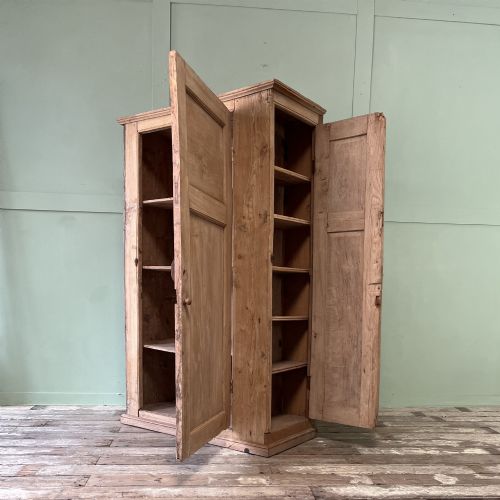
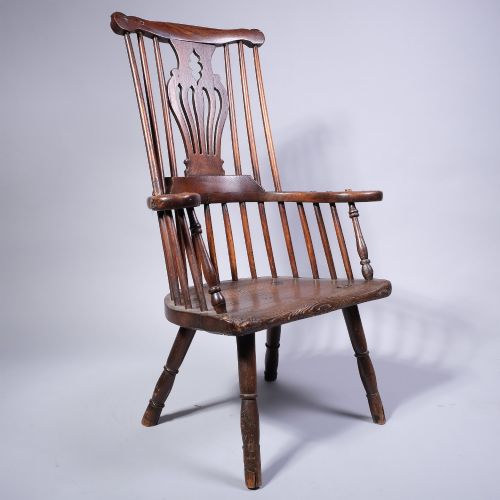
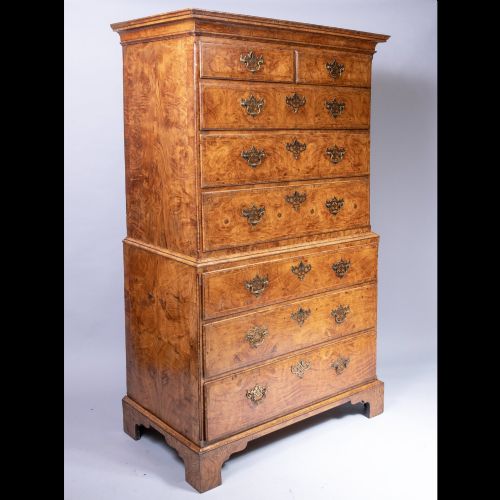
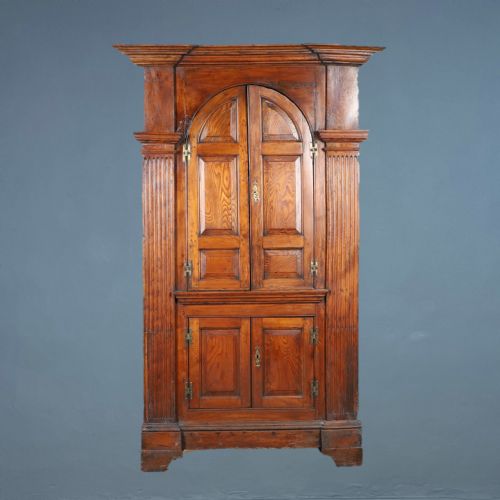
When considering 18th century elm furniture, buyers encounter a diverse selection of domestic objects spanning utilitarian seating, storage chests and small tables. The inventory includes regional seating such as Windsor armchairs and stick back chairs, alongside larger storage forms like tallboys, blanket boxes and food cupboards.
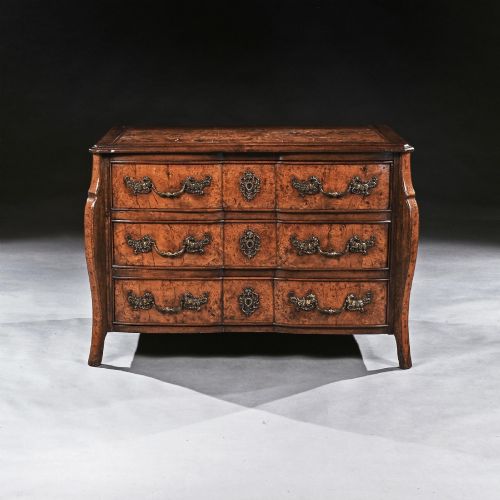
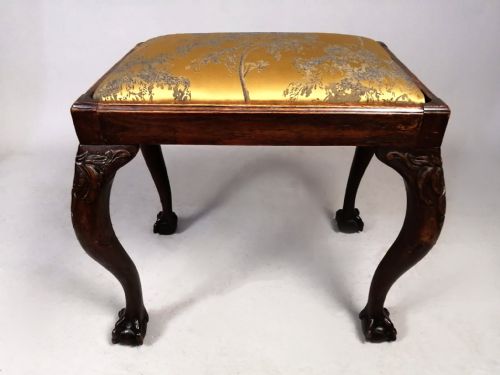
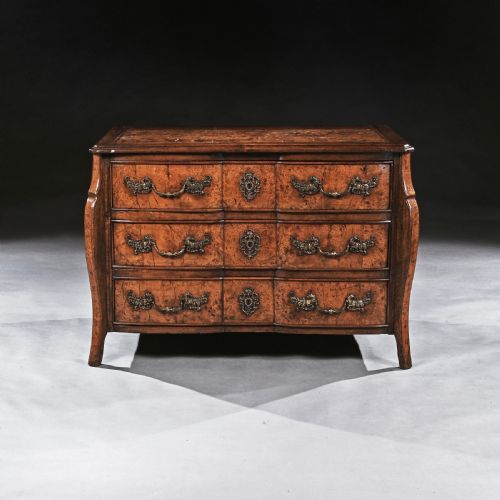
Geographic origins vary widely across the selection, featuring English country pieces, Welsh vernacular items, Irish stools and provincial French commodes. These items reflect the domestic habits and regional woodworking traditions of the Georgian era.
Elm served as the primary timber for these domestic objects, often selected for its toughness and distinctive figuring. Secondary woods such as ash, oak and yew frequently appear in construction, particularly in Windsor chairs where different timbers suited specific structural demands.
Materials and construction methods
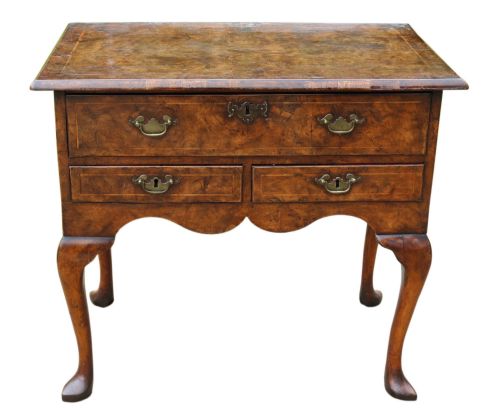
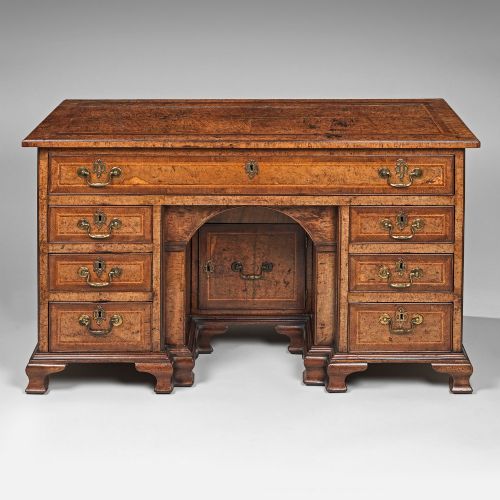
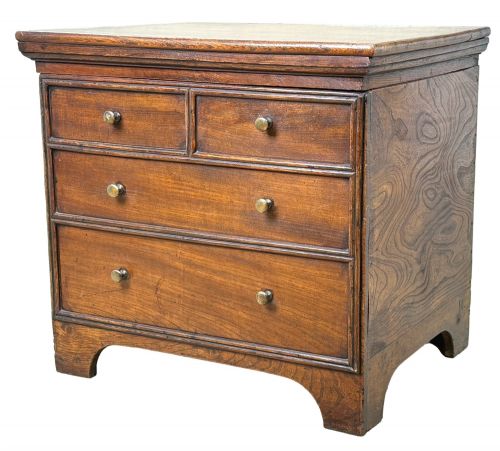
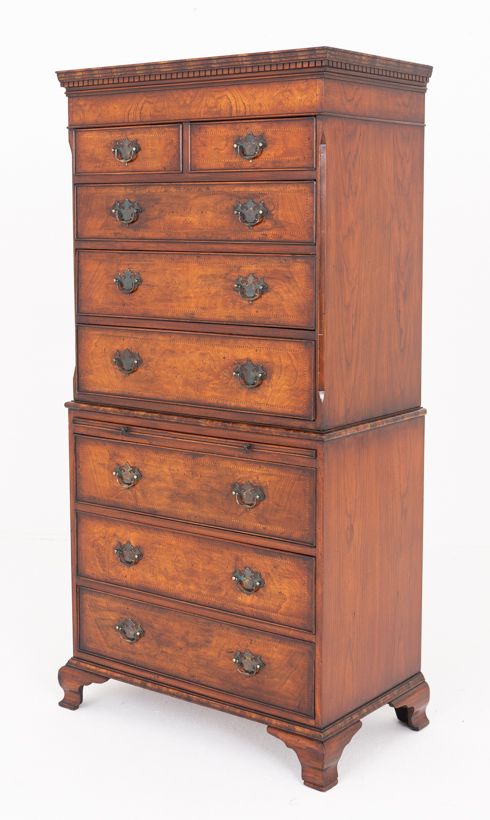
Makers utilised elm for its interlocking grain, which resists splitting under heavy use, making it ideal for chair seats and table tops. Burr elm provided highly decorative figured surfaces for finer items such as lowboys, commodes and chests of drawers.
Construction frequently combined elm with supporting timbers like ash for spindles and hoops, and oak for framing internal sections. Joinery methods relied on traditional pegging, dovetails and Windsor stick-construction techniques suited to unyielding domestic hardwoods.
Current listings feature elm combined with secondary woods including ash, oak, beech, yew, iron and brass.
Distinctions in quality and finish
Quality in 18th century elm furniture rests upon the choice of timber figure, particularly the presence of rich burr patterning on prominent surfaces like drawer fronts and commode tops. Pieces exhibiting lively grain contrast and well-figured boards command greater attention from discerning collectors.
The sophistication of the form and regional carpentry details dictate the standing of individual pieces within the field. Finely carved elements on George II lowboys or architectural standing corner cupboards separate standard utilitarian items from exceptional vernacular works.
The 18th Century Elm Furniture Glossary
- Burr elm
- A growth distortion on the elm tree that produces highly figured, swirling wood grain patterns. It was frequently utilised for decorative veneers on fine furniture fronts.
- Windsor chair
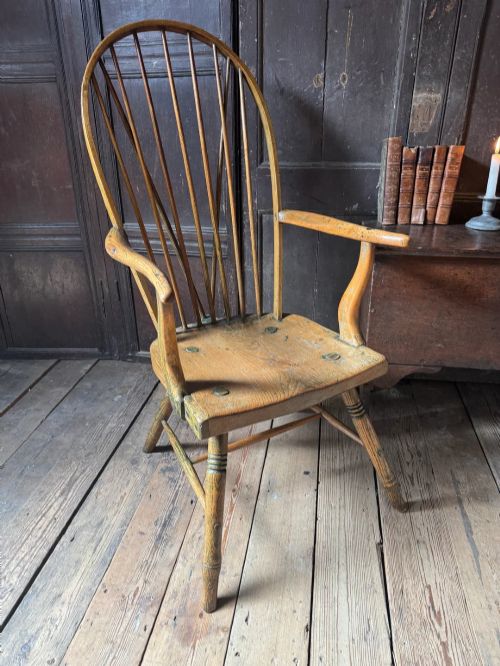
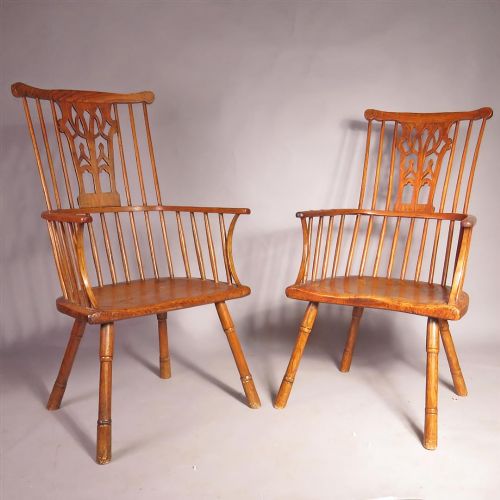
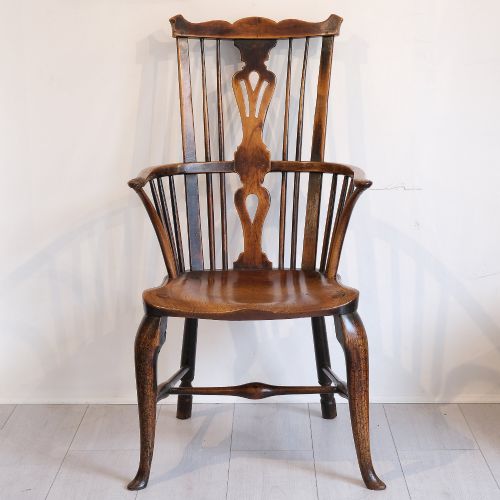
- A wooden chair constructed with a solid elm saddle-shaped seat into which the legs and back spindles are directly inserted. Regional variants include comb-backs and high-hoop backs.
- Lowboy
- A small oak, walnut or elm table with one or more drawers, standing on relatively tall cabriole or straight legs. They served various domestic functions during the Georgian period.
- Cricket table
- A small, lightweight occasional table typically featuring three legs and a round top. They often combine elm tops with oak or ash frames for stability.
- Vernacular furniture
- Domestic pieces made by local craftspeople using regional timbers and traditional methods rather than adhering to metropolitan high-style designs.
18th Century Elm Furniture: Frequently Asked Questions
What is burr elm?
Burr elm is a prized timber harvested from a tree growth that creates swirling, highly figured grain patterns. Makers selected these distinctive boards for the most prominent surfaces of high-status pieces.
This decorative wood appears on drawer fronts and table tops, offering a stark visual contrast to the plain timber used in the underlying carcase.
How do I identify a Windsor chair?
A Windsor chair is defined by its solid, thick elm seat into which the legs and back spindles are bored directly. This method eliminates the need for a traditional heavy frame.
Regional variations include stick-back, comb-back and high-hoop designs, frequently incorporating ash for flexible back bow construction.
Where were these pieces made?
These items originated across various regions, reflecting local workshop traditions rather than centralized factory production. Examples hail from English rural areas, Welsh communities and Irish workshops.
Provincial continental pieces, such as French commodes, also appear alongside domestic country house furniture, each showing distinct regional preferences.
How do I live with elm furniture?
Living with 18th century elm furniture involves placing pieces away from direct heat sources and sudden humidity shifts. Elm responds well to natural beeswax polishes that maintain the warmth of the grain.
These robust items were built for daily domestic utility, making them durable companions in modern interiors when treated with basic care.