

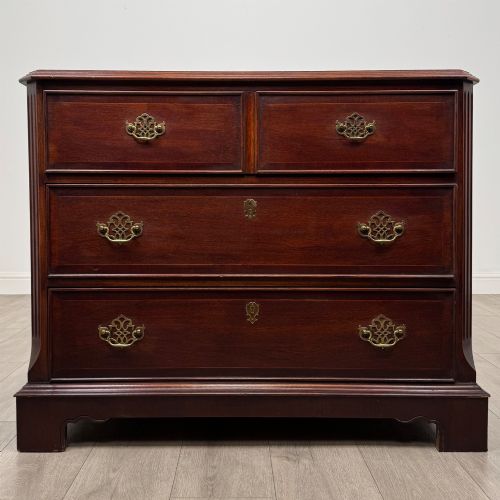
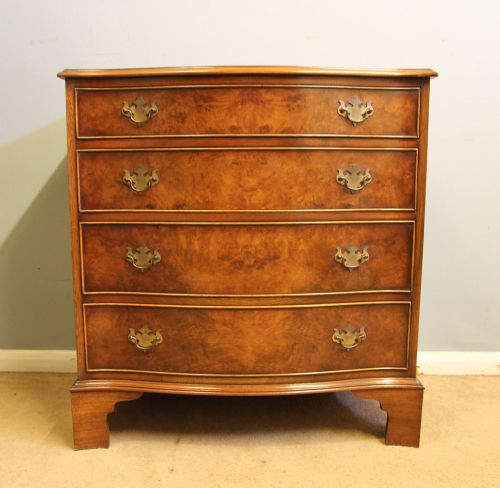
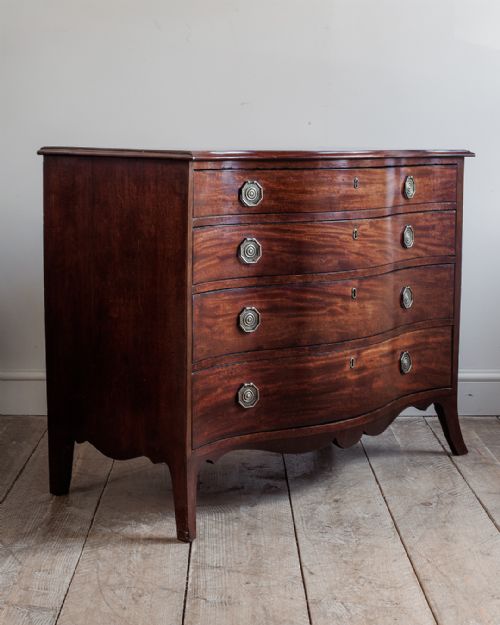
Georgian Brass Handle Bureau
A georgian brass handle bureau brings tactile writing surfaces and timber drawer chests together into daily use.
Georgian Brass Handle Bureau
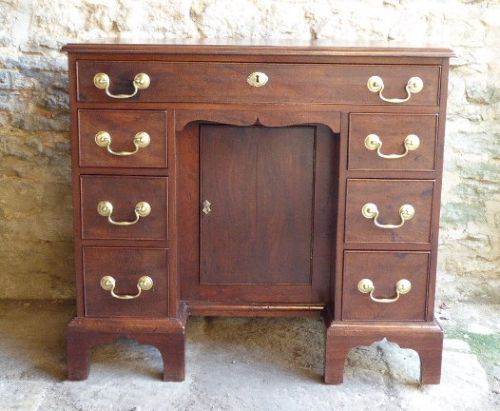
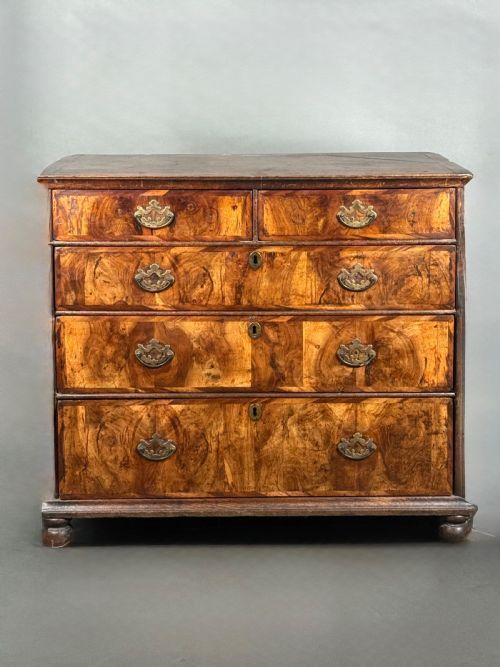
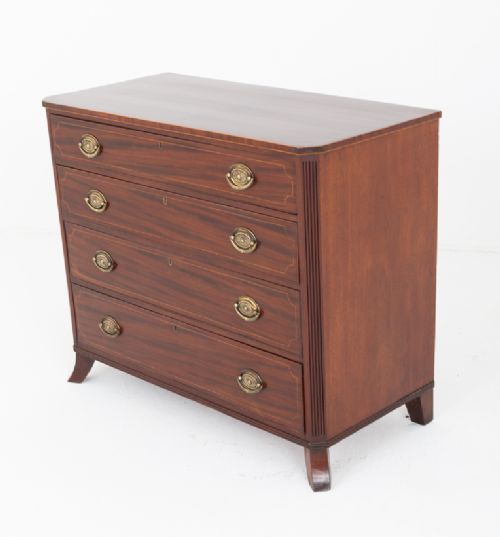
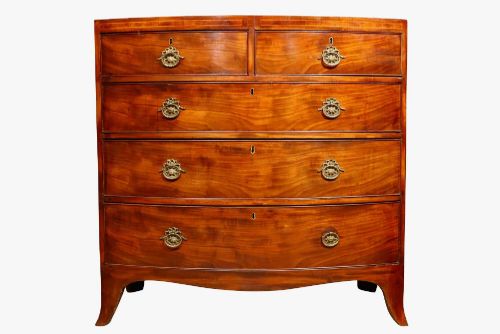
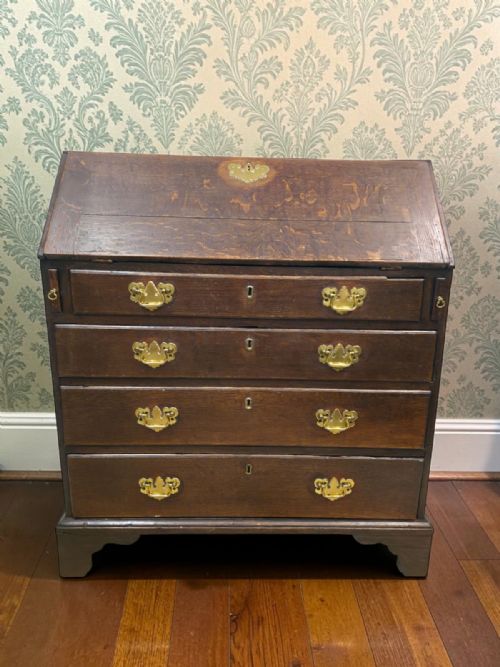
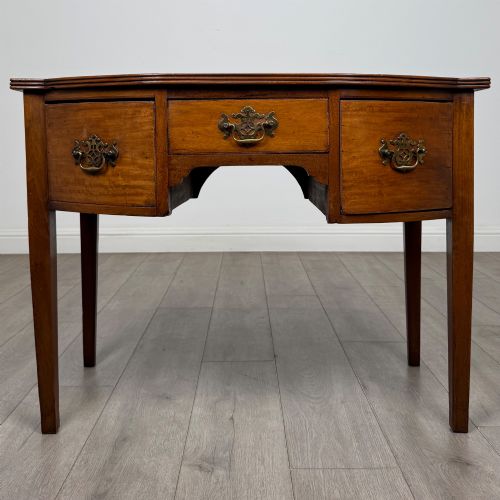
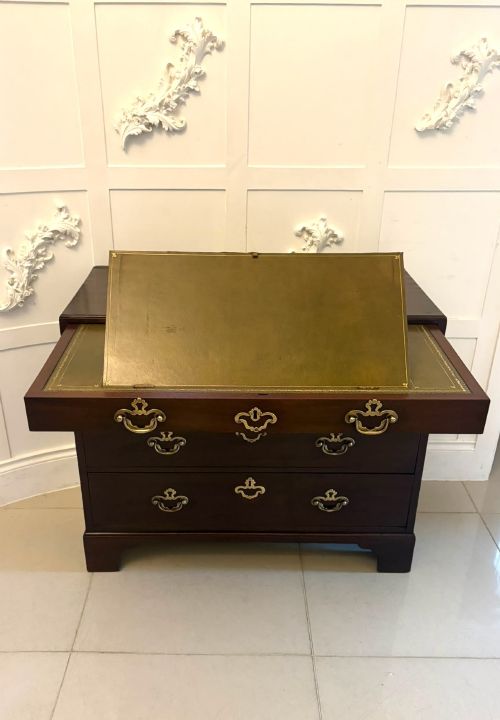
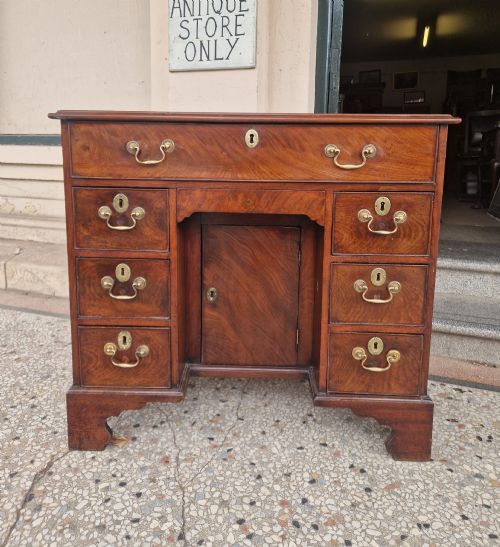
When you search for a georgian brass handle bureau, you encounter case furniture designed for storage and private writing. The listings show forms ranging from fall-front writing bureaux to kneehole desks and chests of drawers fitted with writing compartments.
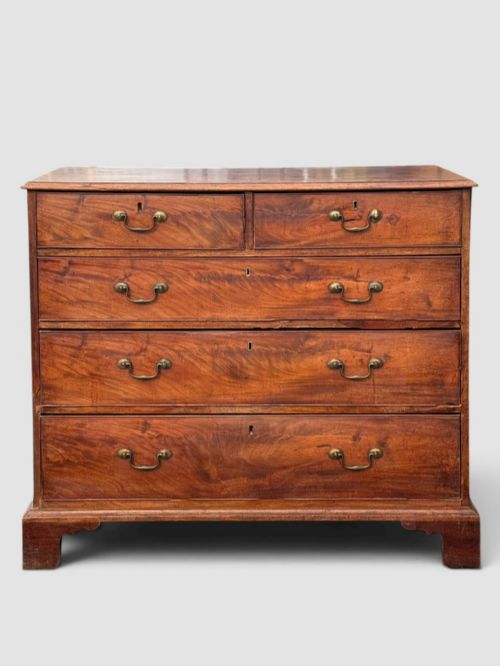
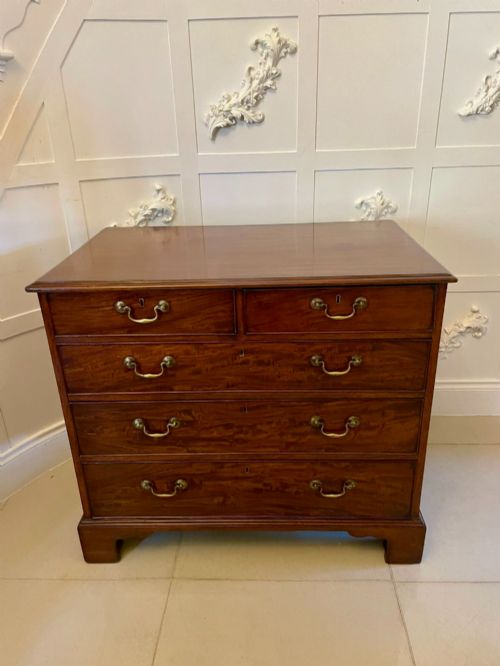
Mahogany, oak and walnut dominate the selection, often enriched with brass handles that anchor the timber facades. Most examples date from the eighteenth century and the Georgian period, alongside later nineteenth-century interpretations.
The practical function remains central to these items, combining deep drawers with fitted interiors for letters and documents. A buyer selects them for compact workspace solutions that sit naturally within traditional or modern interiors.
How they were made
Cabinet makers constructed these pieces from solid hardwoods and select veneers, utilising mahogany, oak, walnut and burr walnut over supportive secondary timbers. Boxwood and bone occasionally appear in stringing or escutcheon details, adding subtle contrast to the primary grain.
Metalwork played a structural and decorative role, with cast brass drop handles, bail handles and bracket feet securing the heavy timber sections. Joinery methods relied on dovetailed drawer construction and pegged joints, ensuring durability across centuries of opening and closing.
Georgian Brass Handle Bureau Retail Price Guide 2026
Typical asking prices for georgian brass handle bureau among the pieces listed under this phrase on Sellingantiques today, from the lower quarter to the upper quarter. They describe what is for sale here now, not the wider market.
Listings span oak, walnut and mahogany materials across eighteenth-century and nineteenth-century periods.
What varies in quality
The standard of timber selection largely dictates the visual merit of each piece, distinguishing plain boards from richly figured flame mahogany and burr walnut. Finer execution shows in the crispness of the cabinet moulding, the symmetry of the wood grain across drawer fronts and the integrity of the fitted interior compartments.
Hardware and secondary materials also separate standard items from superior works. Original cast brass handles, well-proportioned bracket feet and unblemished interior slide mechanisms indicate a higher level of workshop skill during initial construction.
The Georgian Brass Handle Bureau Glossary
- Bureau
- A desk featuring a sloping fall-front that opens to reveal a fitted interior of small drawers and pigeonholes. It typically sits above a set of functional chest drawers.
- Kneehole desk
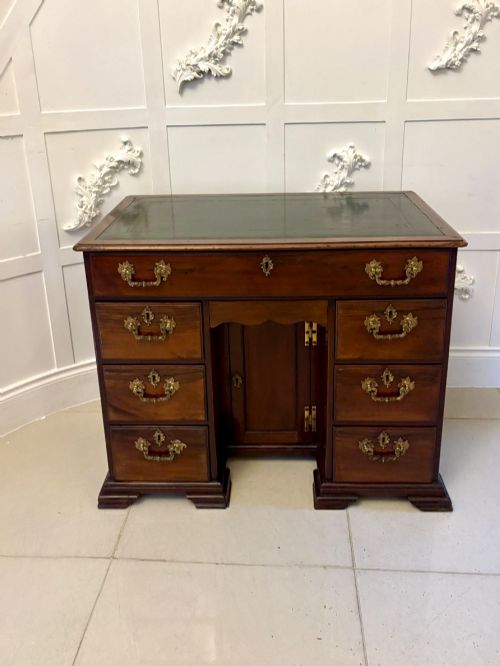
- A compact writing table featuring a central recessed space for the legs, flanked by pedestals of small drawers. This form allows the user to sit directly facing the writing surface.
- Brushing slide
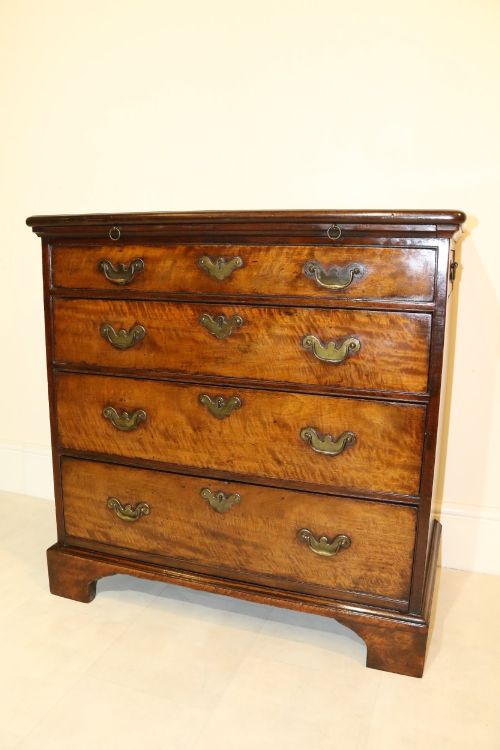
- A pull-out shelf located above the top drawers of a chest or desk, historically used for checking clothes or resting writing materials without opening the main drawer.
- Serpentine chest
- A case of drawers characterised by a gently undulating front that curves outward in the centre and inward at the sides. This shape requires skilled carpentry to shape the timber accurately.
- Bracket foot
- A structural support projecting from the lower corners of case furniture, shaped like a small architectural bracket or foot. It provides stable elevation for chests and desks.
Georgian Brass Handle Bureau: Frequently Asked Questions
How do I use a bureau daily?
Lower the fall-front to create an immediate writing surface while keeping papers neatly stored inside the pigeonholes when closed.
The deep lower drawers accommodate household storage, allowing the piece to function as both a working desk and a functional chest.
Where should I place a desk?
Position the piece against a sturdy wall in a study, living room or bedroom where natural light reaches the writing surface.
Ensure there is sufficient clearance in front of the bureau to drop the writing flap or pull out any fitted desk slides.
How do I identify Georgian walnut?
Examine the grain patterns for rich, swirling figures and warm brown tones that distinguish early walnut furniture from later mahogany pieces.
Check for period construction traits such as hand-cut dovetails and traditional brass hardware affixed to the timber facade.
What is a kneehole desk?
A smaller writing table designed with a central opening for your knees, flanked on both sides by vertical stacks of drawers.
These desks often feature pull-out writing slides and compact proportions suited to smaller rooms.