


Traditional Wooden Bureau Desk
A traditional wooden bureau desk brings practical writing space and fitted pigeonholes into a room, fashioned from timbers like mahogany and oak.
Traditional Wooden Bureau Desk
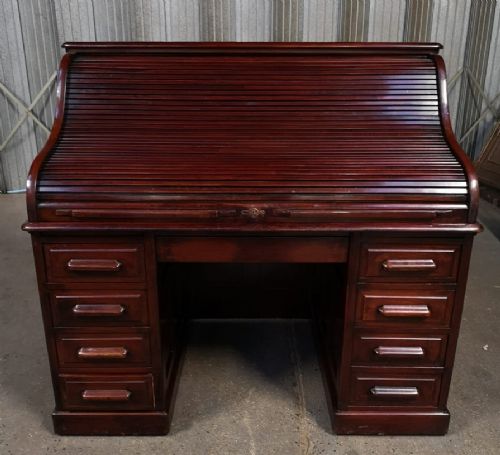
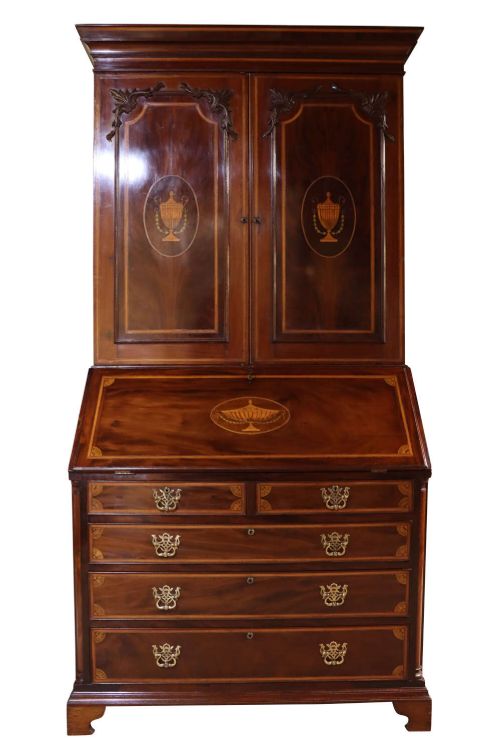
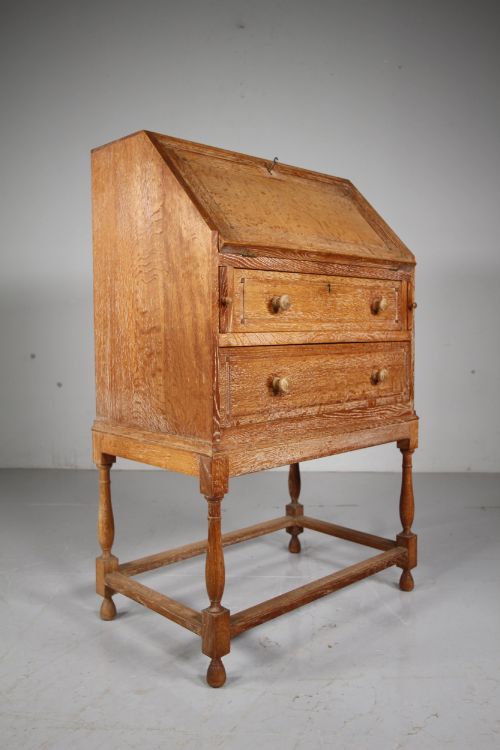
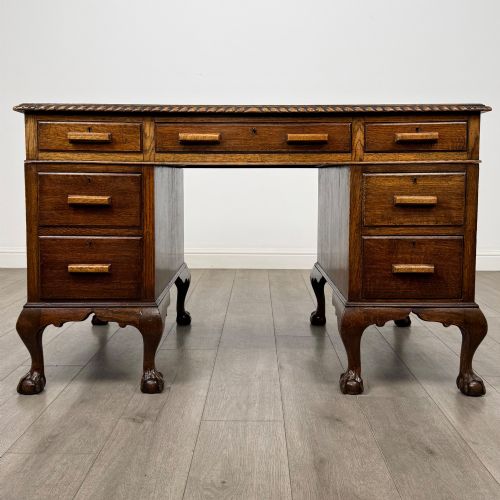
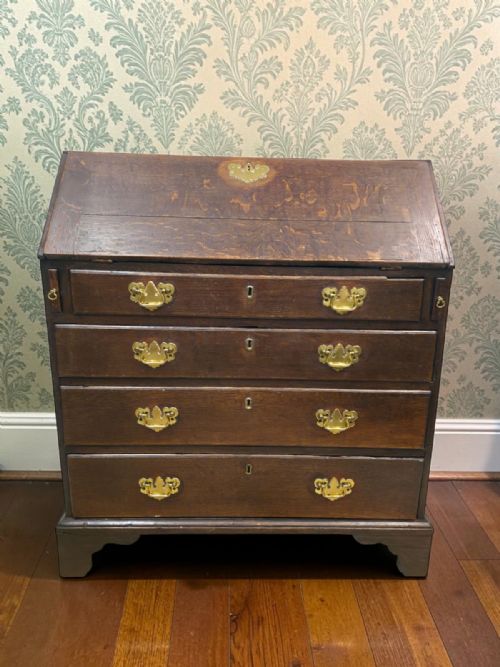
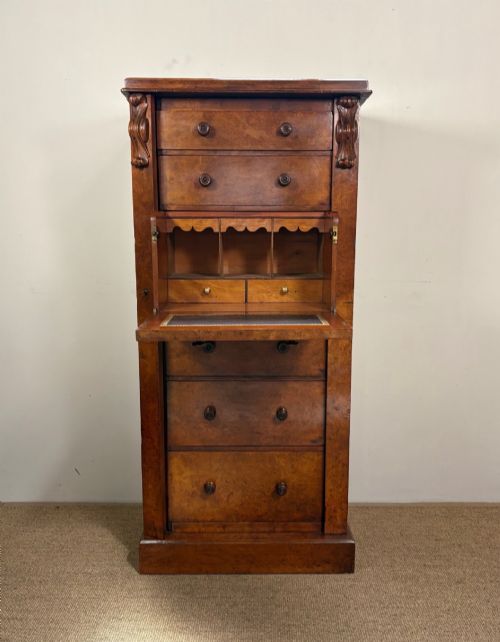
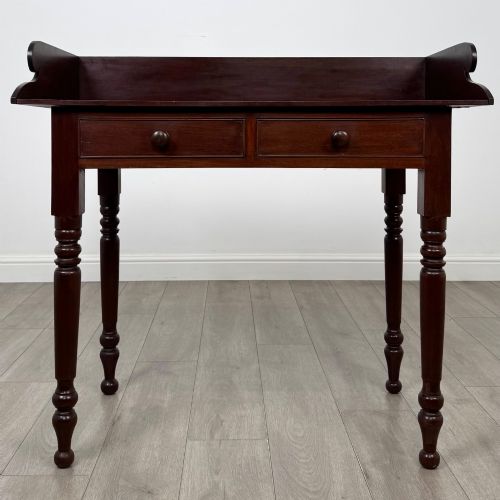
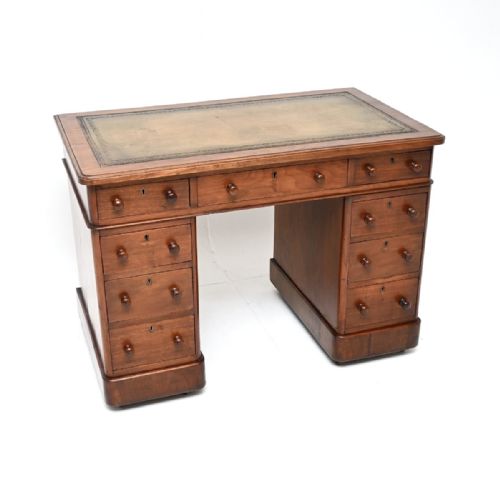
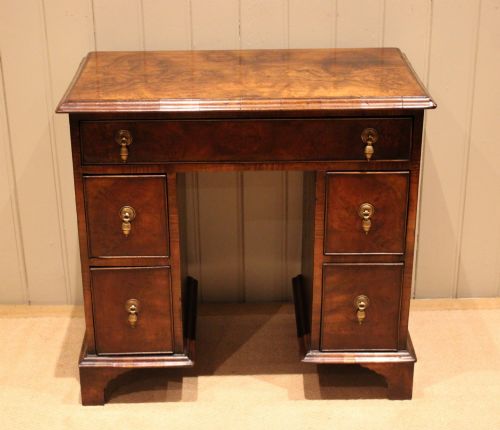
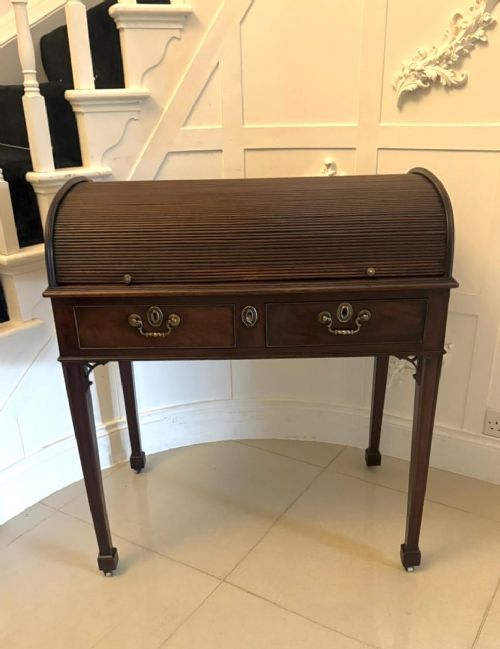
When you search for a traditional wooden bureau desk, you are looking at writing furniture designed for storage and correspondence, spanning periods from the Georgian era through to the Edwardian period. These pieces encompass fall-front writing bureaux, cylinder desks, and pedestal writing tables built by cabinet makers.
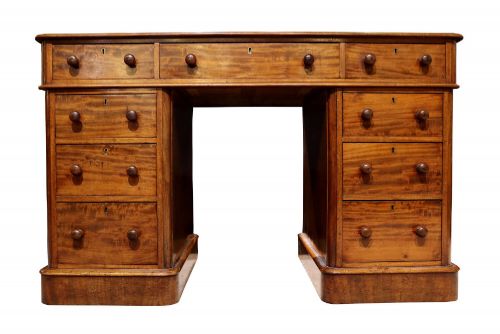
The version you are most likely to meet on this page is a mahogany or oak bureau or pedestal desk from the Victorian or Edwardian eras. Such pieces frequently combine a sloping writing flap or flat top with internal drawers and pigeonholes.
Makers ranged from large firms like Heals of London and Maple and Co to provincial workshops producing simpler oak and walnut forms. Styles cross from strict Georgian interpretations to Arts and Crafts simplicity and revival pieces.
Materials and Construction
Timbers such as mahogany, oak, walnut, burr walnut, and elm form the primary structure of these desks, often selected for figured grain or durability. Cabinet makers utilised solid woods and veneers over secondary conifers, applying polish to finish the surfaces.
Secondary elements include brass handles, escutcheons, leather writing inserts, and occasionally canvas linings. Interiors feature dovetailed drawer construction and small hidden compartments accessed behind sliding panels or moving interior parts.
Listings feature items built from mahogany, oak, walnut, burr walnut, elm, and yew wood.
Judging Quality and Craftsmanship
The distinction between ordinary and superior pieces lies in the selection of timbers, such as figured mahogany or burr walnut, and the crispness of any carved detailing or inlay work. Better workshops employed meticulous joinery like tight dovetailing and matched grain patterns across drawer fronts.
Proportion and the retention of original hardware, including brass pulls and fitted interior pigeonholes, separate the best examples from later alterations or reproductions. Maker signatures, such as labels from firms like Heals of London or Maple and Co, elevate a desk's standing.
Heals of London·Maple and Co
The Traditional Wooden Bureau Desk Glossary
- Bureau
- A writing desk featuring a sloping fall-front lid that opens to reveal a fitted interior of small drawers and pigeonholes.
- Pedestal desk
- A freestanding office desk comprising two separate pedestals of drawers supporting a central writing surface.
- Tambour
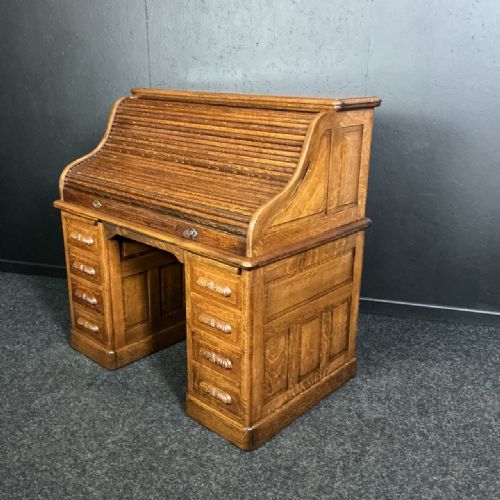
- A flexible sliding shutter formed of narrow strips of wood glued to canvas, commonly used to enclose the upper section of roll-top desks.
- Dovetail
- An interlocking joint used in drawer construction, prized for its tensile strength and traditional craftsmanship.
- Pigeonhole
- A small compartment within a desk interior used for sorting letters and papers.
Traditional Wooden Bureau Desk: Frequently Asked Questions
How do I use a bureau desk?
Lower the hinged fall-front writing flap to create a flat wooden surface for writing letters or placing a laptop. Internal pigeonholes and small drawers provide dedicated space for stationery and household paperwork.
When writing is finished, fold the flap back up to conceal the interior contents and present a tidy cabinet front to the room.
What is a tambour top?
A tambour top consists of narrow wooden slats attached to a flexible canvas backing that slides in a curved track. This mechanism rolls back to expose the desk surface and pigeonholes without swinging outward into the room.
Found frequently on oak and mahogany desks from the Victorian and Edwardian periods, it offers secure enclosure for the work area.
How do I date a wooden desk?
Examine the construction methods, timber choices, and hardware styles to determine the likely period of manufacture. Georgian pieces often display fine mahogany and distinct cabinet proportions, while Edwardian and later desks may feature lighter oak or walnut construction.
Maker labels, brass lock stamps, and secondary woods inside the drawers provide further clues regarding the exact era.
Where should I place a pedestal desk?
A pedestal desk is designed to stand freestanding within a study or home office, offering drawers on both sides beneath the top. Ensure there is adequate clearance behind the desk for a chair and enough floor space to pull out the pedestal drawers fully.
Keep wooden surfaces away from direct sunlight and heat sources to prevent the timber and leather writing inserts from drying out.