



Early 20th Century Bureau
An early 20th century bureau offers practical writing space paired with fitted internal compartments, bringing traditional craftsmanship into daily use.
Early 20th Century Bureau
An early 20th century bureau combines a slanted or fold-down writing flap with internal pigeonholes and drawers, resting above a set of lower drawers or a stand. These items emerge from various decades up to nineteen-thirty, reflecting enduring utility.
How they were made
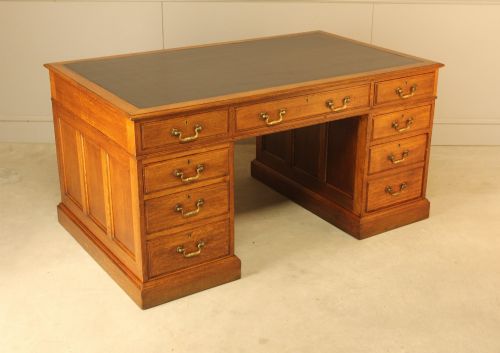
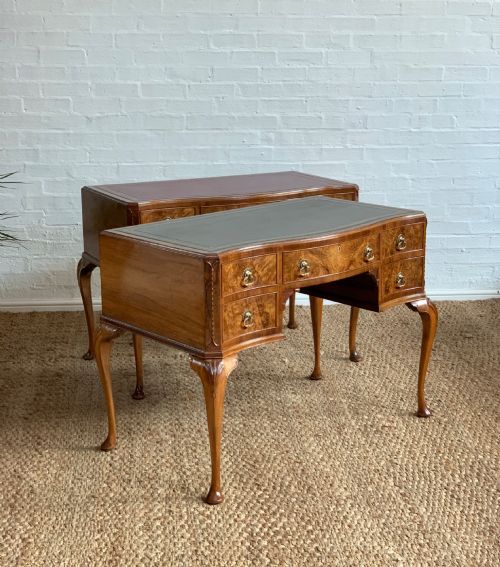
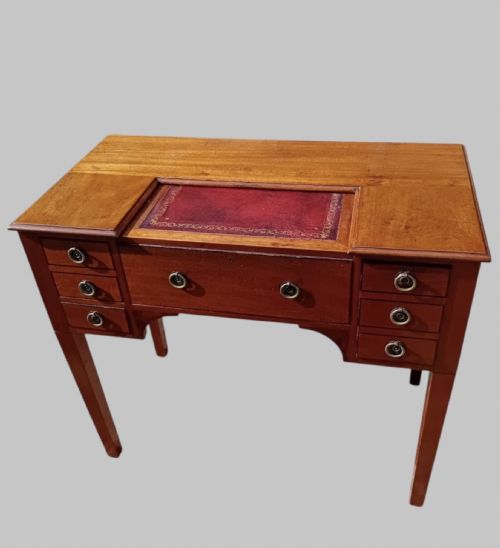
Cabinetmakers utilised solid timbers and decorative veneers such as burr walnut, mahogany, and satinwood, frequently mounted on robust carcases of oak. Brass handles, escutcheons, and leather writing inserts complete the functional construction.
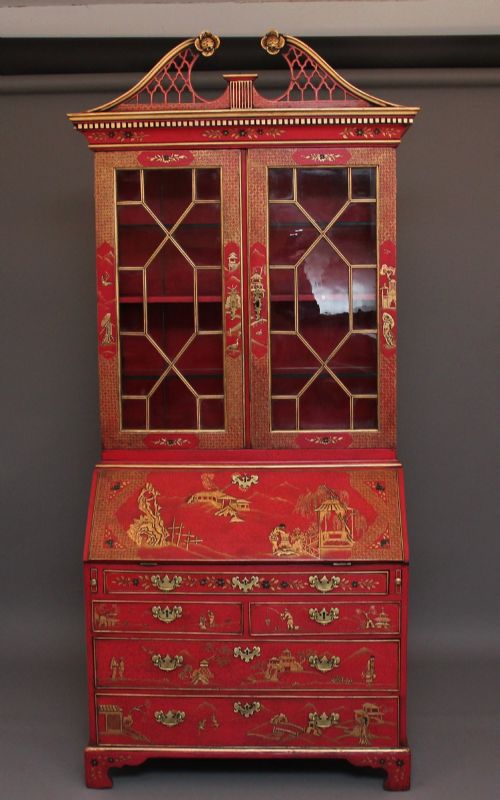
Surface decoration involved carving, lacquering, or Chinoiserie detailing, alongside geometric mouldings. Wood was polished to highlight natural grain patterns across revival forms spanning Queen Anne to Chippendale styles.
Listings feature oak, mahogany, walnut, and burr walnut across desks, chests of drawers, and bureau bookcases dated between nineteen-hundred and nineteen-thirty.
What varies in quality
The standard of timber selection and veneer matching defines the visual impact of a piece, particularly when burr walnut or figured mahogany is employed. Finer examples show careful grain continuity across the falling flap and drawer fronts.
Internal joinery within the pigeonholes and small drawers demonstrates the maker's hand, where tight dovetails and clean secondary woods separate standard production from superior cabinet work.
Wylie & Lochhead Glasgow
The Early 20th Century Bureau Glossary
- Bureau
- A writing desk featuring a sloping hinged flap that opens to reveal small drawers and pigeonholes. It provides a concealed workspace when closed.
- Chinoiserie
- European decorative style imitating Chinese artistic traditions. It typically involves lacquered finishes and gilt motifs.
- Escutcheon
- A protective plate surrounding a keyhole. It is usually made from brass or other metals.
- Pigeonhole
- A small compartment within a desk interior used for sorting letters and papers. These are often arranged in tiers around a central small cupboard.
Early 20th Century Bureau: Frequently Asked Questions
How do I use a bureau?
Lower the hinged flap to create a flat writing surface supported by internal sliding arms. The enclosed compartments hold correspondence and stationery.
Close the flap when finished to conceal papers and maintain a tidy room appearance.
Where does a bureau fit best?
These pieces suit home studies, living rooms, or bedrooms due to their compact footprint. They combine desk functionality with built-in drawer storage.
Position the item away from direct sunlight to protect timber finishes and leather inserts.
How do I identify revival styles?
Queen Anne style examples typically display cabriole legs and burr walnut veneers. Chippendale style items incorporate carved mahogany details and bracket feet.
Examining the secondary woods and construction methods helps confirm the early twentieth-century date.
What is a bureau bookcase?
A bureau bookcase integrates a lower writing desk with an upper shelving unit enclosed by glass doors. This tall form maximises vertical storage in rooms with limited floor space.
The upper section displays books or decorative ceramics above the working desk.