


Vintage Oak Writing Slope
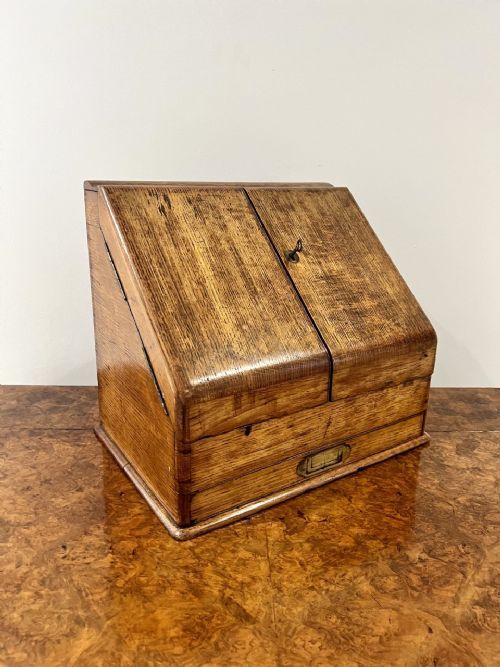
A vintage oak writing slope is a compact, portable desk designed for correspondence, housing brass hardware and hinged lids that fold down to form a writing surface.
Vintage Oak Writing Slope
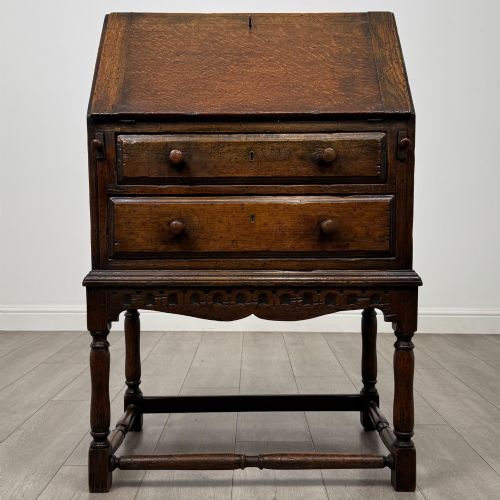
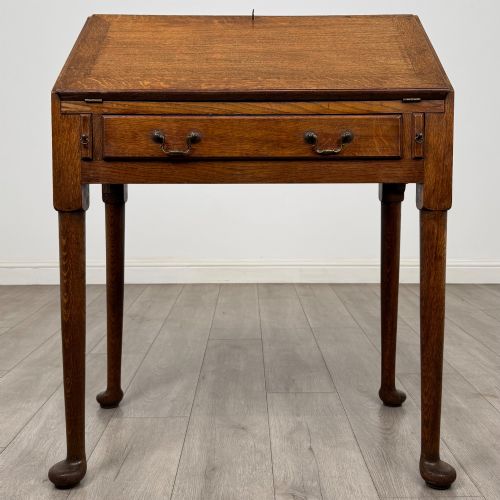
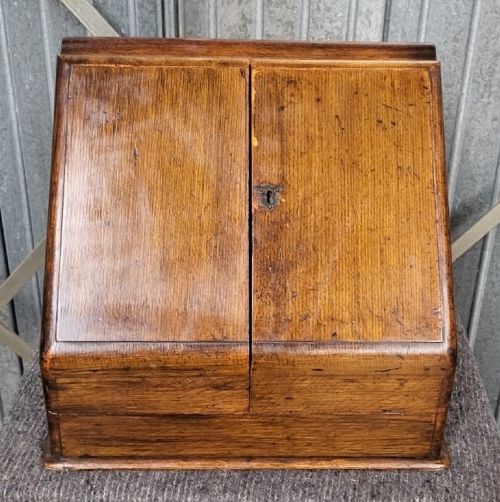
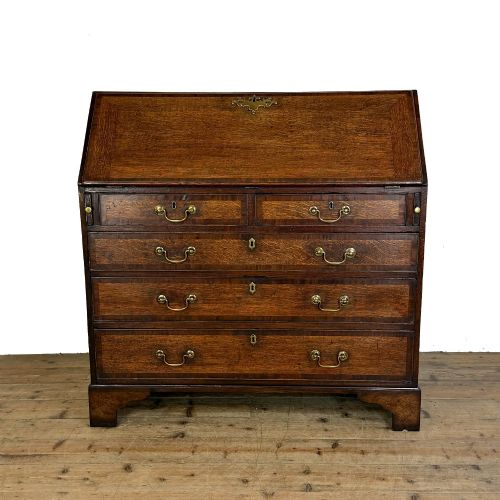
A vintage oak writing slope serves as a portable desk or stationary box, designed to contain writing materials and provide a firm surface for letters. When you search for a vintage oak writing slope, you encounter practical chests, fall-front bureaux, and tabletop boxes originating from several distinct eras.
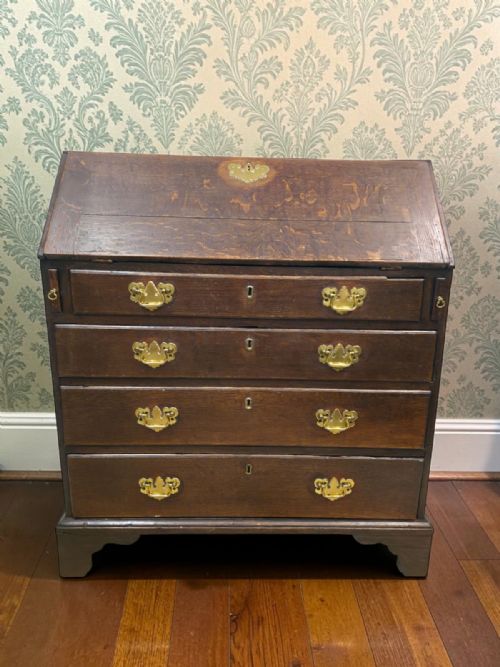
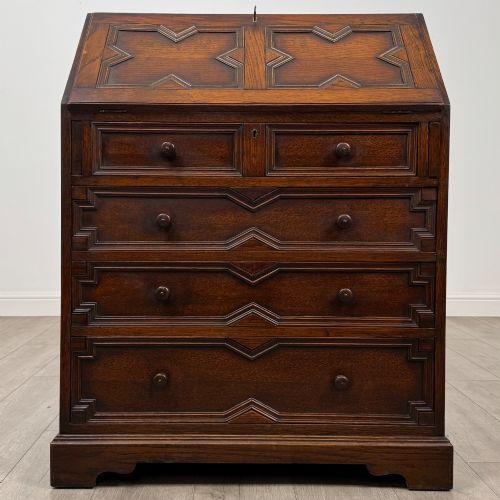
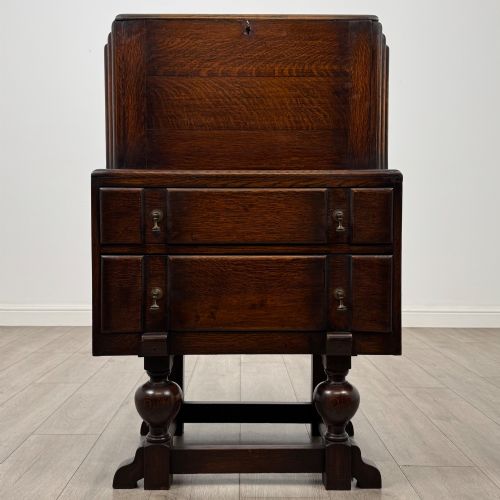
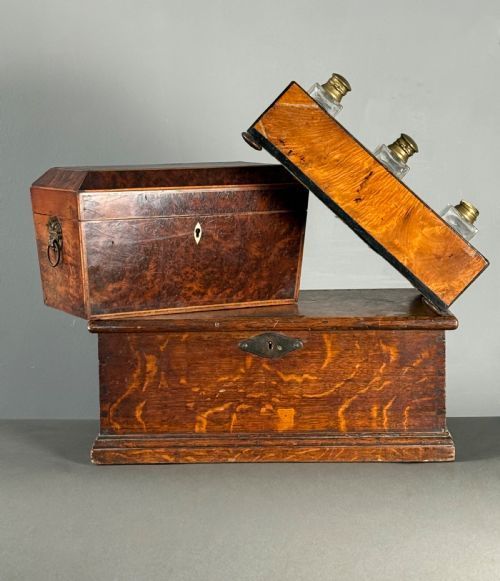
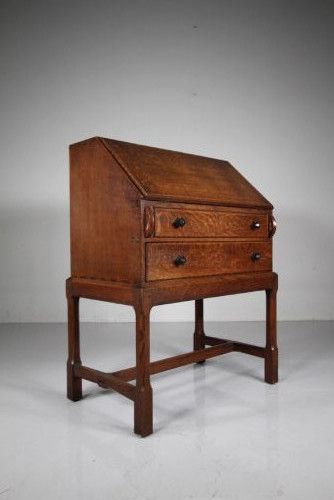
The pieces represented in this collection span the 17th century through the Edwardian period, alongside Georgian and Victorian examples. Bureau forms and compact desk boxes dominate the selection, often combining solid oak construction with internal compartments for inkwells and paper.
Materials and Construction
Cabinet makers utilised solid timber alongside oak veneers, mounting brass hinges, escutcheons, and carrying handles to withstand regular travel and daily use. Internal compartments frequently incorporate secondary timbers, leather inserts for writing surfaces, and glass inkwells.
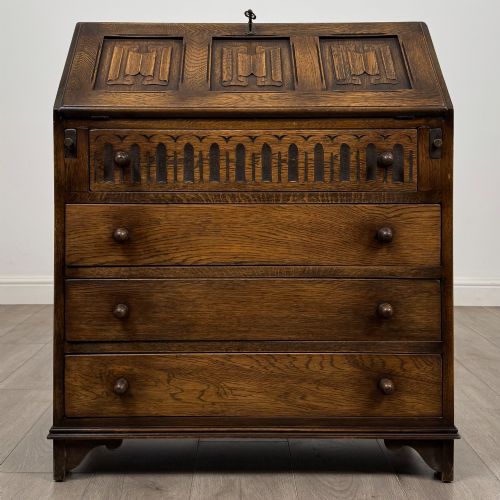
Construction techniques include dovetail joints on drawers and mortise and tenon frames on larger bureau bodies. Surfaces display carved linenfold motifs, simple moulded edges, or polished golden oak finishes depending on the prevailing style of the period.
Vintage Oak Writing Slope Retail Price Guide 2026
Typical asking prices for vintage oak writing slope among the pieces listed under this phrase on Sellingantiques today, from the lower quarter to the upper quarter. They describe what is for sale here now, not the wider market.
Some miniature campaign slopes come equipped with secret spring-loaded drawers that release only when you push a hidden interior wooden peg.
Differentiating Quality
Quality rests upon the crispness of the carpentry joints, the thickness of the timber, and the originality of the brass hardware and interior fittings. Pieces featuring fitted drawers with secret compartments and intact leather writing surfaces sit at the upper end of the scale.
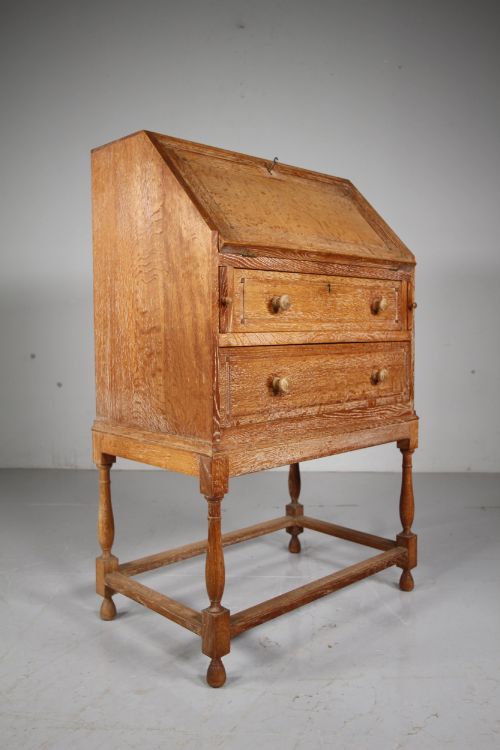
The sophistication of the internal layout distinguishes simpler utility boxes from superior examples with multiple pigeonholes and concealed drawers. Grain selection, particularly in golden oak or pollard oak variants, dictates the visual depth of the exterior.
Heals of London·Stanley Webb Davies
The Vintage Oak Writing Slope Glossary
- Writing slope
- A portable box with a slanted hinged lid that opens to reveal a writing surface and storage compartments. These items were designed for travel or use on a table.
- Bureau
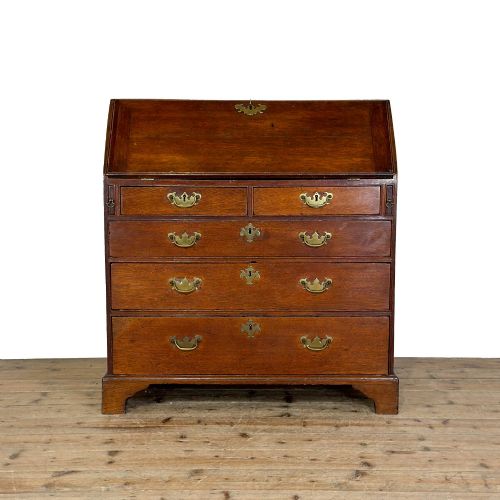
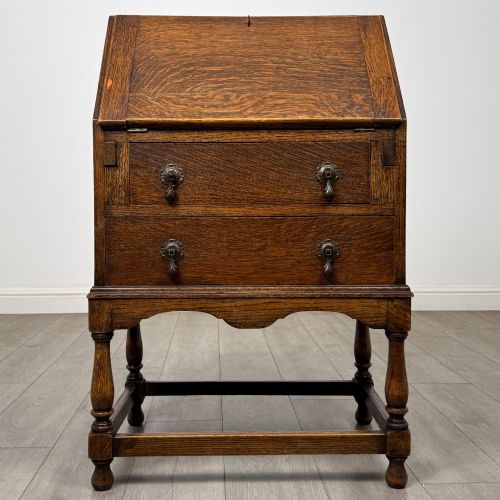
- A desk featuring a sloping fall-front that opens to enclose a fitted interior of pigeonholes and small drawers. Many examples stand on bracket feet or integrated table frames.
- Fall front
- A hinged writing flap that lowers from a vertical position to form a horizontal desk surface. This mechanism conceals the internal stationery compartments when closed.
- Linenfold
- A style of wood carving that mimics folded fabric, commonly seen on panels of Edwardian and Jacobean revival furniture. This decorative technique adds texture to flat wooden surfaces.
- Escutcheon
- A protective brass plate surrounding a keyhole. These fittings often match the hinges and side handles of the box.
Vintage Oak Writing Slope: Frequently Asked Questions
How were writing slopes used?
Writing slopes served as portable writing desks for travellers and home correspondence before the widespread availability of fitted study furniture. Users placed them on tabletops or on their laps to write letters and store documents.
Inside the hinged lid, compartments held inkwells, sanders, quill pens, and paper securely in place during transport. The sloping top provided an ergonomic angle for writing.
What is a fall-front bureau?
A fall-front bureau is a desk where the front panel hinges downward to create a flat writing surface. This design hides the interior pigeonholes and small drawers when not in use.
Such pieces range from compact Edwardian golden oak examples to substantial 18th-century forms. They combine storage capacity with a dedicated workspace.
How do I date an oak slope?
Dating relies on construction methods, handle styles, and secondary timbers used inside the drawers. Hand-cut dovetails and pegged joints usually indicate earlier 18th-century or 17th-century origins.
Later Victorian and Edwardian items often feature machine-sawn elements, brass hinges of standardised manufacture, and lighter golden oak finishes. Comparing the overall revival style to historical periods provides further context.
Where should I place it?
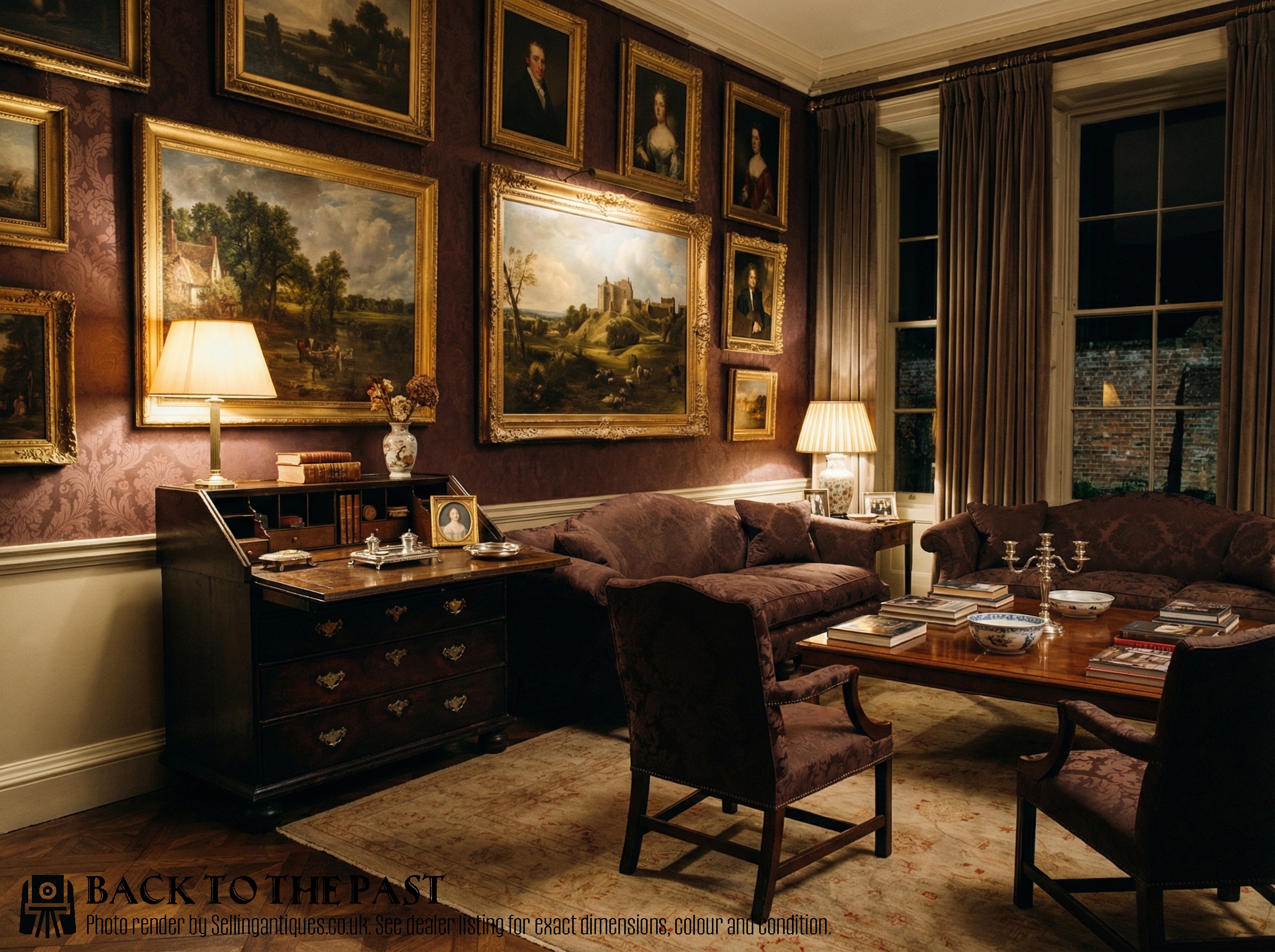
These pieces suit living rooms, studies, or hallways as display surfaces and functional storage units. Compact boxes sit easily on side tables, while full bureau desks function well against study walls.
Keeping them away from direct heat sources and sunlight protects the polished oak finish and leather inserts. Regular dusting preserves the timber grain.