


18th Century Dutch Pottery
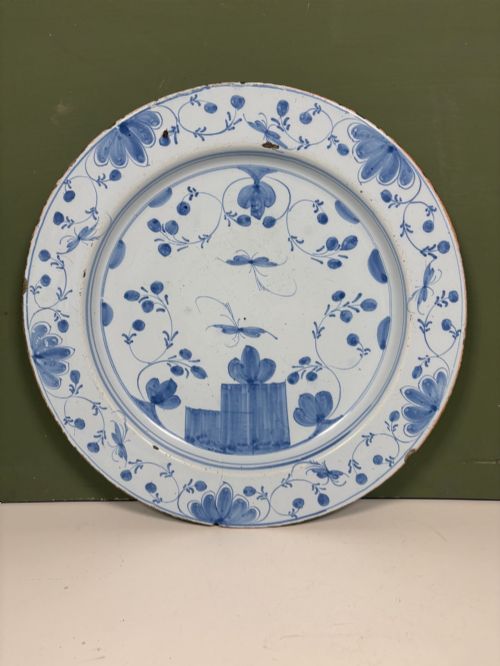
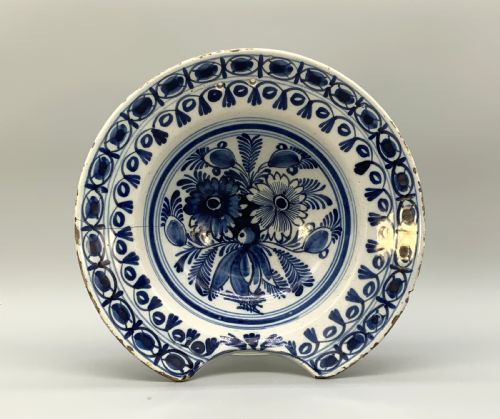
These pieces of 18th century dutch pottery bring hand-painted tin-glazed earthenware into a room, offering collectors bold cobalt blue designs and rich polychrome glazes.
18th Century Dutch Pottery
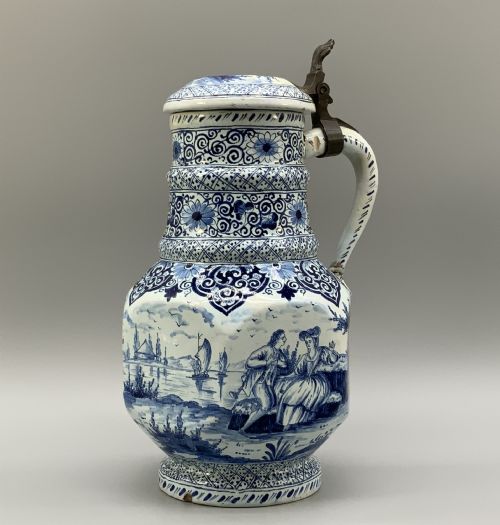
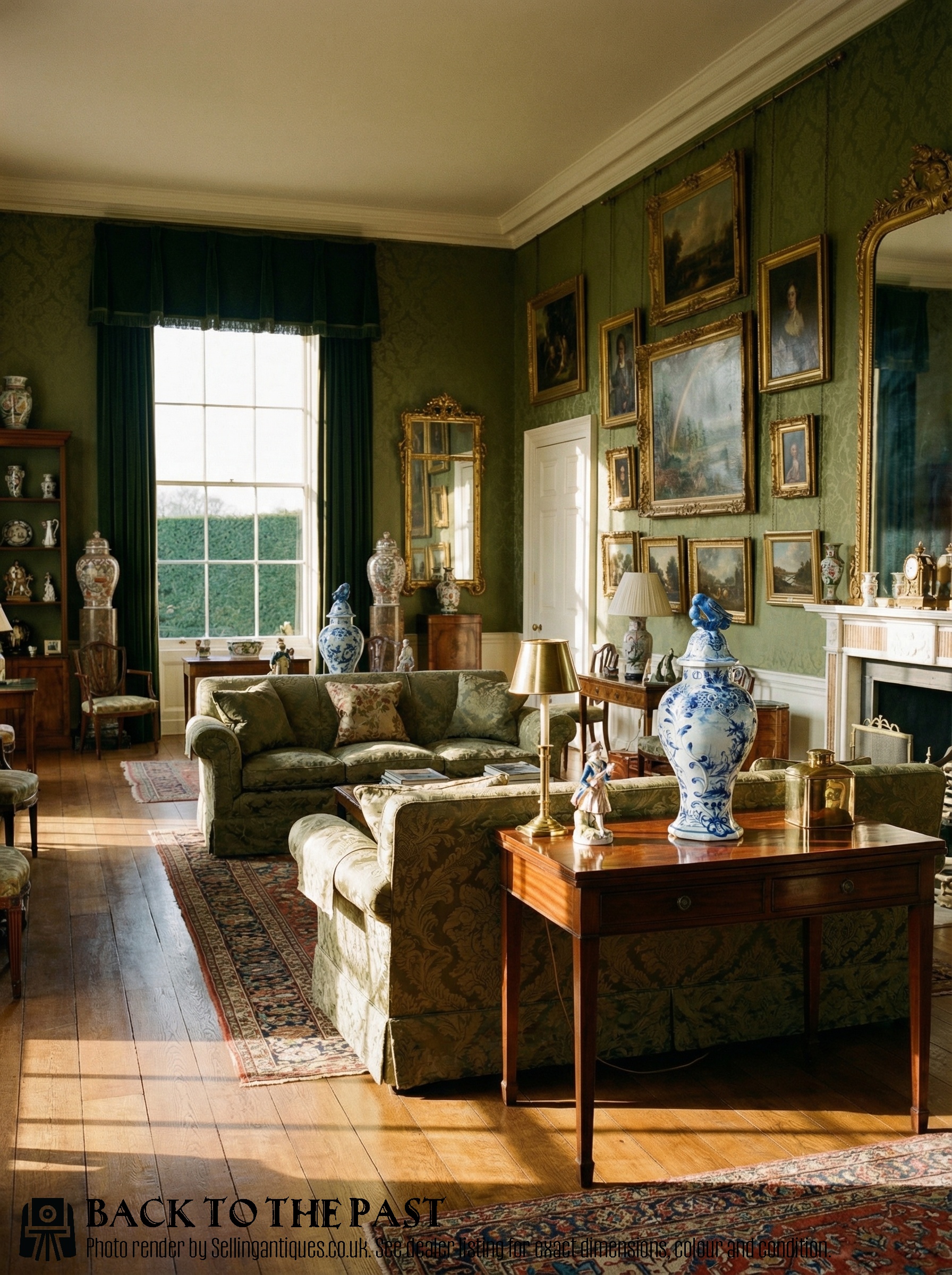
Every piece of 18th century dutch pottery originates from historic workshops producing tin-glazed earthenware vessels for domestic and decorative use. These items reflect a tradition deeply influenced by imported porcelain and local domestic needs.
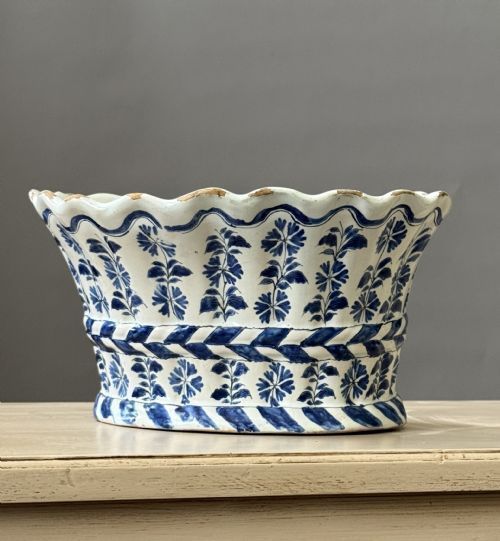
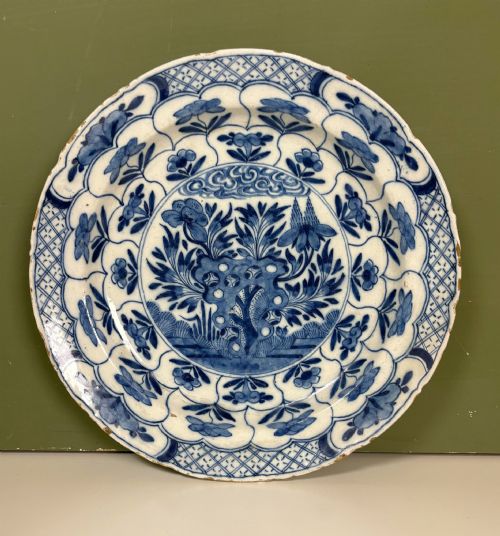
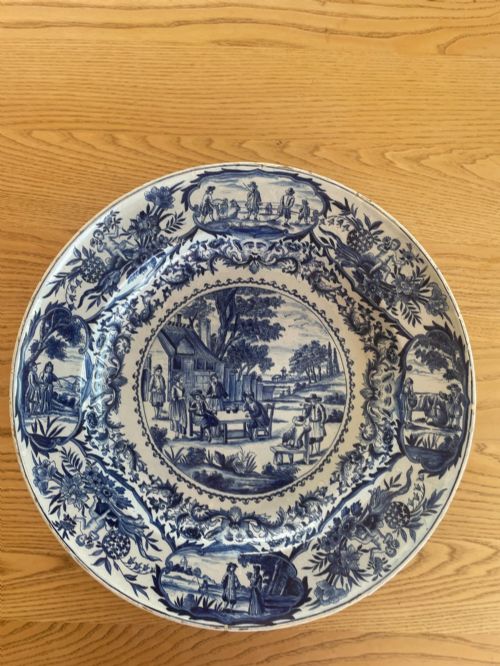
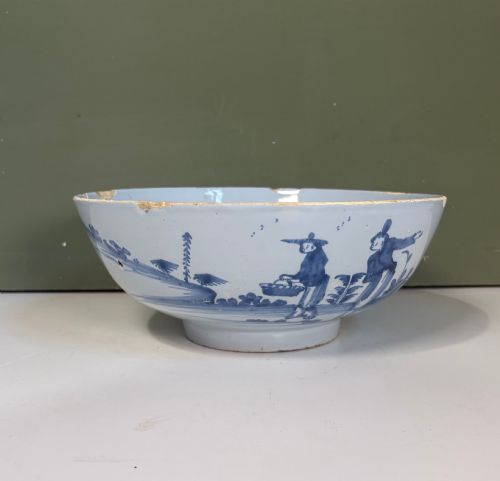
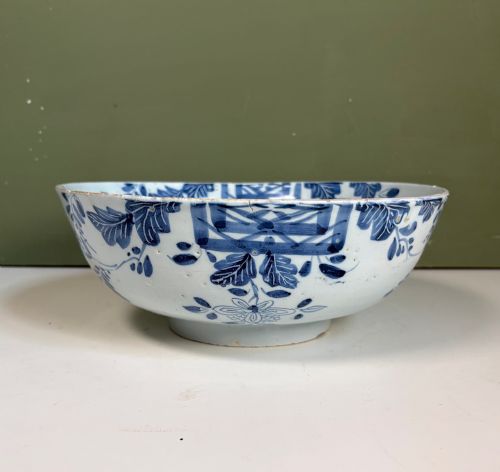
Buyers will most frequently encounter chargers, plates, and vases decorated in blue and white, alongside jugs, jars, and bowls. Chinoiserie motifs and floral patterns dominate the surface designs seen on this page.
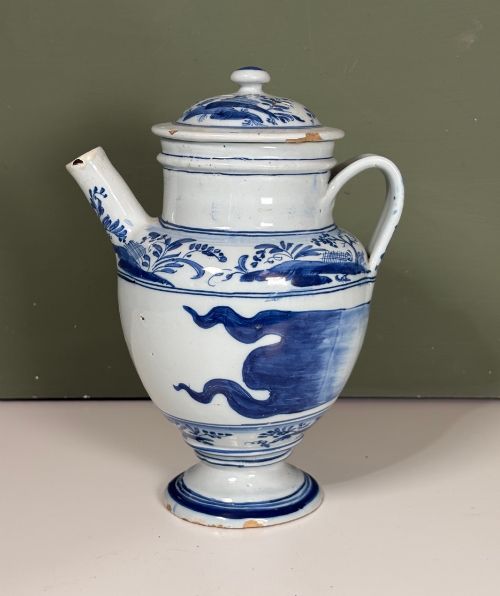
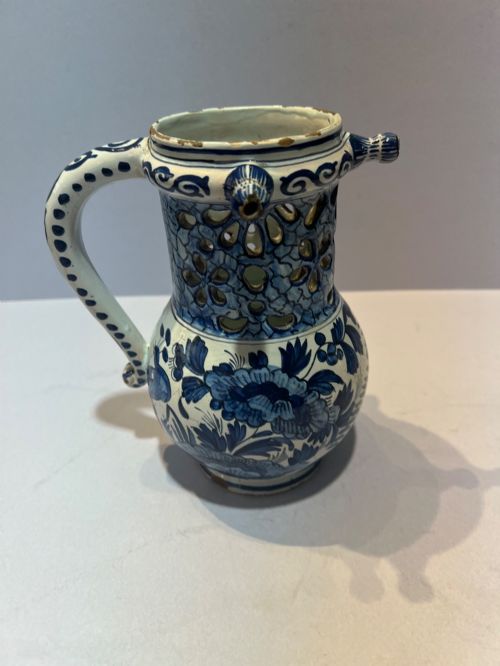
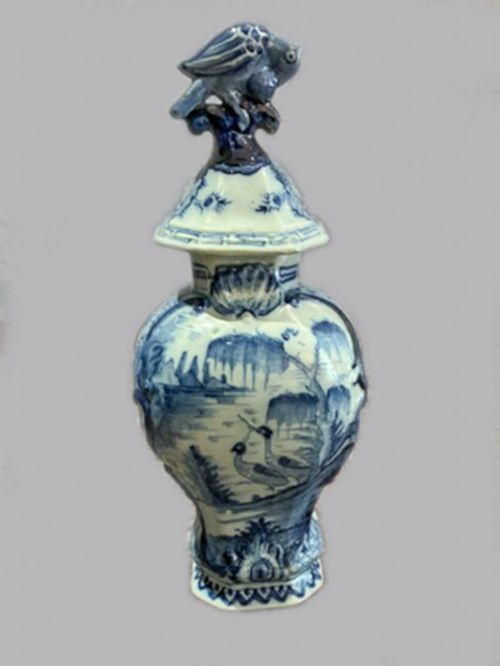
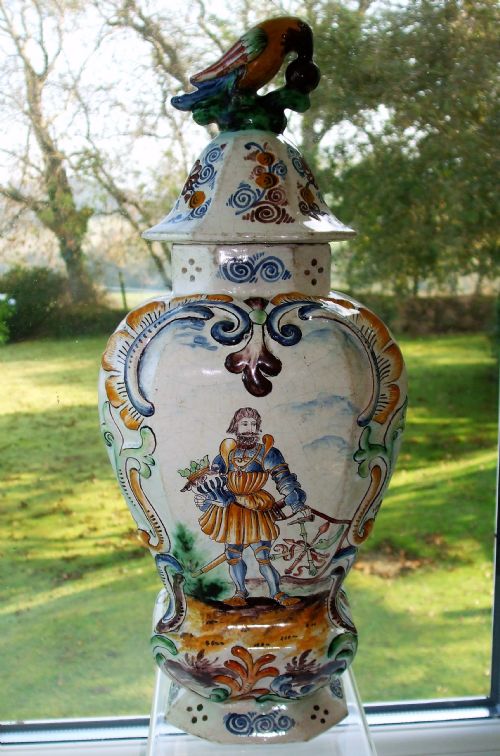
The selection ranges from simple plates and shallow bowls to elaborate apothecary jars, puzzle jugs, and lidded urns. Occasional figures and specialised vessels such as barber's bowls or posset pots appear among the offerings.
How They Were Made
Potters shaped the ceramic body from earthenware clay before coating the dry surface in an opaque white tin glaze. This tin-glaze layer provided a smooth ground for subsequent painting.
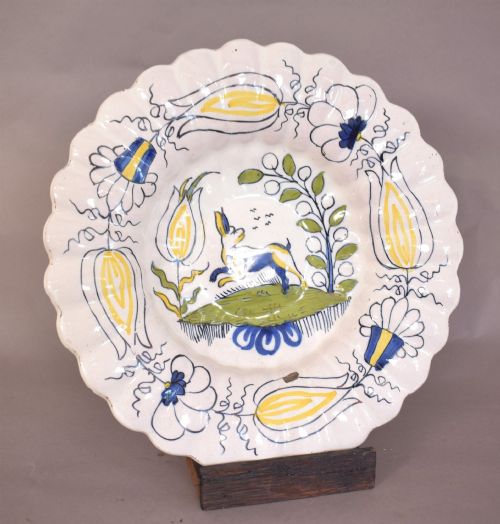
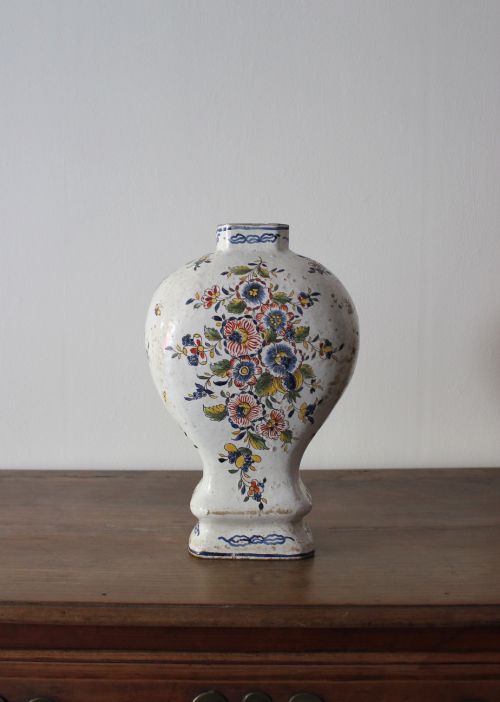
Painters applied cobalt pigment and manganese oxides directly onto the porous unfired glaze, allowing the mineral colours to absorb permanently during the kiln firing. Polychrome examples incorporated additional mineral pigments to achieve multi-coloured designs.
Grand feu techniques required high-temperature firing to fuse the metallic oxides into the glaze, resulting in robust surfaces with subtle variations in tone.
18th Century Dutch Pottery Retail Price Guide 2026
Typical asking prices for 18th century dutch pottery among the pieces listed under this phrase on Sellingantiques today, from the lower quarter to the upper quarter. They describe what is for sale here now, not the wider market.
Potters occasionally shaped ceramic monkeys into functional Toby jugs, adding a touch of eighteenth-century whimsy to the drinkware cabinet.
What Varies in Quality
The precision and fluidity of the hand-painted brushwork separate ordinary vessels from exceptional works. Master painters executed Chinoiserie scenes and floral sprays with confident, energetic strokes that command attention.
The density and brilliance of the tin glaze itself dictate the visual impact of the piece. A smooth, opaque white ground without excessive pitting provides the ideal canvas for cobalt pigment.
Form complexity and survival state influence desirability. Intact lids on jars, large chargers with minimal rim damage, and unusual functional objects like puzzle jugs represent the pinnacle of production.
3 BELLS Drie klokken Factory·Pieter Verburg
The 18th Century Dutch Pottery Glossary
- Tin-Glazed Earthenware
- Ceramic pottery coated with a lead glaze made opaque by the addition of tin oxide. This technique forms the foundation of traditional Delftware production.
- Cobalt Pigment
- A blue mineral colour applied beneath or directly onto the glaze before firing. It withstands high kiln temperatures without losing its intense hue.
- Charger
- A large decorative plate intended for display on a wall or sideboard rather than daily dining. These wide surfaces often display the most ambitious painted scenes.
- Chinoiserie
- European artistic interpretations of Chinese and East Asian decorative motifs. Potters rendered imaginary landscapes, pagodas, and figures in blue and white.
- Polychrome
- Decoration utilising multiple colours rather than a single pigment. Tin-glazed pieces achieved this through the application of various metal oxides.
18th Century Dutch Pottery: Frequently Asked Questions
How do I clean my pottery?
Dust tin-glazed earthenware gently with a dry, soft cloth to preserve the fragile glaze surface. Avoid immersing antique ceramics in water, as moisture can penetrate old earthenware bodies through existing hairline cracks.
Keep pieces away from direct sunlight and damp environments to protect the historic materials. Gentle handling ensures the delicate tin glaze remains stable for years to come.
Were these plates used daily?
Most large chargers and decorative plates served primarily as display items in wealthy households. Their soft earthenware bodies and tin glazes chipped easily during active kitchen use.
Smaller plates and bowls occasionally saw service at the table, but survival rates indicate many were prized ornaments. Everyday utilitarian items like jugs and apothecary jars experienced more robust practical deployment.
What is a puzzle jug?
A puzzle jug is a specialised drinking vessel featuring a perforated neck that prevents normal drinking. Users had to cover hidden holes in the handle or rim to draw liquid through the spout without spilling.
Potters created these amusing items for taverns and social gatherings to test the wits of guests. They remain celebrated examples of inventive ceramic design from the period.