


18th Century Dutch Earthenware
These pieces of 18th century dutch earthenware bring rich tin-glazed ceramic traditions to your room, valued for their hand-painted cobalt and polychrome details.
18th Century Dutch Earthenware
When you search for 18th century dutch earthenware, you encounter tin-glazed ceramic objects shaped for display, storage, and daily use. These domestic and decorative items reflect the thriving pottery traditions of the region during the 17th and 18th centuries. The listings here contain a broad assortment of forms designed for both utility and ornamentation in historical interiors.
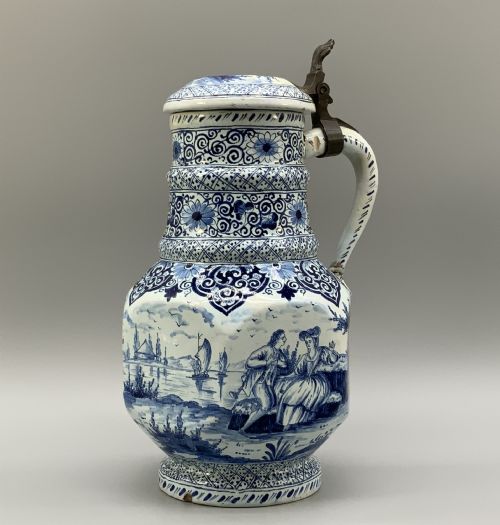
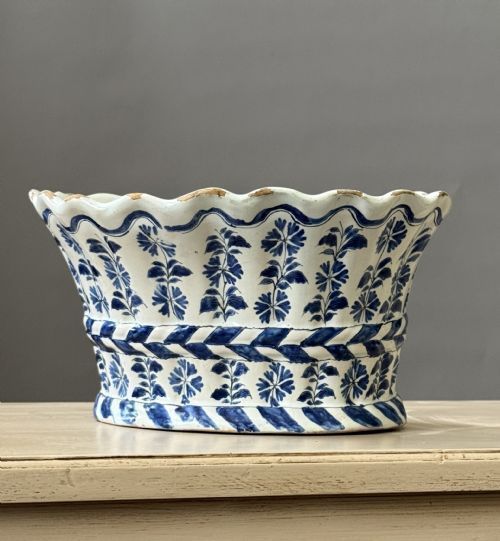
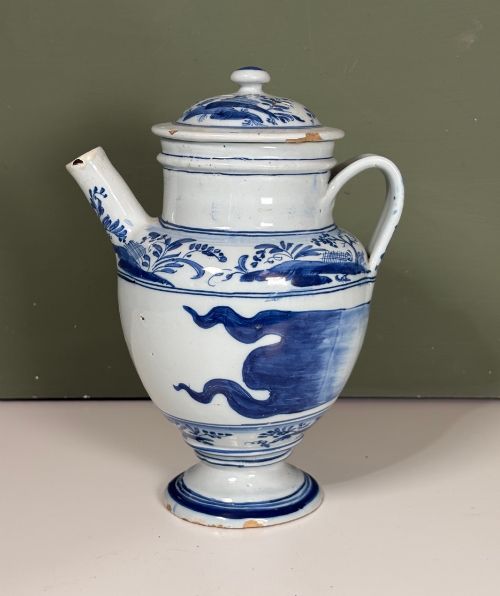
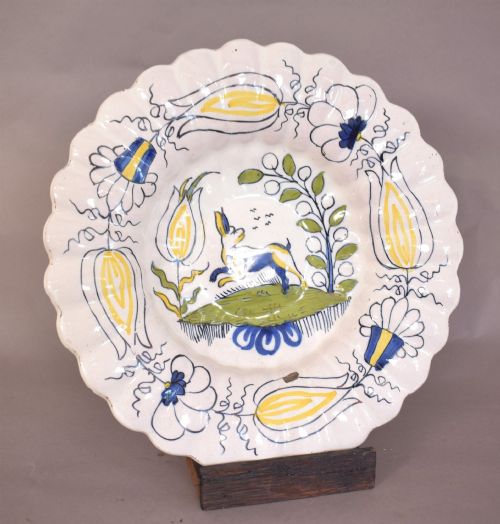
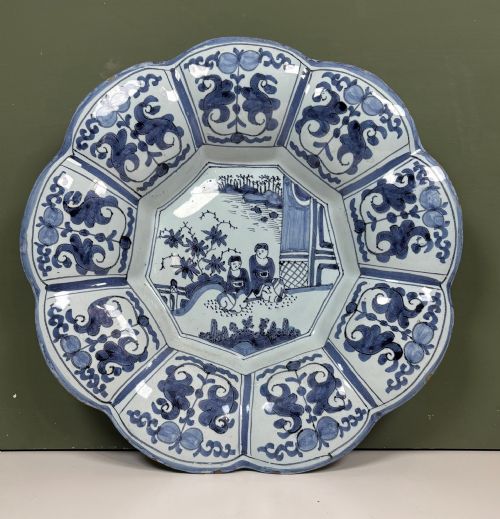
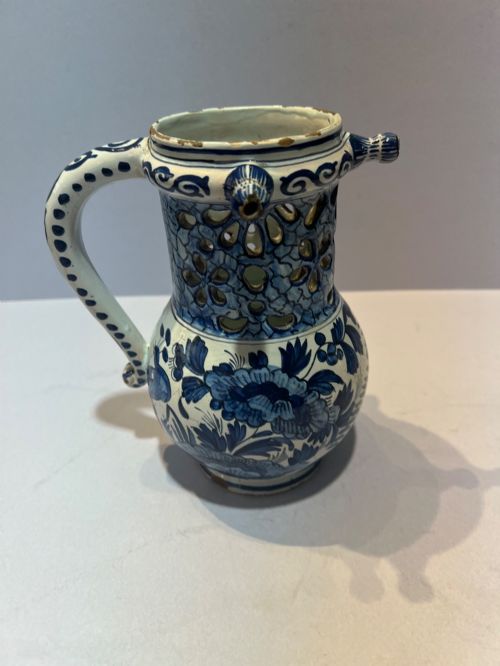
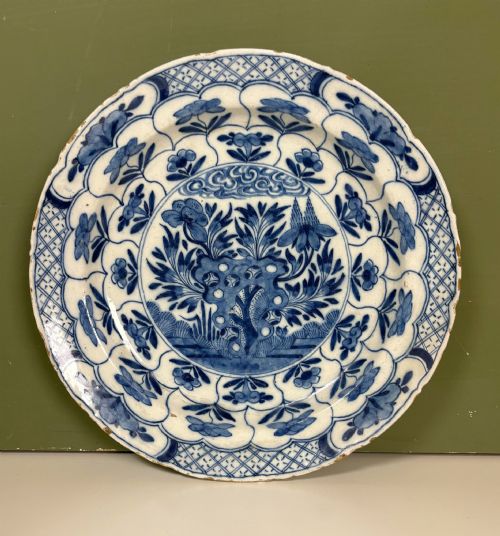
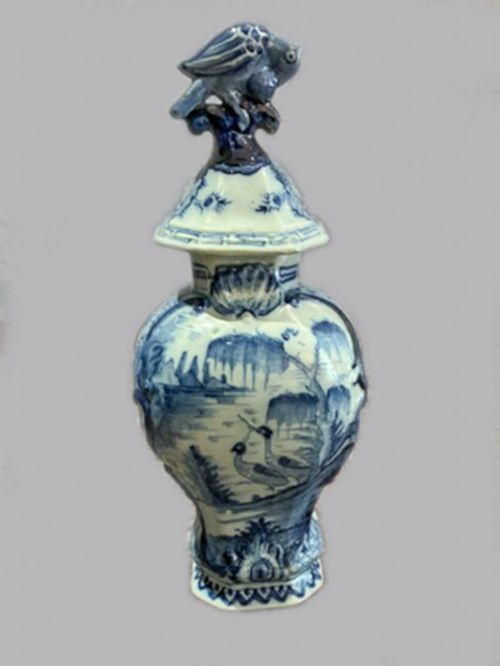
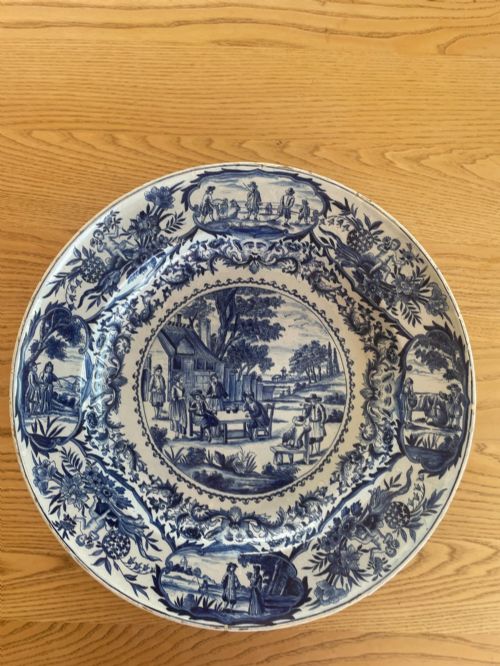
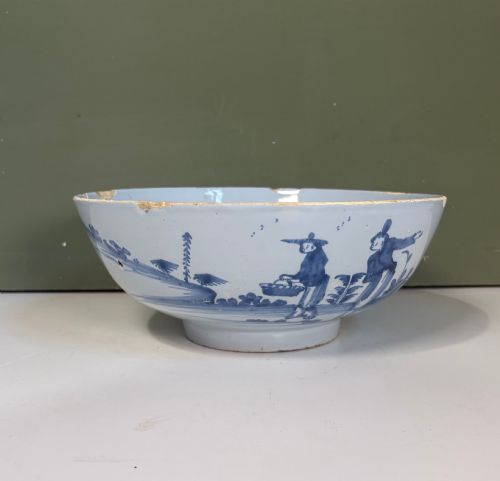
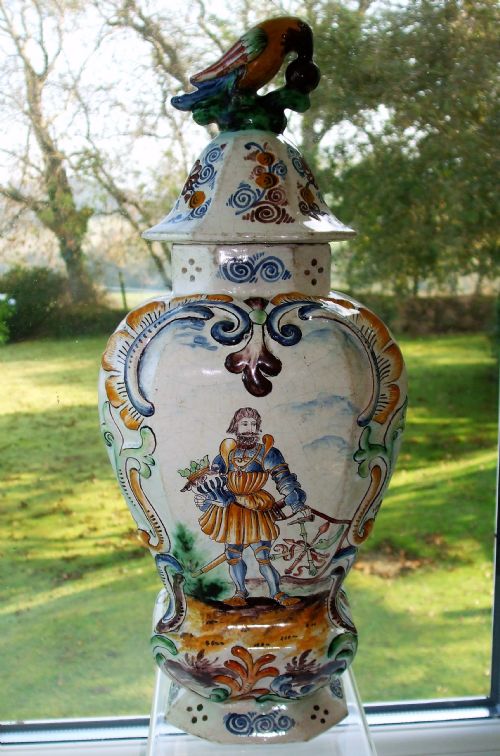
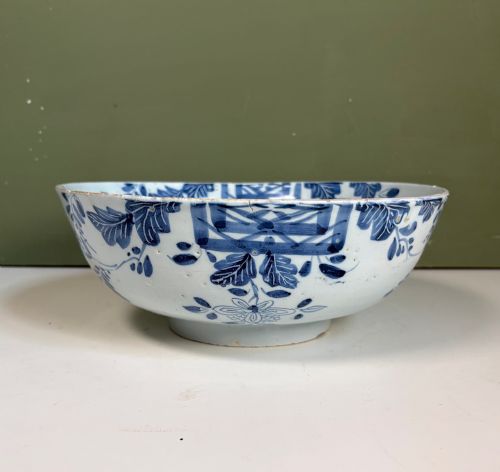
The most common items on this page are chargers, plates, and vases, alongside specialised vessels like jugs, bowls, and apothecary jars. Large charger plates and wall plaques provide expansive surfaces for narrative scenes and floral patterns, while hollowware items such as posset pots and bough pots show complex multi-piece construction. Every object carries the distinct aesthetic of Dutch Delftware and related European earthenware styles.
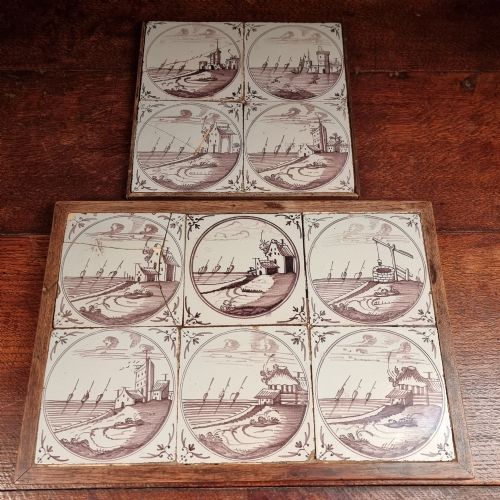
The selection ranges from simple blue and white domestic wares to grand polychrome garden urns and manganese-painted tiles. Pieces frequently span the 17th and 18th centuries, with occasional examples extending into the 19th century. Buyers looking for authentic period character will find that these ceramic items anchor a room with their historic palette and glaze texture.
How They Were Made
Potters built these vessels using earthenware clay, throwing forms on the wheel or pressing them into moulds before an initial bisque firing. Artisans then applied an opaque tin glaze that provided a smooth, white background for subsequent painting. Cobalt pigment and manganese oxide formed the basis for the characteristic blue and purple-brown designs applied directly to the raw glaze.
Many items received a final transparent lead glaze known as a grand feu finish before entering the kiln for high-temperature firing. This process fused the pigments into the tin layer, creating the glossy surface seen on chargers and vases. Certain pieces incorporated auxiliary materials such as pewter lids on jugs to complete the functional design.
Puzzle jugs challenge drinkers to consume liquids without spilling through hidden spouts, proving that 18th century diners enjoyed a playful test of coordination.
What Varies in Quality
The sophistication of the painted decoration distinguishes simpler domestic objects from masterworks of the period. Precision in brushwork, depth of cobalt or manganese tones, and the complexity of polychrome or chinoiserie motifs elevate an individual charger or vase. Pieces featuring detailed narrative scenes, such as plaques or marriage plates, typically represent higher artistic ambition.
Scale and form complexity also define the upper tier of these ceramics. Large garden urns, lidded posset pots, and figural candlesticks demand advanced forming skills and stable kiln placement. The survival of original matching covers on jars and vases preserves the intended silhouette and completeness of the piece.
The 18th Century Dutch Earthenware Glossary
- Tin-Glazed Earthenware
- Pottery covered with a glaze made opaque by the addition of tin oxide. This white surface served as the canvas for painted decoration before final firing.
- Charger
- A large decorative plate intended for wall display on sideboards rather than dining use. These wide surfaces often display elaborate floral or pictorial designs.
- Polychrome
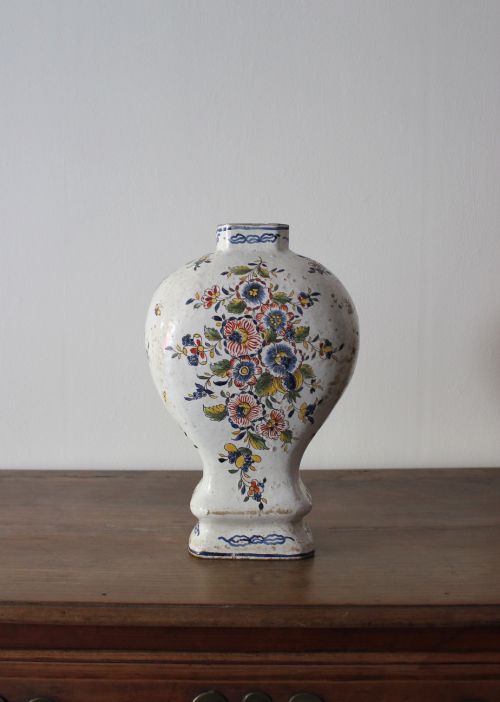
- Decoration employing multiple colours beyond standard blue and white. Dutch potters used these varied pigments to create vibrant floral and geometric compositions.
- Bough Pot
- A specialised vessel designed to hold cut branches or flowers. These items often feature multiple spouts or perforated lids.
- Manganese
- A metallic oxide pigment used to produce purple, brown, or reddish-brown tones in ceramic decoration. It appears frequently on tiles and chargers from this era.
18th Century Dutch Earthenware: Frequently Asked Questions
How were these ceramic vessels used?
Many of these pieces served practical domestic functions, including storing dry goods in apothecary jars, serving liquids from jugs, or holding water in planters and vases. Large chargers and decorative plates were primarily hung on walls or displayed on dressers to show off artistic skill.
Other forms had specific social uses, such as posset pots for celebratory drinks or puzzle jugs meant as entertaining tavern novelties. Over time, their role shifted toward pure decorative display as surviving examples entered collections.
What is Dutch Delftware?
Dutch Delftware refers to tin-glazed earthenware produced in the Netherlands, particularly around the city of Delft, inspired by imported Chinese porcelain. Potters combined local clay methods with white tin glazes and blue painted designs to mimic Asian luxury goods.
As production evolved, local workshops expanded beyond blue and white to include manganese and polychrome palettes. These wares became famous across Europe for their distinctive glaze and varied domestic forms.
How do I care for 18th century earthenware?
These ceramic pieces require gentle handling due to the fragile nature of historic tin glazes. Keep them away from high-moisture areas and direct sources of heat that might stress the body or glaze.
Dust them lightly with a soft, dry cloth rather than using liquid cleaners or soaking them in water. Proper placement on stable surfaces prevents accidental knocks to handles, lids, and delicate spouts.
How can I tell different periods apart?
Dating these ceramics involves examining the stylistic shifts in painting, palette, and form construction. Earlier pieces from the 17th century often lean toward stark blue and white chinoiserie motifs, while 18th century examples introduce richer polychrome and manganese tones.
Form styles also provide clues, as heavy baroque chargers give way to lighter decorative plates and specialised vessels over the course of the 1700s. Comparing glaze thickness and base characteristics helps contextualise the manufacturing era.