

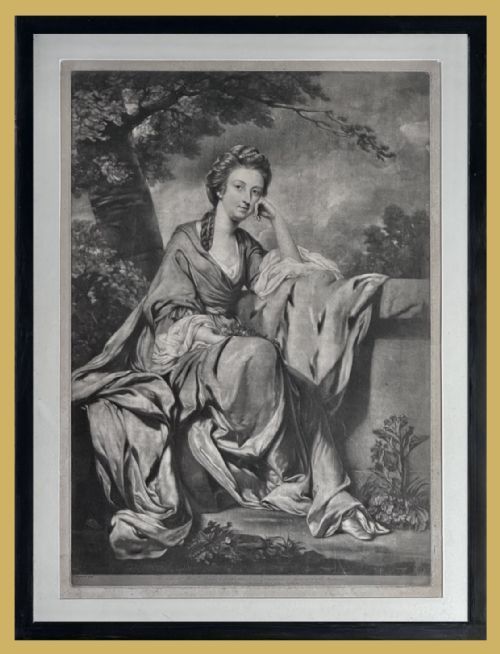
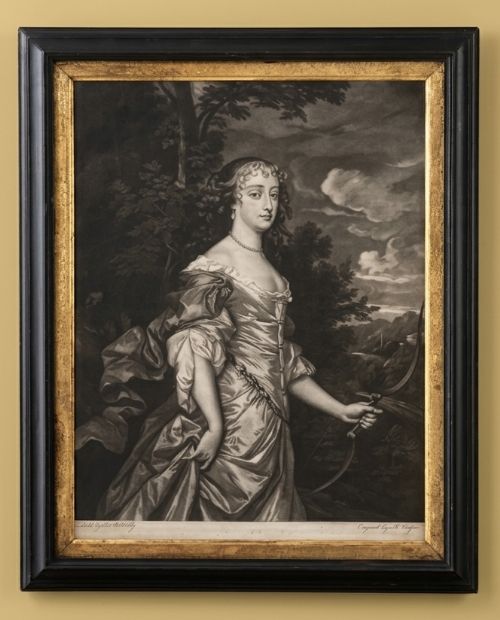
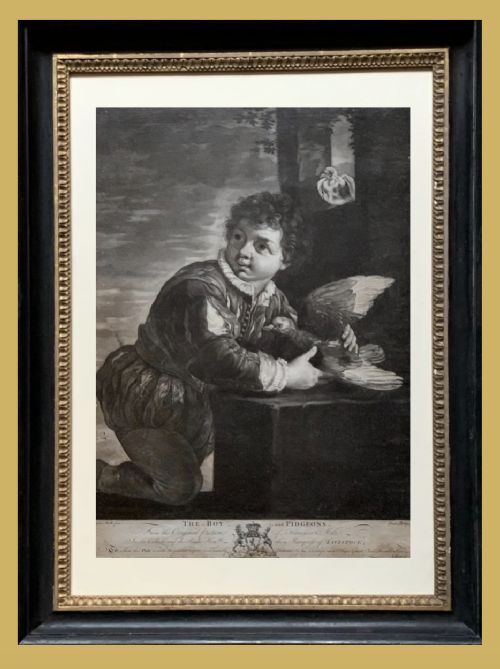
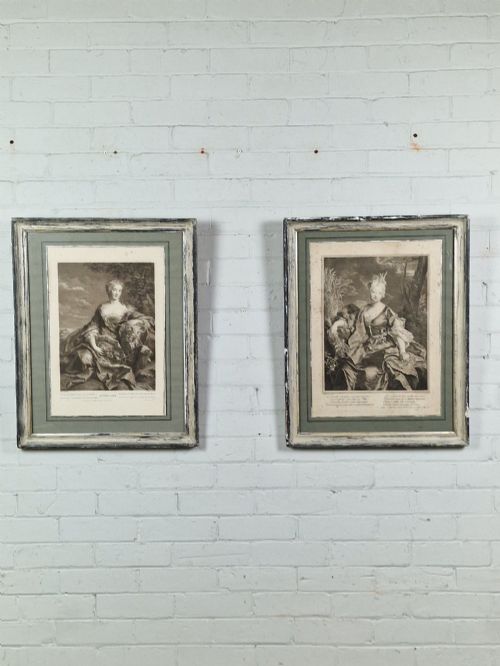

18th Century Copperplate Engraving
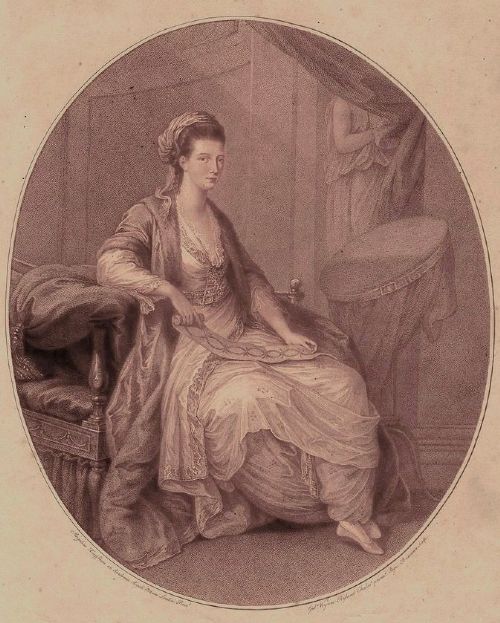
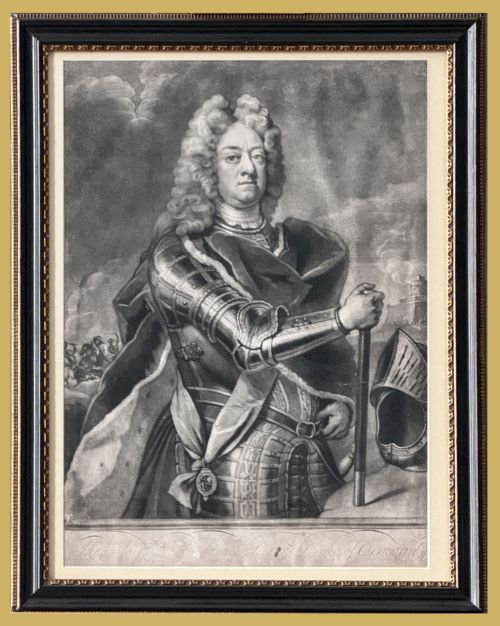
When searching for an 18th century copperplate engraving, a collector seeks detailed works on paper recording portraits, maps and scenes from the Georgian era.
18th Century Copperplate Engraving
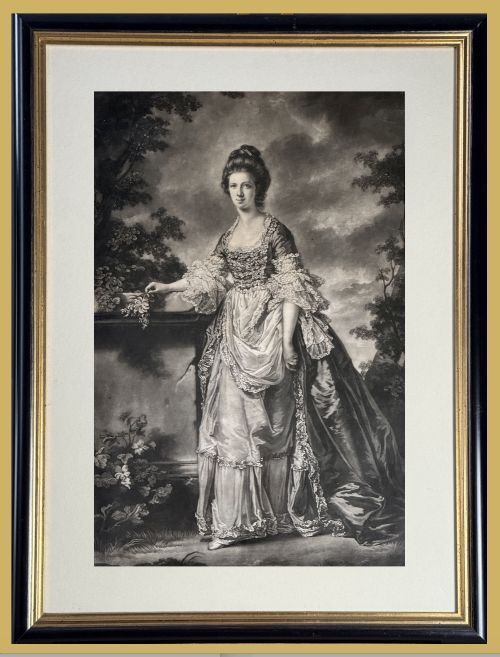
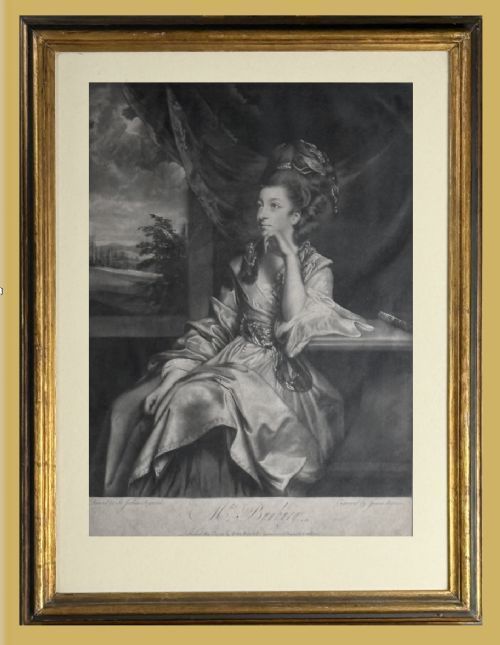
The 18th century copperplate engraving selection covers framed wall art, maps, and portrait prints executed during the Georgian period.
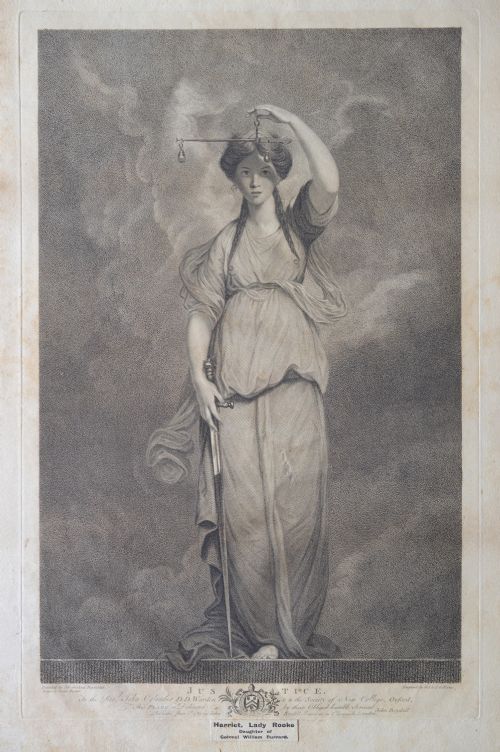
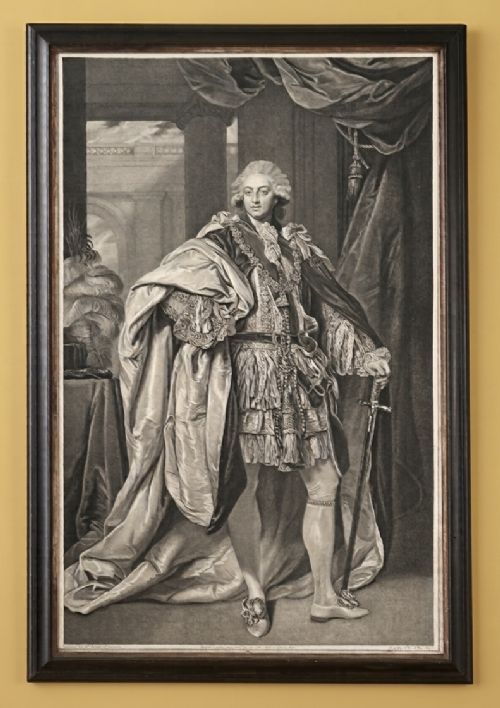
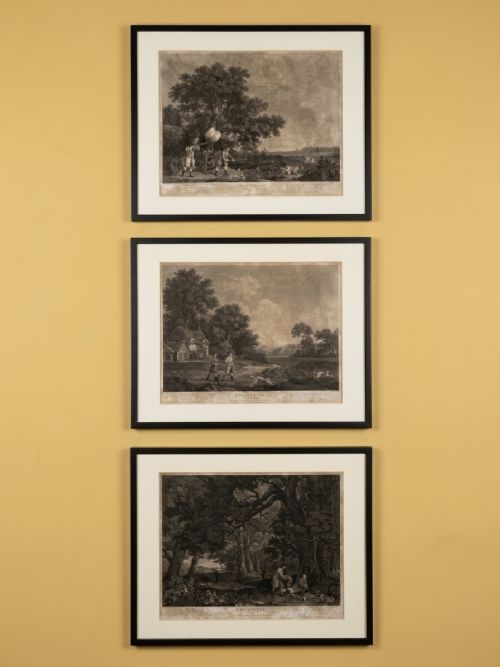
Most pieces encountered on this page originate from British and French workshops, depicting historical figures, landscapes, and allegorical subjects.
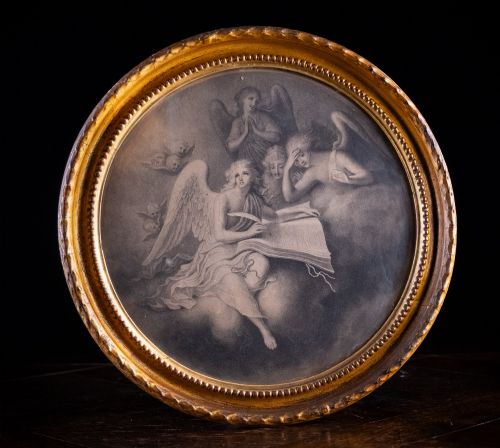
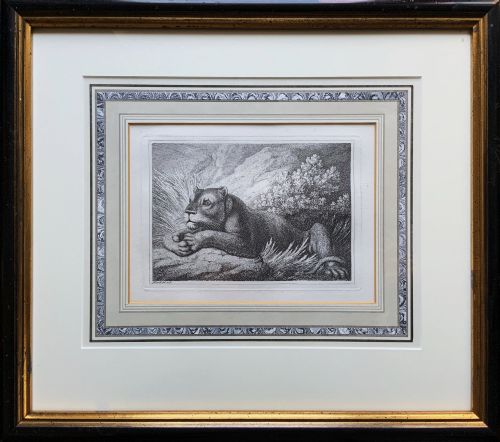
These works function primarily as wall art, preserved within period frames ranging from plain wood to gilt mouldings.
Materials and production
Makers utilised copper plates inscribed with sharp tools or etched with acid, applying dark ink to transfer images onto laid or woven paper.
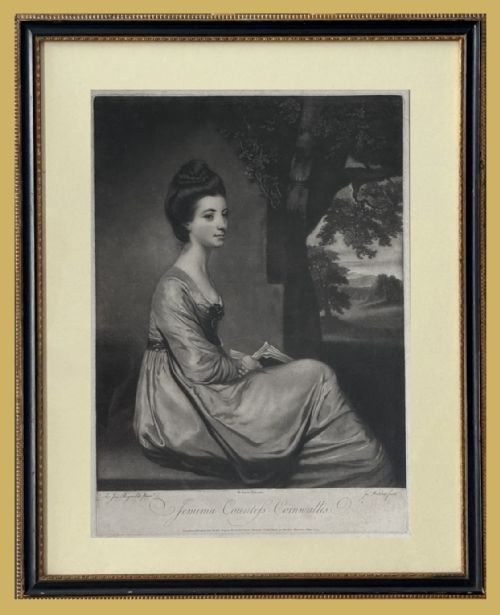
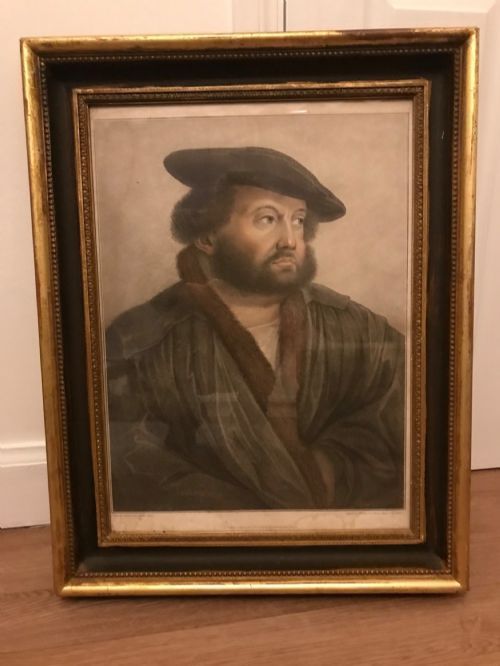
Certain examples feature original hand colouring applied with watercolour washes over the monochrome lines, while others rely entirely on tonal ink gradations like mezzotint.
Framing materials incorporate glass, gold leaf, and gilt wood to protect the delicate paper surfaces from atmospheric damage.
18th Century Copperplate Engraving Retail Price Guide 2026
Typical asking prices for 18th century copperplate engraving among the pieces listed under this phrase on Sellingantiques today, from the lower quarter to the upper quarter. They describe what is for sale here now, not the wider market.
Among the portraits and maps, a lone anatomical skeleton print shares space with detailed engravings of pigeons.
Factors determining quality
The crispness of the impression dictates the success of the piece, as plates worn down from numerous printings yield softer, less defined lines.
The collaboration between the original artist and the master engraver influences the artistic merit, alongside the precision of any subsequent hand colouring.
John Simon·John Boydell·James Watson·Edward Fisher·Francesco Bartolozzi·John Smith·François-Nicolas Martinet·Valentine Green·Andrew Bell·John Faber Snr·James Heath·Thomas Watson·James Macardell·Jacobus Howbraken·James Ward·Étienne Baudet·Demarteau·Ridinger·Luke Sullivan·Robert Sayer
The 18th Century Copperplate Engraving Glossary
- Copperplate engraving
- A intaglio printmaking process where an image is cut into a copper sheet using a burin before ink is forced into the grooves for printing.
- Mezzotint
- A printmaking method that achieves rich tonal variations by roughening the copper plate evenly and smoothing areas to create lighter passages.
- Etching
- A technique where lines are bitten into metal using acid rather than direct cutting tools.
- Laid paper
- Handmade paper showing a grid of fine parallel lines and wider spacing lines when held to the light.
- Cartography
- The scientific and artistic practice of map-making, frequently represented in this category by engraved regional and global charts.
18th Century Copperplate Engraving: Frequently Asked Questions
What is an 18th century copperplate engraving?
It is a printed image transferred from a metal plate carved during the 1700s, often depicting notable historical figures or decorative subjects.
These works provide a direct window into the visual culture and portraiture of the Georgian era.
How do you identify a mezzotint?
A mezzotint displays deep velvety blacks and subtle tonal gradations rather than hard outline lines.
This technique creates atmospheric portraits with smooth shadows instead of cross-hatched lines.
Were these prints originally coloured?
Some engravings received hand colouring with watercolours shortly after printing to enhance the visual appeal of subjects like birds or maps.
Monochrome impressions left in black or sepia ink remain equally common across the period.
How should I frame and display them?
These works require framing behind glass with acid-free mounts to prevent paper degradation and fading from light exposure.
Keeping them away from direct sunlight preserves both the paper support and any applied watercolour pigments.