




18th Century Chinese Plate
These porcelain plates carry the distant trade of empires into the quiet corners of modern rooms.
18th Century Chinese Plate
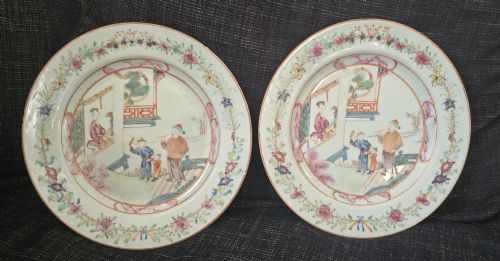
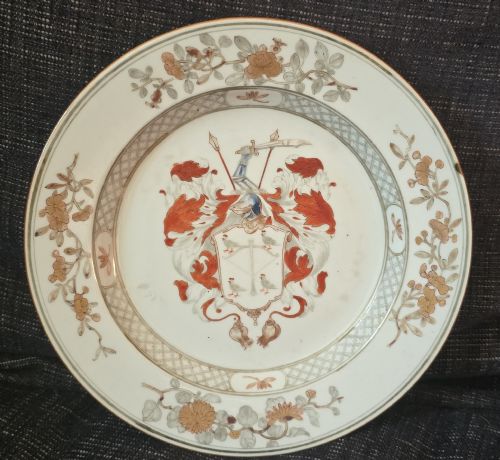
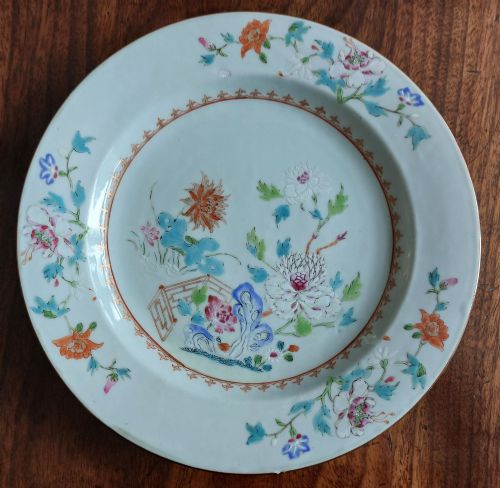
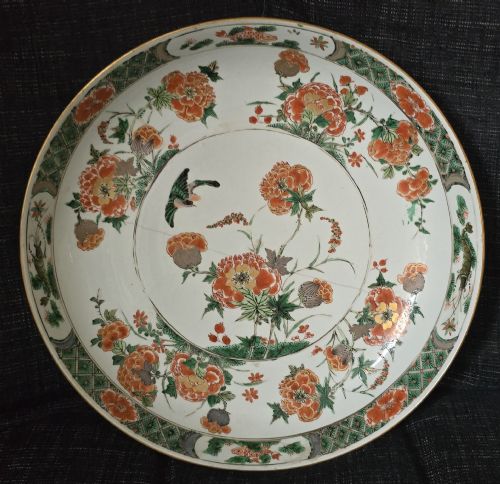
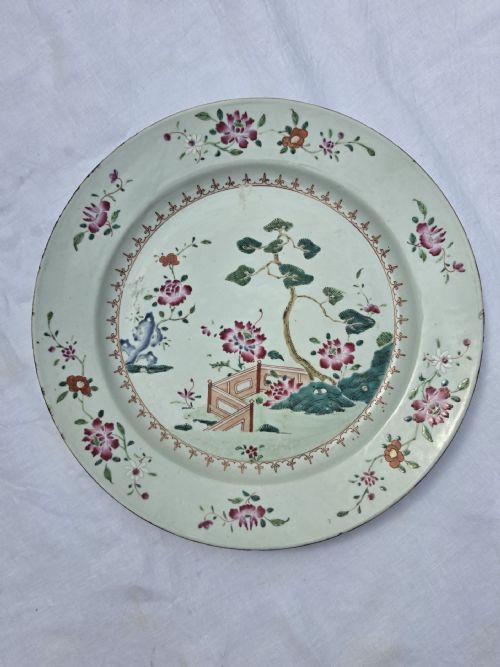
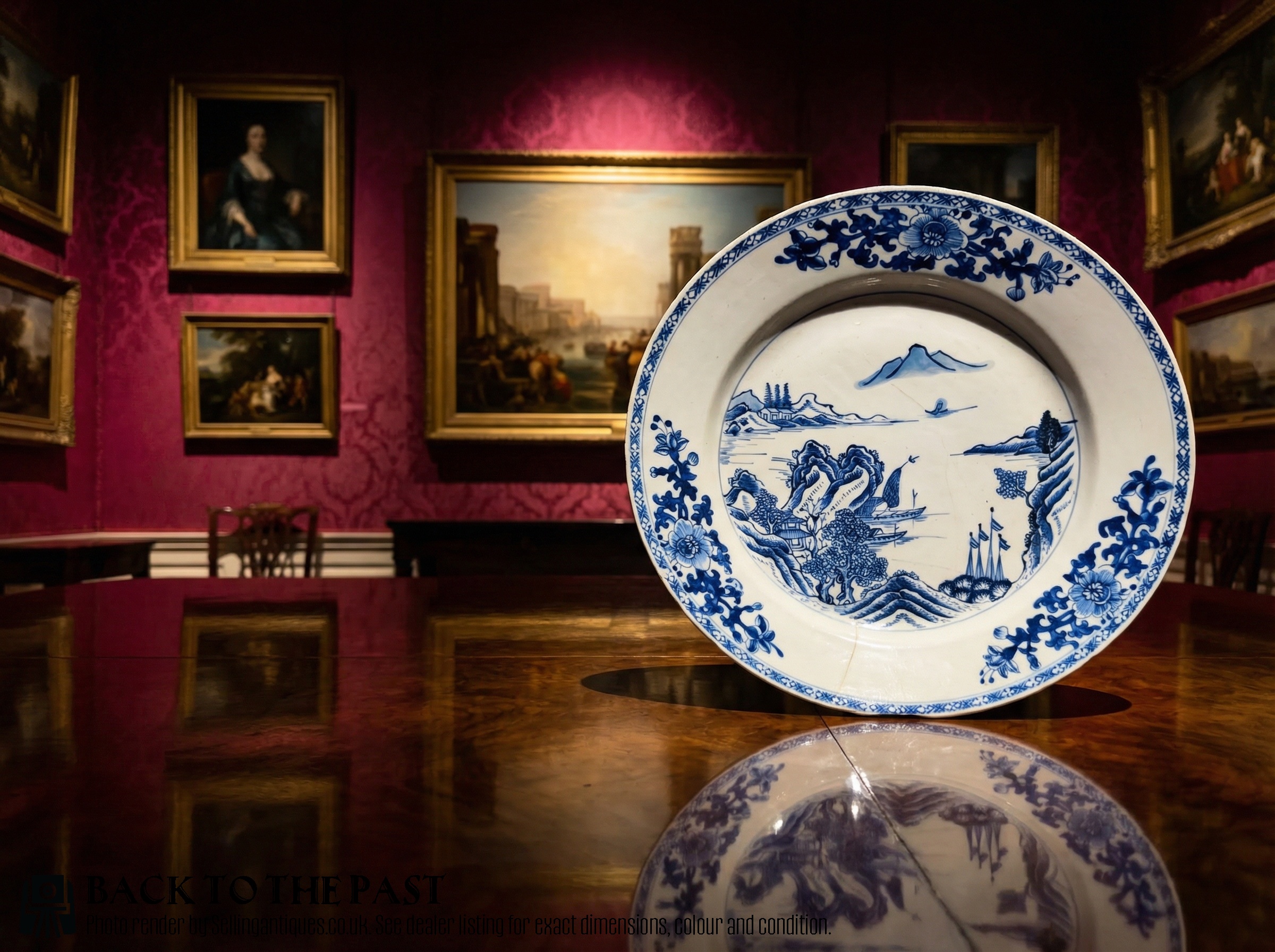
An 18th century chinese plate represents the height of global trade and domestic display during the Qing dynasty and the Qianlong period. Buyers encounter porcelain painted with blue and white cobalt, vibrant famille rose enamels, and intricate armorial crests commissioned by European families. These ceramics served both functional dining purposes and decorative display in grand houses.
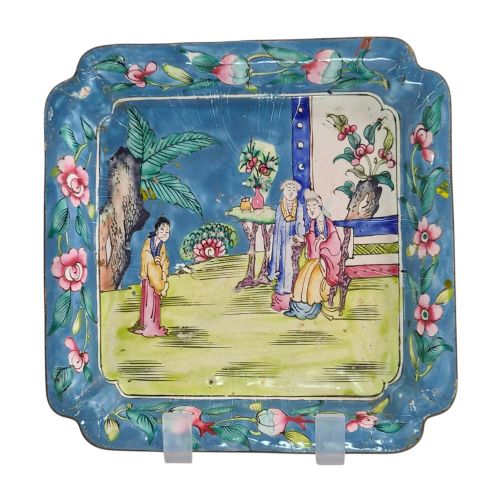
The varieties span standard round dishes, octagonal soup plates, large chargers, and smaller tea services with matching saucers. Pieces frequently display Chinese export designs tailored for Western markets alongside European interpretations of oriental styles like chinoiserie. The selection ranges from robust blue and white wares to delicate enamelled scenes depicting birds, florals, and figural narratives.
Materials and Technique
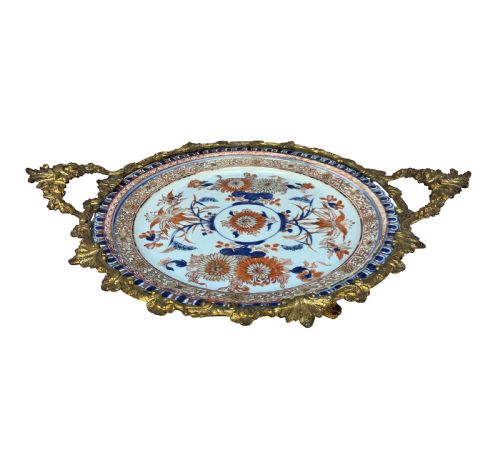
Potters shaped these objects from hard-paste porcelain and earthenware, applying precise underglaze blue and overglaze enamel colours. Artisans utilised gold leaf accents and copper mounts to frame ceramic bodies, particularly in pieces styled with ormolu during later European adaptations.
Techniques relied on high-temperature kilns to fuse glaze and pigment, achieving the bright white ground and glossy finish characteristic of the period. Pigments applied in the famille rose and Mandarin palettes required multiple firings to fix the delicate pinks, greens, and iron-reds onto the hardened surface.
18th Century Chinese Plate Retail Price Guide 2026
Typical asking prices for 18th century chinese plate among the pieces listed under this phrase on Sellingantiques today, from the lower quarter to the upper quarter. They describe what is for sale here now, not the wider market.
Current listings feature pieces spanning the 18th century, Georgian period, and 19th century, utilising hard-paste porcelain, enamel, and gold leaf.
Markers of Distinction
Distinction rests on the precision of the hand-painted brushwork and the complexity of the subject matter, such as detailed armorial crests or narrative figural scenes. Simpler blue and white patterns contrast with heavily enamelled polychrome surfaces that demand greater artistic skill from the painter.
The crispness of the porcelain body and the preservation of the overglaze enamels and gilding separate standard utility wares from exceptional display pieces. Additional mounts like French ormolu elevate certain plates into decorative art objects.
The 18th Century Chinese Plate Glossary
- Famille Rose
- A palette of opaque overglaze enamels dominated by pink or rose colours, introduced during the Qing dynasty. This technique allowed painters to render complex floral and figural compositions with subtle tonal gradations.
- Chinese Export
- Porcelain manufactured in China specifically for the European and American markets. These objects often combined traditional Eastern forms with Western heraldry or domestic tastes.
- Armorial
- A ceramic decorated with a specific European family coat of arms or crest. Wealthy patrons commissioned these bespoke services directly from kilns in China.
- Chinoiserie
- The European interpretation and imitation of Chinese and East Asian artistic traditions. This style influenced domestic English pottery and decorative arts throughout the georgian era.
- Imari
- A style of ceramic decoration featuring a contrasting palette of underglaze blue, iron-red, and gilt. The aesthetic originated in Japan but was widely adopted by Chinese kilns for export.
18th Century Chinese Plate: Frequently Asked Questions
How do I date an 18th century chinese plate?
Dating relies on stylistic markers, reign periods such as the Qianlong era, and the specific palette utilised by the artist. Cobalt blue underglaze and famille rose enamels often point to precise decades within the seventeen-hundreds.
Material characteristics like hard-paste porcelain body weight and glaze texture further help distinguish these antique ceramics from later nineteenth-century reproductions.
Can I use these plates for dining?
Most buyers treat these antique ceramics as decorative display items rather than functional tableware. The delicate overglaze enamels and historic porcelain bodies risk wear from modern cutlery and dishwashers.
Gentle hand washing is necessary if used occasionally for display or light serving purposes to preserve the original surface decoration.
What is Chinese export porcelain?
Chinese export porcelain refers to wares made in China expressly for export to Western buyers. These pieces frequently incorporated European motifs, shapes, and armorial crests alongside traditional oriental designs.
Kilns adapted their output to satisfy the growing European demand for exotic dining and tea services during the eighteenth century.
How do I display an antique plate safely?
Displaying these items securely involves using padded wall hangers or stable plate stands designed for heavy porcelain and chargers. Ensuring the mount distributes weight evenly prevents pressure fractures on the rim.
Placing them away from direct sunlight and high-traffic areas protects the delicate enamels and gold leaf details from accidental damage.