


18th Century Blue White
These pieces gather under 18th century blue white, bringing together tin-glazed earthenware, porcelain, and pottery painted in cobalt pigment.
18th Century Blue White
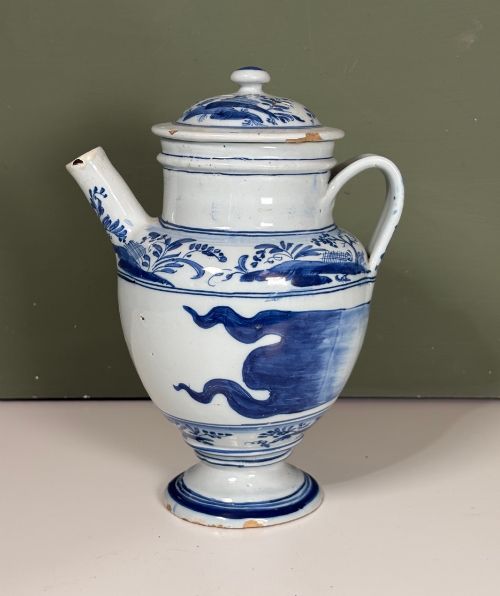
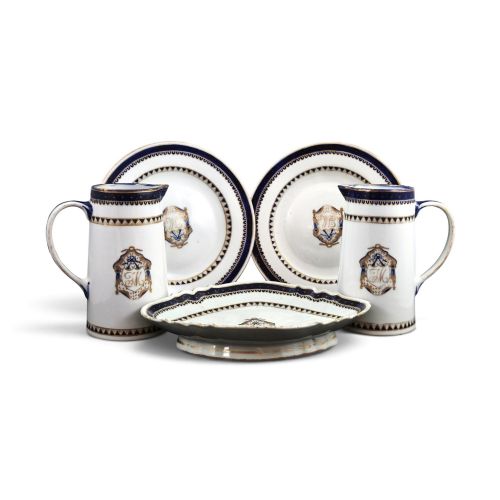
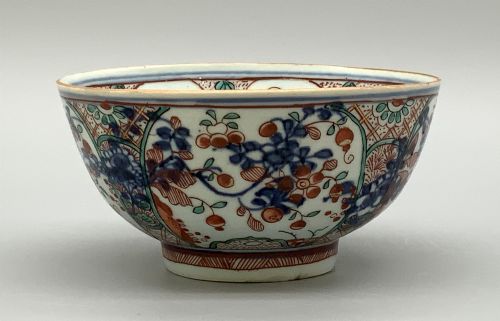
Collectors seeking 18th century blue white find objects spanning utilitarian vessels and ornamental ware created across Europe and Asia. The selection relies heavily on chargers, plates, bowls, and apothecary jars originating from English, Dutch, and Chinese kilns.
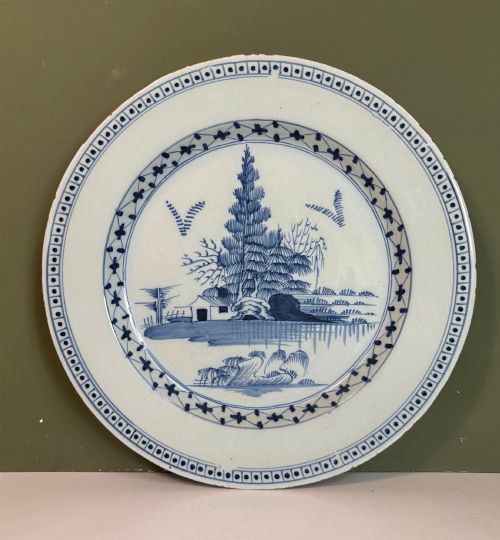
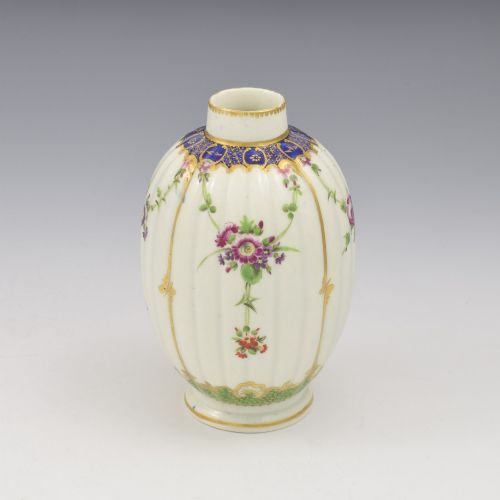
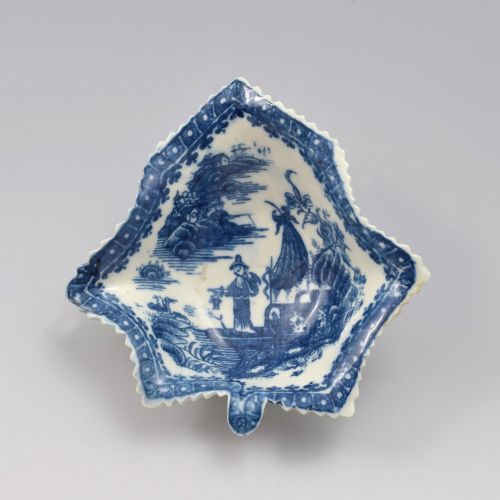
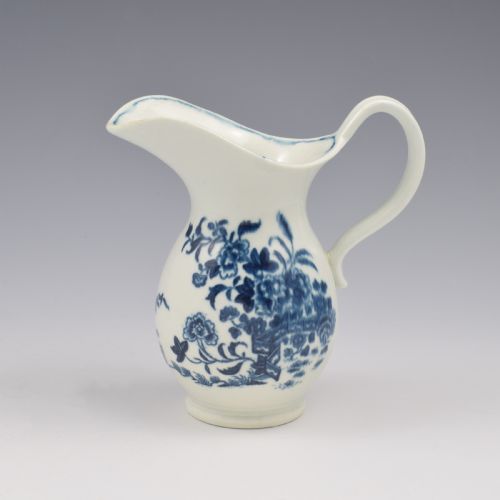
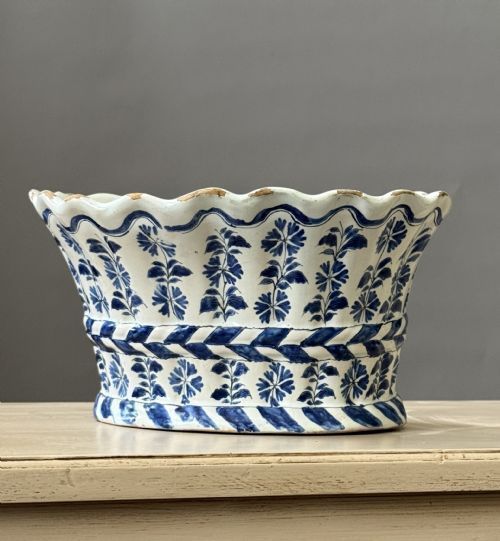
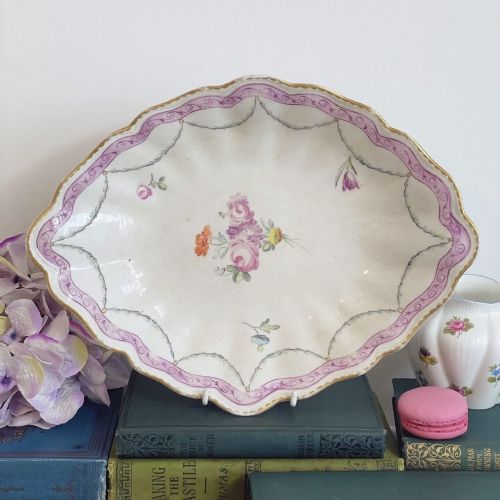
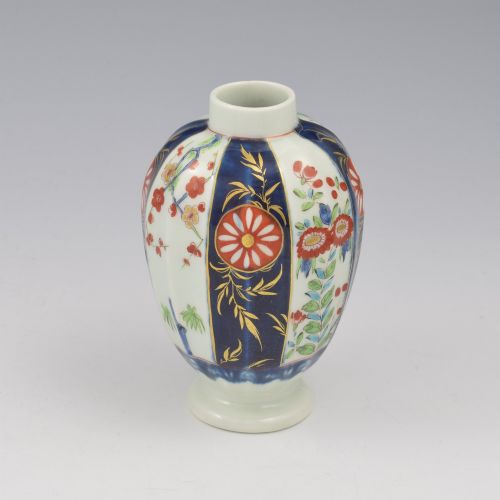
Dutch Delftware and English tin-glazed earthenware dominate the earthenware portion, frequently displaying botanical or Chinoiserie motifs. Porcelain examples from factories such as Worcester, Caughley, and Derby present delicate tea wares, dessert dishes, and sauce boats painted in underglaze cobalt.
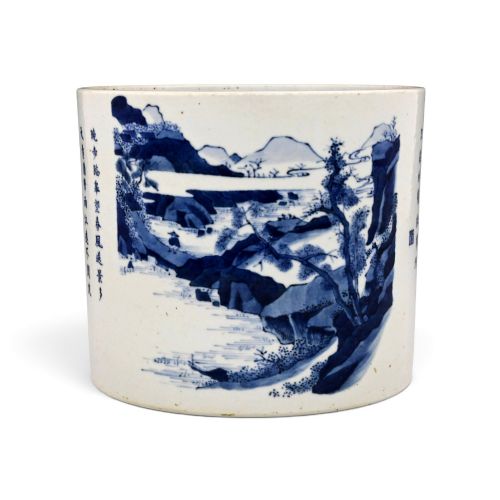
Asian export pieces, particularly Chinese Kangxi and Qianlong porcelain alongside Japanese Arita wares, form another foundational pillar of this group. These imported vessels brought distant decorative traditions directly into European domestic interiors.
How They Were Made
Makers shaped tin-glazed earthenware bodies from buff or pinkish clays before coating them in an opaque white tin glaze that absorbed the cobalt pigment applied directly to the surface. This technique required a delicate hand, as the porous raw glaze absorbed the blue pigment instantly and allowed no room for correction.
Porcelain production utilised hard-paste or soft-paste clay mixtures fired at high temperatures to achieve a vitrified body. Cobalt pigment was painted onto the raw body or beneath a transparent glaze, followed by a high-temperature kiln firing that fused the blue decoration permanently into the glassy surface.
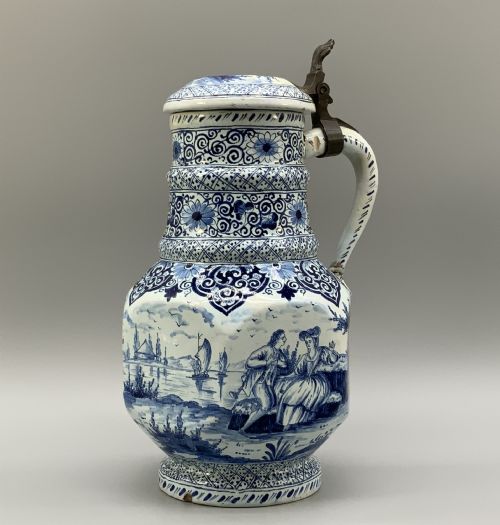
Puzzle jugs challenge unwary guests with hidden liquid spouts in the handle that spill unless one discovers the secret.
What Varies in Quality
The clarity and depth of the cobalt pigment dictate much of the visual success in these objects. Controlled brushwork and deep, vibrant blue tones set apart superior examples from those with blurred outlines or thin, greyish washes.
Form and potting precision mark the division between standard domestic production and exceptional output. Thinly potted bodies, crisp moulding on relief-decorated dishes, and minimal kiln distortion distinguish the finest pieces.
Caughley Porcelain·Derby Porcelain·De Porceleyne Claeuw
The 18th Century Blue White Glossary
- Tin-Glazed Earthenware
- Pottery coated in a lead glaze rendered opaque by the addition of tin oxide. This surface provided a smooth white ground for painting in imitation of imported Chinese porcelain.
- Chinoiserie
- European interpretations of Chinese and East Asian artistic motifs. Artisans applied these imaginative landscapes and figures extensively to Delftware and English porcelain.
- Soft-Paste Porcelain
- An artificial porcelain compound made from white clay, glass frit, and ground minerals. Fired at lower temperatures than hard-paste porcelain, it yielded a warm, creamy body common in early English factories.
- Charger
- A large decorative or serving plate, typically measuring over twelve inches in diameter. These prominent vessels were frequently hung on walls or displayed on dresser backs.
- Cobalt Pigment
- A metallic oxide used to achieve the characteristic deep blue colour under ceramic glazes. It withstood the intense heat of the kiln without losing its hue.
18th Century Blue White: Frequently Asked Questions
How were apothecary jars used?
Apothecary jars held dried herbs, medicinal syrups, and dry pills within European dispensaries and shops. Their labelled fronts kept remedies sorted for quick access.
Over time, these vessels transitioned into decorative objects displayed within domestic spaces for their striking cobalt painted designs.
What is a Delft charger?
Delft chargers functioned primarily as decorative wall plates or large serving vessels in Dutch and English homes. Their broad surfaces displayed painted birds, floral sprays, or pictorial narratives.
Displaying these chargers on dressers or walls allowed households to showcase imported Asian aesthetic themes executed in local tin-glazed earthenware.
How do I care for tin-glazed earthenware?
Tin-glazed earthenware requires gentle handling due to the softer nature of the ceramic body and glaze. Hand washing in tepid water with mild soap preserves the historic surface.
Keeping these pieces away from rapid temperature changes and harsh abrasives protects the glaze from crazing and chipping over decades of display.
How do I distinguish soft-paste porcelain?
Soft-paste porcelain often displays a warmer, slightly creamy translucent body when held to a strong light source. The glaze tends to feel softer to the touch compared to hard-paste equivalents.
Examining the base where the glaze was wiped clean reveals the distinct texture of the unglazed footrim characteristic of eighteenth-century English factories.