


Underglaze Blue China Dish
An underglaze blue china dish carries pigment beneath a clear glaze, offering collectors centuries of hand-painted porcelain and pottery from English, Chinese and Japanese workshops.
Underglaze Blue China Dish
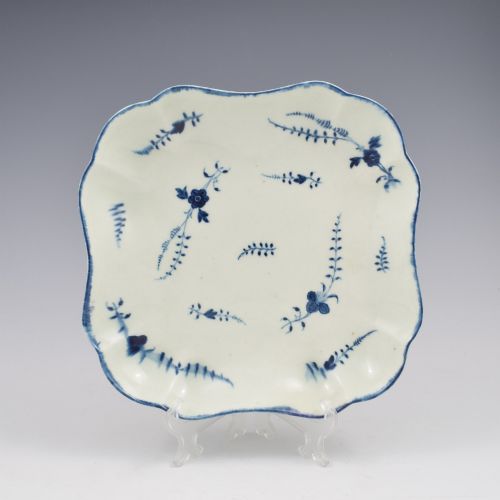
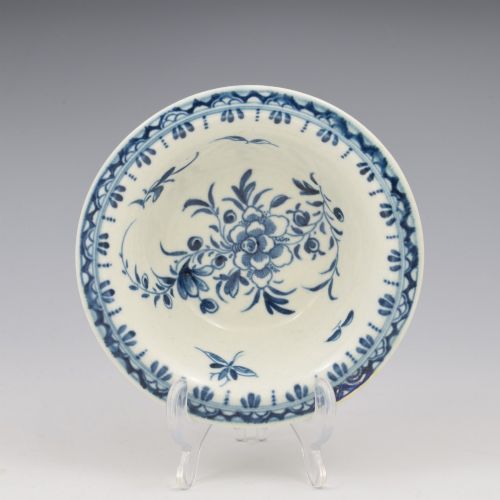
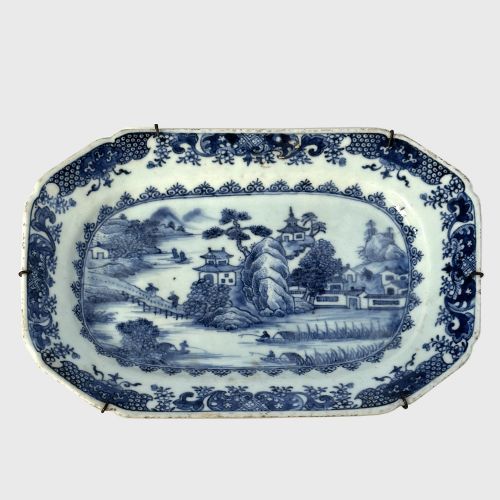
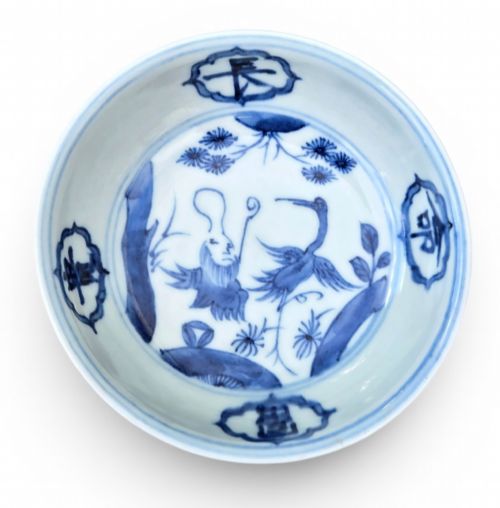
When searching for an underglaze blue china dish, collectors encounter a diverse range of forms spanning the seventeenth century through to the Victorian era. These pieces include decorative plates, serving platters, small pickle dishes, and tureens originating from English factories and Asian export markets.
Forms vary from square dessert dishes and leaf trays to deep bowls and meat platters. Each object reflects the distinct ceramic traditions of its period, whether Georgian Chinoiserie, Meiji period Japanese design, or traditional blue and white transfer printing.
How they were made
Potters shaped porcelain, soft-paste porcelain, or earthenware before applying cobalt blue pigment directly onto the dry or bisque body. This cobalt glaze or cobalt blue underglaze was then covered with a clear glaze and fired at high temperatures to vitrify the ceramic body.
Selected examples incorporate additional embellishments such as enamel colours or gold leaf applied over the glaze in subsequent firings. Hand painting and early transfer printing techniques define the surface decoration across the English and Asian pieces.
Listings feature porcelain, earthenware, and soft-paste porcelain decorated with cobalt glaze and gold leaf across periods from the seventeenth century to 1900.
What varies in quality
Quality separates through the crispness of the cobalt blue painting and the refinement of the porcelain or pottery body. Early eighteenth-century porcelain pieces demonstrate superior potting and delicate brushwork compared to mass-produced later wares.
The depth of the glaze and the stability of the firing determine the visual clarity of the design. Well-executed pieces maintain sharp motifs and balanced compositions across plates, platters, and dishes.
Liverpool Pennington·John Davenport
The Underglaze Blue China Dish Glossary
- Underglaze
- A method of decorating pottery where pigments are applied to the ceramic body before the glaze is added and fired. This technique protects the design beneath a glassy layer.
- Cobalt Blue
- A metallic oxide pigment used to achieve the deep blue colour seen on traditional china. It withstands the high temperatures required for ceramic firing.
- Soft-paste Porcelain
- A ceramic material composed of white clay mixed with ground glass and other materials, fired at lower temperatures than hard-paste porcelain. English factories utilised this body extensively in the eighteenth century.
- Imari
- A style of Japanese export porcelain characterised by underglaze blue combined with iron red and gold overglaze enamels. These wares were produced in Arita and shipped to European markets.
- Chinoiserie
- A European artistic style reflecting Chinese motifs and decorative themes, popular on Georgian ceramics. Designers interpreted Eastern scenes through Western aesthetic lenses.
Underglaze Blue China Dish: Frequently Asked Questions
How do I date an underglaze blue china dish?
Dating relies on identifying the specific ceramic body, glaze characteristics, and stylistic markers associated with known periods such as the eighteenth century or Victorian era. Factory marks, where present, provide further chronological evidence.
Examinations of the foot rim and wear patterns also help distinguish early pieces from later nineteenth-century revivals and Japanese export wares.
What is the difference between porcelain and pottery dishes?
Porcelain is vitrified, dense, and often translucent when held to the light, whereas pottery uses earthenware bodies that remain opaque and porous beneath the glaze.
English factories produced both soft-paste porcelain and earthenware, while Asian kilns specialised in high-fired porcelain bodies.
How were these dishes used originally?
These pieces served practical functions at dining tables as serving platters, meat dishes, tureen bases, and individual plates for meals. Smaller pickle dishes and saucer-dishes held condiments or small portions.
Over time, many transitioned into decorative display items collected for their artistic blue and white designs.
Can I use antique blue and white dishes for serving food?
While structurally sound, antique dishes often exhibit glaze wear, crazing, or manufacturing imperfections from eighteenth and nineteenth-century kilns. Modern usage may subject delicate soft-paste porcelain or earthenware to thermal shock and chemical detergents.
Many collectors prefer to keep these pieces for display rather than daily dining.