


18th Century Worcester Teaware
18th century worcester teaware brings Georgian refinement to the table through soft-paste porcelain painted with delicate enamels and cobalt underglaze.
18th Century Worcester Teaware
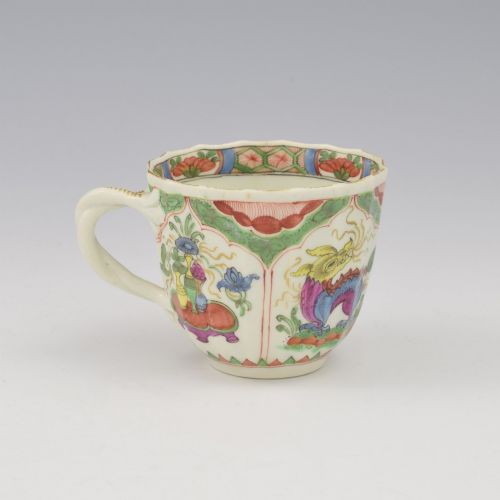
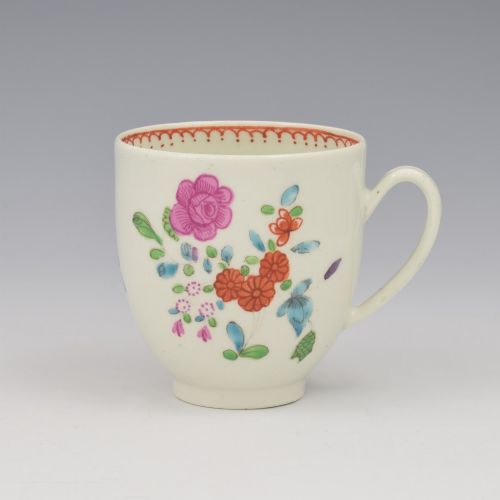
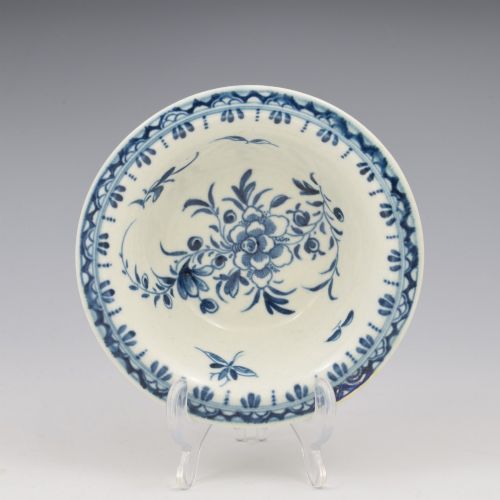
When buyers search for 18th century worcester teaware, they are looking at delicate porcelain vessels made during the Georgian era, including tea bowls, saucers, coffee cups, and teapots. These pieces represent the height of English ceramic artistry from the famous Worcester factory, often produced during the Dr Wall period.
On this page, the most common pieces you will meet are tea bowls, saucers, and coffee cups. They arrive in various forms, from fluted cups to decorative dishes and teapots, offering a direct tangible link to Georgian dining customs.
Materials and construction
The makers of 18th century worcester teaware relied on soft-paste porcelain, a specialised ceramic body that allowed for fine forming and smooth glazing. This material was shaped into pieces like fluted coffee cups and teapots, then fired to create a translucent base ready for decoration.
Decoration involved cobalt underglaze for blue and white designs, alongside polychrome enamel paints and gold leaf highlights. Artisans applied intricate patterns by hand, finishing tea bowls and saucers with details such as flower head knops and gilded borders.
Some teapots feature a small ceramic flower serving as the lid knop, ensuring even the handle is blooming.
Judging quality and execution
Quality in 18th century worcester teaware is found in the crispness of the moulding and the skill of the hand-painting. Pieces featuring detailed Chinese figures, Mandarin patterns, or complex polychrome floral motifs show a higher level of artistic ambition than simpler designs.
The precision of the cobalt underglaze and the application of gold leaf further separate standard items from finer examples. Artisans who achieved vibrant enamel colours and balanced compositions created teaware that remains visually striking today.
Dr Wall
The 18th Century Worcester Teaware Glossary
- Soft-paste Porcelain
- A ceramic composition fired at lower temperatures than hard-paste porcelain, creating a creamy body ideal for early English factory production. It absorbs glaze smoothly and allows for rich enamel decoration.
- Cobalt Underglaze
- A blue pigment applied to the unfired ceramic body before glazing and firing. This technique protects the design beneath a clear shiny layer of glass.
- Chinoiserie
- A European artistic style reflecting Chinese motifs and imaginary oriental scenes. It appears frequently on tea bowls and coffee cups of this period.
- Fluted
- Having parallel vertical grooves moulded into the porcelain body. This technique adds texture and structural rigidity to cups and saucers.
- Polychrome
- Decorated in multiple colours. Enamels of various hues bring floral patterns and figures to life on the white ceramic surface.
18th Century Worcester Teaware: Frequently Asked Questions
What is 18th century worcester teaware?
These pieces are porcelain vessels created at the Worcester factory during the Georgian era, specifically designed for drinking tea and coffee.
They include items such as teapots, tea bowls, saucers, and coffee cups decorated with hand-painted enamels, cobalt underglaze, and gilding.
How was this porcelain used?
In Georgian households, these vessels formed the centrepiece of formal tea drinking rituals. Wealthy hosts used matching or coordinated tea bowls, saucers, and teapots to serve guests.
Displaying such delicate soft-paste porcelain demonstrated social standing and refinement during afternoon gatherings.
How do I live with these pieces?
Living with 18th century worcester teaware means treating them as decorative objects rather than items for daily use. Hand washing in warm water without harsh detergents protects the fragile enamel and gold leaf.
Displaying them in secure cabinets keeps the soft-paste porcelain safe from accidental chips while allowing the painted patterns to be admired.
How do I tell periods apart?
Distinguishing periods relies on identifying factory marks, painting styles, and paste compositions. Pieces from the Dr Wall era often feature blue crescent marks or painter numerals beneath the glaze.
Stylistic shifts from blue and white Chinese dragon patterns to rich polychrome Mandarin scenes help narrow down the decade of production.