


Blue White Porcelain Saucer
A blue white porcelain saucer brings centuries of ceramic artistry to the table, offering crisp cobalt painting beneath a glossy glaze that collectors prize.
Blue White Porcelain Saucer
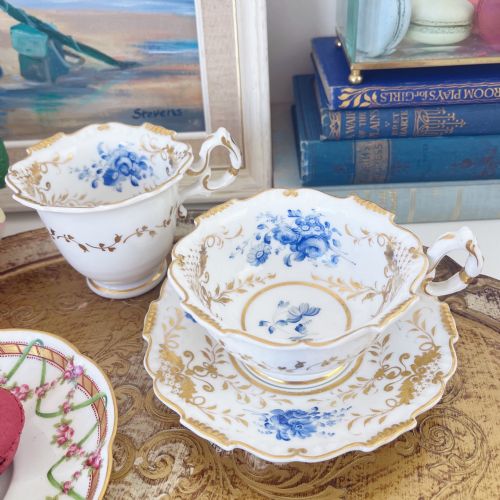
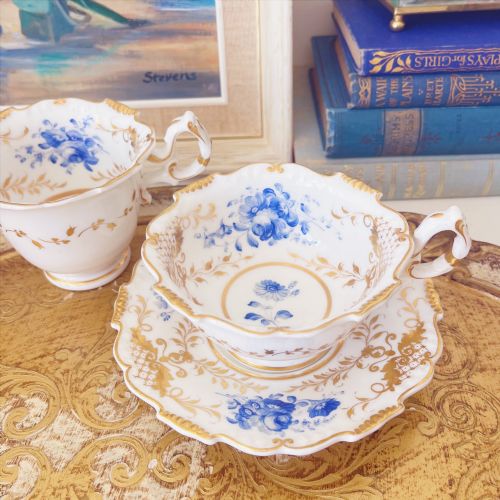
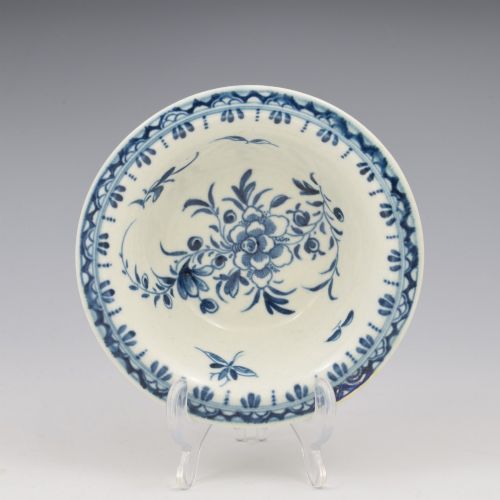
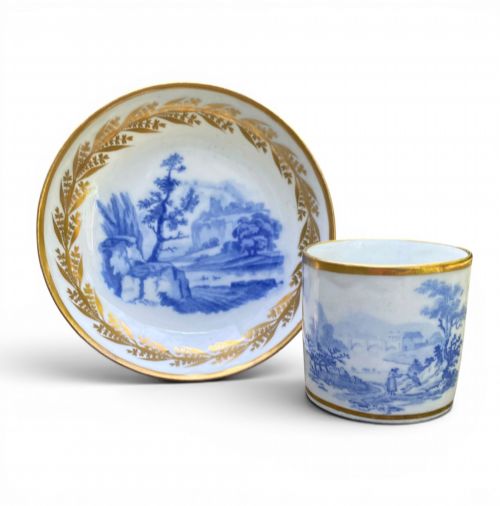
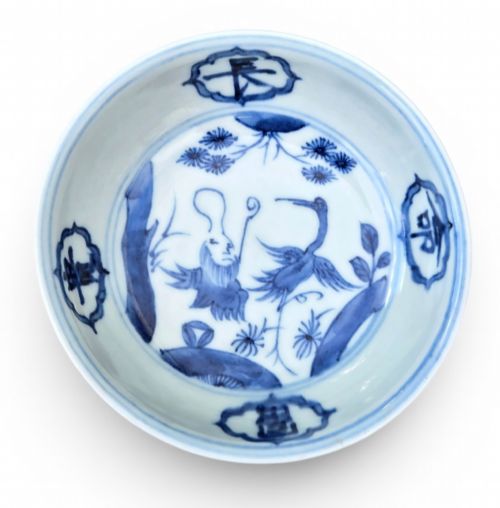
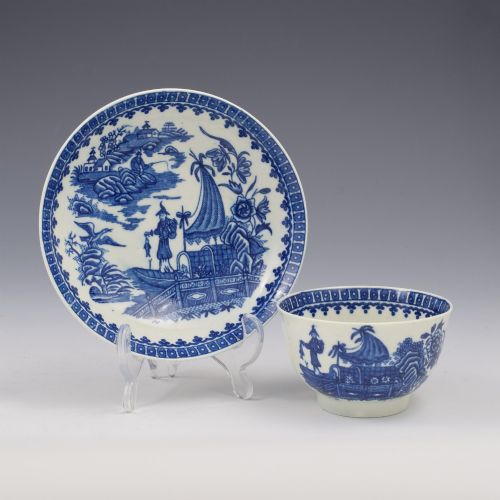
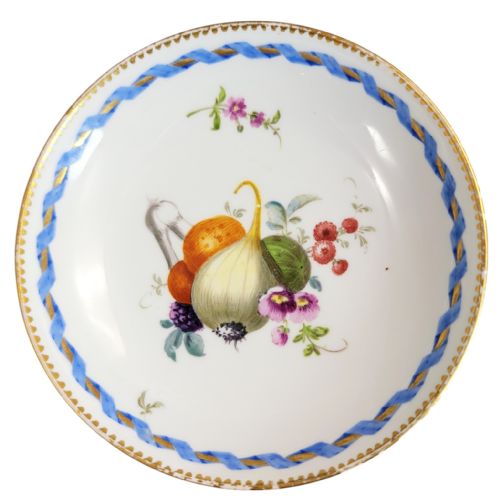
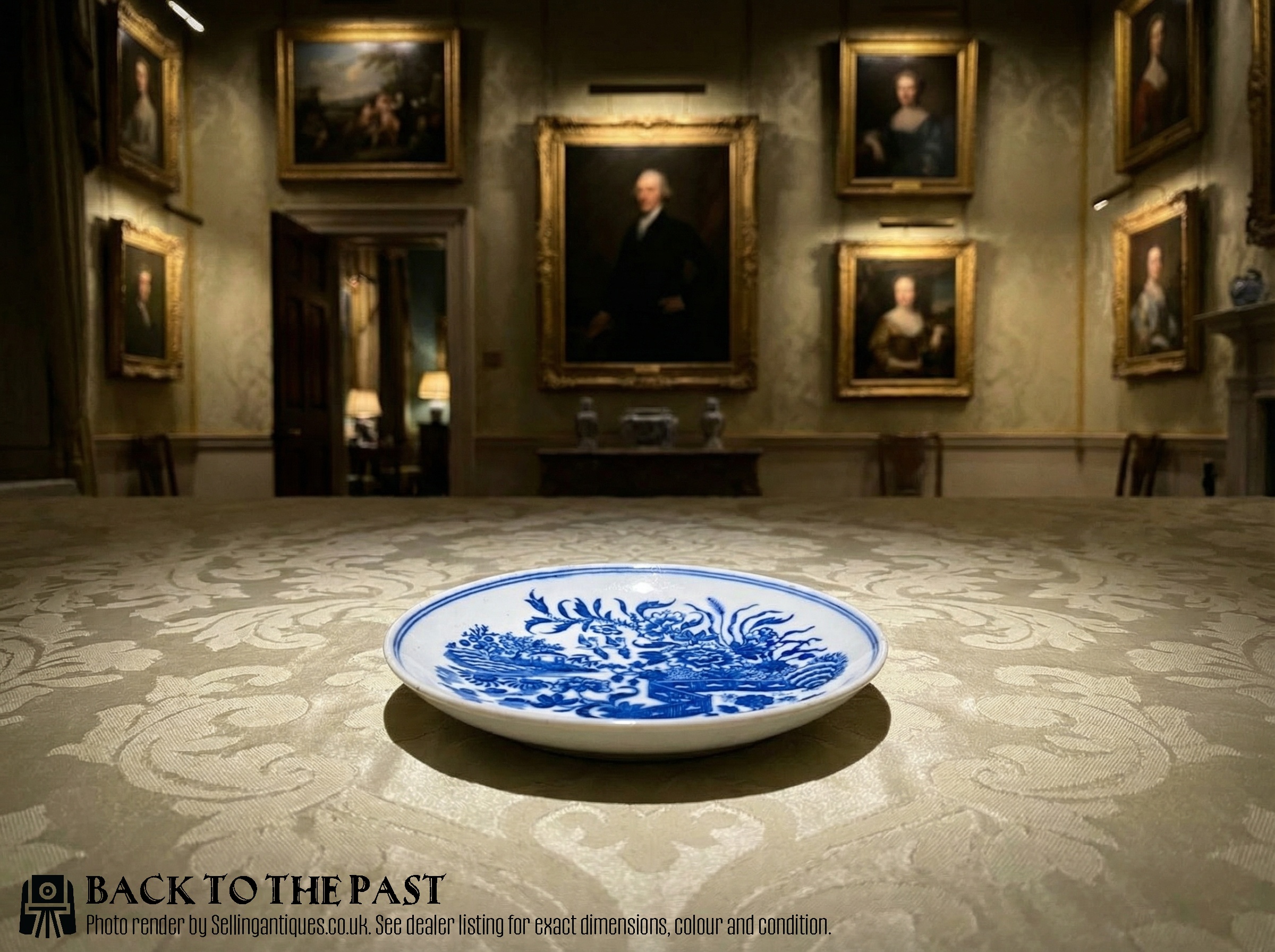
A blue white porcelain saucer is typically found as part of a tea service, tea bowl pairing, or as an individual decorative dish originating from eighteenth and nineteenth-century English and Asian kilns. You will frequently encounter eighteenth-century Worcester pieces alongside Georgian tea wares and Japanese export ceramics on this page.
The form spans straightforward tea saucers, deep saucer-dishes, and matched trios designed to hold small cups for tea or coffee consumption. Makers utilised traditional motifs including floral sprays, birds, and intricate border patterns painted directly onto the white ceramic body.
How they were made
Potters shaped these pieces from porcelain or soft-paste porcelain bodies before applying cobalt glaze pigments by hand under the final glassy coat. Many items incorporate moulded relief details or delicate handpainted brushwork executed by skilled decorators in European and Asian workshops.
Firing techniques varied across centuries, resulting in different degrees of translucency and subtle variations in the depth of the cobalt blue colour. Additional decorative touches such as gilding or enamel highlights occasionally complement the primary blue and white scheme.
Certain eighteenth-century plates carry hidden painted flaws disguised beneath delicate floral bouquets by clever decorators.
What varies in quality
The refinement of the ceramic body and the precision of the cobalt painting set the finest examples apart from standard factory production. Crispness in moulded details, stability during the kiln firing, and the clarity of the underglaze blue define the upper tier of these pieces.
Artistic execution on handpainted surfaces determines value, with fluid brushwork and balanced compositions marking superior craftsmanship. Pieces bearing historic factory marks or demonstrating exceptional pattern preservation also command greater attention from serious collectors.
H and R Daniel·Dr Wall Worcester·New Hall·Meissen·Coalport·Derby·Hirado·Arita·Yates·Minton·Lowestoft
The Blue White Porcelain Saucer Glossary
- Soft-paste porcelain
- A glassy ceramic composite fired at lower temperatures than true hard-paste porcelain, common in eighteenth-century English factories. It often displays a warm creamy tone beneath the glaze.
- Cobalt glaze
- A metallic oxide pigment used to produce deep blue underglaze decoration on ceramics. This mineral withstands high kiln temperatures without losing its intense colour.
- Tea bowl
- A handleless cup used for drinking tea before the widespread adoption of handled teacups in the West. They are frequently paired with saucers in period sets.
- Chinoiserie
- A European artistic style reflecting Chinese aesthetic influences, popular on domestic porcelain during the Georgian period. Designs typically feature stylised landscapes, figures, and architectural motifs.
- Underglaze
- A decoration applied to the ceramic body before the application of the clear glaze and final firing. This technique protects the painted design from wear during daily use.
Blue White Porcelain Saucer: Frequently Asked Questions
How do I date an old saucer?
Dating relies on identifying specific ceramic bodies, factory marks, and stylistic traits typical of periods like the eighteenth century or the Georgian era. Subtle shifts in paste composition and glaze characteristics help narrow the decade of production.
Comparing known painter patterns and cobalt shades against documented factory archives provides a reliable framework for establishing age.
Can I use these saucers daily?
While durable, antique porcelain saucers contain delicate materials and historic glazes that warrant careful hand washing rather than modern dishwasher cycles. Treating them as display items or using them gently for special occasions preserves their fragile surfaces.
Avoiding sudden temperature changes protects the historic ceramic body from thermal shock and hairline cracking.
What caused the blue colour?
The distinct blue colour comes from cobalt oxide applied beneath the glaze before the final high-temperature kiln firing. This mineral reacts with the heat to bond permanently with the ceramic surface.
Different concentrations of cobalt and varying kiln conditions produce the wide spectrum of tones seen from light slate to deep sapphire.
Why do some lack handles?
Early tea drinking traditions in Europe adopted Asian customs where tea was served in handleless bowls accompanied by deep saucers. Handles on teacups only became standard practice toward the end of the eighteenth century.
These earlier forms were designed to be cupped in the hands to gauge the temperature of the hot liquid.