
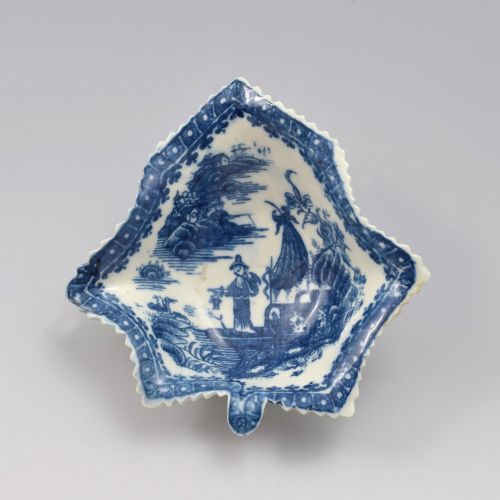
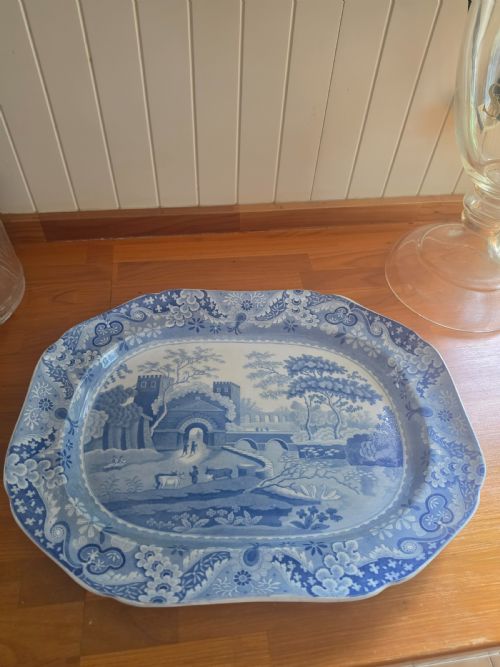
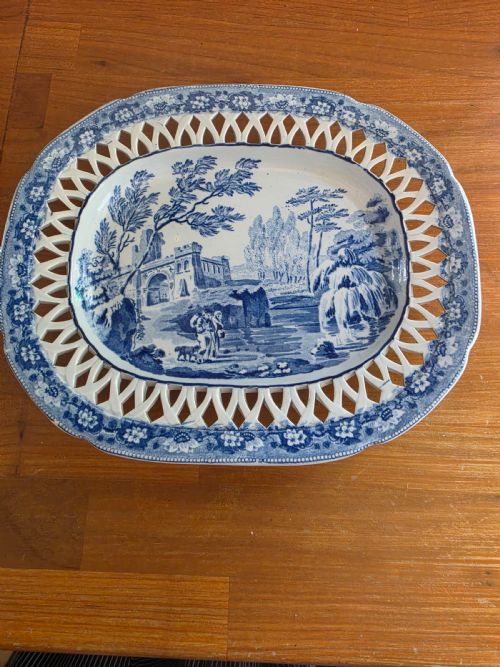
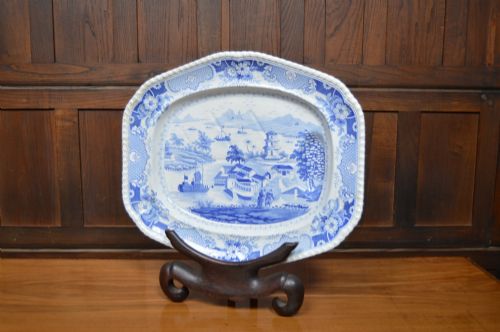

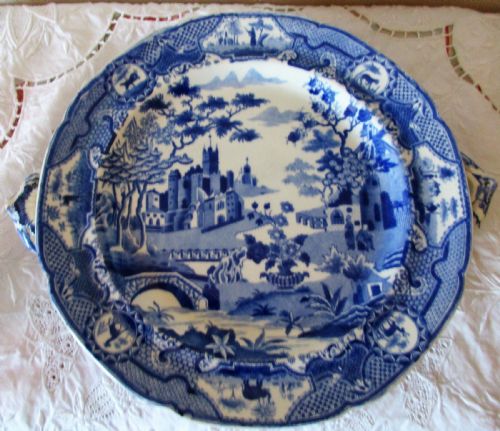
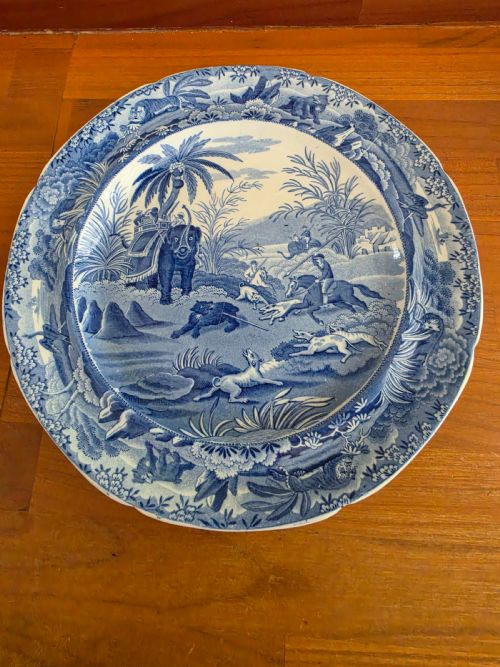
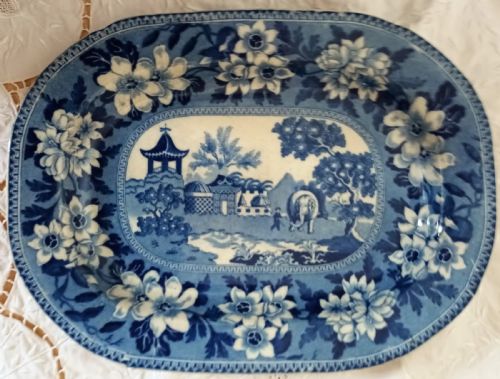
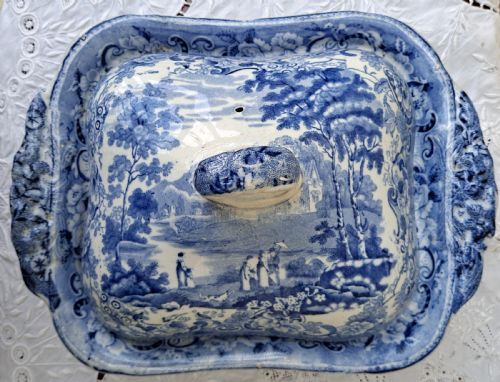
Blue White Transferware Dish
A blue white transferware dish brings historical narrative and crisp cobalt design to the table, making these ceramic pieces enduring favourites for collectors.
Blue White Transferware Dish
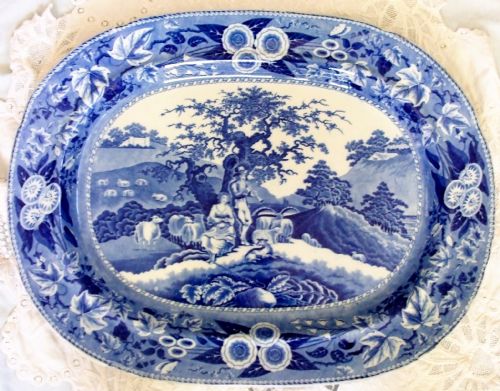
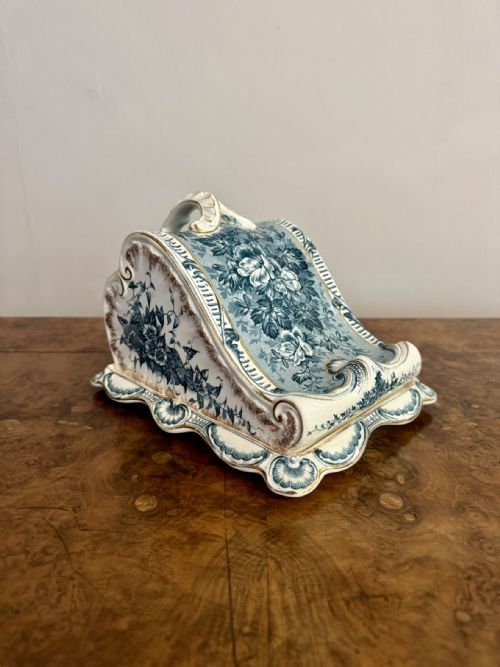
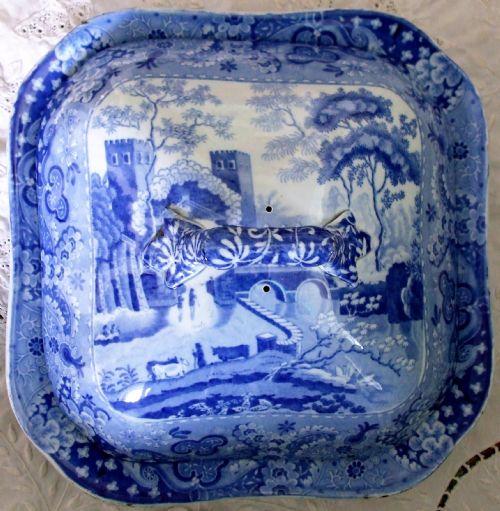
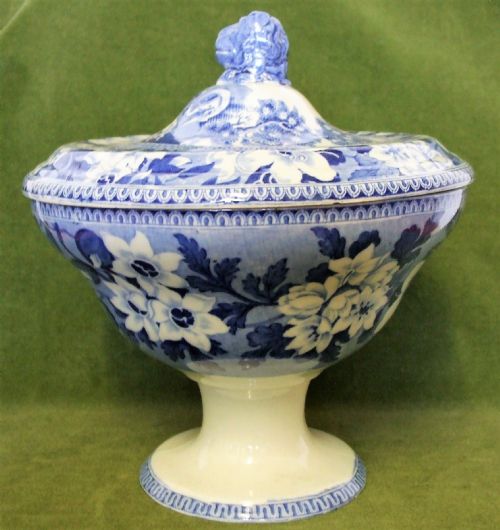
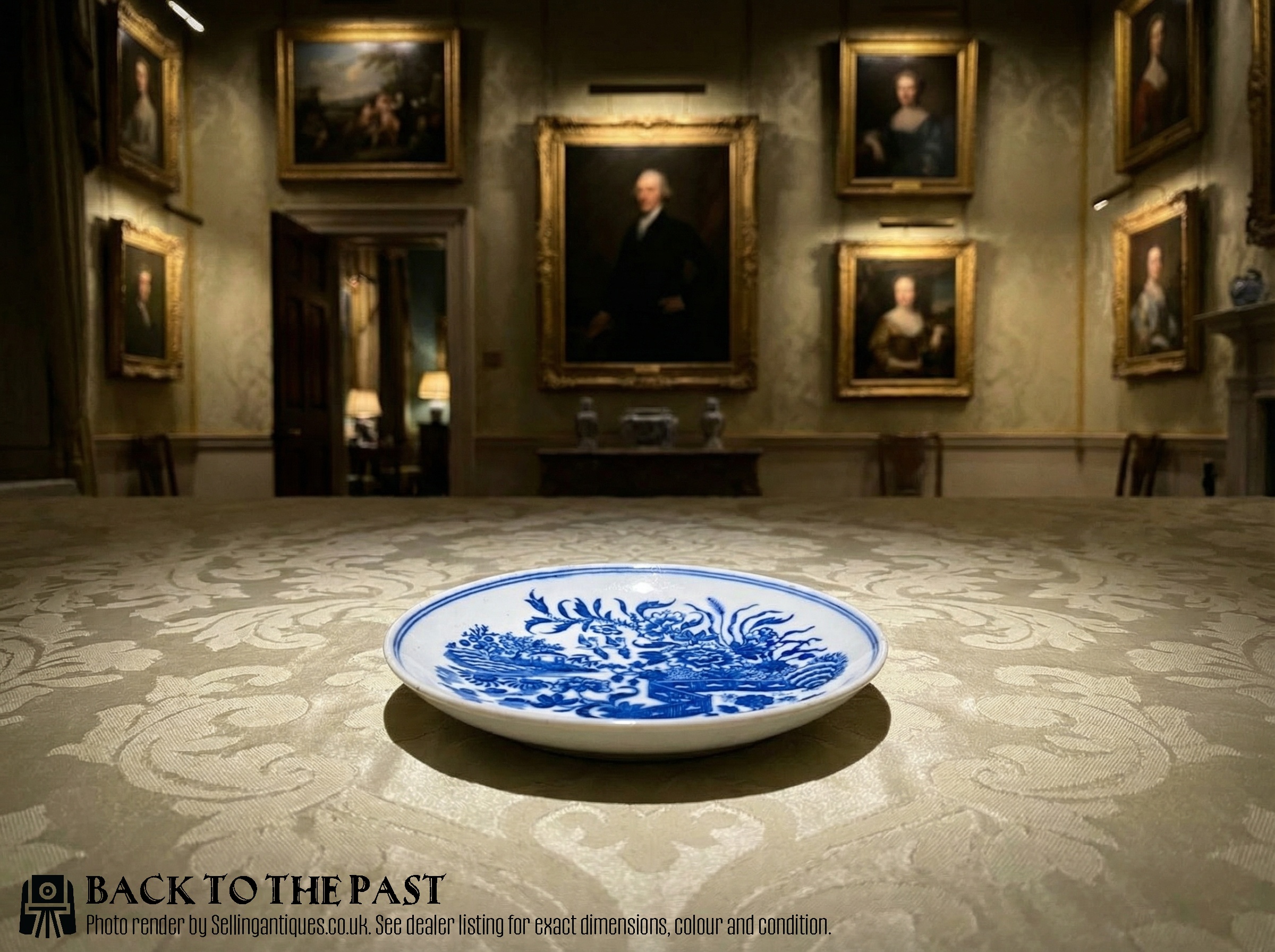
When you search for a blue white transferware dish, you encounter utilitarian and decorative ceramics spanning the eighteenth and nineteenth centuries. These items include large meat platters, vegetable tureens, pickle dishes, and decorative plates originating from English potteries.
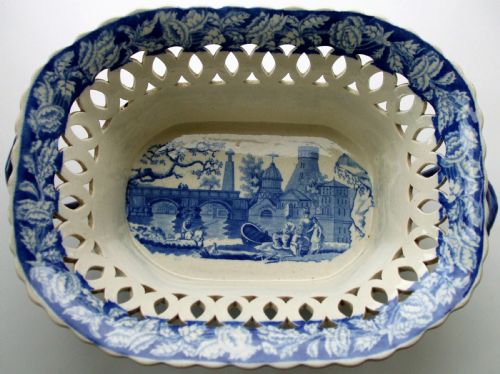
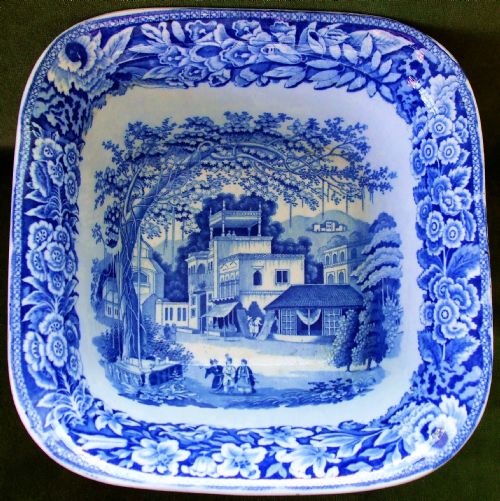
The version you are most likely to meet on this page is an earthenware or pearlware piece decorated with landscape or architectural scenes in cobalt pigment. Such examples date predominantly from the Georgian and Victorian periods.
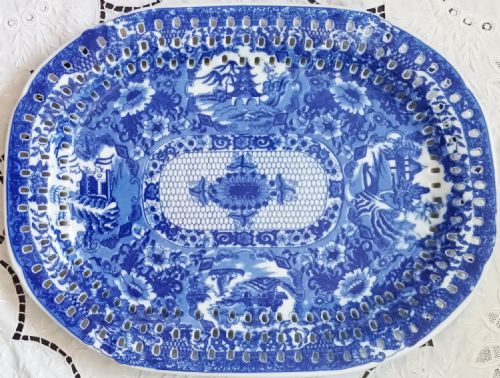
Forms range from small spoon trays and pickle dishes to massive chargers and compartmented chestnut baskets. Many bear named topographical or romantic series titles printed onto the ceramic body beneath a clear glaze.
How they were made
Potters produced these items using earthenware, soft-paste porcelain, or pearlware formed into plates, platters, and hollowware. The ceramic body was shaped either by throwing on a wheel or pressing into moulds.
Decoration relied on copperplate transfer printing, where an engraved design filled with cobalt pigment was transferred via tissue paper onto the biscuited or glazed ceramic. A transparent glaze sealed the pigment before the final kiln firing, fixing the blue colour permanently beneath the surface.
Listings feature earthenware, pearlware, and soft-paste porcelain from the Georgian, Regency, and Victorian periods.
What varies in quality
The clarity of the printed transfer defines the visual success of the piece, distinguishing sharp, detailed impressions from blurred or smudged applications. Engravings executed by skilled hands capture intricate architectural and figurative nuances without bleeding into the surrounding glaze.
Body material and potting skill separate standard production wares from finer porcelain and early pearlware editions. Weight, potting thickness, and the smoothness of the ceramic glaze contribute to the tactile appeal of the object.
Spode·Davenport·John Rogers And Son·James Wallace And Co·J And R Clews·J And R Riley·Minton·Doulton Burslem·John Ridgway·Copeland And Garrett
The Blue White Transferware Dish Glossary
- Transferware
- Pottery decorated by transferring a printed design from an engraved copper plate onto paper and then onto the ceramic surface. This technique allowed factories to produce intricate pictorial patterns consistently.
- Pearlware
- A refined earthenware developed by Josiah Wedgwood that featured a pale bluish glaze to mask the natural cream body colour. It served as a popular substrate for early nineteenth-century blue printing.
- Cobalt pigment
- A metallic oxide mineral utilised to achieve the deep blue coloration seen in underglaze ceramic decoration. It withstands high kiln temperatures without burning away or changing hue.
- Tureen
- A deep covered serving bowl designed for holding soups, sauces, or vegetables at the dining table. Matching ladles and stands frequently accompanied these large ceramic vessels.
- Soft-paste porcelain
- A ceramic composition containing glass frit and white clay, fired at lower temperatures than hard-paste porcelain. Eighteenth-century factories utilised this material for delicate tableware before true porcelain formulas became widespread.
Blue White Transferware Dish: Frequently Asked Questions
What is a blue white transferware dish?
A blue white transferware dish is a ceramic plate, platter, or serving vessel decorated with printed cobalt designs beneath a clear glaze. These items were produced in large quantities by English potteries during the Georgian and Victorian eras.
Potters utilised engraved copper plates to apply detailed topographical, botanical, or figurative scenes onto earthenware and porcelain bodies. The resulting tableware combined domestic utility with elaborate decorative narratives.
How do I date a transferware dish?
Dating relies on examining the ceramic body material, the registry marks, and the specific printed pattern series. Pearlware bodies and certain blue hues typically indicate early nineteenth-century manufacture.
Backstamps and impressed factory marks help identify specific potteries active during the Georgian and Victorian periods. Stylistic cues within the border patterns also provide chronological clues for unmarked pieces.
Can I use antique dishes for dining?
Many collectors prefer to display these historical ceramics rather than utilise them for everyday meals. Using antique earthenware requires careful hand washing to protect the historic glaze and ceramic body.
Serving dry foods or displaying fruit bowls presents a practical way to live with these pieces without risking thermal shock or modern dishwasher damage.
What are Willow pattern plates?
Willow pattern plates feature a classic chinoiserie landscape design depicting a traditional story involving figures, a bridge, a willow tree, and birds. This motif became one of the most prolific prints in nineteenth-century British ceramics.
Numerous potteries produced variations of this iconic blue printed scene across different plate sizes and serving dishes.