


English Transferware China
English transferware china brings printed pastoral scenes, ruins and exotic motifs to tableware through monochrome earthenware, pearlware and ironstone.
English Transferware China
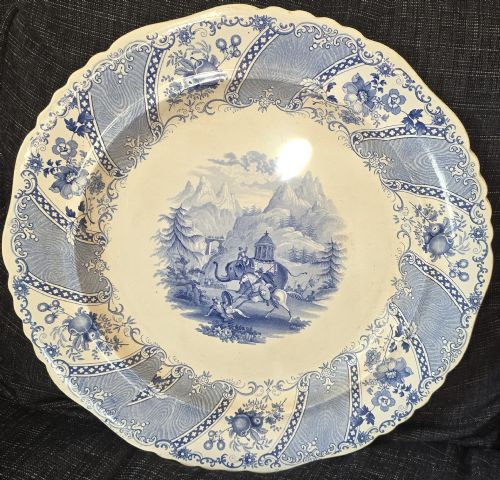
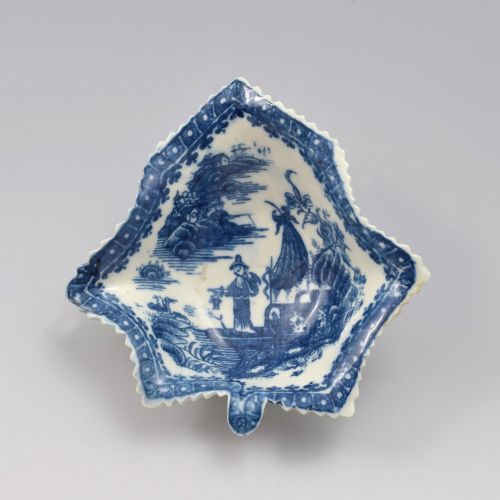
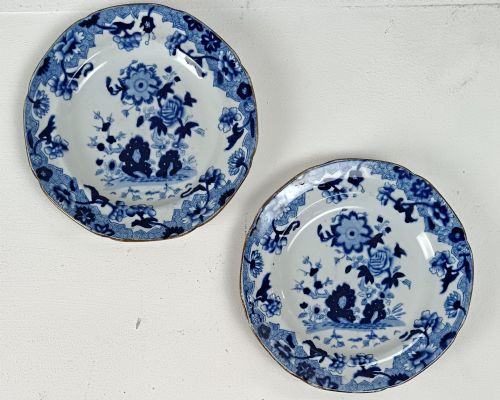
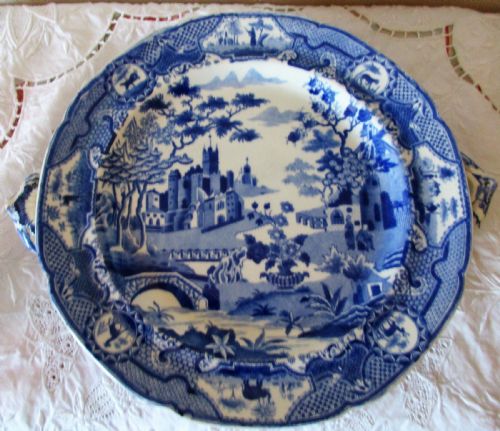
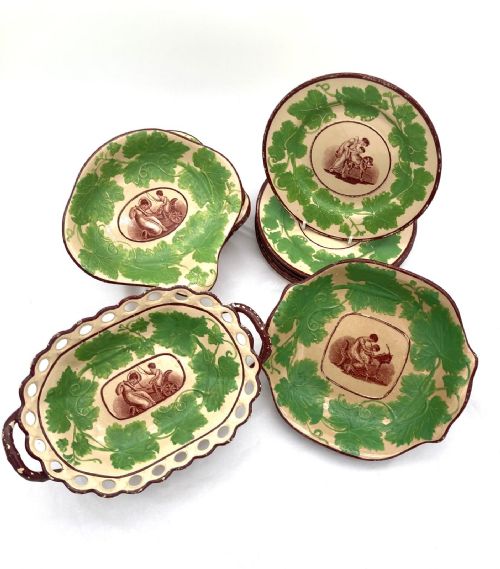
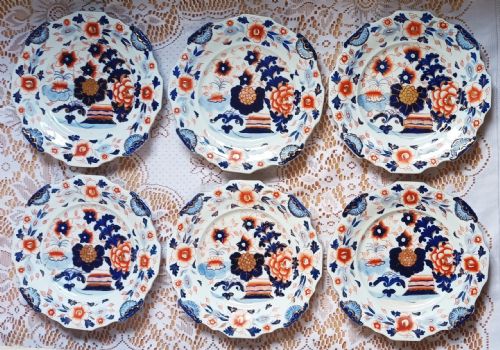
English transferware china comprises plates, platters, vegetable tureens, pickle dishes and service sets produced across the eighteenth, nineteenth and early twentieth centuries. When searching for english transferware china, buyers encounter items decorated with named pictorial scenes such as Italian, Tower, Gothic Castle, Net, and various Chinoiserie patterns.
The objects span Georgian, Regency, Victorian and Edwardian periods, manifesting in earthenware, pearlware, ironstone and soft-paste porcelain forms. Serving dishes, draining inserts, cheese dishes and custard sets demonstrate the diverse functional vessels developed during these eras.
Makers ranging from major potteries to smaller works utilised copperplate printing techniques to apply cobalt blue and polychrome designs onto ceramic bodies. Surviving examples reflect domestic dining traditions from the 1780s through to 1910, preserved in various states of completeness from single plates to extensive dinner and dessert services.
Materials and transfer printing techniques
Potters formed bodies using earthenware, pearlware, ironstone, and soft-paste porcelain, applying lead glazes to seal the ceramic surface. These materials provided the smooth white grounds necessary for sharp ink adhesion during the transfer process.
Decorators engraved copper plates with pictorial designs, inked them with metallic oxides, and transferred the image onto tissue paper. Craftsmen then pressed the damp tissue onto the bisqued or fired ceramic body before glazing and firing the piece in a kiln.
Surviving kitchenalia includes specialised vessels like cheese dishes, hot-water plates, and draining inserts designed to keep nineteenth-century dining eccentricities functional.
Quality variations in transferware
Clarity of the printed line and depth of the cobalt blue pigment distinguish superior pieces from weaker impressions. Skilled engraving on the copper plate and precise application of the tissue transfer prevent blurring and smudging across the glazed surface.
The refinement of the ceramic paste itself, whether delicate soft-paste porcelain, dense ironstone, or smooth pearlware, determines the durability and weight of the vessel. Potteries achieved different levels of smoothness in the glaze coat, which protects the transfer design underneath.
Spode·Caughley Porcelain·Mason’s Ironstone·Wedgwood·William Adams·J. and R. Clews·Mintons·Brameld and Co.·John Davenport·James Wallace and Co.·John Rogers and Son
The English Transferware China Glossary
- Transferware
- Ceramic pieces decorated by transferring a printed design from an engraved copper plate via tissue paper onto the clay or biscuit body. This technique allowed intricate pictorial scenes to be replicated consistently across large dinner services.
- Pearlware
- A refined earthenware developed by Josiah Wedgwood featuring a bluish-tinted glaze that pooled in recesses to make the ceramic body appear whiter. It served as a common substrate for blue and white printed patterns during the late eighteenth and early nineteenth centuries.
- Ironstone
- A heavy, durable type of earthenware patented to create tough tableware that resisted chipping during daily use. It provided a dense white surface suited to rich transfer-printed patterns and enamel highlights.
- Chinoiserie
- A European stylistic interpretation of Chinese artistic motifs, featuring pagodas, bridges, and exotic figures. This aesthetic frequently appeared in blue and white printed patterns on plates and serving vessels.
- Tureen
- A deep covered serving bowl used for soups, sauces, or vegetables at the dining table. These vessels often featured matching underplates and decorative handles moulded into the ceramic body.
English Transferware China: Frequently Asked Questions
How are these dishes cleaned safely?
Wash transferware gently by hand in warm water using a mild liquid detergent and a soft cloth or sponge. Avoid abrasive pads, harsh scouring powders and automatic dishwashers, which degrade the historic glaze and fade the printed pigments over time.
Pat the pieces dry immediately with a clean linen tea towel rather than leaving them to air dry. Storing them with felt separators between stacked plates prevents surface scratching on the printed glaze.
Can antique plates be used for dining?
Most antique pieces function safely for serving dry foods, biscuits or fruit during occasional meals. However, nineteenth-century glazes may contain trace materials, so daily use with acidic foods is generally discouraged by conservators.
Inspect each piece for hairline cracks or old repairs before serving food. Displaying plates on walls or in cabinets preserves the fragile ceramic body and prevents accidental impact damage.
How do I identify the maker?
Check the underside of the base for impressed marks, printed factory stamps, or pattern titles written in blue script. Different potteries utilised specific mark styles, registry diamonds, and named cartouches during the Georgian and Victorian eras.
Match the visual motif and border design against known factory patterns when printed marks are absent. Many workshops utilised distinct floral or geometric borders that help attribute unsigned plates to specific makers.
What caused the blue colour variations?
Cobalt oxide pigment reacted to varying kiln temperatures and chemical compositions within the glaze during firing. Slight shifts in the preparation of the copperplate prints also created lighter or deeper tones of blue across different production batches.
Early nineteenth-century pieces often display a deep, fluid cobalt shade, while later Victorian items lean towards brighter, uniform blues. These tonal differences help date the manufacturing period of individual vessels.