
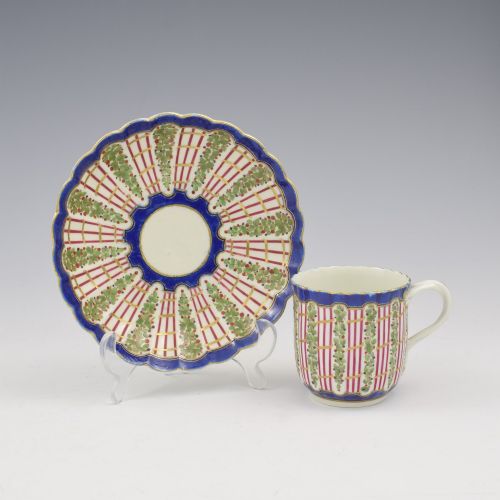
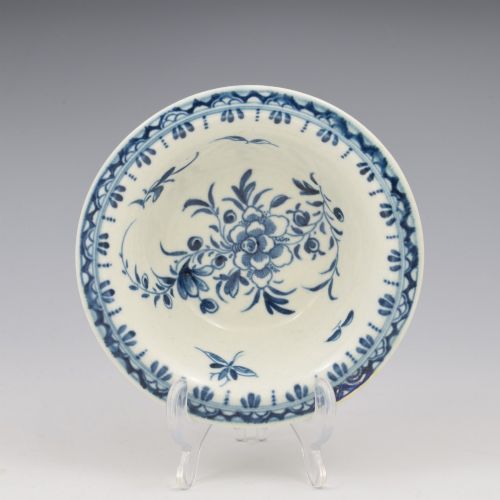
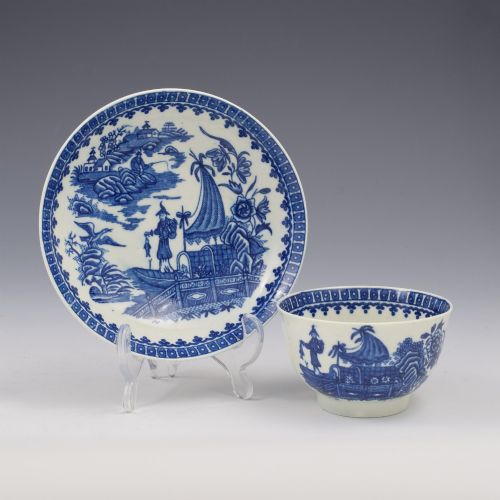


Dr Wall Worcester Saucer
These dr wall worcester saucer examples are eighteenth-century porcelain pieces carrying rich hand-painted enamels and intricate gilding that elevate tea service history.
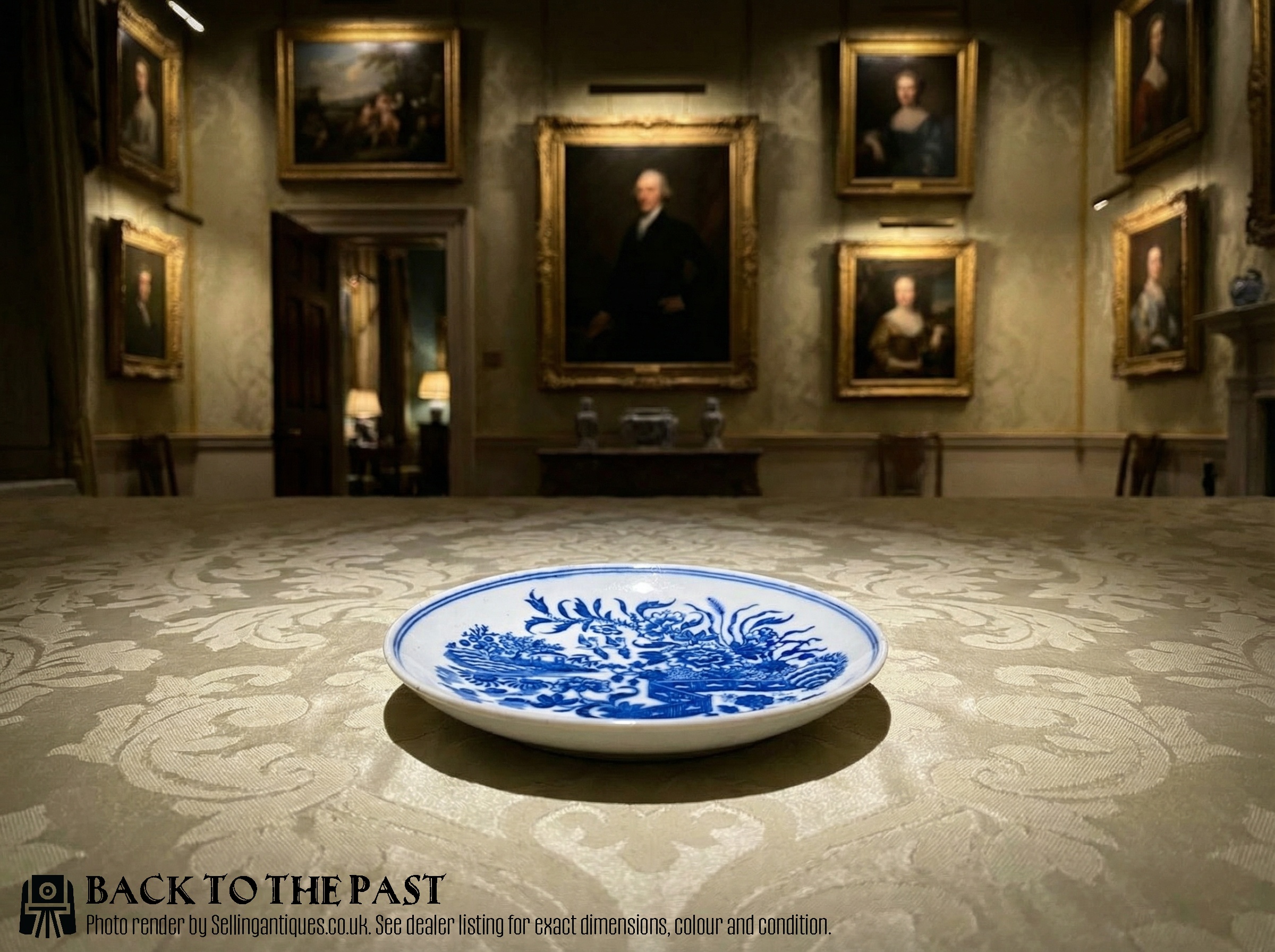
Dr Wall Worcester Saucer
A dr wall worcester saucer is a distinct eighteenth-century ceramic form produced during the Georgian period, encompassing individual saucers and paired tea bowls or cups. These items emerge from the early factory years, showing forms ranging from fluted tea bowls and saucers to saucer dishes and small patty pans.
The objects present diverse artistic influences, appearing in styles such as Chinoiserie and Rococo. Common decorative schemes involve the Hop Trellis pattern, Fisherman designs, Fancy Birds, blue scale grounds, and Kakiemon palettes.
How they were made
Potters shaped these vessels using soft-paste porcelain and soapstone, applying a smooth glaze over the ceramic body. Artisans then hand-painted the designs using polychrome enamel colours and underglaze blue.
Finishing touches involved rich gilding and gold leaf highlights applied across borders, backgrounds, and pictorial motifs before firing.
Listings demonstrate soft-paste porcelain bodies combined with soapstone, decorated in enamel, glaze, and gold leaf.
What varies in quality
The distinction between standard and superior pieces rests on the complexity and precision of the hand-painted decoration. Elaborate schemes like Fancy Birds, blue scale grounds, and intricate Kakiemon palettes demand greater artisan skill than simple floral or blue and white designs.
The application of gilding and the crispness of moulded elements such as fluting further divide the output. Rich enamel coverage and careful ground colours indicate superior factory production during the period.
The Dr Wall Worcester Saucer Glossary
- Soft-Paste Porcelain
- A ceramic composition made from white clay and glass frit used in early English factories before true hard-paste porcelain became standard. This material creates a warm translucent body under glaze.
- Soapstone
- A steatite additive mixed into the porcelain paste at Worcester to improve thermal shock resistance. It forms a key material identifier for period pieces.
- Kakiemon
- A Japanese enamel style featuring asymmetric compositions of birds, flowers, and figures in iron red, blue, green, and yellow. Eighteenth-century English factories frequently copied these palettes.
- Blue Scale
- A dark underglaze blue patterned ground resembling fish scales, typically reserved for shaped panels enclosing painted birds or insects. This technique requires meticulous brushwork.
- Chinoiserie
- European artistic interpretations of Chinese and East Asian decorative motifs. These designs appear widely across tea ware patterns of the period.
Dr Wall Worcester Saucer: Frequently Asked Questions
What is a dr wall worcester saucer?
A dr wall worcester saucer is an eighteenth-century ceramic dish produced during the early period of the Worcester factory under the direction of Dr John Wall. These pieces formed part of tea services or served as decorative dishes.
They display hand-painted enamels, gilding, and underglaze blue designs upon a soft-paste porcelain body. Collectors prize them for their artistic variety and historical significance.
How do I identify a first period piece?
First period pieces date from the eighteenth century, generally between the inception of the factory and the end of that century. They utilise soft-paste porcelain and soapstone.
Decoration often includes hand-painted motifs like Fancy Birds, floral sprays, or Kakiemon palettes. Many carry blue square or crescent marks underneath.
What materials were used?
The primary body consists of soft-paste porcelain mixed with soapstone to aid manufacturing. Artisans covered this with a glossy glaze.
Decoration relied on enamel colours, underglaze blue pigment, and gold leaf gilding. These materials combined to create durable yet delicate tea ware.
What styles are common?
Georgian, Chinoiserie, and Rococo styles dominate the recorded inventory. Designs range from Japanese-inspired Kakiemon palettes to European floral arrangements and fancy bird scenes.
Grounds such as blue scale and green ground frequently frame the central artwork.
Were they used alone or in pairs?
Many examples survive as part of matched sets with tea bowls, coffee cups, or teacups. Others appear independently as saucer dishes or small patty pans.
Tea service custom in the Georgian period required saucers for drinking tea or cooling hot liquor.