


Cobalt Blue Tea Bowl
A cobalt blue tea bowl brings intense colour and early ceramic history straight to the table.
Cobalt Blue Tea Bowl
When you search for a cobalt blue tea bowl, you encounter small drinking vessels shaped for early tea service. These pieces span the eighteenth century, the Regency era, and later Victorian periods.
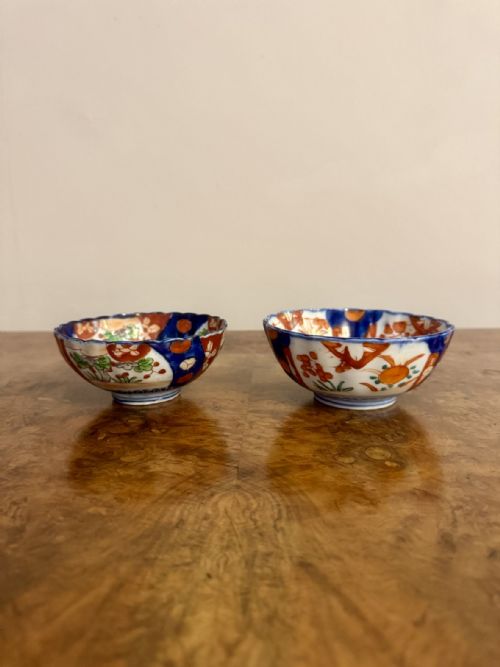
The selections on this page include English porcelain from factories like Worcester and Lowestoft, alongside Chinese export porcelain and Japanese Imari wares. Sugar bowls and larger tea sets frequently appear alongside the standard tea bowls.
Most examples combine cobalt glaze with white porcelain grounds, sometimes accented with gold leaf or enamel details. Their forms reflect the changing tea habits across Georgian and Regency households.
How they were made
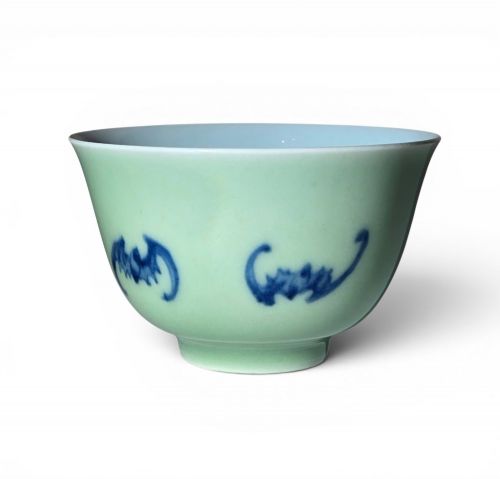
Makers shaped these tea bowls from hard-paste and soft-paste porcelain, applying cobalt glaze before firing to achieve deep blue tones. Underglaze painting required steady hands to place pigments directly onto the porous clay body.
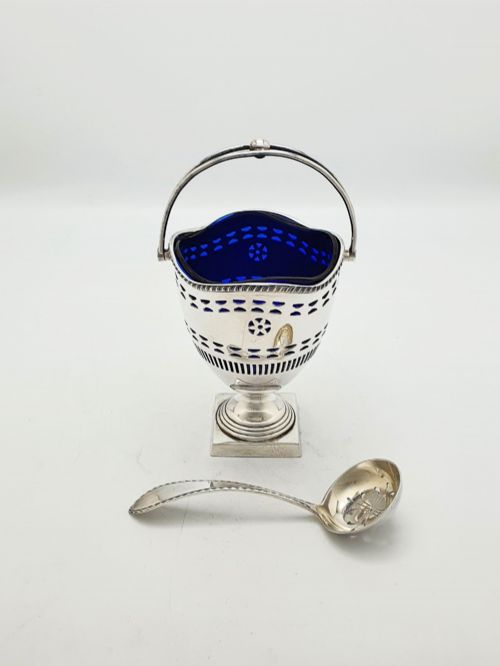
Many items incorporate enamel paints and gold leaf applied over the glaze during a secondary, lower-temperature firing. Silver plate mounts occasionally frame the glass liners found in related sugar bowls.
The listings span multiple eras, including the eighteenth century, Regency period, and Victorian decades.
What varies in quality
The clarity of the cobalt blue under the glaze dictates much of the visual success, separating deep, even tones from blurred or runny pigment. Precision in hand-painted motifs reveals the skill level of the decorator.
The delicacy of the porcelain body, particularly in soft-paste examples, influences the refinement of the piece. Preservation of applied gold leaf and enamel details further distinguishes finer specimens.
Royal Crown Derby·Flight Barr And Barr·Ridgway Porcelain·Royal Davenport·Robert Browne
The Cobalt Blue Tea Bowl Glossary
- Tea bowl
- A handleless drinking vessel used before teacups with handles became standard in British households. These small cups require both hands to hold hot liquids.
- Soft-paste porcelain
- An artificial porcelain mixture fired at lower temperatures than hard-paste porcelain. English factories utilised this material extensively during the eighteenth century.
- Sucrier
- A covered sugar bowl designed to match a tea set or porcelain service. These lidded containers kept loose sugar dry on the tea table.
- Imari
- A style of Japanese export ceramic featuring deep blue underglaze and iron-red enamel, often highlighted with gold. British potteries frequently copied these distinctive patterns.
- Underglaze
- Pigment applied to a ceramic piece before the final glass glaze layer goes on. This technique protects the blue decoration from wear during daily use.
Cobalt Blue Tea Bowl: Frequently Asked Questions
What is a tea bowl?
A tea bowl is a small, handleless drinking vessel designed for early tea drinking customs. They sit comfortably in the palm.
These pieces date predominantly from the eighteenth and nineteenth centuries, reflecting historical tea service rituals.
How were cobalt blue designs applied?
Makers painted cobalt pigments directly onto the unglazed porcelain body before applying a clear glass glaze. The piece then underwent a high-temperature kiln firing.
This process locked the blue colour permanently beneath the protective glassy surface, ensuring lasting durability.
Are these bowls safe for tea?
While historic porcelain remains functional, collectors generally treat these fragile antique pieces with care. Hand washing protects the delicate soft-paste bodies and historic gilding.
Displaying them or using them gently for special occasions preserves their surfaces for the future.
How do I identify eighteenth century pieces?
Eighteenth century tea bowls often feature soft-paste porcelain bodies with subtle flaws from early kiln methods. Hand-painted underglaze blue patterns show individual brushwork variations.
Factory marks, when present, help pinpoint specific makers like Worcester or Lowestoft.