



Blue and Gold Porcelain Bowl
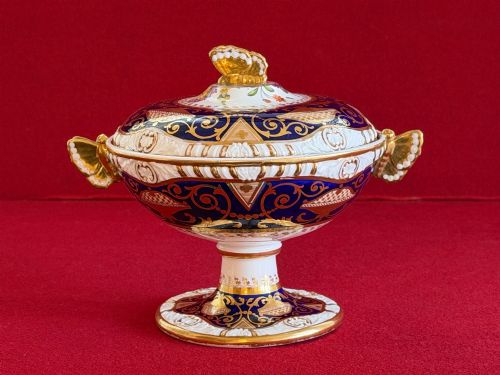
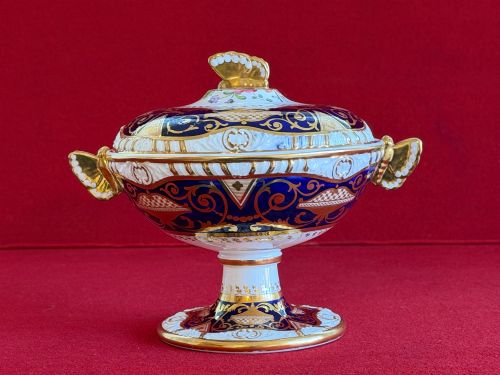
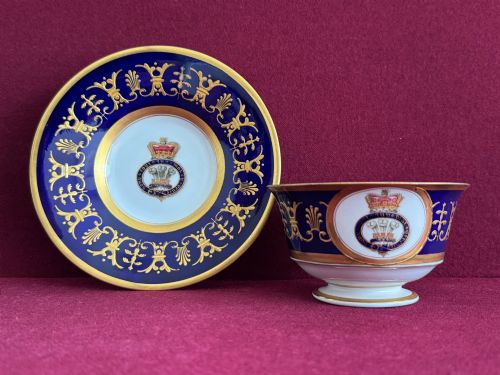
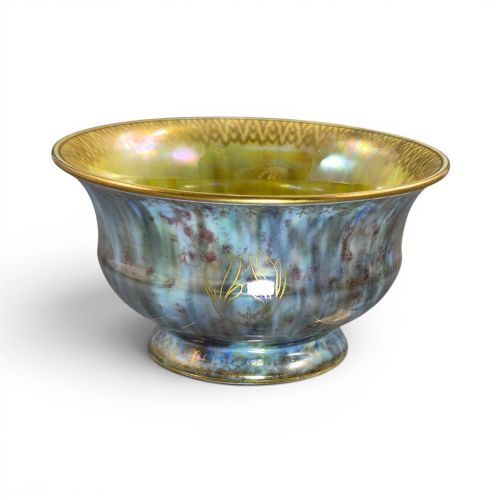
A blue and gold porcelain bowl brings rich cobalt and metallic lustre together, offering a striking display piece for a table or cabinet.
Blue and Gold Porcelain Bowl
These items encompass a variety of vessels designed for display, tea service, and decoration, spanning centuries of ceramic production. When searching for a blue and gold porcelain bowl, a buyer encounters everything from delicate cabinet pieces to large punch bowls and serving dishes.
The selections on this page draw from periods such as the Georgian, Regency, and Edwardian eras, alongside pieces from the Meiji period. Makers like Spode, Wedgwood, and Royal Worcester produced these works using porcelain, felspar porcelain, and earthenware.
Forms range from octagonal bowls and jardinieres to decorative bowls and miniature lustre vessels. Buyers frequently meet pieces featuring cobalt blue grounds combined with intricate gilding, enamel highlights, and hand-painted scenes.
Distinctions in craftsmanship
Quality reveals itself in the precision of the hand-painted details and the depth of the cobalt ground. Finer examples display crisp botanical or landscape painting and meticulous application of gold leaf rather than mechanical transfer printing.
The weight, clarity, and thinness of the porcelain body also signal superior production standards. Pieces bearing signatures from established artists or notable factories demonstrate a higher level of artisanal skill.
Blue and Gold Porcelain Bowl Retail Price Guide 2026
Typical asking prices for blue and gold porcelain bowl among the pieces listed under this phrase on Sellingantiques today, from the lower quarter to the upper quarter. They describe what is for sale here now, not the wider market.
Listings feature porcelain, earthenware, and felspar porcelain across Georgian, Regency, Edwardian, and twentieth-century periods.
Spode·Royal Flight Barr and Barr Worcester·Wedgwood·Derby Porcelain·Doulton Burslem·Coalport·Kinkozan Kyoto·Royal Worcester
The Blue and Gold Porcelain Bowl Glossary
- Felspar porcelain
- A refined ceramic body containing felspar, developed in the nineteenth century to improve durability and whiteness. This material allowed for thinner vessel walls while maintaining structural strength.
- Gilt
- A thin layer of gold applied to the surface of the porcelain for decorative effect. It catches the light and outlines painted cobalt panels.
- Lustre
- A metallic glaze technique that creates an iridescent sheen on the ceramic surface. This finish shifts in appearance depending on the angle of the light.
- Mon
- A Japanese heraldic badge or emblem used to identify families or clans. These crests frequently appear on Satsuma pottery imported from Kyoto.
- Cabinet bowl
- A decorative vessel intended for display in a glass-fronted cabinet rather than everyday use. These items usually feature intricate hand-painted views or elaborate gilding.
Blue and Gold Porcelain Bowl: Frequently Asked Questions
Were these bowls used for dining?
Many larger examples served practical functions at the table, including punch bowls, cream bowls, and serving dishes. Others were strictly ornamental cabinet pieces created to showcase wealth and artistic taste.
Examination of the interior glaze often reveals whether a vessel saw actual culinary use or remained purely decorative.
What is Satsuma pottery?
Satsuma ware is a type of earthenware originating from Japan, characterised by an ivory crackle-glaze decorated with polychrome enamels and rich gilding. Pieces from Kyoto makers combined traditional Japanese motifs with European aesthetic demands.
These imported items became highly sought after during the late nineteenth century.
How do I identify the period?
Makers' marks stamped, printed, or painted on the underside provide the most reliable clue to a piece's age and origin. Stylistic indicators, such as the distinct aesthetics of the Regency or Edwardian eras, also narrow down the date.
Comparing the painting style and paste composition to documented factory examples confirms the manufacturing era.