



Georgian Porcelain Fruit Bowl
A georgian porcelain fruit bowl brings the vibrant hand-painting and crisp potting of the late eighteenth and early nineteenth centuries straight to the table.
Georgian Porcelain Fruit Bowl
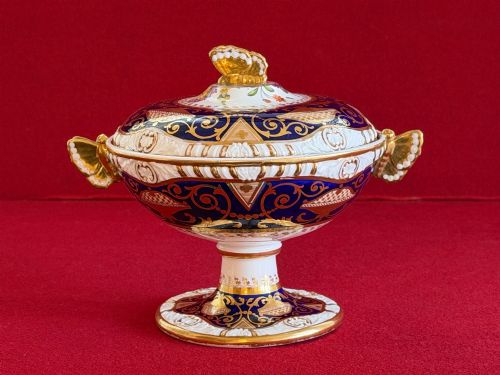
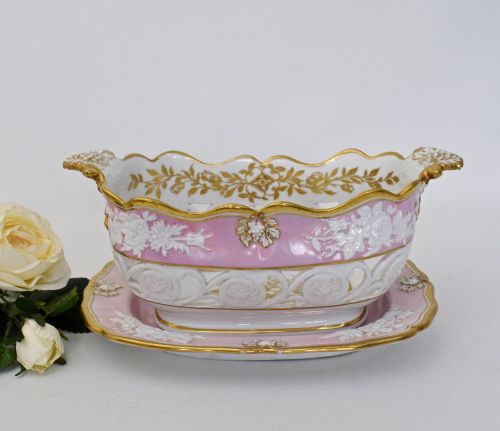
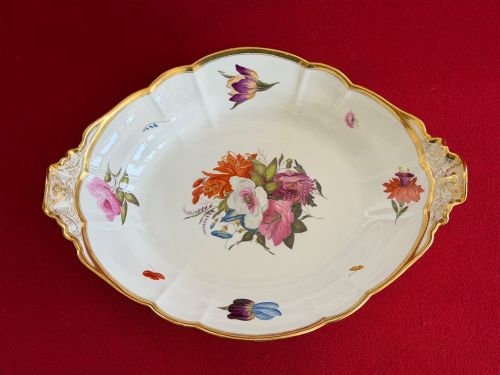
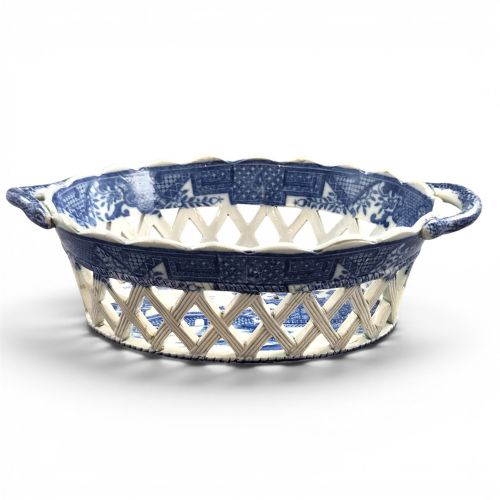
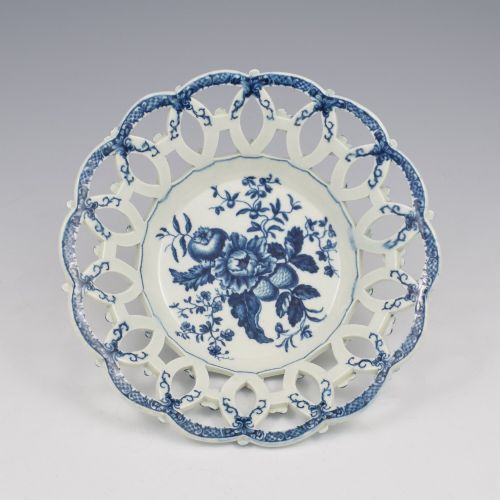
When you search for a georgian porcelain fruit bowl, you are looking at footed comports, punch bowls, and pierced baskets designed to present fruit or sweetmeats on the dining table. These vessels combine functional dining wares with elaborate display pieces spanning the eighteenth and nineteenth centuries.
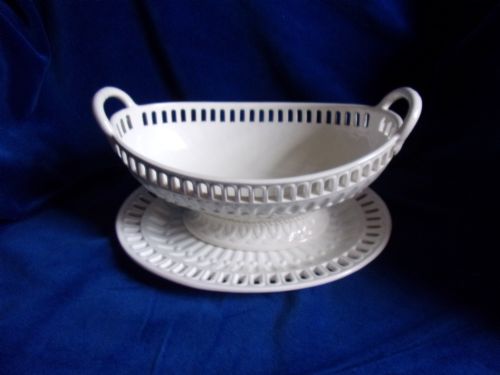
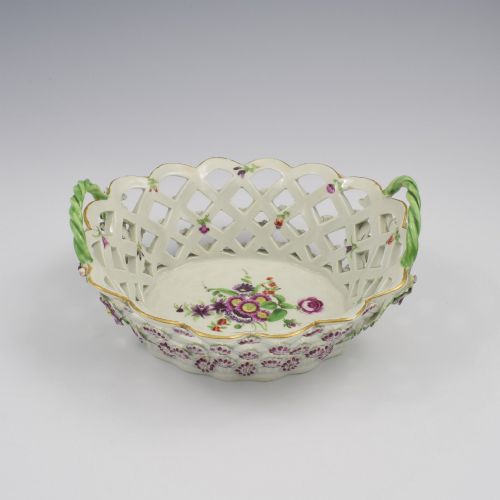
The versions most commonly met on this page include soft-paste porcelain and bone china centrepieces, alongside earthenware creamware and ironstone baskets with pierced or reticulated walls. Many examples arrive with matching stands or trays, reflecting the formal dining customs of the period.
How they were made
Makers utilised soft-paste porcelain, bone china, ironstone, and creamware, shaping them into circular bowls, footed comports, and intricate baskets with pierced walls. Potters often applied reticulated or half-pierced galleries by hand while the clay was still damp.
Decoration relied on hand-painted enamel colours, underglaze blue, and gold leaf accents. Factories such as Worcester and Spode employed skilled painters to execute complex subjects like the Long Bridge or Japan patterns directly onto the glazed surface.
Georgian Porcelain Fruit Bowl Retail Price Guide 2026
Typical asking prices for georgian porcelain fruit bowl among the pieces listed under this phrase on Sellingantiques today, from the lower quarter to the upper quarter. They describe what is for sale here now, not the wider market.
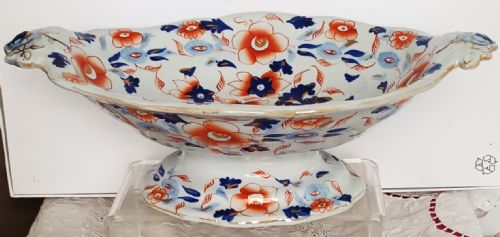
Some nineteenth-century artisans painted exotic insects like the Indian Grasshopper directly onto heavy ironstone fruit baskets.
What varies in quality
Quality rests upon the crispness of the moulding and the delicacy of any pierced or reticulated work. Finer bowls exhibit sharp, clean openings in their basketry walls without distortion from the kiln.
The ambition of the painting also marks the division between standard production and top-tier output. Superior pieces feature detailed hand-applied polychrome enamels and rich gilding executed by named artists rather than factory apprentices.
Spode·Ridgway·Barr Flight and Barr·Wedgewood·Dr Wall Worcester·Chamberlain Worcester
The Georgian Porcelain Fruit Bowl Glossary
- Reticulated
- Pierced in a net-like or openwork pattern. This technique required immense skill to prevent the soft clay or porcelain from sagging during firing.
- Comport
- A footed dish or bowl raised above the table surface for serving fruit. These pieces frequently formed part of larger dessert services.
- Soft-paste porcelain
- An artificial porcelain body composed of clay and glass frit. It produced a warm, creamy translucency common in eighteenth-century English wares.
- Ironstone
- A heavy, durable earthenware patented in the early nineteenth century. It offered a robust alternative to porcelain for utilitarian and display vessels.
- Creamware
- A refined earthenware developed in the eighteenth century with a pale yellow-buff glaze. Wedgwood was among the foremost makers of this body.
Georgian Porcelain Fruit Bowl: Frequently Asked Questions
What was a georgian porcelain fruit bowl used for?
These vessels were created to hold fresh fruit, nuts, or sweetmeats at the conclusion of a formal dinner. Placed centrally on the table, they served both a practical dining function and a decorative display purpose.
Over time, dining habits shifted away from massive tableside displays, turning these bowls into decorative cabinet pieces or centrepieces for sideboards.
How can I tell an eighteenth-century piece from a nineteenth-century one?
Eighteenth-century examples often utilise soft-paste porcelain bodies with hand-potted irregularities and early polychrome enamels. They frequently display the distinctive blue crescent or script marks associated with early Worcester periods.
Nineteenth-century items generally shift towards bone china and ironstone, featuring sharper moulded details, factory pattern numbers, and more mechanised transfer-printing alongside hand-painting.
Why do some bowls include a stand?
The matching stand or tray caught drips from juicy fruits or provided structural elevation for footed baskets on the dining table. They were thrown or moulded alongside the main bowl to ensure matching bodies and glazes.
Finding a bowl and its original stand together indicates a well-preserved service, as these elements were easily separated over centuries of use.