



Gilded Porcelain Sauce Boat
These gilded porcelain sauce boats bring Regency elegance and hand-painted artistry directly to the dining table.
Gilded Porcelain Sauce Boat
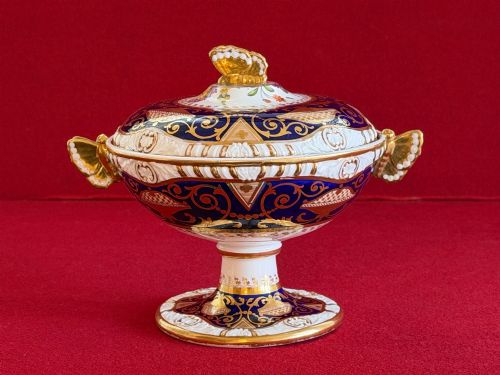
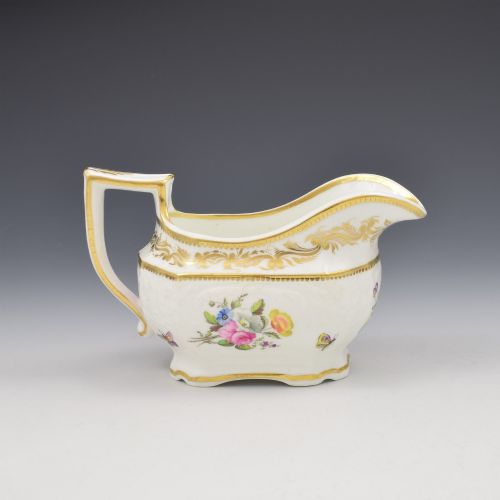
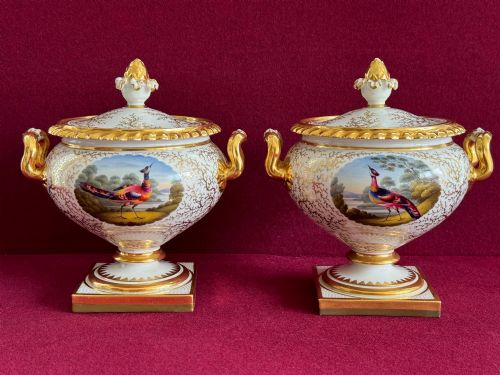
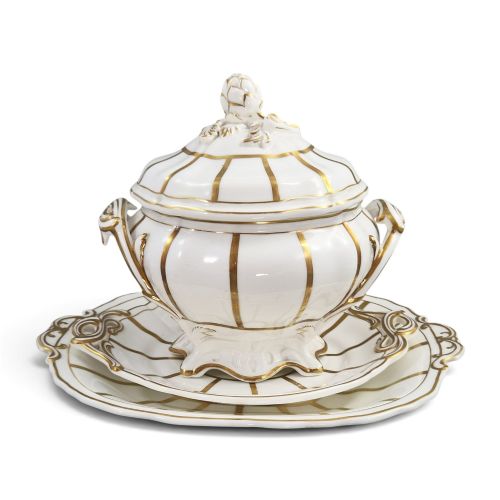
A gilded porcelain sauce boat sits on the table as a refined vessel for serving gravies and creams, drawing the eye with metallic highlights. These tablewares appear primarily in Regency and Victorian forms, alongside eighteenth-century Chinese export and European factory pieces.
The selections here range from covered sauce tureens with matching ladles to individual cream jugs and gravy boats. Forms follow historical dining habits, moving from early Chinese export armorial pieces to robust ironstone and delicate bone china.
Makers and factories represented span English producers like Spode, Davenport, and Worcester, alongside continental works such as Meissen and Derby. Buyers encounter items defined by specific historical patterns and periods rather than simple utility.
Materials and manufacture
Potters shaped these pieces from porcelain, bone china, felspar porcelain, and ironstone, applying glossy glazes before firing. Artisans then built up the decorative surface using enamel colours and gold leaf or gilt details.
Decoration draws on traditional techniques, incorporating hand-painted motifs, Imari palettes, and Chinese export styles. Artisans often moulded handles and rims with sculptural relief, incorporating applied gilt highlights to accentuate the contours.
Gilded Porcelain Sauce Boat Retail Price Guide 2026
Typical asking prices for gilded porcelain sauce boat among the pieces listed under this phrase on Sellingantiques today, from the lower quarter to the upper quarter. They describe what is for sale here now, not the wider market.
Two quails gaze across an antique Derby gravy jug, keeping watch over centuries of dinners.
Judging quality and finish
Quality rests in the crispness of the porcelain body and the precision of the hand-painted enamel work. Superior examples show careful application of gold leaf and well-preserved surface detail across handles and lids.
The integrity of the form and the clarity of factory marks or pattern numbers distinguish finer pieces. Pieces retaining original matching elements, such as ladles or covers, demonstrate greater completeness.
Spode·Flight Barr And Barr·Davenport·Meissen·Derby
The Gilded Porcelain Sauce Boat Glossary
- Bone china
- A type of porcelain incorporating bone ash for added strength and a bright white body. This material allowed makers to produce thinner, more refined tableware.
- Felspar porcelain
- An innovative ceramic body developed in the nineteenth century using felspathic rock. It offered exceptional durability and a smooth surface for gilding.
- Imari
- A decorative style inspired by Japanese export wares, typically utilising a palette of cobalt blue, iron red, and abundant gilt. This aesthetic proved popular across various European porcelain factories.
- Armorial
- A ceramic design featuring a hand-painted family coat of arms. These bespoke pieces were frequently commissioned for wealthy households during the eighteenth century.
Gilded Porcelain Sauce Boat: Frequently Asked Questions
How were sauce boats used historically?
These vessels stood on dining tables to serve liquid accompaniments like gravy, melted butter, or cream during formal meals. Servants passed them or guests used them directly depending on the dining customs of the period.
Their presence added a decorative element to the tablescape, matching broader dinner service sets of porcelain or ironstone.
How do I distinguish Regency pieces from Victorian ones?
Regency items often display neoclassical restraint, lighter porcelain bodies, and refined hand-painted botanical or abstract motifs. Flight, Barr and Barr pieces from around eighteen-twenty exemplify this lighter aesthetic.
Victorian pieces tend toward heavier bodies, such as ironstone or dense bone china, with bolder moulded decoration and more expansive service sets.
What is the difference between a sauce boat and a tureen?
A sauce boat is an open vessel with a spout for pouring liquids directly onto plates. A sauce tureen includes a fitted lid and often rests on an attached or separate base plate.
Tureens kept warmer sauces covered on the table, whereas boats offered immediate utility for pouring.