


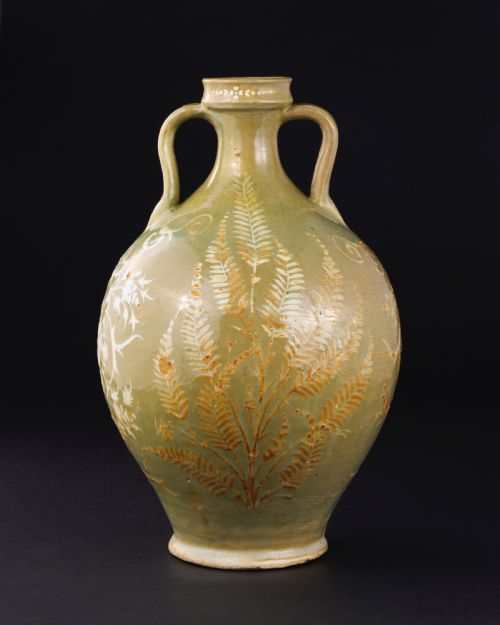


17th Century Pottery
These pieces of 17th century pottery span global kilns, offering collectors tangible links to historic trade routes and domestic hearths alike.

17th Century Pottery
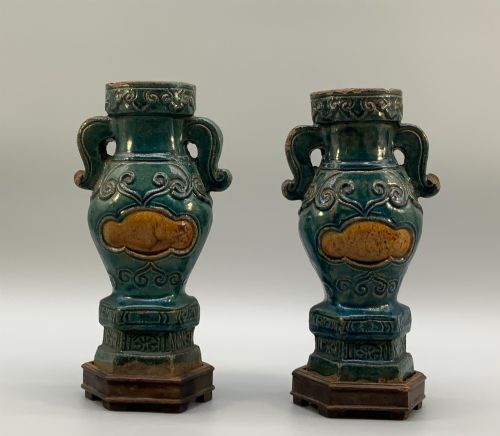
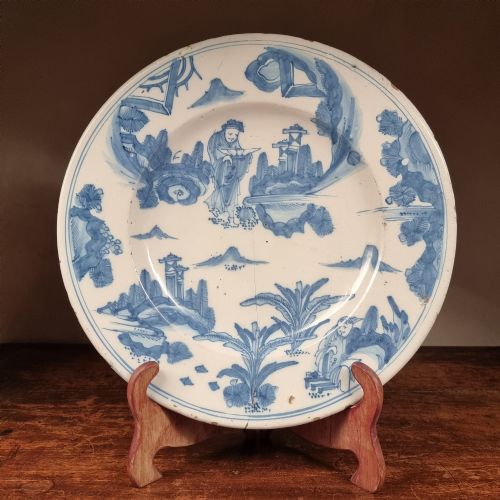
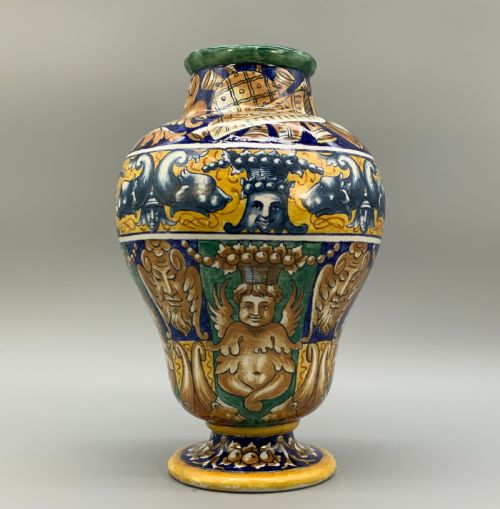
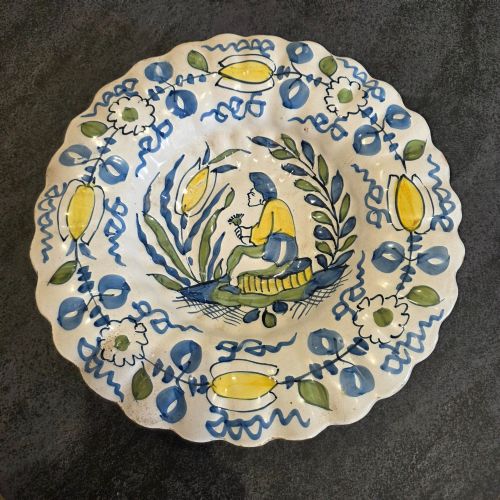
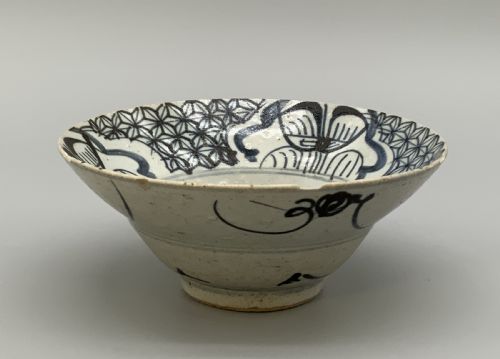
When seeking 17th century pottery, collectors encounter a remarkably diverse group of ceramics that originated across Europe, the Middle East, and Asia. The inventory frequently centres on Dutch Delft chargers, Chinese porcelain bowls, and English slipware vessels made during this dynamic era.
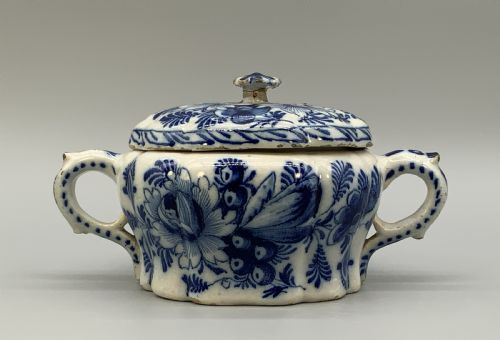
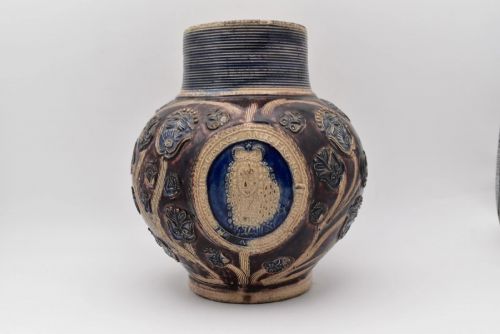
The objects take many forms, including large decorative plates, drug jars, posset pots, and heavy tavern jugs. Buyers are most likely to meet tin-glazed earthenware and porcelain, reflecting the period's fascination with imported motifs and local utilitarian production.
Materials and construction methods
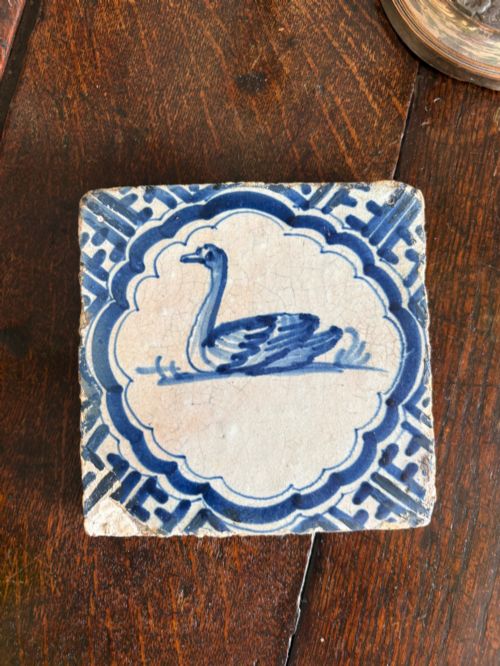
Potters of this era relied heavily on earthen clays shaped by hand or wheel, then coated with opaque tin glazes or translucent lead glazes to seal the porous body. Cobalt pigment provided the deep blue tones seen on many European and Asian wares, applied directly beneath or over the glaze before firing.
Techniques varied from the delicate brushwork of Chinese blue and white porcelain to the robust, slip-trailed decoration found on English and Dutch earthenware jugs. Artisans utilised simple kilns where temperature control was difficult, resulting in the characteristic surface imperfections and tonal variations recorded in these pieces.
Listings feature earthenware, porcelain, and stoneware alongside tin and lead glazes applied across the seventeenth century.
Distinguishing quality in early ceramics
The standard of 17th century pottery is measured by the crispness of the painted decoration, the stability of the glaze, and the structural integrity of the ceramic body. Superior examples display confident, fluid brushwork and balanced proportions, whereas lesser pieces often show muddy pigments or uneven glazing.
Preservation plays a major role in the standing of an item, distinguishing intact vessels from those with extensive historical repairs or heavy glaze loss. The sophistication of the kiln technology and the purity of materials used also separate standard utilitarian wares from ambitious court or export commissions.
The 17th Century Pottery Glossary
- Tin-Glazed Earthenware
- Pottery coated with a glaze containing tin oxide that fires to an opaque white finish. This surface served as an ideal white ground for painted decoration in blue, manganese, and polychrome pigments.
- Slipware
- Earthenware decorated with liquid clay, known as slip, trailed or brushed over a contrasting body before glazing. This technique was common for sturdy domestic vessels like tavern jugs and posset pots.
- Kraak
- A style of Chinese export porcelain characterised by panelled borders and central motifs depicting birds, flowers, or landscapes. These pieces were widely imitated by European tin-glaze potteries.
- Albarello
- A cylindrical earthenware jar designed to hold apothecary drugs, spices, or ointments. The waist is typically indented to allow handlers a secure grip.
- Posset Pot
- A multi-handled ceramic vessel used for serving a warm, spiced milk and wine drink during social gatherings. They often feature spouts and elaborate covers.
17th Century Pottery: Frequently Asked Questions
How do I clean old pottery safely?
Dust these fragile ceramic pieces gently with a soft, dry brush and avoid submerging items with old repairs or unglazed areas in water.
Moisture can penetrate porous earthenware bodies and destabilise historical adhesives or mineral deposits accrued over centuries.
What is tin-glazed earthenware?
Tin-glazed earthenware is pottery covered in a lead glaze made opaque by the addition of tin oxide, creating a white background.
Potters painted directly onto this absorbent surface with metal oxides before a final kiln firing fixed the design.
How can I tell Dutch Delft from Chinese porcelain?
Dutch Delft uses a softer earthenware body covered in an opaque white tin glaze, whereas Chinese pieces consist of a dense, vitrified porcelain body.
Examining the unglazed foot rim usually reveals the lighter, coarser clay of European earthenware compared to the hard, white paste of porcelain.
Were these items used daily?
Many objects, such as slipware jugs and posset pots, served practical functions in domestic households and taverns for serving food and drink.
Conversely, large chargers and delicate porcelain vases were primarily intended for display on walls or sideboards to signal wealth.