
Earthenware Pottery Jug
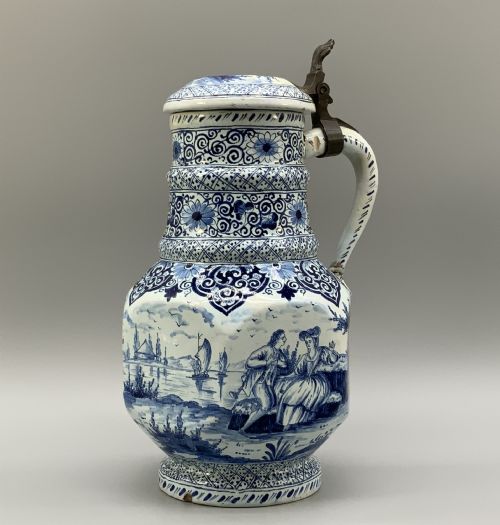
An earthenware pottery jug carries the weight of practical use and domestic history, offering tactile surfaces and slip or transfer-printed decoration that ground a room.

Earthenware Pottery Jug
An earthenware pottery jug is a vessel fashioned from porous clay and fired at lower temperatures, then coated in tin glaze, creamware, or metallic lustre. When you search for this phrase, you encounter forms ranging from Georgian transfer-printed creamware to Victorian Staffordshire character jugs.
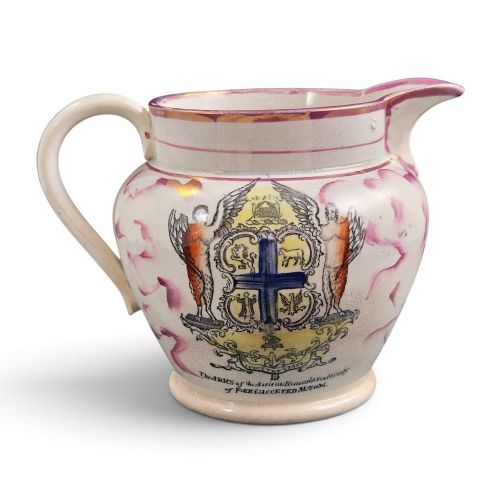
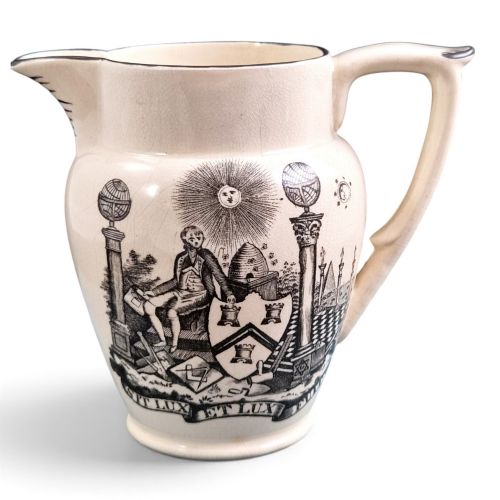
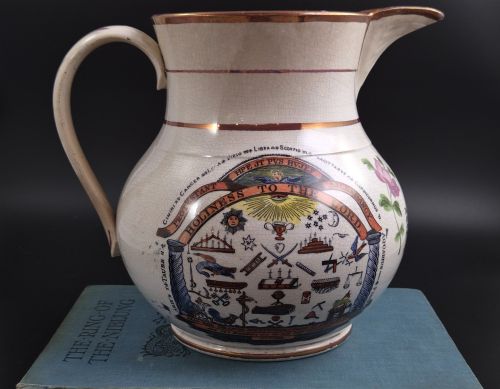
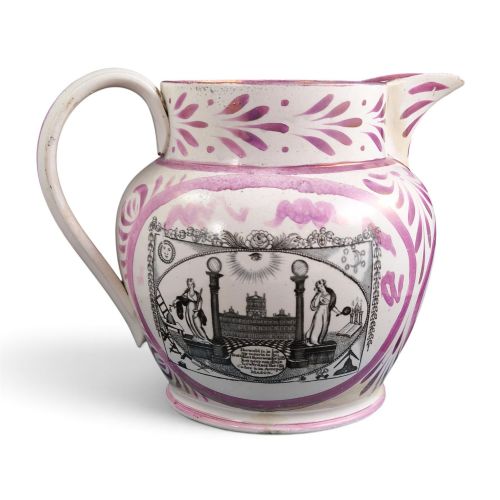
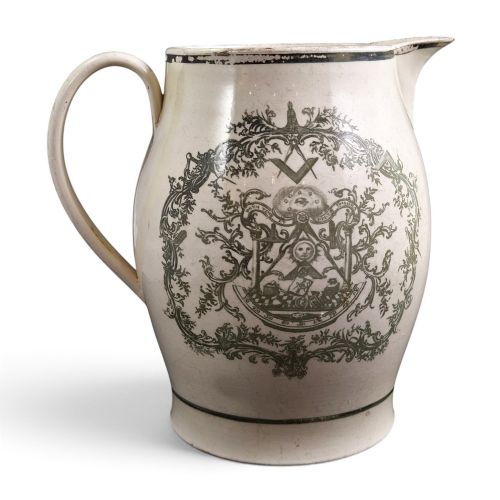
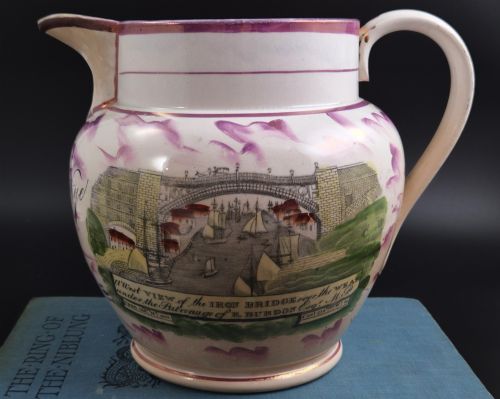
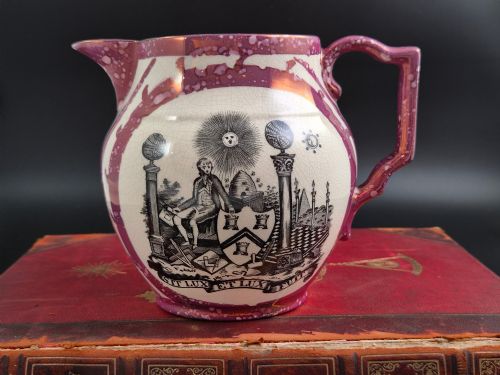
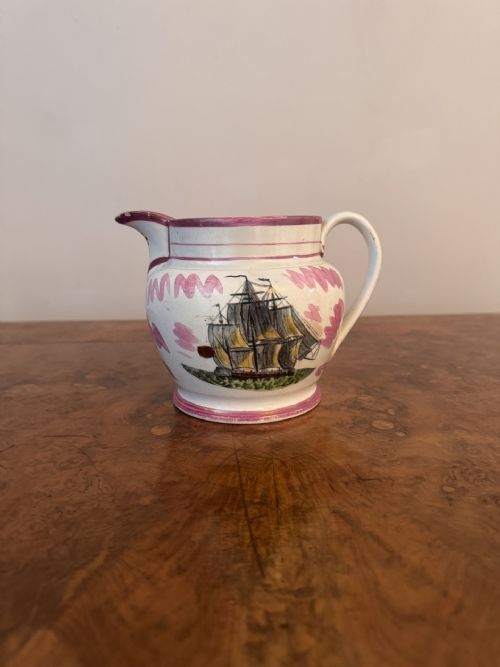
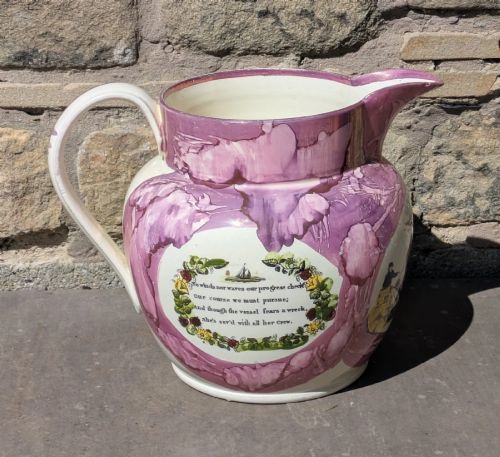
You are most likely to meet 19th century examples on this page, particularly Sunderland lustre pieces decorated with maritime themes, masonic symbols, or transfer prints. These utilitarian items served everyday pouring functions before becoming decorative mantelpiece objects.
Materials and construction
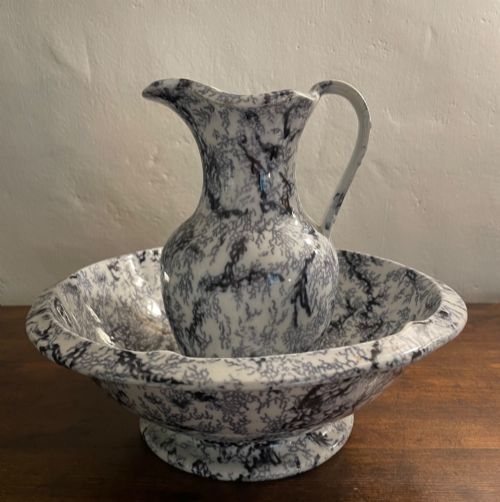
Potters shaped these vessels from local clays before applying lead or tin glazes to create a non-porous surface suitable for liquids. Many pieces then received polychrome enamel painting, flow blue colouration, or copper and pink splash lustre treatments.
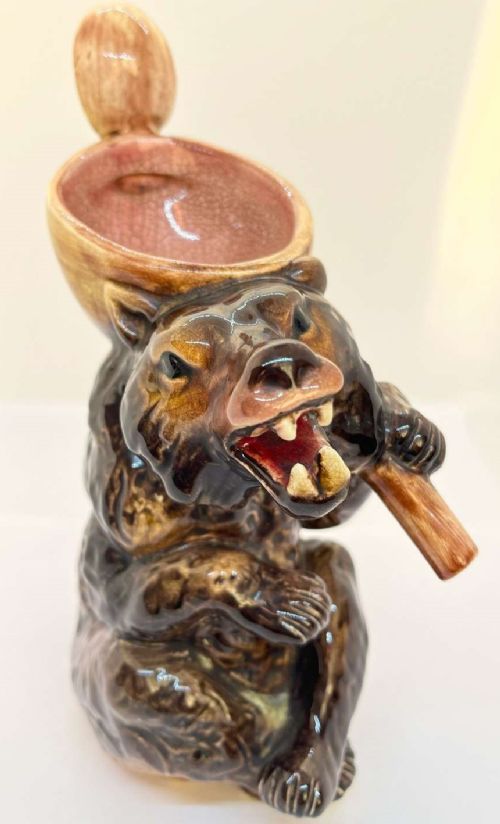
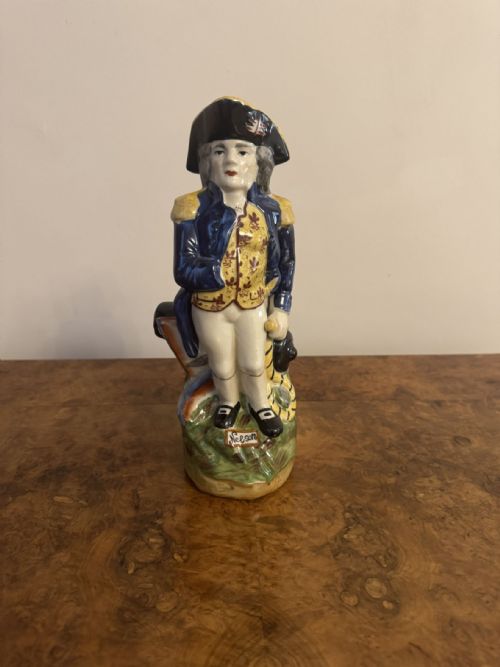
Decoration relied heavily on transfer printing for intricate historical, Masonic, or topographical scenes, alongside slipware trailing and moulded details found on Toby jugs and cow creamers.
Early puzzle jugs present a playful challenge by hiding the liquid in a hollow rim with secret holes that spill on the unwary drinker.
Assessing craftsmanship and finish
Quality rests in the crispness of the transfer print and the control shown in the hand-painted enamel highlights or lustre application. Superior pieces display deep, even glaze coverage without excessive firing flaws or pooling.
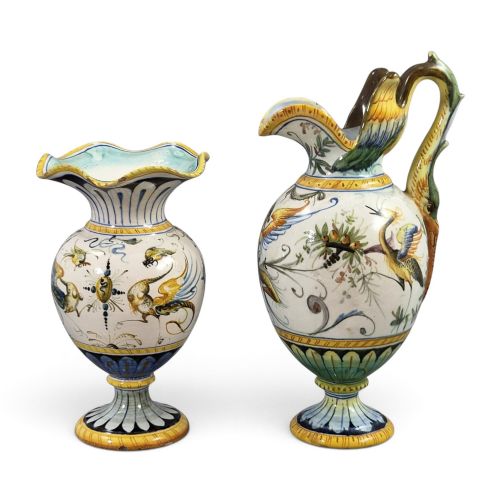
Holdcroft·Cantagalli·Royal Doulton·Keeling and Co
The Earthenware Pottery Jug Glossary
- Creamware
- A fine earthenware developed in Yorkshire and Staffordshire featuring a pale yellow or cream-coloured lead glaze. It became the dominant domestic ceramic ware of the Georgian period.
- Lustreware
- Earthenware coated with a metallic film that creates an iridescent, reflective surface. Sunderland potteries specialised in pink splash effects achieved by oil-droplet techniques during firing.
- Transfer printing
- A decoration method where an engraved copper plate transfers a design onto paper and then onto the unglazed or bisque ceramic surface. This allowed complex historical and maritime scenes to be reproduced consistently.
- Toby jug
- A pottery jug modelled in the form of a stout, jovial person usually holding a beer mug and a pipe. They date predominantly from the 18th and 19th centuries in English Staffordshire potteries.
- Slipware
- Pottery decorated with slip, which is a liquid mixture of clay and water applied through trailing or dipping before firing. It produces raised linear patterns common on earlier vernacular pieces.
Earthenware Pottery Jug: Frequently Asked Questions
How do I date an earthenware jug?
Dating relies on stylistic clues, glaze characteristics, and specific transfer-printed events or named ships recorded on the body. Creamware bodies and hand-painted polychrome enamels typically point to Georgian origins, while pink lustre and rich transfer prints signal Victorian manufacture.
Examining the base for kiln marks, crazing patterns, and footring wear helps narrow the period further. Unmarked vernacular pieces often require comparison with dated commemorative examples from the same regional pottery.
Were these jugs used for daily dining?
Most earthenware jugs served practical household roles for pouring milk, water, beer, or cider before transitioning to display pieces. Robust creamware and slipware vessels endured heavy kitchen use, while lustre jugs often commemorated fraternal societies or maritime voyages.
Larger pitchers held liquids at tavern tables or communal gatherings, whereas smaller creamers accompanied tea services. Over time, their decorative transfer prints turned them into mantelpiece ornaments rather than working tableware.
What is pink splash lustre?
Pink splash lustre is a decorative technique involving metallic gold or copper compounds applied over a white tin glaze to create a mottled, pinkish metallic sheen. Potters flicked oil onto the surface during the kiln firing to break the metallic film into distinct splashes.
This finish is characteristic of 19th century Sunderland potteries, particularly on jugs featuring maritime scenes and verse. The shimmering effect caught candlelight and added colourful brilliance to otherwise monochrome transfer prints.