





Ancient Ceramic Vessel
An ancient ceramic vessel holds the physical weight of distant civilisations, bringing raw, earth-hewn form and millennia of human history into a modern room.
Ancient Ceramic Vessel
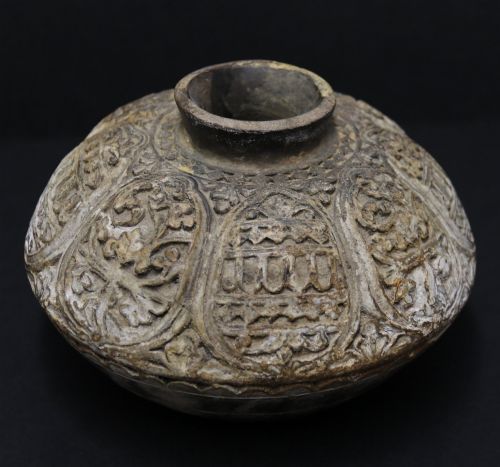
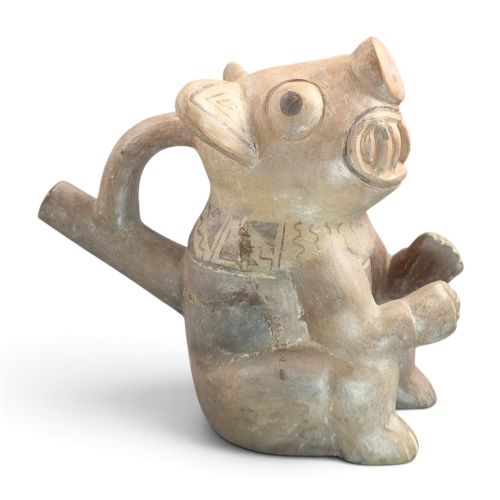
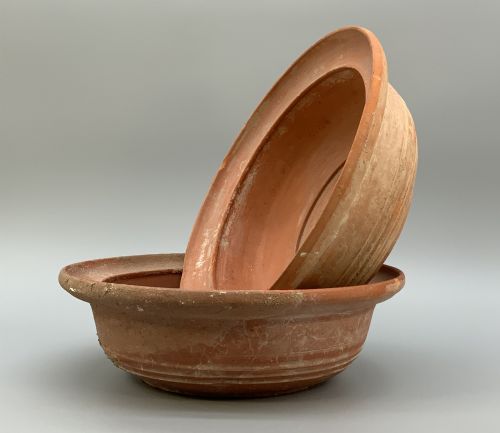
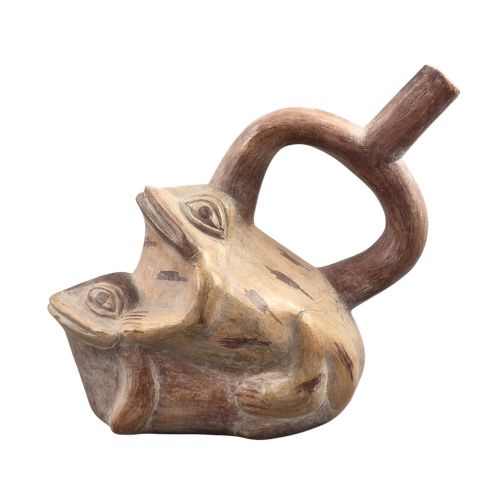
When you search for an ancient ceramic vessel, you encounter objects shaped by hands across millennia, spanning pre-Columbian cultures, Chinese dynasties, and early Islamic Persia. The pieces listed here most commonly take the form of terracotta bowls, zoomorphic water vessels, and early glazed vases.
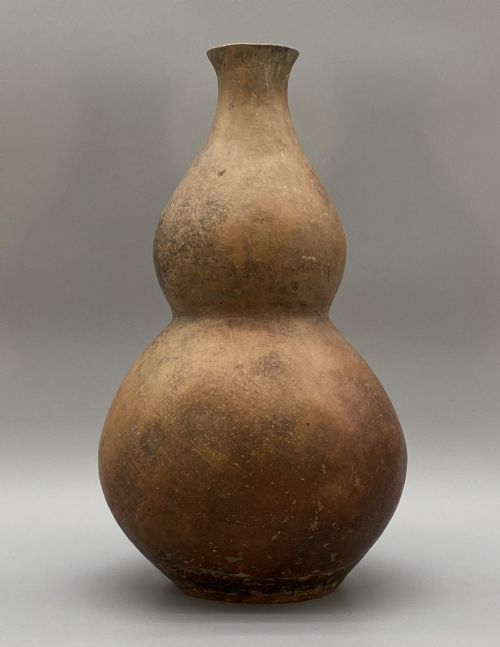
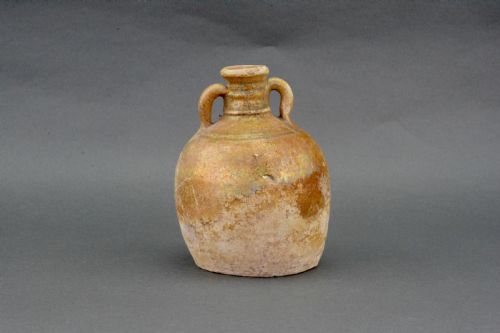
The material evidence bridges distant geographies, ranging from Neolithic Chinese double-gourd vases to early Greek antiquities and late Roman flasks. Surviving through pre 16th century, 15th century, and 17th century periods, these forms represent both utilitarian storage and sacred ritual objects.
Collectors meet specific regional traditions on this page, including Han and Tang dynasty pottery alongside Persian slip-painted bowls and Moche terracotta figures. Each object offers a tangible connection to ancient domestic life, burial rites, and scholarly pursuits.
Materials and construction methods
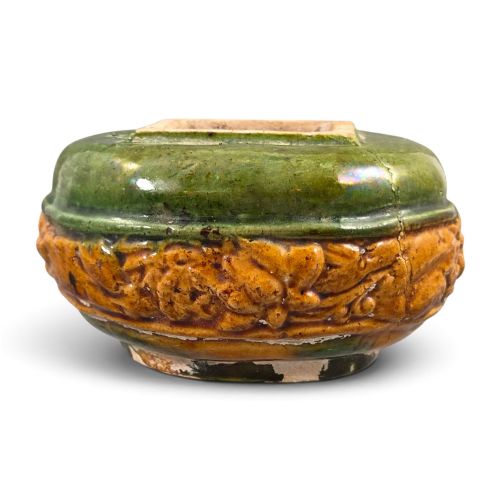
Potters shaped these vessels from local clay and terracotta, building forms by hand or throwing them on early wheels before firing them in primitive kilns. Pigments and slips added surface decoration, while later pieces incorporated lead glaze, turquoise glaze, and fritware for vitrified finishes.
The surviving surfaces display the direct interaction between raw earth, mineral colour, and kiln fire. Artisans utilised slip-painting and lustre techniques to render figures and geometric patterns onto the clay bodies before firing.
Ancient Ceramic Vessel Retail Price Guide 2026
Typical asking prices for ancient ceramic vessel among the pieces listed under this phrase on Sellingantiques today, from the lower quarter to the upper quarter. They describe what is for sale here now, not the wider market.
Listings span multiple millenniums, incorporating earthenware, terracotta, and fritware across Chinese, pre-Columbian, and Persian cultures.
Evaluating ancient ceramic vessel quality
Quality rests in the integrity of the surviving form, the crispness of moulded or painted details, and the stability of the ancient clay body. Pieces that retain their original surface patination, pigment, and glaze integrity stand apart from heavily restored examples.
The sophistication of the early ceramicist dictates the success of the piece, visible in the balanced proportions of a double-gourd vase or the expressive modelling of a zoomorphic vessel. Depth of glaze and clarity of figural depiction separate ordinary utility wares from masterworks of antiquity.
The Ancient Ceramic Vessel Glossary
- Terracotta
- A porous, unglazed or slip-covered fired earthenware of a brownish-red colour. It forms the base material for many pre-Columbian and early Chinese figures.
- Fritware
- A stonepaste ceramic body developed in the Near East using quartz powder, white clay, and glass frit. This mixture allowed potters to achieve thinner walls and finer carved details.
- Slip
- A liquid mixture of clay and water applied to pottery before firing to smooth the surface or create painted designs. Nishapur bowls frequently utilise this technique for figural decoration.
- Lead glaze
- A shiny, protective coating applied to earthenware and fired at relatively low temperatures. It provides a glossy finish that intensifies underlying pigment colours.
- Ornithomorphic
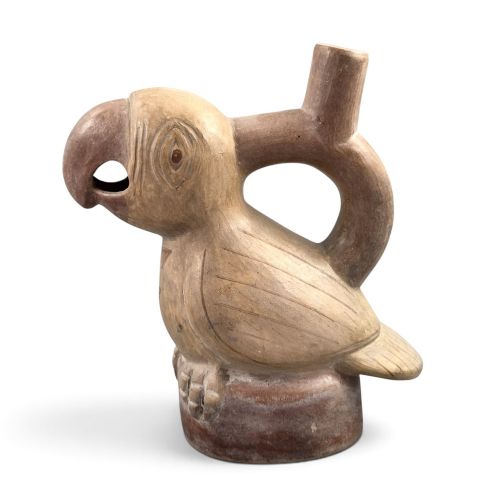
- Shaped in the form of a bird. This term describes ancient ritual vessels modelled directly on avian anatomy.
Ancient Ceramic Vessel: Frequently Asked Questions
How old is an ancient ceramic vessel?
The pieces on this page span several millennia, stretching from Neolithic Chinese cultures and pre-Columbian civilisations through to the Tang dynasty and early Islamic Persia.
Most items date from the pre 16th century period, with specific examples reaching back over two thousand years.
Can I use an ancient vessel for water or plants?
These pieces are archaeological antiquities and delicate ceramics rather than functional household tableware. Porous terracotta and ancient earthenware can be damaged by moisture and modern cleansing agents.
Display them in stable environments away from direct water contact to preserve their fragile clay bodies and original surfaces.
How do I identify a Persian slip-painted bowl?
Persian slip-painted wares from Nishapur typically feature contrasting mineral pigments applied over a buff earthenware body. The decoration often includes geometric motifs or figurative scenes such as seated figures.
These pieces rely on brushed clay slips rather than glassy glazes for their surface imagery.