


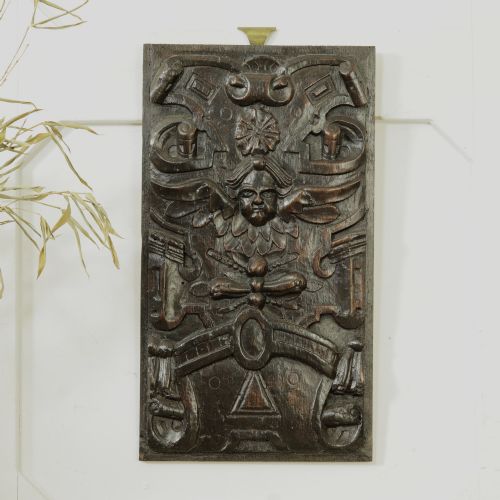
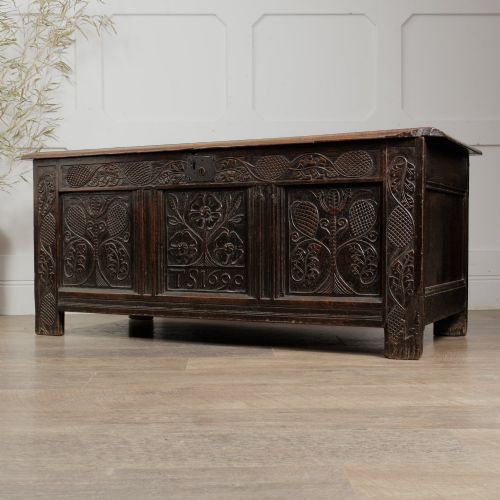
17th Century Oak Paneling
These pieces of 17th century oak paneling bring centuries of English interior history into a modern room through solid timber and hand carving.
17th Century Oak Paneling
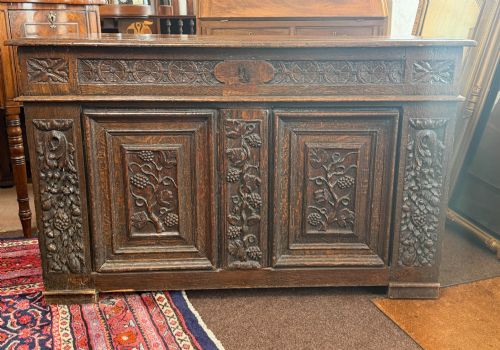
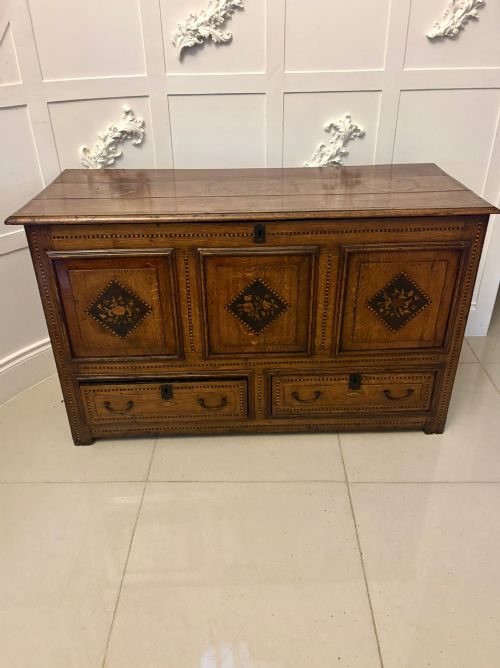
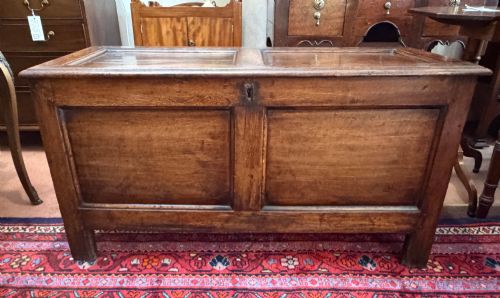
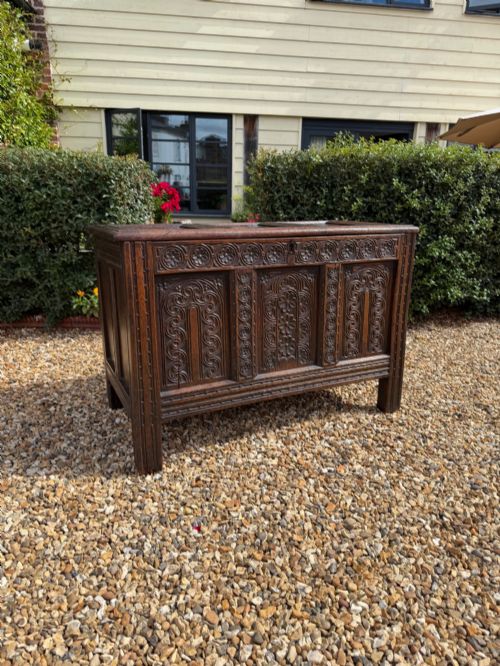
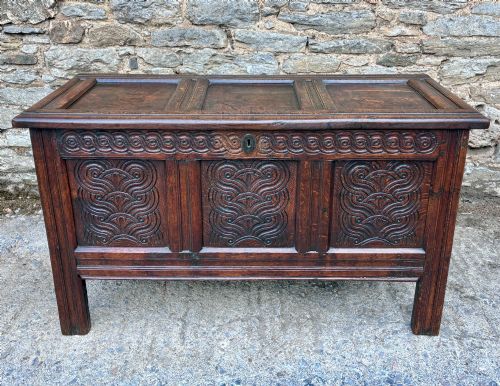
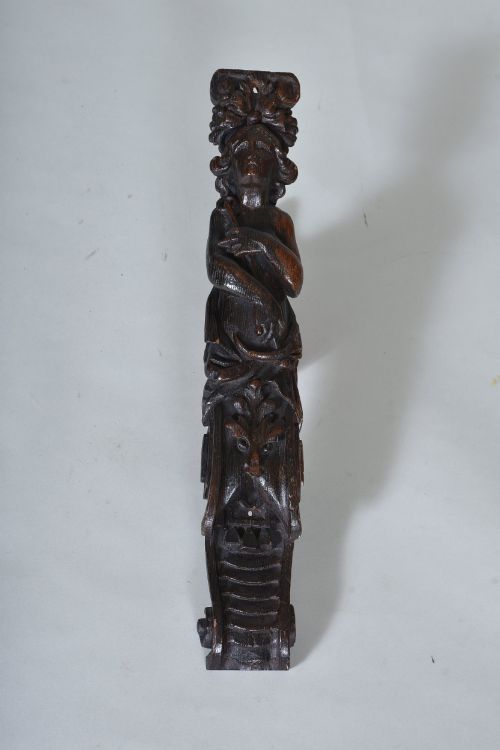
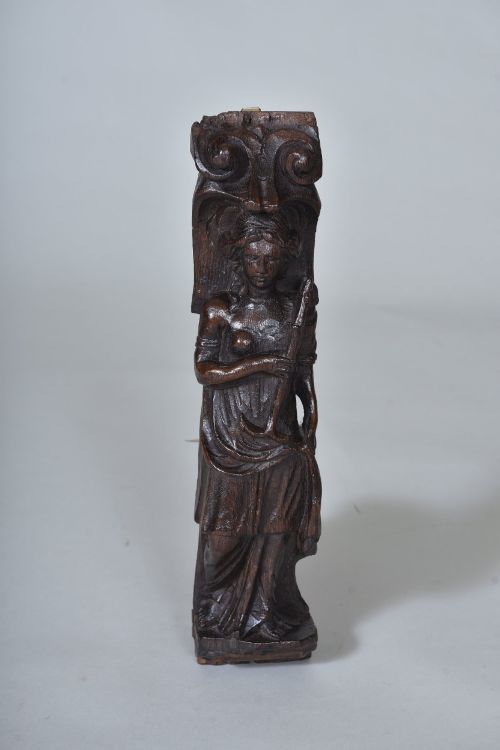
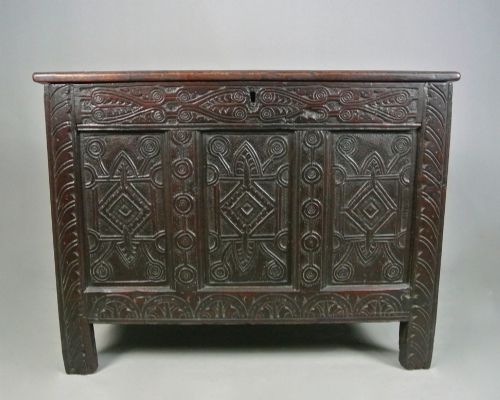
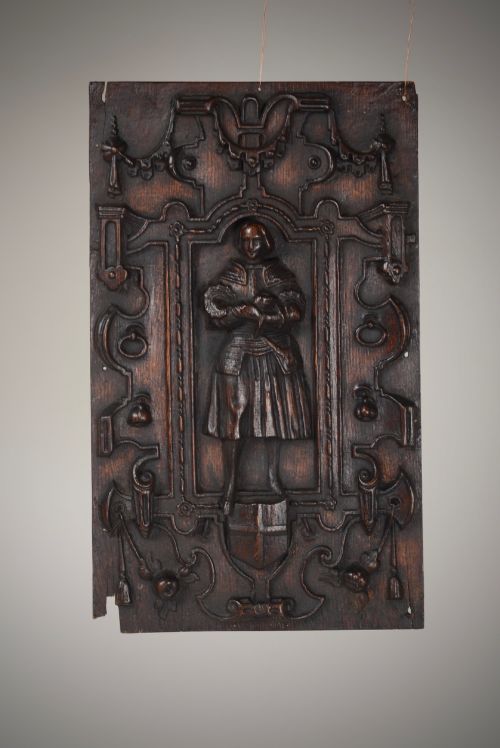
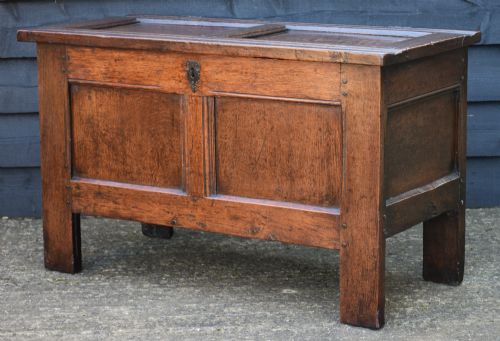
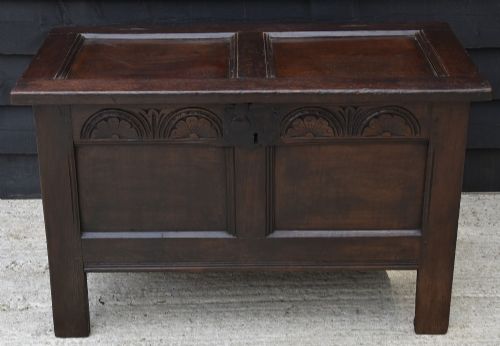
When you search for 17th century oak paneling, you encounter architectural woodwork alongside furniture built with panelled construction, such as coffers, mule chests, and wainscot armchairs. The most common form on this page is the oak coffer or blanket chest, alongside carved architectural panels and chests of drawers.
The periods represented stretch from the 16th century through the 17th century, with later revivals appearing from the 19th and early 20th centuries. These items originate predominantly from English workshops, alongside examples from Wales and the Netherlands.
Materials and construction methods
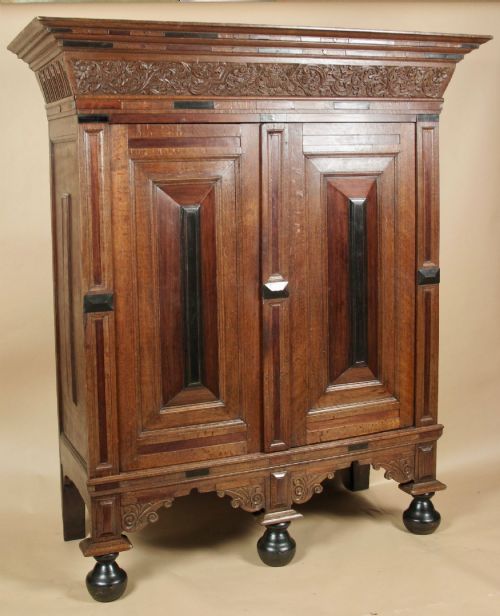
Solid oak serves as the primary material, occasionally combined with secondary timbers like rosewood and ebony, or enhanced with marquetry inlay. Iron and brass hardware such as hinges and locks provide structural function to storage pieces.
Makers utilised traditional joinery techniques, including frame-and-panel construction to accommodate timber movement, alongside high-relief hand carving and oil paint finishes.
Distinctions in craftsmanship and survival
The depth, crispness, and complexity of the hand carving separate standard items from superior examples. Architectural panels and coffers featuring detailed figural work or intricate geometric patterns display a higher grade of artisan skill.
Surface preservation and timber patination dictate the character of each piece. Retaining an original unpainted or gently oxidised surface demonstrates better historical survival than heavily restored timber.
The 17th Century Oak Paneling Glossary
- Coffer
- A large wooden chest used historically for storing valuables, textiles, or documents. These storage pieces often feature front panels divided by stiles and rails.
- Wainscot armchair
- A heavy wooden chair constructed with panelled backrests and solid seat boards, typical of the 17th century. They utilise frame construction derived from wall panelling techniques.
- Marquetry inlay
- The art of applying decorative pieces of veneer to a structure to form geometric or floral designs. This technique adds contrasting tones using different woods.
- Linenfold
- A style of wood carving that imitates folded linen cloth, frequently used on panels during the 16th and 17th centuries. It provides a tactile texture to flat wooden surfaces.
- Stile and rail
- The vertical and horizontal framing members that enclose a central floating panel. This traditional jointing method allows solid oak to expand and contract with humidity changes.
17th Century Oak Paneling: Frequently Asked Questions
How were these wooden coffers used originally?
These storage chests held precious household goods, documents, and textiles in domestic rooms before fitted wardrobes existed. Their sturdy construction allowed them to double as seating benches.
Over time, their primary function shifted from utilitarian storage to decorative furniture that displayed the wealth and status of a household.
How do I care for 17th century oak furniture?
Keep wooden pieces away from direct heat sources and sudden temperature fluctuations to prevent the solid oak from splitting. Maintain the timber by applying natural wax sparingly to preserve the surface patina.
Avoid using modern liquid polishes or silicone sprays, which can penetrate the grain and damage historic finishes.
How can I tell an original 17th century piece from a later revival?
Examine the construction joints, tool marks, and timber shrinkage patterns for consistency with 17th-century workshop practices. Pegs holding the joints together should appear hand-cut rather than uniformly machine-turned.
Revival pieces made during the 19th or 20th centuries often exhibit cleaner machine milling and lack the natural wear patterns accumulated over centuries of use.