


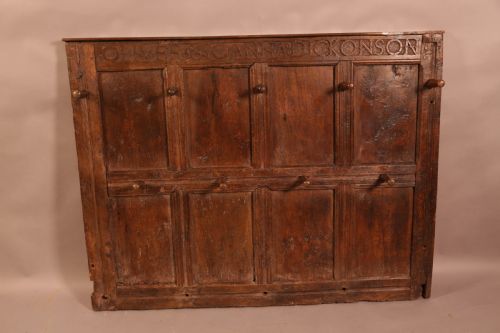


Carved Oak Frieze Panel
A carved oak frieze panel brings the robust texture of centuries past directly into a room, offering rich architectural history for your walls.
Carved Oak Frieze Panel
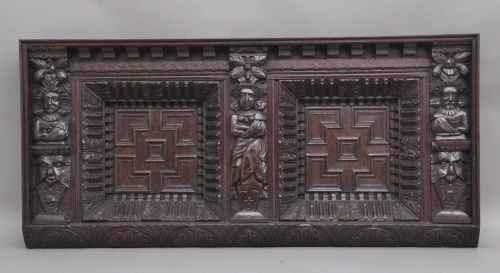
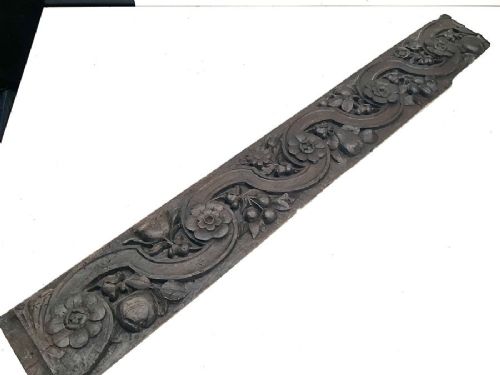
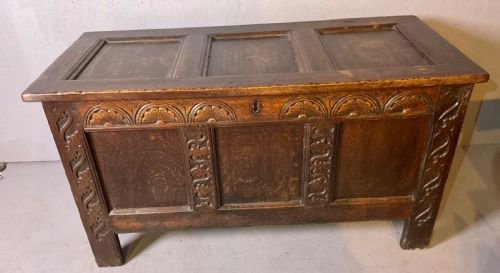
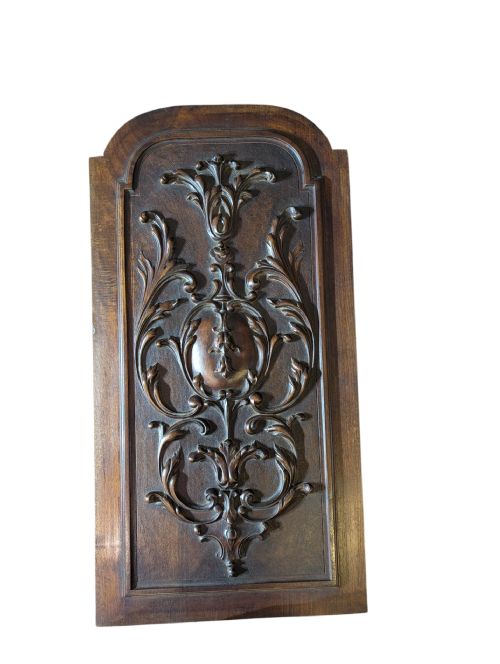
When you search for a carved oak frieze panel, you encounter fragments of historic architecture and furniture built to endure. The pieces appearing here predominantly span the seventeenth and eighteenth centuries, reflecting vernacular traditions as well as grander stylistic impulses. You will find standalone architectural elements alongside panels integrated into coffers, chests, and overmantles.
The aesthetic vocabulary encompasses Tudor, Jacobean, and Baroque influences, often displaying deep relief carving. Subjects range from foliate motifs and heraldic arms to figurative scenes such as the chicken thief or wild boar hunting. Most examples originate from English workshops, with occasional continental European craftsmanship represented.
These artefacts serve equally well as wall-mounted works of art or as structural components within larger period interiors. Their survival demonstrates the enduring appeal of dense timber worked by historical hands. Each item bears the distinct marks of its period, whether from the seventeenth century or the Georgian era.
Materials and construction methods
The primary material across these pieces is oak, selected for its strength, durability, and handsome grain structure. Craftsmen also utilised walnut, timber, and occasional accents of brass or iron fixings. Surface treatments sometimes include remnants of early paint or leaf gilding, highlighting the carved details.
Carpenters and carvers shaped these panels using hand tools such as gouges, chisels, and drawknives. The relief carving was executed directly into the seasoned timber, creating deep shadows and high-contrast projection. Joinery relied on traditional pegged mortise and tenon frames to house the decorative panels.
Among the carved figures looking down from these centuries-old panels, a startled chicken thief shares wall space with winged cherubs and wild boars.
Assessing quality and craftsmanship
Quality in a carved oak frieze panel rests principally on the depth, fluency, and ambition of the hand carving. Superior examples display confident tool control and sophisticated composition, whereas lesser pieces feature stiff or repetitive execution. The proportion and rhythm of the repeating motifs dictate the visual success of the frieze.
The integrity of the timber and the extent of original material also determine standing within the category. Panels that retain their original surface patination and structural context command greater appreciation than heavily restored or assembled compositions. The crispness of the edges and the stability of the oak ground further distinguish finer works.
Edward Pearce
The Carved Oak Frieze Panel Glossary
- Frieze panel
- A horizontal decorative band of timber, typically carved in relief, designed to sit beneath a cornice or above panelling. It forms the focal point of many architectural interiors and furniture upper sections.
- Coffer
- A large wooden chest used historically for storage, often featuring carved front panels and friezes that showcase the maker's skill. These storage pieces frequently incorporate the panels sought by collectors.
- Relief carving
- A sculptural technique where figures or ornamentation project from a flat background timber surface. High relief creates dramatic shadows and strong visual depth.
- Jacobean
- The style of English architecture and decorative arts prevalent during the early seventeenth century. It bridges Elizabethan motifs and full Baroque expression.
- Mule chest
- A storage chest fitted with one or more drawers beneath the main compartment. They often incorporate decorative frieze work across the upper facade.
Carved Oak Frieze Panel: Frequently Asked Questions
What is a frieze panel?
A frieze panel is a horizontal section of carved wood, traditionally positioned near the top of a wall or integrated into large furniture. These elements formed part of domestic interiors or grand architectural schemes.
They were designed to display status and artistic skill through detailed narrative or ornamental carving.
How were these panels used?
Historically, these panels decorated the upper sections of rooms, overmantles above fireplaces, or the facades of storage chests and coffers. They served both a structural purpose in timber framing and a decorative role in elite spaces.
Today, they are typically mounted directly onto walls as standalone works of art.
How do I date an oak panel?
Dating relies on examining the tool marks left by the carver, the style of the ornamentation, and the oxidation of the oak over centuries. Tudor and Jacobean panels exhibit specific geometric and strapwork motifs distinct from later Georgian or nineteenth-century interpretations.
The construction methods and joinery also provide reliable clues to the period of origin.
Can these panels be hung on walls?
Many panels function successfully as wall art, provided they have secure mounting brackets attached to their frames or backing structures. Their substantial weight requires appropriate hardware fixed into solid wall anchors.
Displaying them at eye level allows the detail of the hand carving to be fully appreciated.