


Antique Oak Coat Pegs
Antique oak coat pegs solve hallway clutter with solid timber and forged metal, offering practical wall storage built to last.
Antique Oak Coat Pegs
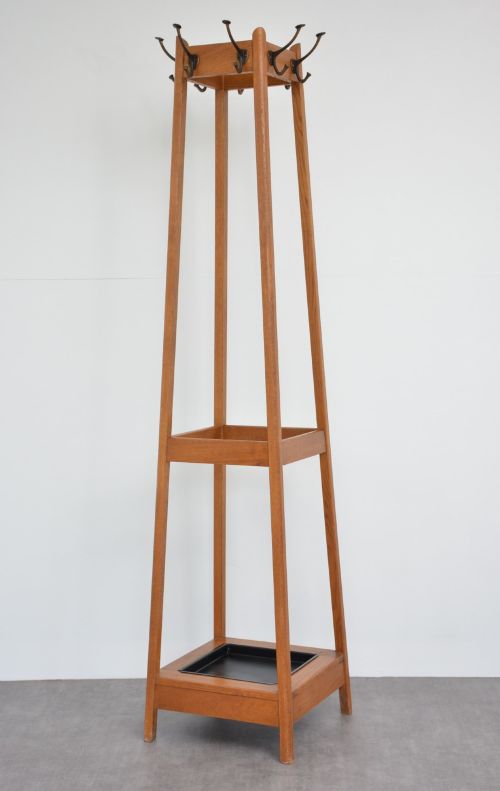
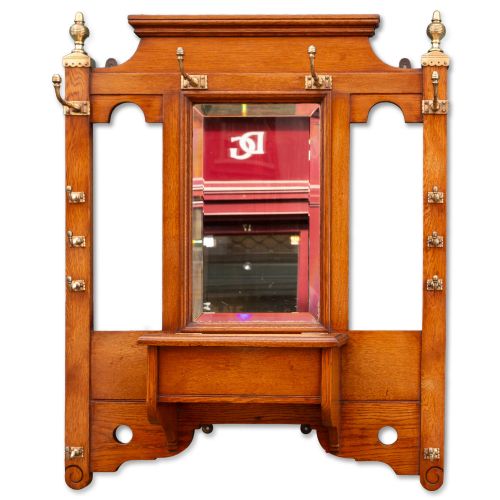
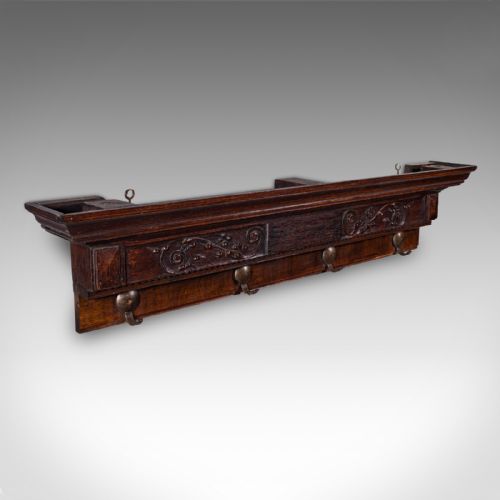
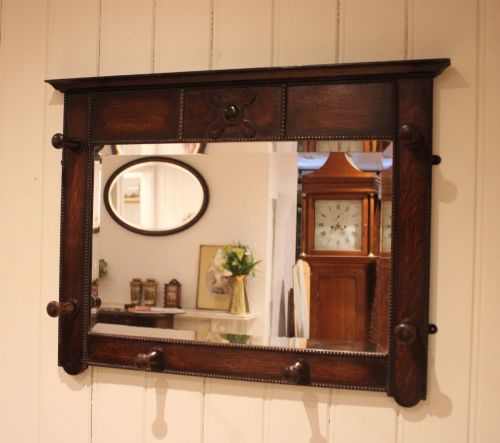
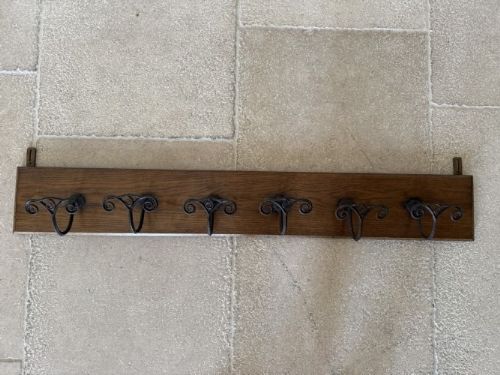
When you search for antique oak coat pegs, you find hallway furniture and wall-mounted storage designed to hold daily garments. These pieces range from simple timber battens fitted with metal hooks to elaborate hall stands featuring integrated mirrors and umbrella holders.
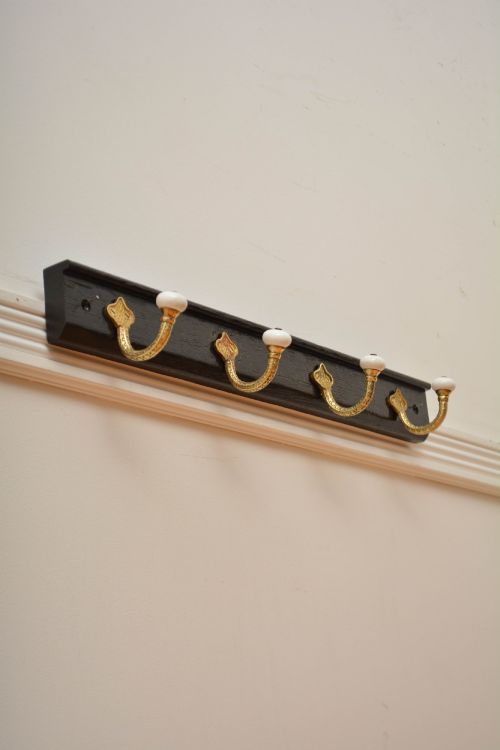
The versions you meet most frequently on this page date from the Victorian and Edwardian eras, constructed in solid oak and mounted with brass, iron, or ceramic hooks. Surviving examples encompass regional country house designs as well as compact wall panels intended for smaller vestibules.
How they were made
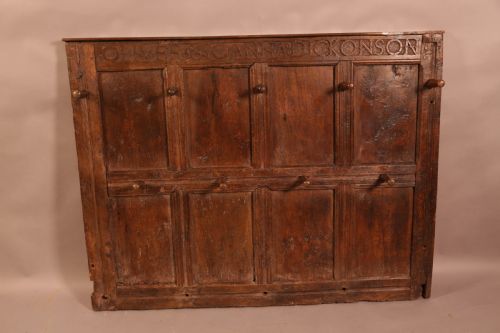
Maker's workshops built these coat pegs using solid oak planks, frequently shaping the backboards with bevelled edges, carved mouldings, or panel construction. Timber selection varied from plain native oak to ebonised finishes and rich golden tones.
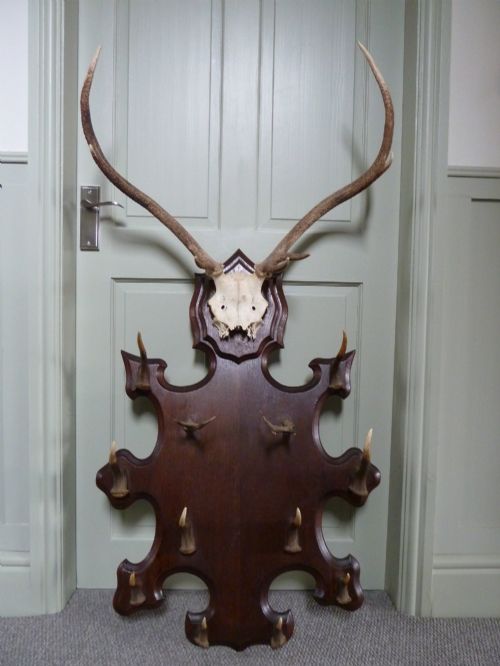
Hooks were cast from brass, iron, or bronze and secured with slotted screws, while more elaborate pieces incorporated stag horn, bone, or inset ceramic centres. Structural hardware often combined forged iron brackets with mirror glass and drip trays.
Stag horn hooks bring an unexpected woodland presence straight into the Victorian hallway.
What varies in quality
Quality rests in the integrity of the timber and the substance of the metalwork, distinguishing heavy cast brass and solid oak from lighter, later assembled alternatives. Superior examples retain matching original hooks firmly seated in timber that has aged without splits around the screw fittings.
Design complexity also separates standard utility pieces from fine examples, with decorative carvings, bevelled mirror plates, and integrated drip trays marking out superior hall furniture.
The Antique Oak Coat Pegs Glossary
- Batten
- A long, flat strip of timber used as the main backing board for wall-mounted hooks. It distributes the weight evenly across the wall fixings.
- Ebonised
- Wood treated with a chemical stain or dark finish to imitate ebony. This dark treatment was popular during the Victorian period.
- Hall stand
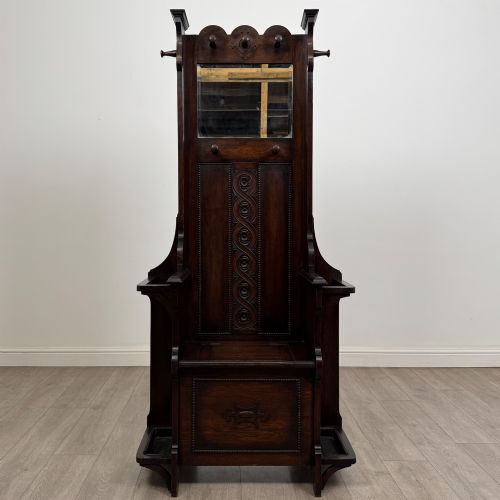
- A large freestanding hall piece combining coat hooks, a mirror, umbrella stands, and sometimes a glove drawer. These items dominated Victorian and Edwardian entranceways.
- Horseshoe
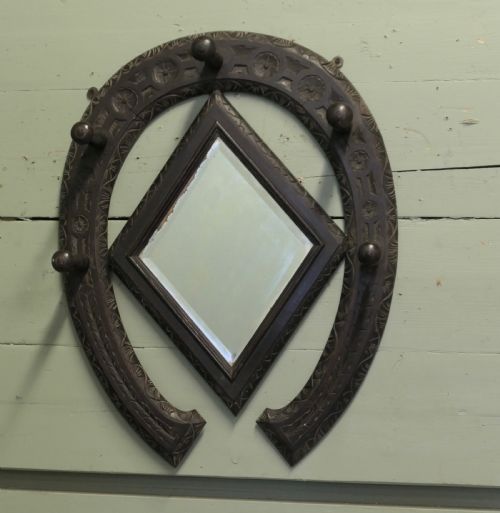
- A decorative or structural horseshoe shape utilised in metalwork or carved timber on rustic rack designs. It frequently appeared in Victorian country house items.
Antique Oak Coat Pegs: Frequently Asked Questions
How do I mount a heavy oak coat rack?
Heavy oak coat racks require secure fixing directly into wall studs or masonry using appropriaterawl plugs and heavy-duty screws. Given the weight of solid oak and cast metal hooks, proper anchorage ensures safety when holding heavy winter garments.
Position the rack at a height suited to household use, ensuring the weight distributes evenly across multiple fixing points along the timber batten.
Are the hooks usually original to the rack?
Many surviving pieces retain their original brass or iron hooks, often showing consistent wear patterns and matching patination with the backboard. Replacement hooks do occur due to past breakage or rearrangement over decades of use.
Examine the screw heads and timber indents around the fixings to determine if the hardware has remained undisturbed since manufacture.
How do I clean antique oak timber?
Clean antique oak surfaces with a soft, dry cloth to remove dust, avoiding harsh chemical sprays or excessive water. Periodic application of natural beeswax feeds the dry grain and preserves the historic finish.
Rub the wax gently into the timber following the direction of the grain, then buff with a clean cloth to maintain a soft sheen.
What is the difference between a rack and a stand?
A coat rack is a wall-mounted batten fitted with hooks, designed to save floor space in narrow hallways. A coat or hall stand is a freestanding item that rests on the floor.
Stands typically incorporate umbrella holders, drip trays, and mirrors, making them substantial pieces of furniture for larger entrance halls.