


Antique Wooden Peg Rail
An antique wooden peg rail is a wall-mounted board fitted with hanging points, prized for utility and simple domestic charm.
Antique Wooden Peg Rail
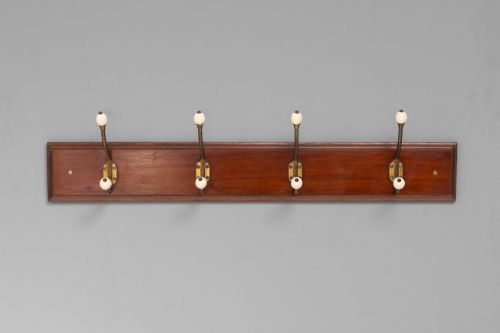
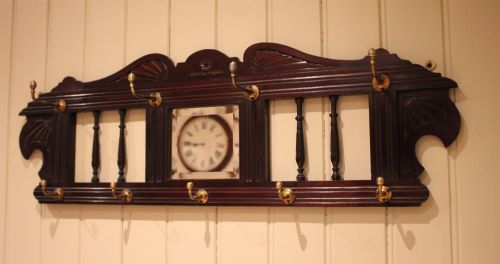
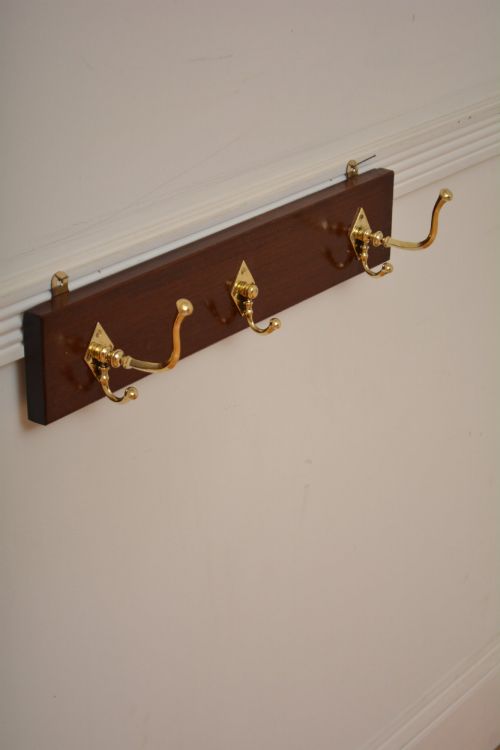
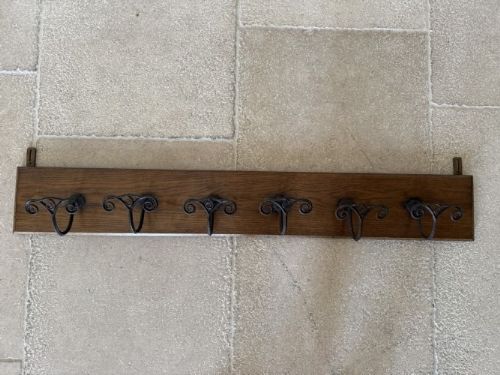
When you search for an antique wooden peg rail, you are looking at wall-mounted coat racks and hook strips designed for hallways, cloakrooms, and reception areas. These domestic fixtures provide sturdy hanging space for hats, coats, and daily garments while keeping rooms tidy.
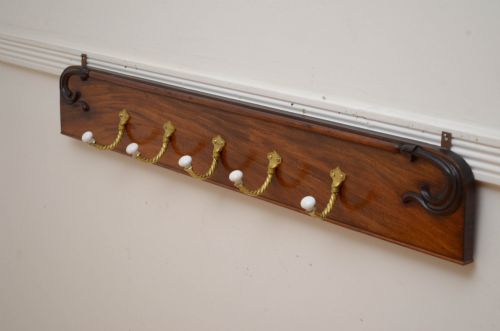
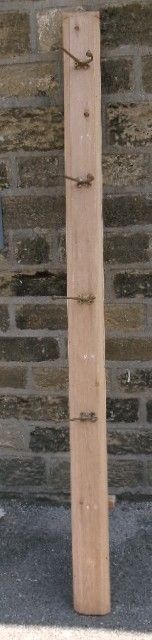
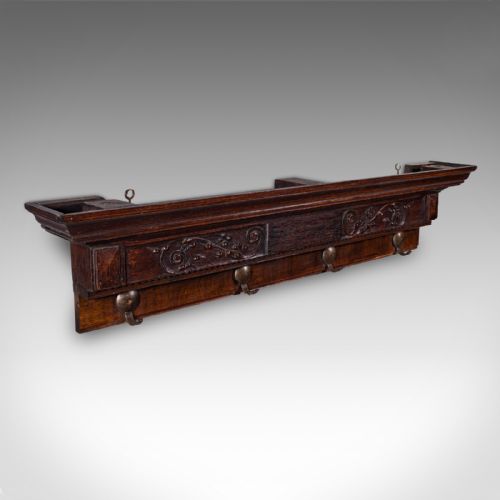
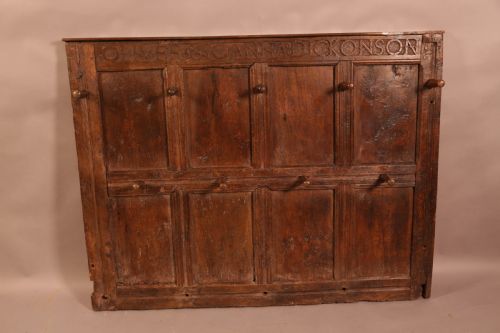
The versions you are most likely to meet on this page span the Victorian and Edwardian eras, alongside earlier Georgian and 17th or 18th century oak panels. They appear in forms ranging from simple pine backboards to architectural wall panels fitted with brass, ceramic, or iron hooks.
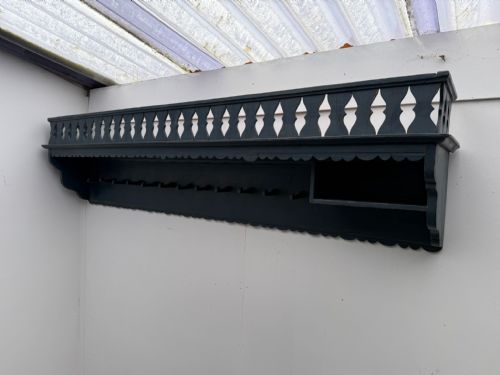
Makers fashioned these pieces from durable timbers like oak, mahogany, and pine, often incorporating functional shelves or decorative mouldings. Each piece reflects the practical interior requirements of British and European homes across multiple centuries.
How they were made
Carpenters constructed these racks using solid woods such as oak, mahogany, and pine, selected for structural strength and grain character. Backboards were planed and shaped to fit flush against hallway or cloakroom walls.
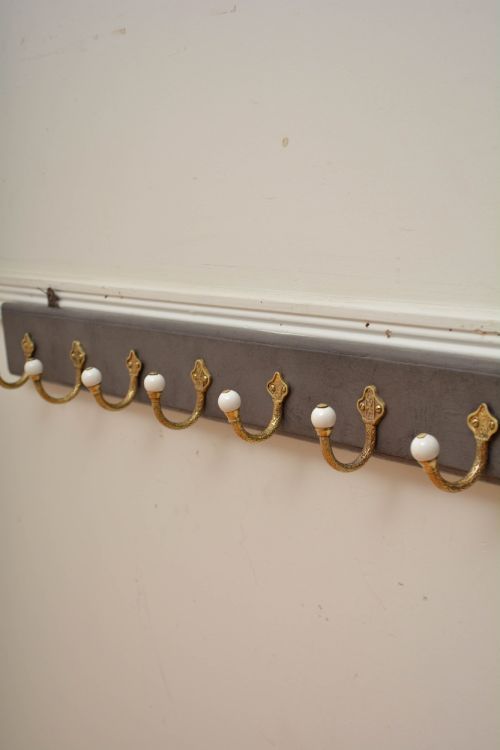
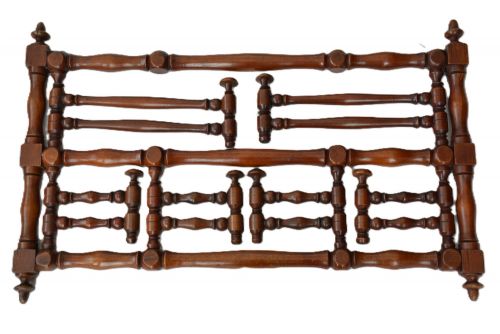
Hooks were individually cast in brass, forged in iron, or fitted with ceramic elements, then securely fastened to the wooden boards with screws or through-tenons. Some examples feature painted finishes or turned wooden pegs integrated directly into the timber rail.
Some rails bear the names Oliver and Joanna Dickonson, immortalised in 17th-century oak.
What varies in quality
The quality of an antique wooden peg rail rests on the selection of timber and the integrity of the joinery. Dense hardwoods like oak and figured mahogany provide superior longevity compared to softer utility pine.
Hardware choice elevates a piece, with heavy cast brass, detailed ceramic inserts, and wrought iron mechanisms showing finer craftsmanship than standard factory-stamped alternatives. The balance between the backboard proportions and the mounting hooks dictates overall visual harmony.
The Antique Wooden Peg Rail Glossary
- Backboard
- The horizontal plank of wood that carries the hanging hooks and mounts to the wall. It provides structural support and distributes the weight of garments.
- Peg rail
- A wooden strip fitted with projecting pegs or hooks for hanging clothing and hats. This form remains a staple of traditional hallway storage.
- Cloakroom rack
- A functional wall-mounted fixture intended for reception halls and cloakrooms. These pieces often incorporate multiple hooks for guests and family members.
- Aesthetic Movement
- A late 19th-century design style focusing on visual beauty over strict historical revival. Pieces from this movement often feature refined proportions and considered material combinations.
Antique Wooden Peg Rail: Frequently Asked Questions
Where were peg rails traditionally placed?
These practical fixtures were mounted in entrance halls, boot rooms, and back corridors where coats and hats were shed upon entry.
Their narrow profile allowed them to occupy tight transitional spaces without obstructing movement.
How do I mount an old peg rail safely?
Most antique rails rely on existing screw holes or sturdy brackets positioned behind the backboard.
Fixing them securely into wall studs or using appropriate wall anchors ensures they can bear the weight of heavy winter garments.
What woods are most common?
Pine, oak, and mahogany appear frequently across different periods and regional workshops.
Pine served practical utility roles, while oak and mahogany were chosen for more formal reception spaces.
Are the hooks original to the board?
Many rails retain their period brass, iron, or ceramic hooks, showing consistent wear matching the timber.
Replacement hooks sometimes occur when individual points broke during decades of daily domestic use.