


Carved Oak Coat Pegs
These carved oak coat pegs offer practical utility and period character for an entrance hall.
Carved Oak Coat Pegs
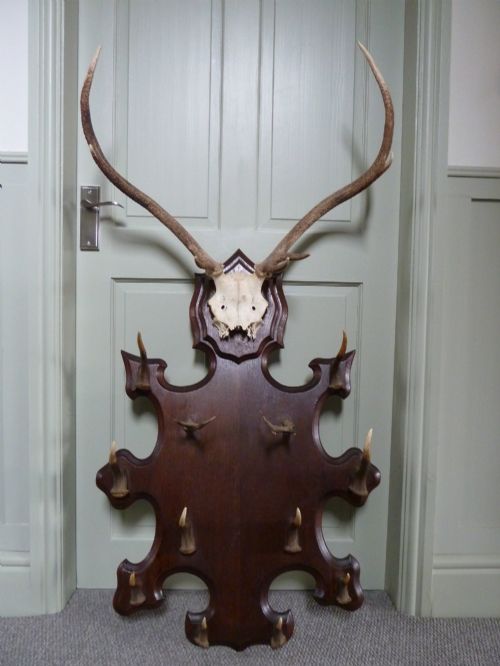
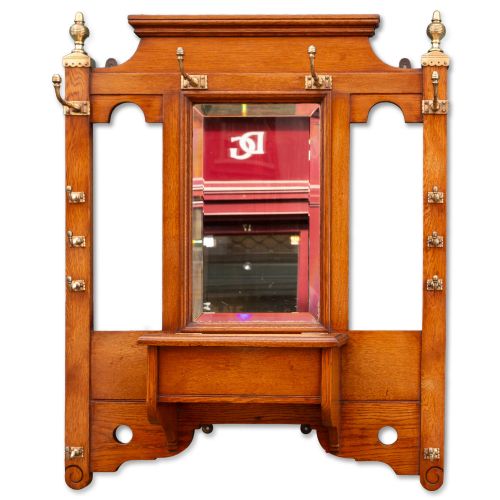
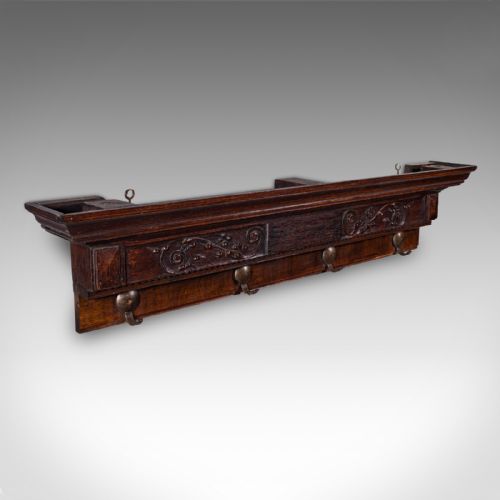
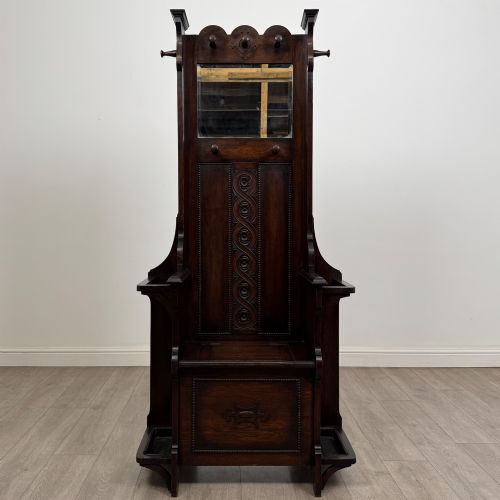
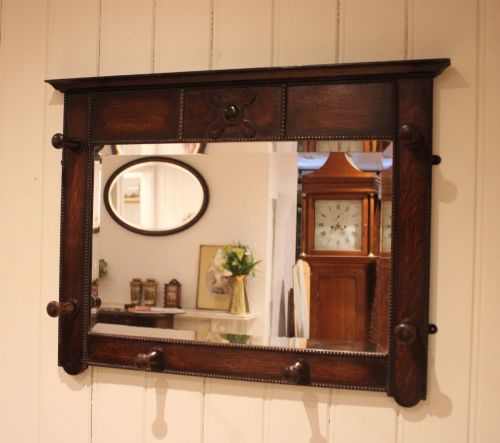
Carved oak coat pegs are functional wall fixtures and panels designed for hanging garments, often incorporating hooks made from brass, metal, glass, bone, or stag horn. When you search for carved oak coat pegs, you encounter various formats ranging from single wall panels and small hook racks to larger hall stands with integrated mirrors and coat racks.
The examples available span several eras, predominantly featuring Victorian, Edwardian, and twentieth-century interpretations alongside earlier eighteenth-century panels. Styles draw upon Jacobean, Gothic Revival, Art Deco, and French Country traditions, reflecting how different periods adapted timber and metal for domestic utility.
How they were made
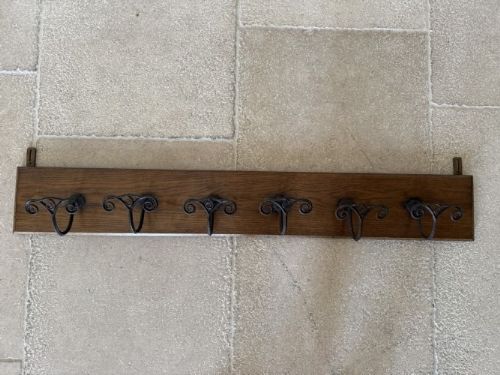
Makers utilised solid oak as the primary timber, often shaping boards through hand carving to produce panels and backing plates. Metal elements such as brass and wrought iron were integrated to form the functional hooks and structural supports.
Assembly frequently combined traditional joinery with inset components like glass, mirrors, or natural materials such as bone and stag horn. These mixed media pieces reveal a reliance on durable materials suited to heavy daily domestic use.
Period styles represented across the inventory include Edwardian, Victorian, Gothic Revival, and Art Deco.
What varies in quality
The standard of carving distinguishes simpler utility items from more ambitious decorative pieces, with crisp detailing and depth showing superior craftsmanship. The choice and integration of secondary materials, such as heavy brass work or well-matched stag horn, also elevate the piece.
Proportion and structural integrity define the better examples, where the oak retains its stability and the mounted hooks remain firmly anchored to the timber backing. Pieces that combine functional elements like mirrors or barometers with the coat pegs demonstrate greater complexity in their design.
The Carved Oak Coat Pegs Glossary
- Oak
- A dense, durable hardwood traditionally utilised in English furniture and architectural joinery for its strength and prominent grain pattern. It forms the structural foundation for the majority of these wall panels and coat racks.
- Stag Horn
- Antler material worked into curved shapes to serve as robust hanging hooks. This natural element appears on country house and Victorian items to add rustic texture.
- Hall Stand
- A larger piece of entrance furniture combining coat hooks, umbrella stands, and frequently a central mirror. These items served a practical reception role in period hallways.
- Gothic Revival
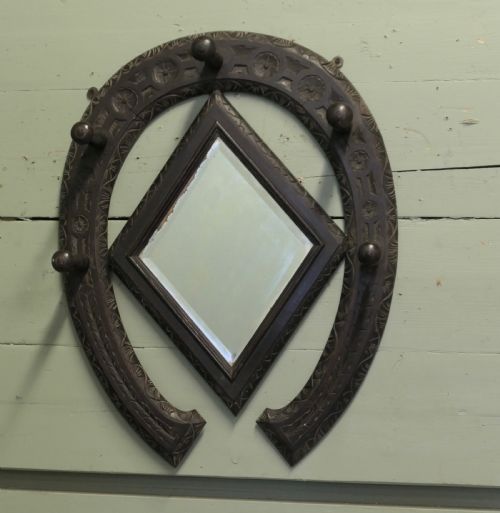
- An architectural and decorative style drawing inspiration from medieval forms, featuring pointed arches and heavy carving. Pieces in this style often incorporate horseshoe motifs or robust ironwork.
- Edwardian
- A stylistic period spanning the early twentieth century known for lighter proportions and refined domestic accessories. Items from this era often balance utility with decorative domestic charm.
Carved Oak Coat Pegs: Frequently Asked Questions
What periods do these pieces date from?
The selection spans from the eighteenth century through the Victorian and Edwardian eras up to the nineteen-thirties. Pieces reflect the specific design tastes and woodworking techniques of their respective decades.
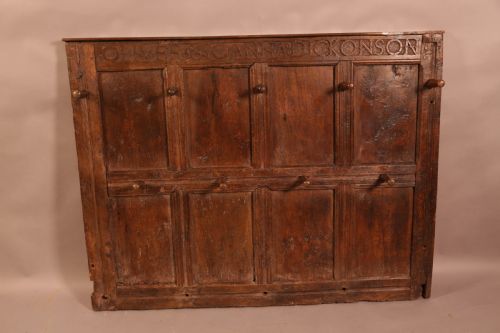
Earlier examples often display simple plank construction, while later Victorian and Edwardian versions frequently incorporate mirrors and mixed media hooks.
How were these coat racks used?
They were mounted in entrance halls, boot rooms, and reception areas to hold outerwear, hats, and accessories. Their integration with mirrors or barometers allowed visitors to check their appearance before entering the home.
Larger hall stands combined these hanging functions with umbrella storage to keep hallways orderly.
What materials are combined with the oak?
Makers frequently incorporated brass, wrought iron, and other metals to form sturdy hooks and brackets. Natural materials like stag horn and bone also appear, alongside glass inserts and wall mirrors.
These contrasting textures enhanced the visual appeal of the wooden backing panels.
How do I identify a Gothic Revival piece?
Gothic Revival examples often feature architectural motifs such as pointed arches, heavy chamfering, and robust ironwork. Horseshoe shapes and dark oak finishes frequently accompany this style.
These design choices evoke medieval aesthetics adapted for Victorian domestic utility.