


Antique Wrought Iron Hooks
These antique wrought iron hooks and racks are sturdy functional ironwork built for hearth and hallway, offering genuine utility and rustic character.
Antique Wrought Iron Hooks
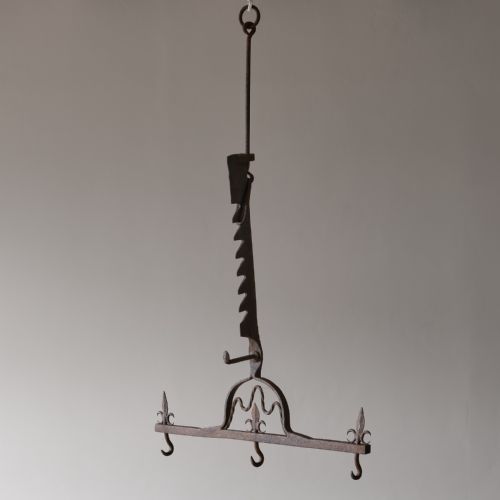
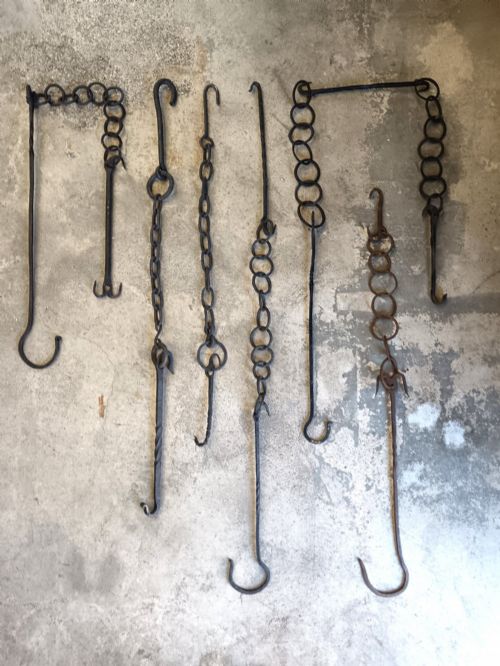
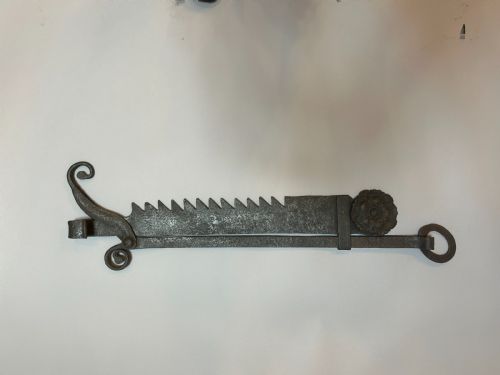
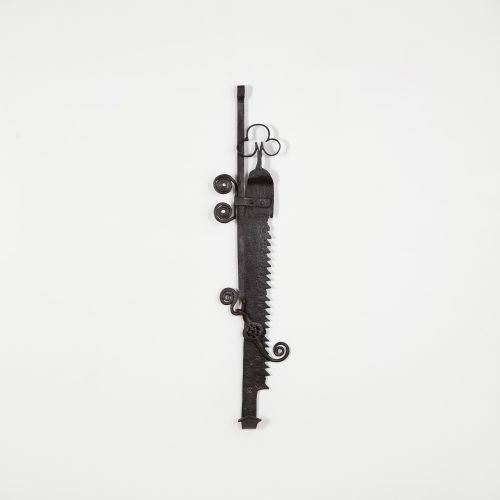
When you search for antique wrought iron hooks, you find robust domestic ironwork spanning the eighteenth and nineteenth centuries, with Georgian and rustic country styles appearing most frequently. These pieces range from wall-mounted coat racks and hat stands to heavy-duty fireplace accessories like trammel hooks, pot hangers, and chimney jacks.
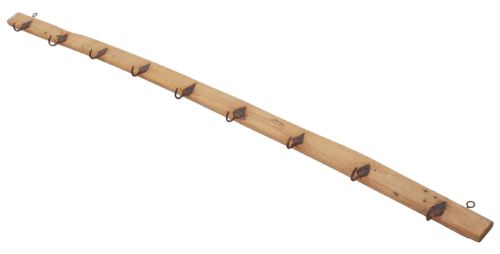
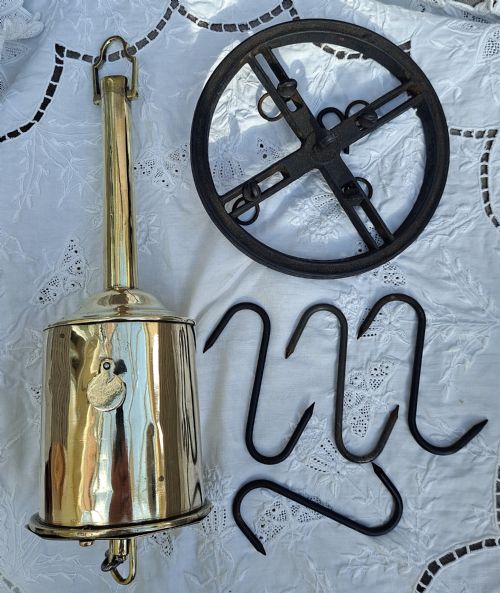
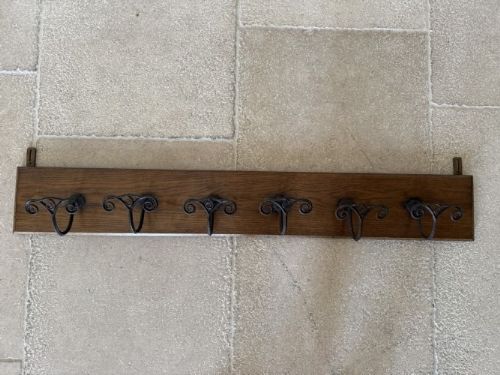
The objects on this page largely reflect everyday utilitarian domestic life, featuring kitchen game hook racks, saucepan racks, and hearthware alongside oak-backed hanging boards. Most items combine hand-forged iron with traditional timbers such as oak and pine, while brass and glass details surface on specific spit jacks and decorative brackets.
The selection leans heavily towards early English and French country pieces, with occasional Art Deco or Arts and Crafts reinterpretations from the early twentieth century. Buyers will encounter both solitary wall hooks and multi-tier hanging systems intended for heavy domestic duty.
How they were made
Blacksmiths forged these pieces by hand from iron, hammering the hot metal over an anvil to create durable hooks, joints, and suspension loops designed to bear significant weight. The visible hammer marks and irregularities in the iron reveal the manual labour involved in shaping each individual hook or trammel.
Many of the wall-mounted examples combine this forged ironwork with solid timber backing boards, notably oak and pine, fixed together with period fastenings. Hearth accessories frequently incorporate mechanical adjustment mechanisms, such as ratchet bars and sliding catches, allowing pot hangers and chimney jacks to alter in height.
Listings feature wrought iron alongside oak, pine, brass, and glass across periods from the seventeenth century to the Art Deco era.
What varies in quality
The quality of antique wrought iron hooks lies in the crispness of the smithing and the integrity of the original construction, whether on a simple wall rack or a complex fireplace crane. Pieces that retain their original mounting brackets, operational ratchets, and unblemished timber backplates command greater appreciation.
Subtle variations in finish, such as the survival of a deep patinated surface on the iron rather than pitting or modern cleaning, distinguish superior examples. The integration of secondary materials like brass fittings or seasoned oak frames also separates standard utilitarian ironwork from finer domestic furnishings.
John Linwood of Birmingham
The Antique Wrought Iron Hooks Glossary
- Trammel hook
- An adjustable suspension hook used in hearths to alter the hanging height of pots over the fire. These mechanical hangers often feature ratchet teeth or sliding links.
- Chimney jack
- A mechanical device placed in the chimney to turn a spit for roasting meat. They frequently utilise clockwork or weighted mechanisms alongside iron hanging arms.
- Pot hanger
- A strong iron hook designed to suspend heavy cookware from a fireplace crane or chimney bar. They display robust hand-forged construction meant to withstand intense heat.
- Spit jack
- A device used in cooking to rotate meat evenly before an open fire. These objects often combine wrought iron framework with brass components and clockwork gearing.
- Oak yoke
- A shaped timber framing piece designed for carrying loads or suspending items across the shoulders. In domestic contexts, they were sometimes adapted for hanging storage.
Antique Wrought Iron Hooks: Frequently Asked Questions
How do I hang a heavy iron rack safely?
Heavy iron racks and coat hooks require secure fixing directly into wall studs or solid masonry using appropriate load-bearing screws.
Because these pieces were originally built to hold substantial kitchenware or heavy outerwear, their modern installation must match that structural capacity.
Are these hooks suitable for modern bathrooms?
Many of these wrought iron and oak pieces work well in bathrooms for hanging towels, provided the iron is periodically checked for moisture reaction.
Raw forged iron benefits from a light application of wax or oil to protect the surface in humid environments.
How can I tell an eighteenth century hook from a later one?
Earlier eighteenth-century ironwork typically displays more irregular hand-forged facets and simpler joining techniques without modern machine-threading.
Comparing the style of the ironwork and the accompanying timber backboards against established Georgian or rustic country characteristics helps clarify the date.
Can hearth trammels still be used over open fires?
While hearth trammels and pot hangers are structurally robust, using antique ironwork over active open fires subjects them to thermal stress.
Most collectors prefer to display these items as wall-mounted decorative pieces or kitchen pot racks rather than risking heat damage.