

17th Century Furniture
These pieces of 17th century furniture bring rugged joinery and deep historical character into a room.
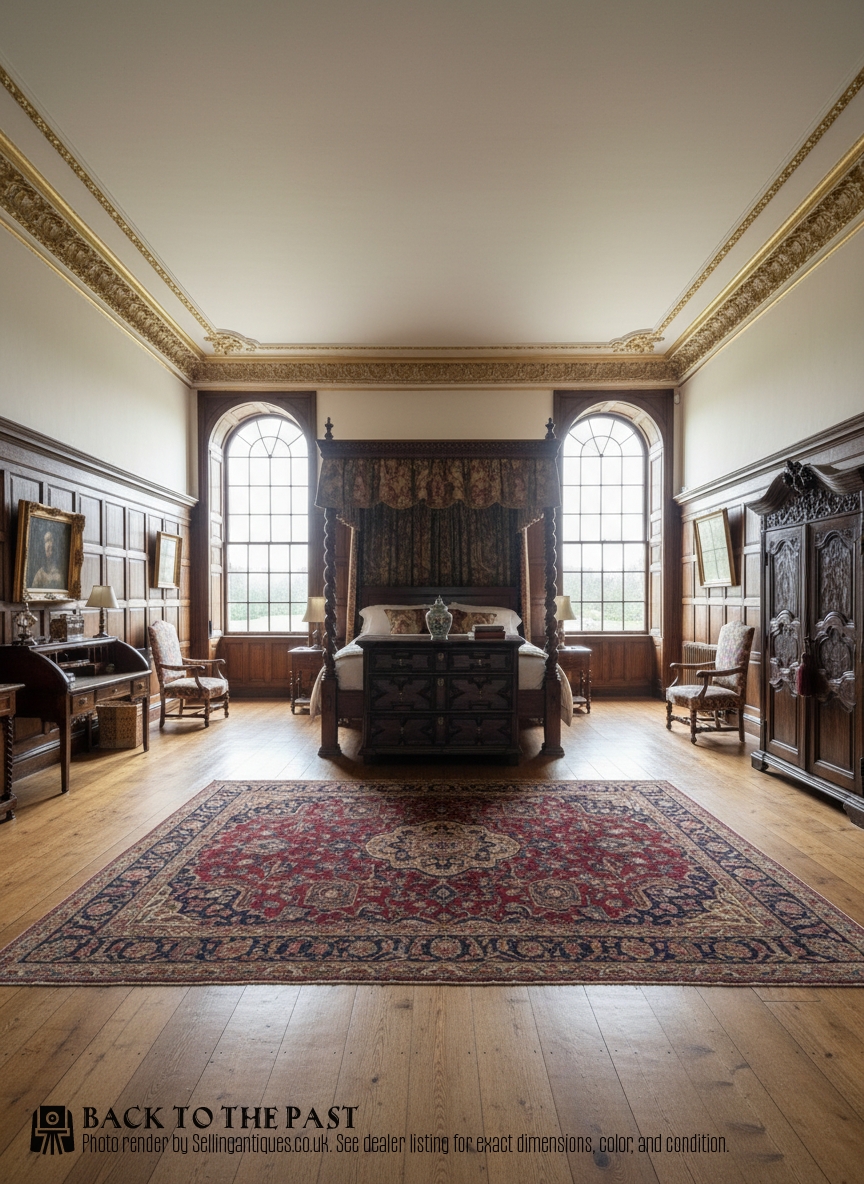
17th Century Furniture
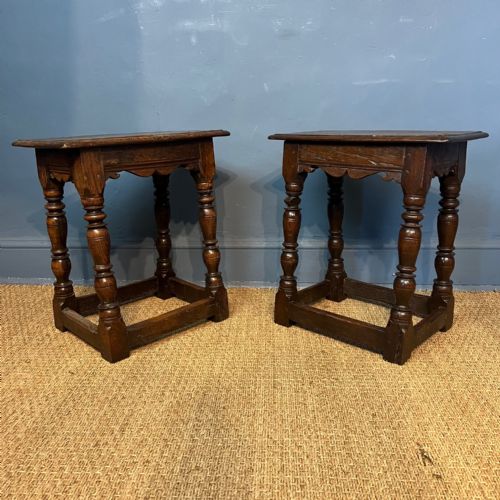
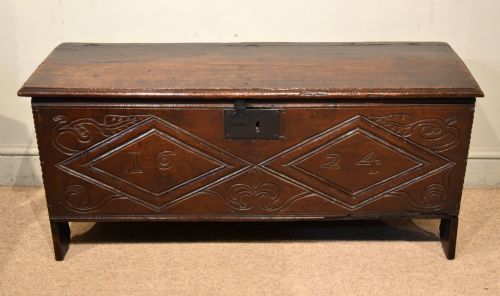
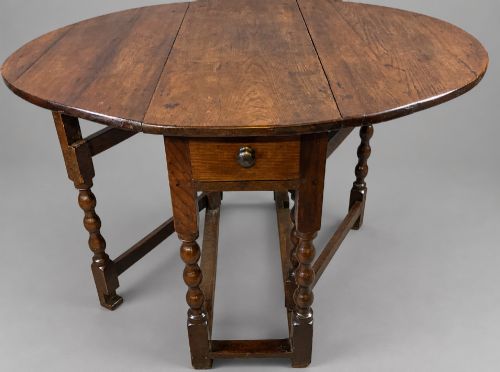
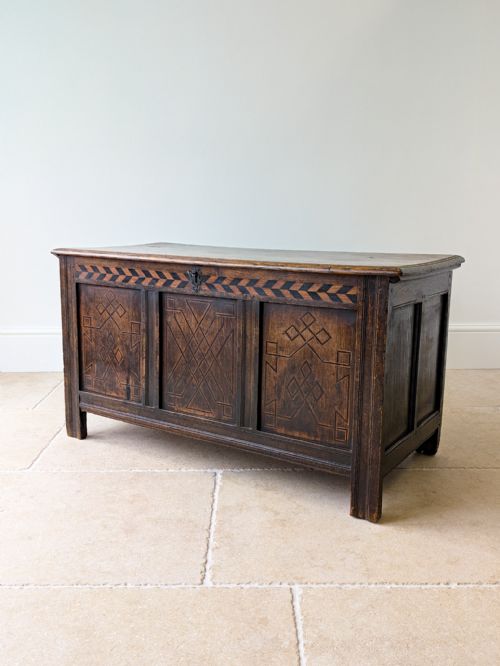
The oak joint stool and the panelled coffer represent the most common domestic forms you will meet here. Walnut and fruitwood pieces also appear, alongside grander cabinets and side tables from English, Dutch, Spanish, and Italian workshops.
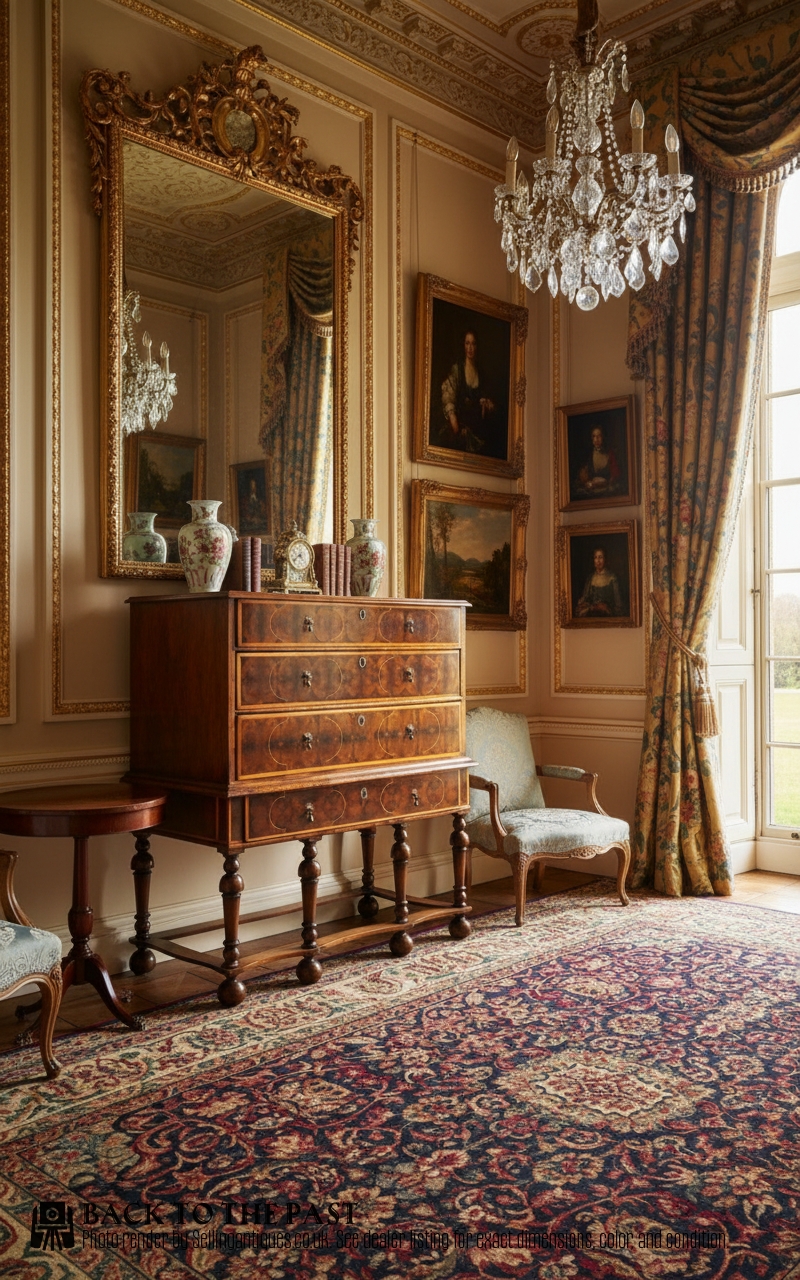
Materials and Construction
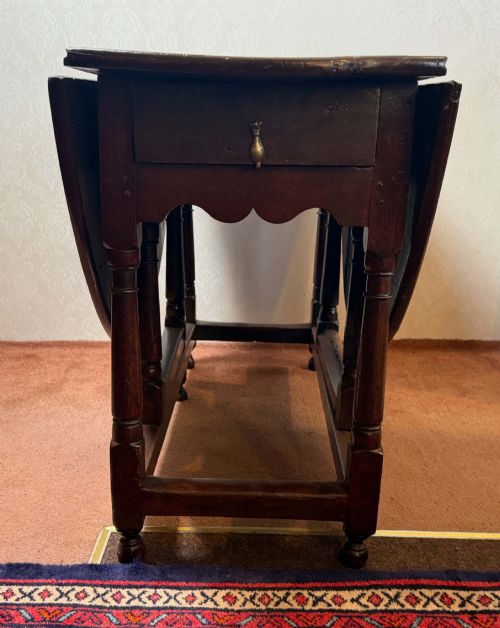
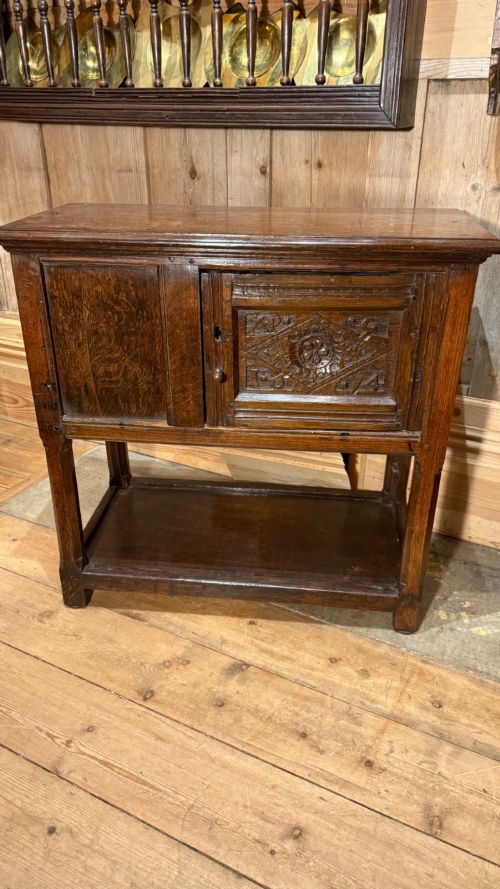
Makers relied primarily on native oak, complemented by walnut, elm, fruitwood, and occasional exotic timbers like rosewood and ebony. Joinery techniques depended on pegged mortise and tenon frames, visible dovetails, and sturdy plank construction.
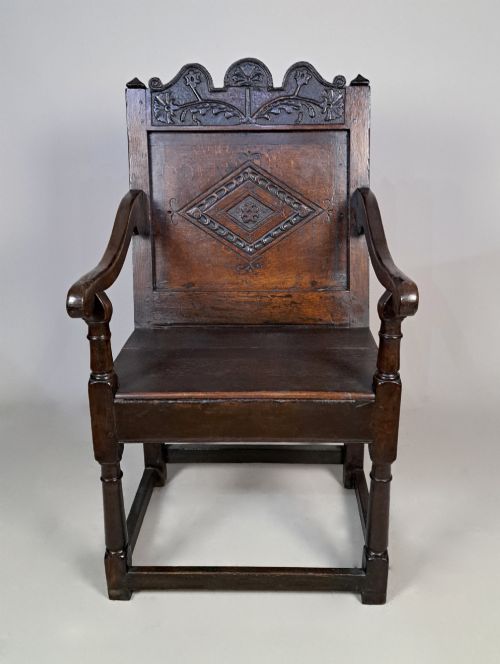
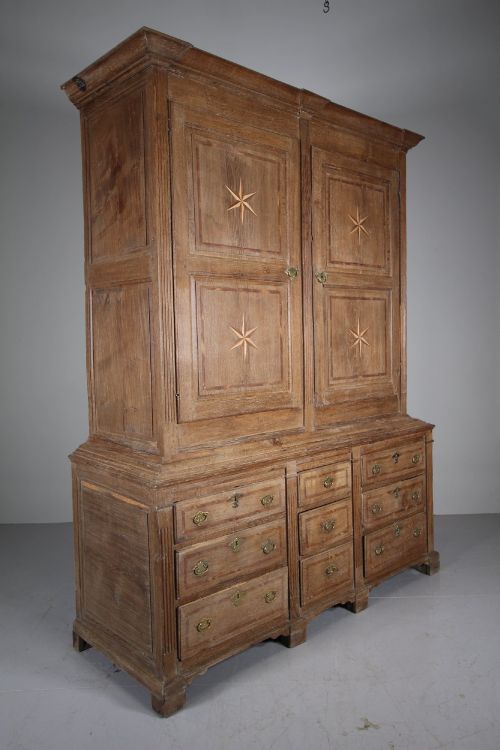
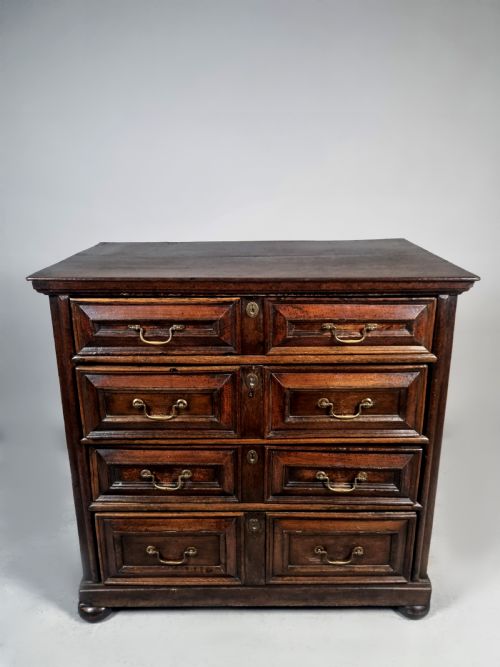
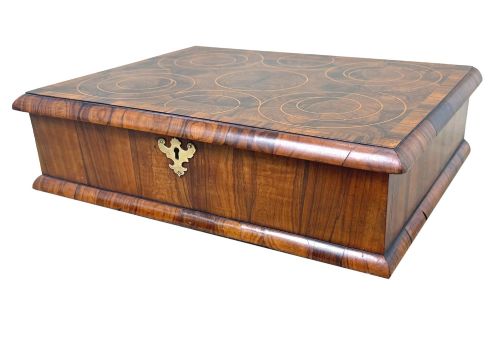
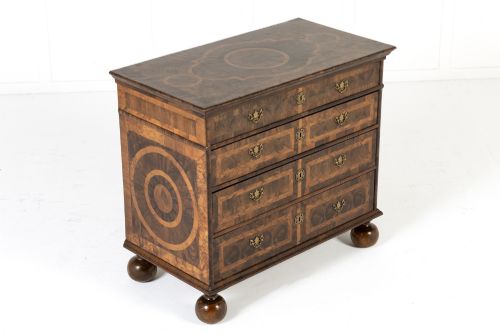
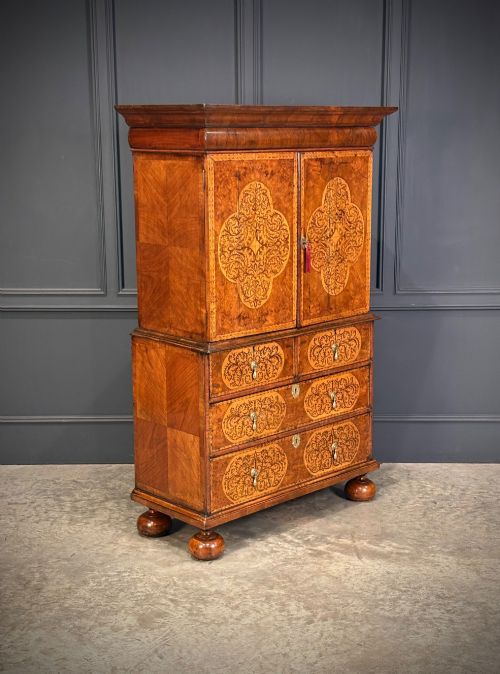
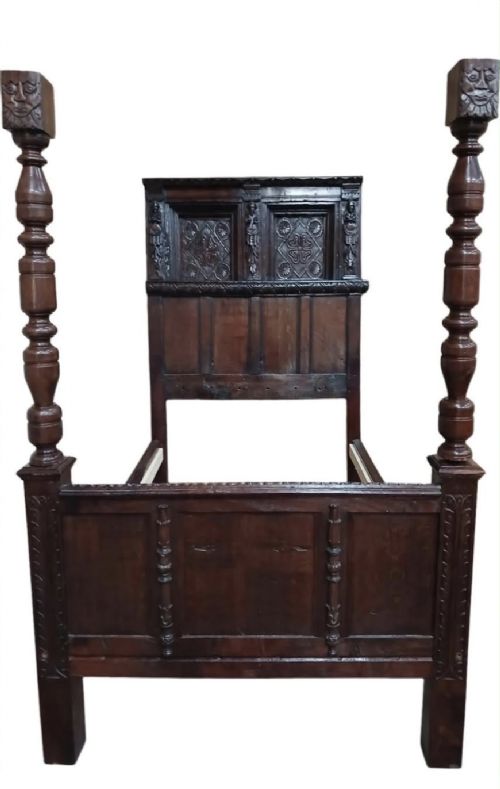
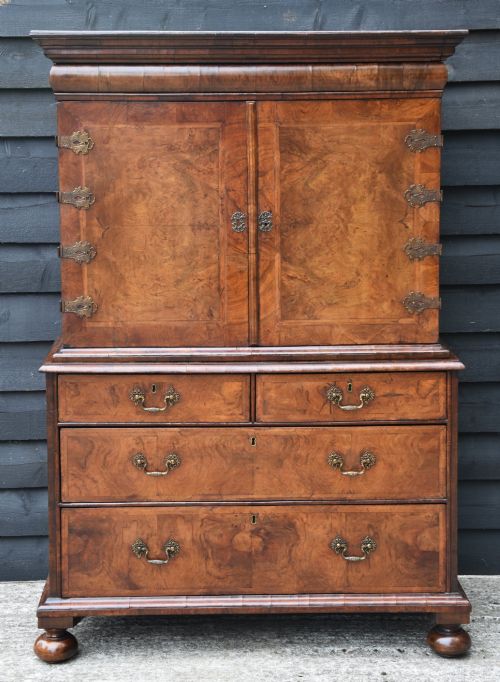
Surface ornamentation involved intricate marquetry inlay, oyster veneering, geometric mouldings, and carved panels. Hardware typically consisted of wrought iron or cast brass drop handles and hinges fitted directly to the timber.
17th Century Furniture Retail Price Guide 2026
Typical asking prices for 17th century furniture among the pieces listed under this phrase on Sellingantiques today, from the lower quarter to the upper quarter. They describe what is for sale here now, not the wider market.
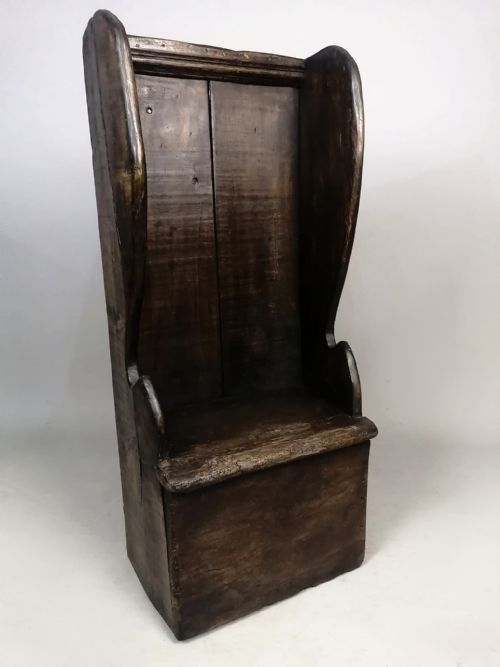
A child's fruitwood lambing chair sits quietly among the heavy oak refectory tables.
Judging Quality and Integrity
Quality rests upon the survival of original surface patination and the proportion of timber retained from the period of origin. Pieces retaining their primary board tops, original feet, and authentic hardware command greater regard.
The crispness of hand-carved mouldings and the precision of geometric inlay distinguish master joinery from routine domestic output. Alterations or later surface stripping reduce historical coherence.
The 17th Century Furniture Glossary
- Joint Stool
- A sturdy wooden seat constructed with mortise and tenon joints pegged together rather than turned legs glued into place.
- Oyster Veneer
- Thin circular slices cut across branches of walnut or olive wood to create a repeating oyster-shell pattern on cabinet surfaces.
- Cofer
- A large wooden chest used primarily for storage of valuables, linens, and documents in domestic households.
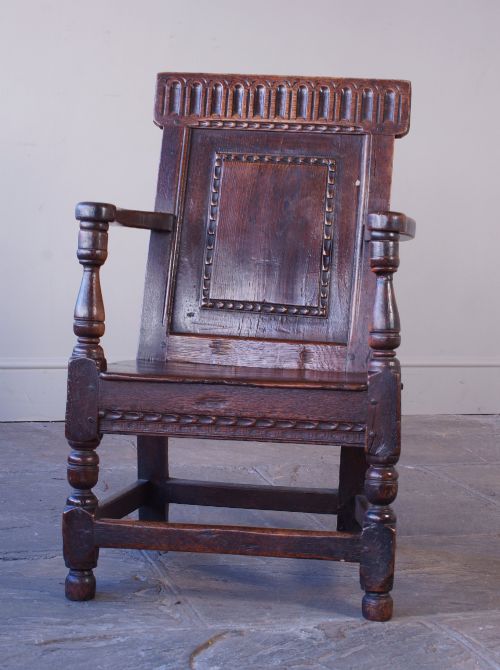
- Wainscot Armchair
- A heavy wooden chair constructed with panelled backboards, reflecting the joinery methods used for wall panelling.
17th Century Furniture: Frequently Asked Questions
How do I care for antique oak furniture?
Keep wooden pieces away from direct heat sources and sudden humidity shifts to prevent timber splitting.
Apply a microcrystalline wax sparingly to nourish the grain and maintain the surface sheen without building up heavy residue.
How do I identify Charles II period pieces?
Charles II furniture often displays richer carved decoration, spiral-turned legs, and imported walnut timbers following the Restoration.
Many examples incorporate elaborate cresting rails and cane inserts on chairs.
Can I use these pieces in a modern room?
These functional forms integrate easily into contemporary spaces by providing grounding contrast and tactile warmth against plain walls.
Their robust construction ensures they remain entirely suitable for daily domestic use.