


A 2026 Guide by Sellingantiques
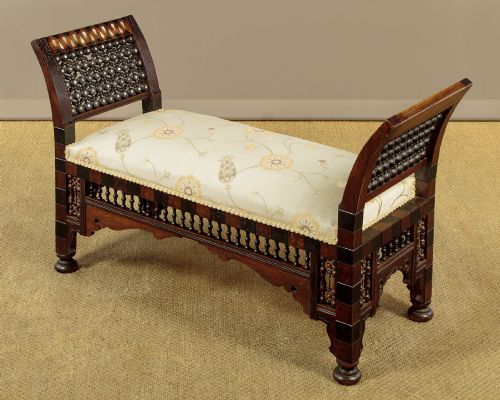
Victorian X Frame Carved Walnut Window Stool Seat Hunting Dog Heads, Victorian
Priced at £4,500 from Cheshire Antiques Consultant Ltd
Look at the late seventeenth century. This is when walnut started to replace oak for fashionable seat furniture.
Most early eighteenth-century examples served as part of larger matching suites in grand houses.
Dining habits shifted. People began using chairs rather than benches, leaving antique walnut stools for drawing rooms and dressing tables.
Solid wood became scarce after severe winters wiped out French walnut crops in 1709.
Giles Grendey ran a large workshop in Clerkenwell. He exported many walnut pieces, including seating, to Spain.
Furniture from the early eighteenth century rarely carries a maker's stamp.
Provincial tradesmen built countless antique walnut stools. They copied London fashions using locally sourced timber.
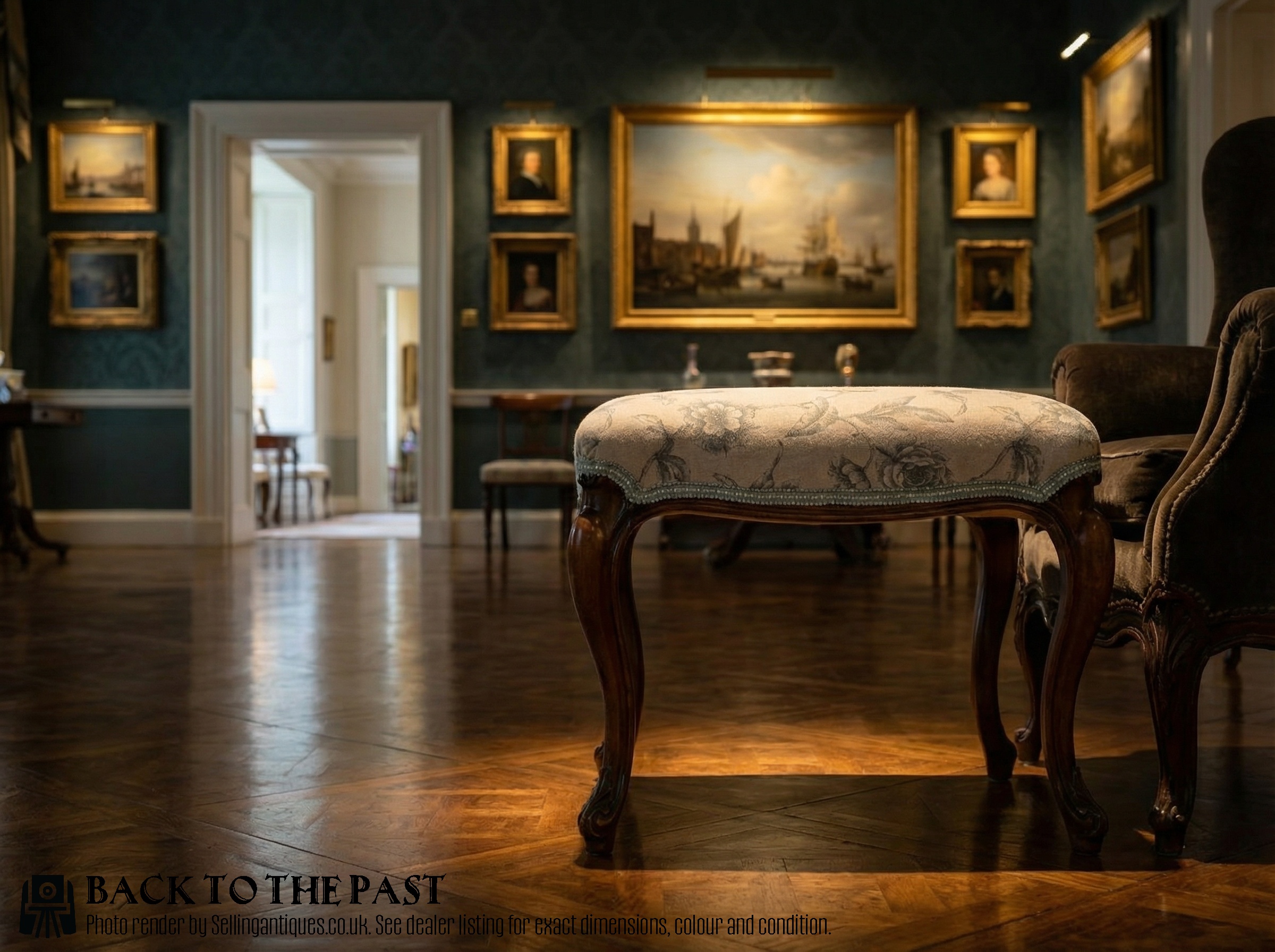
Antique Victorian Quality Walnut Stool, 1860
Priced at £695 from London City Antiques
The 2026 retail price guide for Antique Walnut Stools is drawn from a proprietary archive of over 1.1 million retail prices indexed by Sellingantiques since 2003. This guide relies exclusively on their own internal data; no external sources or auction records are used.
Analysing nearly 25 years of UK antique market history alongside current retail values, the data indicates that typical UK retail prices for Antique Walnut Stools range between £400 and £1,500. Entry-level prices generally fall under £400 and premium examples upwards of £1,500.
Cabriole legs are the classic support on Queen Anne and Georgian antique walnut stools.
Carved details usually appear on the knees. Shells, acanthus leaves and lion masks turn up frequently.
Terminals vary greatly. Pad feet, hoof shapes and detailed ball-and-claw designs ground the base of the legs.
Quality Antique Victorian Walnut Revolving Piano Stool, 1860
Priced at £545 from Unique Antiques by Emma Jade
Mortise and tenon joints hold the seat rails to the tops of the legs.
Look closely at the inner corners. Wooden brackets called corner blocks are often screwed or glued in to keep the frame square.
Shaping a cabriole leg required heavy timber blanks. The maker sawed the profile in two directions before rounding it off with spokeshaves.
"The wood develops a distinct pale honey colour over time. Sunlight fades the dark timber into an appealing mellow tone."
"Some early examples were originally gilded. Traces of gold leaf sometimes survive hidden in the deep recesses of the knee carving."
"Squab cushions were an alternative to fixed upholstery. These loose pads sat on a cane seat base and tied onto the frame."
Based on almost 25 years of Sellingantiques UK antique market data, Antique Walnut Stools appeared 2266 times (out of 1,100,000 antiques) which gives it a rarity score of 64/100.
This score measures scarcity within the Sellingantiques archive only and is not a survey of the entire antiques market, so these statistics may not be indicative of the general availability of Antique Walnut Stools elsewhere.
Use a soft bristle brush to dust the deep recesses of the carving. Avoid damp cloths as moisture damages the old polish.
Apply a good quality beeswax sparingly once or twice a year. Buff it out with a clean duster to keep the wood nourished.
Antique walnut stools were built for active use. The traditional mortise and tenon joints are highly resilient.
If the frame wobbles, a skilled restorer can knock the joints apart and re-glue them with traditional hide glue. Regular household use rarely causes major structural problems.
Yes, assuming the frame is sound. The solid timber legs and corner blocks provide substantial load-bearing capacity.
Check for loose joints before sitting.
Changing the top fabric is normal. These seats were designed to be recovered as fashions changed, and the existing material is rarely original anyway.
Just ensure your upholsterer uses traditional methods. Modern staples split old wood, so they should stick to tacks and avoid altering the wooden frame.
Keep any old webbing if it remains functional. Retaining the internal layers preserves the traditional profile of the seat.
Please note: This Antique Walnut Stools guide and its associated pricing data are provided for general informational purposes only. It does not constitute formal financial, investment, or appraisal advice and should not be relied upon as the sole basis for any commercial activity, purchasing, or sales decisions. Sellingantiques.co.uk accepts no liability for any actions taken in reliance on this information. Always consult with a qualified professional or independent appraiser.
