
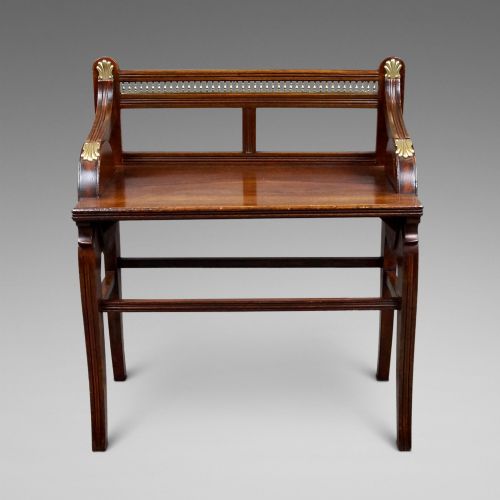


A 2026 Guide by Sellingantiques
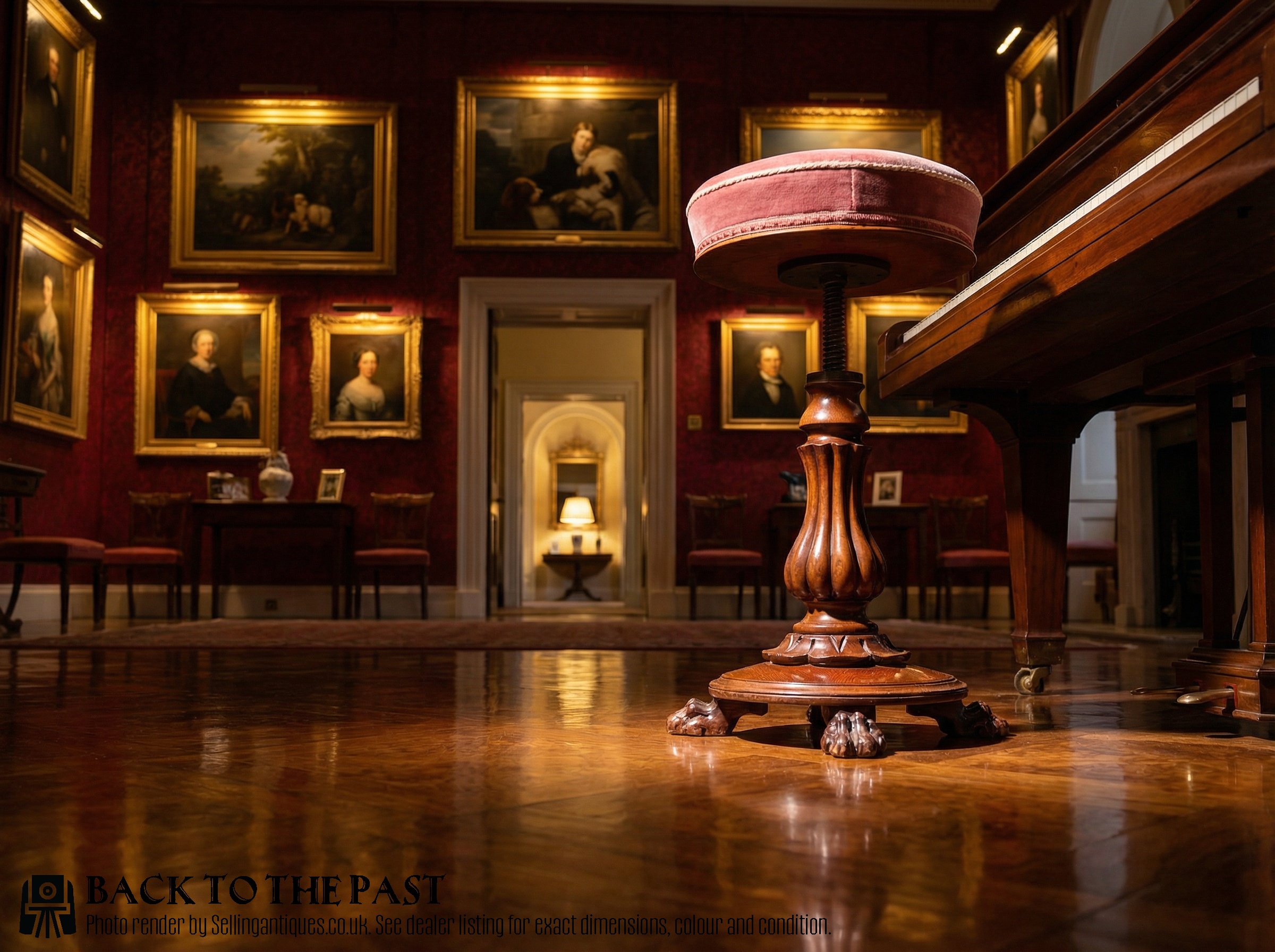
A Georgian Rosewood Piano Stool, Georgian
Priced at £545 from Marlborough Antiques & Interiors
Early keyboard players used standard chairs. Specialised seating only arrived when the instrument became a fixture in middle-class drawing rooms.
Antique piano stools evolved alongside the heavier iron-framed instruments of the nineteenth century.
Look at the shift in posture requirements. Players needed stability for foot pedals and free arm movement across wider octaves.
Swivel mechanisms solved the height problem quickly for different family members sharing the same keyboard.
Duet sizes emerged later, offering a wider bench rather than a single rotating seat.
Tonk Manufacturing Company in Chicago produced thousands of adjustable stools and benches during the late nineteenth century.
Charles Brooks patented several iron screw mechanisms in England in the late Victorian period.
Regional cabinetmakers turned out countless unmarked frames, buying in the iron action from specialist foundries in Birmingham or Sheffield.
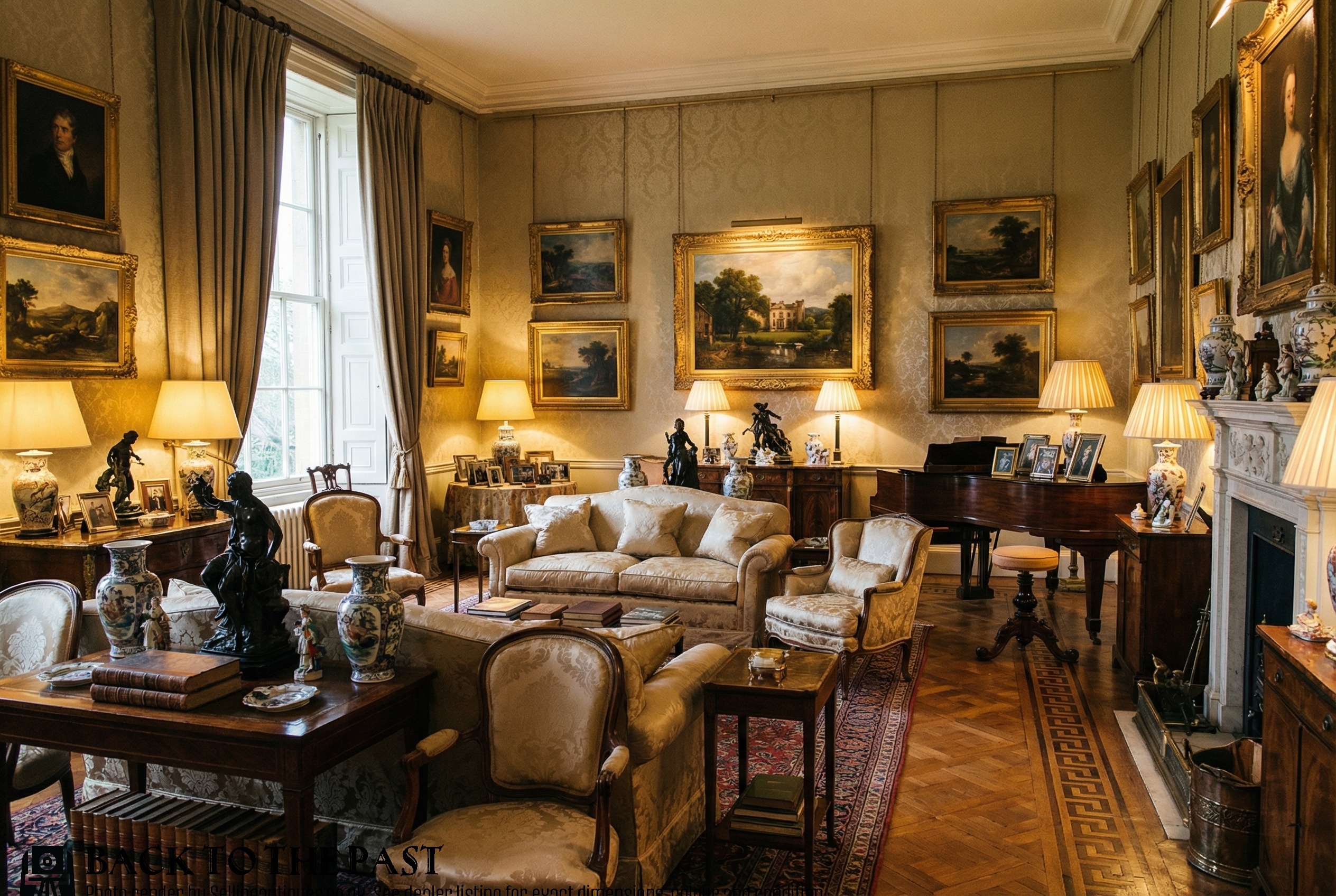
Victorian Revolving Piano Stool, Victorian
Priced at £295 from John Hubbard Antiques
The 2026 retail price guide for Antique Piano Stools is drawn from a proprietary archive of over 1.1 million retail prices indexed by Sellingantiques since 2003. This guide relies exclusively on their own internal data; no external sources or auction records are used.
Analysing nearly 25 years of UK antique market history alongside current retail values, the data indicates that typical UK retail prices for Antique Piano Stools range between £200 and £800. Entry-level prices generally fall under £200 and premium examples upwards of £800.
The central wooden screw. Turning the seat physically winds it up or down a threaded socket.
Tripod bases turn up frequently on early nineteenth-century antique piano stools. Splayed legs prevent the seat tipping when leaning for high notes.
Lift-up lids hide a shallow compartment under the cushion, providing a flat space for sheet music.
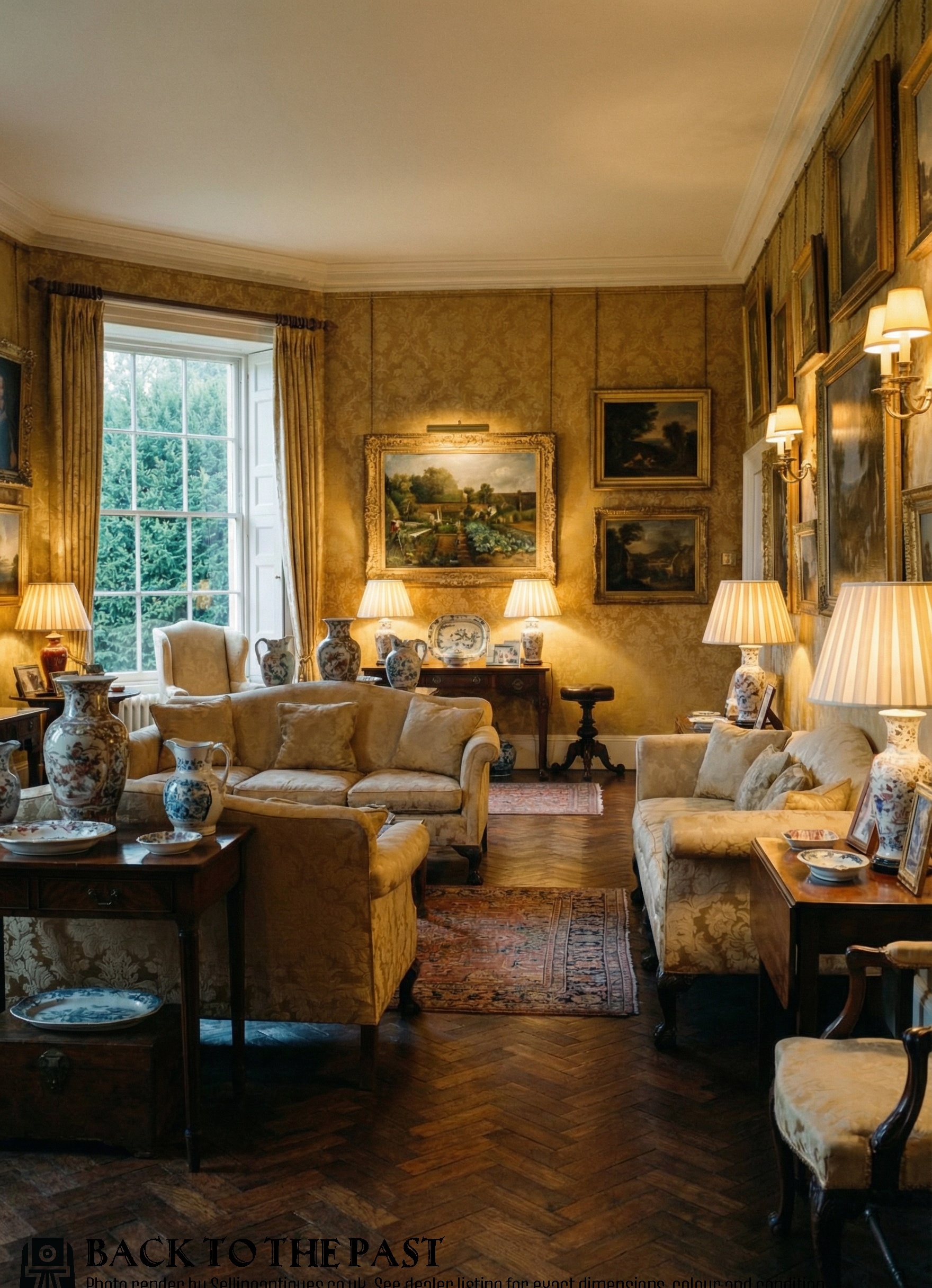
Walnut Adjustable Piano Stool, 19th Century
Priced at £595 from Shackladys Antiques
Early height adjustment relied on a carved wooden screw tapped directly into the timber column.
Metal threads replaced wood because the constant friction wore down the timber grooves.
Box benches require sturdy mortise and tenon joints to withstand the lateral weight of two players sitting off-centre.
"Some late Victorian models feature small glass ball and claw feet to insulate the player from floor draughts."
"The threaded column design was adapted from heavy industrial pressing tools and bookbinders' clamps."
"Many duet benches feature side ratchets to tilt the seat forward, creating a more ergonomic playing angle."
Based on almost 25 years of Sellingantiques UK antique market data, Antique Piano Stools appeared 1694 times (out of 1,100,000 antiques) which gives it a rarity score of 71/100.
This score measures scarcity within the Sellingantiques archive only and is not a survey of the entire antiques market, so these statistics may not be indicative of the general availability of Antique Piano Stools elsewhere.
Penetrating oil is the usual starting point. Squirt it down the spindle collar and leave it for a few days to soften the hardened grease.
Gentle heat can sometimes shift stubborn metal threads. If the mechanism relies on a wooden screw, oil will swell the timber and make the problem worse. Use dry graphite powder instead.
Box hinges take a lot of strain. The lid is heavy and acts as a lever against the small brass screws holding the hinges in place. Over decades of opening and dropping shut, the screws chew through the soft pine of the carcase.
Plugging the original screw holes with hardwood dowels and redrilling them is the standard fix. It gives the original hinges solid timber to bite into again.
Yes, mostly. A well-jointed Victorian stool is robust enough for daily use.
Check the leg joints for wobble before putting full weight on a tripod base.
Never wind the thread out past the point where the spindle wobbles. You need enough metal left inside the column to keep the seat anchored against lateral movement.
Most makers designed them with about five inches of safe travel. If a player needs the seat higher than the stable limit, the stool is just too short for that specific keyboard.
Please note: This Antique Piano Stools guide and its associated pricing data are provided for general informational purposes only. It does not constitute formal financial, investment, or appraisal advice and should not be relied upon as the sole basis for any commercial activity, purchasing, or sales decisions. Sellingantiques.co.uk accepts no liability for any actions taken in reliance on this information. Always consult with a qualified professional or independent appraiser.
