

A 2026 Guide by Sellingantiques
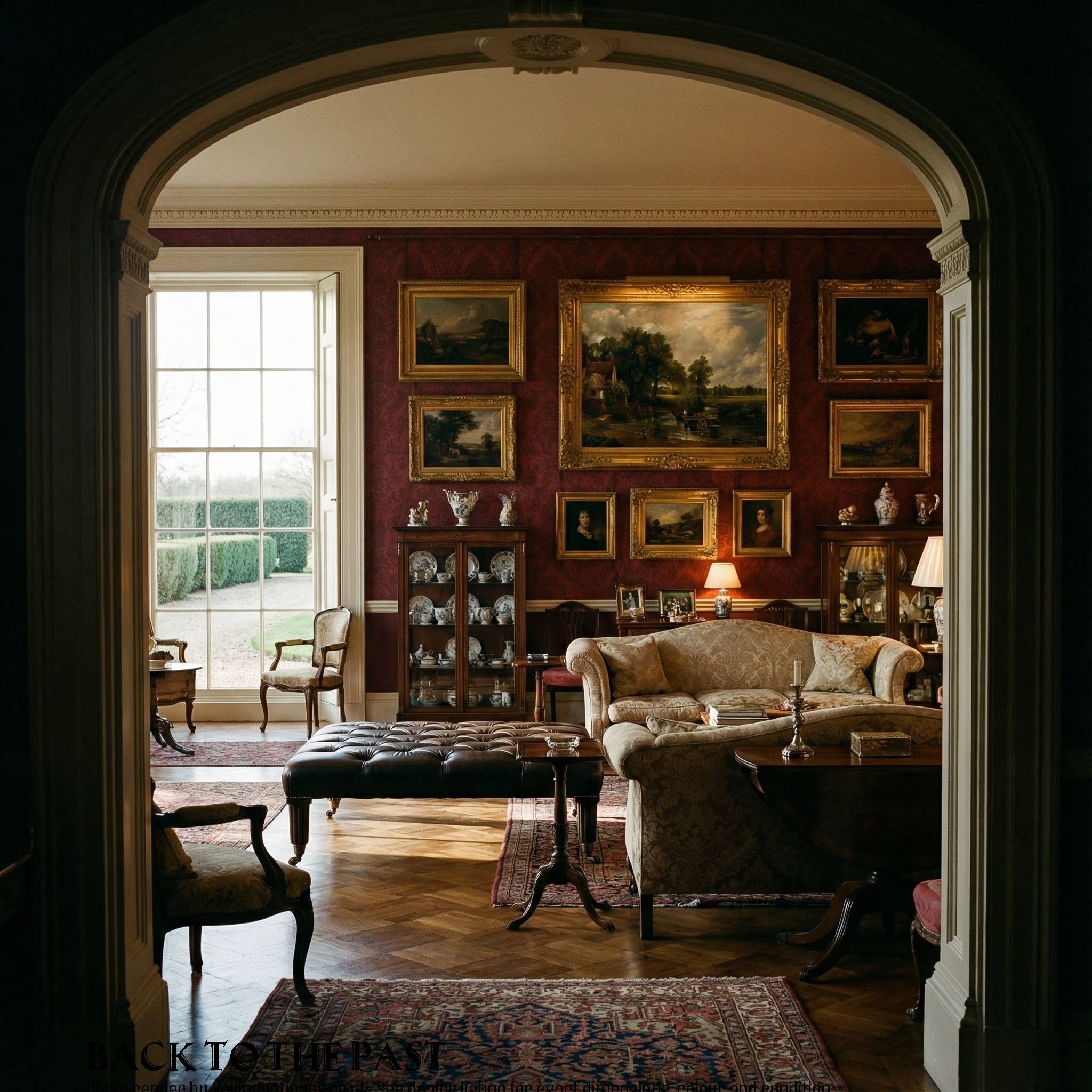
Large Country House Buttoned Leather Centre Stool, 19th Century
Priced at £1,950 from Tom Scott Antiques
Early antique leather stools provided basic, movable seating for households before chairs became common.
By the eighteenth century, wealthy estates kept matching sets for guests around the gaming table.
Look at Victorian examples. They often feature deep buttoning to match the heavy club armchairs of the era.
Industrial workshops adopted tough hide tops for factory workers due to the sheer durability of the material.
Most surviving early pieces come from rural regional trades rather than high-end metropolitan cabinetmakers.
Unmarked provincial workshops produced the vast majority of antique leather stools across the country.
Gillows of Lancaster occasionally documented making fine mahogany library examples with hide tops during the Georgian period.
Spotting a maker's stamp is rare. Upholsterers usually left no mark on the finished carcase.
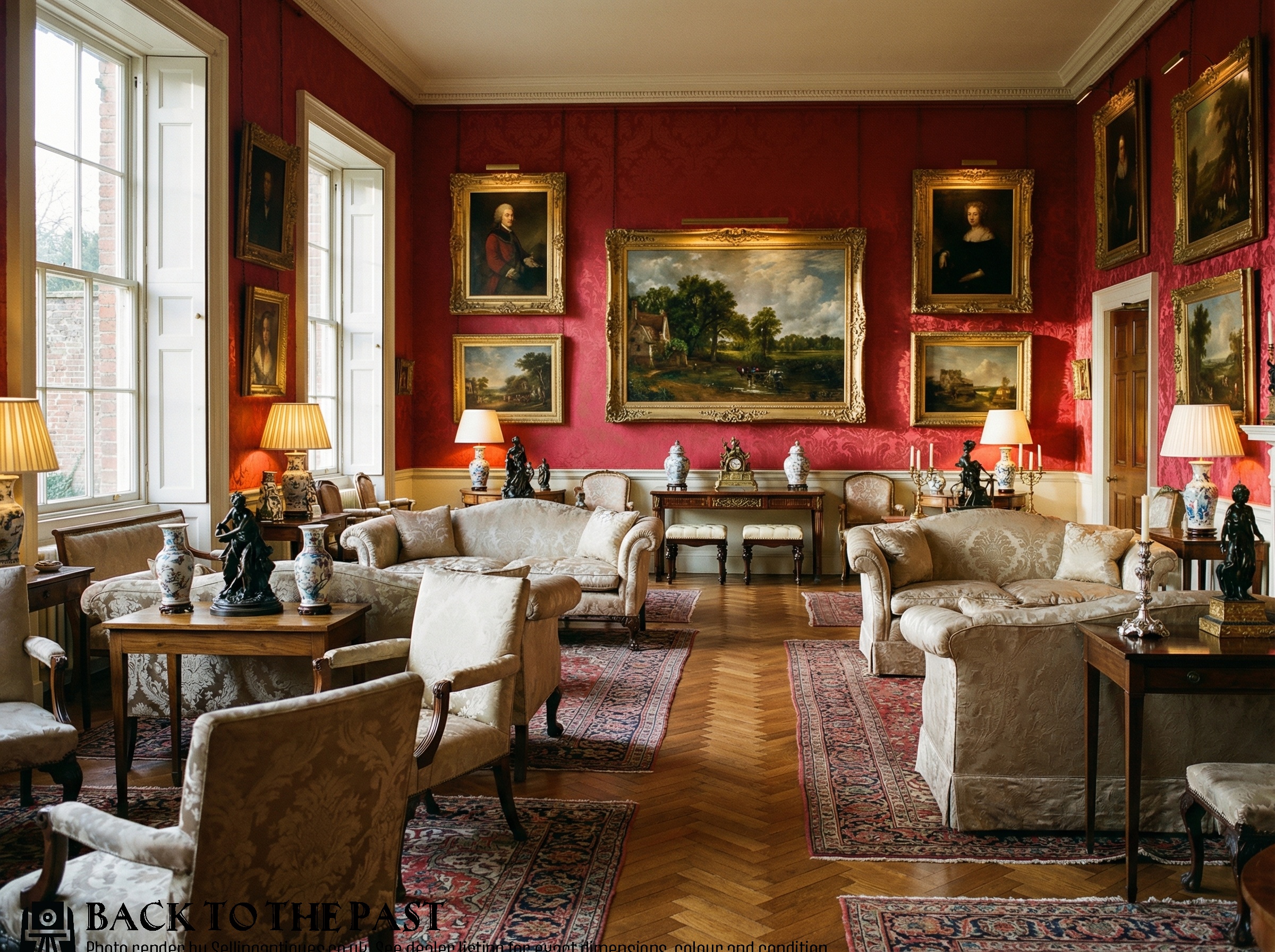
A Pair of Chesterfield Buttoned Leather Walnut Library Window Stools, 19th Century
Priced at £1,750 from Elmgarden
The 2026 retail price guide for Antique Leather Stools is drawn from a proprietary archive of over 1.1 million retail prices indexed by Sellingantiques since 2003. This guide relies exclusively on their own internal data; no external sources or auction records are used.
Analysing nearly 25 years of UK antique market history alongside current retail values, the data indicates that typical UK retail prices for Antique Leather Stools range between £400 and £2,000. Entry-level prices generally fall under £400 and premium examples upwards of £2,000.
Squab cushions are tied directly to the seat rails on some late seventeenth-century antique leather stools.
Look for an overstuffed seat. The hide wraps entirely around the side rails, hiding the wood beneath.
Turned stretchers often connect the legs to stop the frame splaying under heavy weight.
Pegged mortise and tenon joints hold the earliest oak frames together, relying on wooden dowels rather than glue.
Corner blocks appear on later eighteenth-century pieces. Screws fix these triangular wooden blocks inside the seat rails for strength.
Turn the piece upside down. You will often see webbing tacked to the frame to support the horsehair stuffing.
"Some Georgian examples hide a chamber pot beneath a hinged, padded lid."
"Camel saddles converted into domestic seating became a popular import item during late nineteenth-century campaigns."
"They were often the first upholstery project given to an apprentice learning the trade before moving on to chairs."
Based on almost 25 years of Sellingantiques UK antique market data, Antique Leather Stools appeared 635 times (out of 1,100,000 antiques) which gives it a rarity score of 88/100.
This score measures scarcity within the Sellingantiques archive only and is not a survey of the entire antiques market, so these statistics may not be indicative of the general availability of Antique Leather Stools elsewhere.
Minor surface cracking is a natural part of the ageing process. It shows the history of the piece and many collectors prefer to leave it alone. Applying a specialist hide food can prevent further drying.
Deep tears that expose the padding require professional attention. An upholsterer can sometimes patch a split from behind to preserve the original covering.
That crunching sound usually points to a traditional stuffing material. Many provincial workshops used coir to provide a firm seat that held its shape well.
Other common fillings include horsehair or dried moss. These natural materials break down slowly over time, settling into the dry, crisp texture you feel today.
Dust it lightly with a soft, dry cloth. Never use water or modern chemical sprays as they will stain the porous surface.
A clear microcrystalline wax can be applied sparingly once a year. Buff it off gently to protect the finish.
Irregular brass tacks are common on older furniture. Early nails were hand-forged individually, so slight variations in the head size and shape are a good sign of age.
Losing a few over a century of use is expected. When the webbing flexes under weight, it puts pressure on the tacks and eventually pushes them loose from the wooden carcase.
Replacing them is a straightforward job for a restorer.
Please note: This Antique Leather Stools guide and its associated pricing data are provided for general informational purposes only. It does not constitute formal financial, investment, or appraisal advice and should not be relied upon as the sole basis for any commercial activity, purchasing, or sales decisions. Sellingantiques.co.uk accepts no liability for any actions taken in reliance on this information. Always consult with a qualified professional or independent appraiser.
