


A 2026 Guide by Sellingantiques

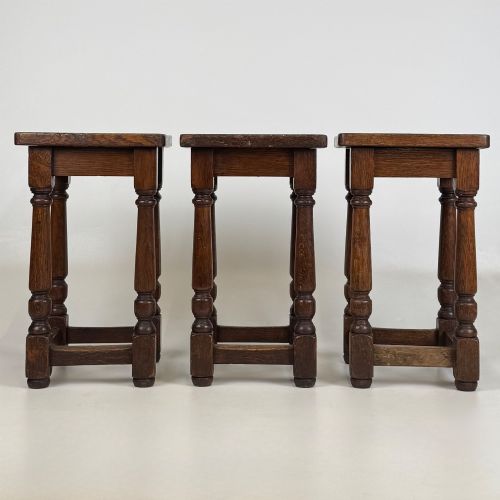
Early 20th Century Oak Joint Stool, 1900
Priced at £195 from Brookside Antiques
Most households before the late seventeenth century had far fewer chairs than stools. A long table would have one armchair for the head of the house and joint stools down the sides for everyone else.
'Joint' simply means constructed by a joiner. Prior to these, seating was often just basic boarded forms knocked together with nails.
Check old probate inventories. You will frequently see them listed in pairs or sets of half a dozen, reflecting how they were bought and used around dining tables.
During the eighteenth century, they fell out of fashion for dining. Many ended up relegated to kitchens or outbuildings as work platforms.
Individual makers of early joint stools are almost never recorded. The trade was heavily regionalised, relying on local parish carpenters and joiners working to standard patterns.
Guilds controlled the division of labour in towns. Joiners handled mortise and tenon frames, while turners supplied the finished legs.
Certain decorative choices hint at regional origins. Deeply stamped motifs or specific turning profiles sometimes point to Salisbury, Yorkshire or East Anglia.
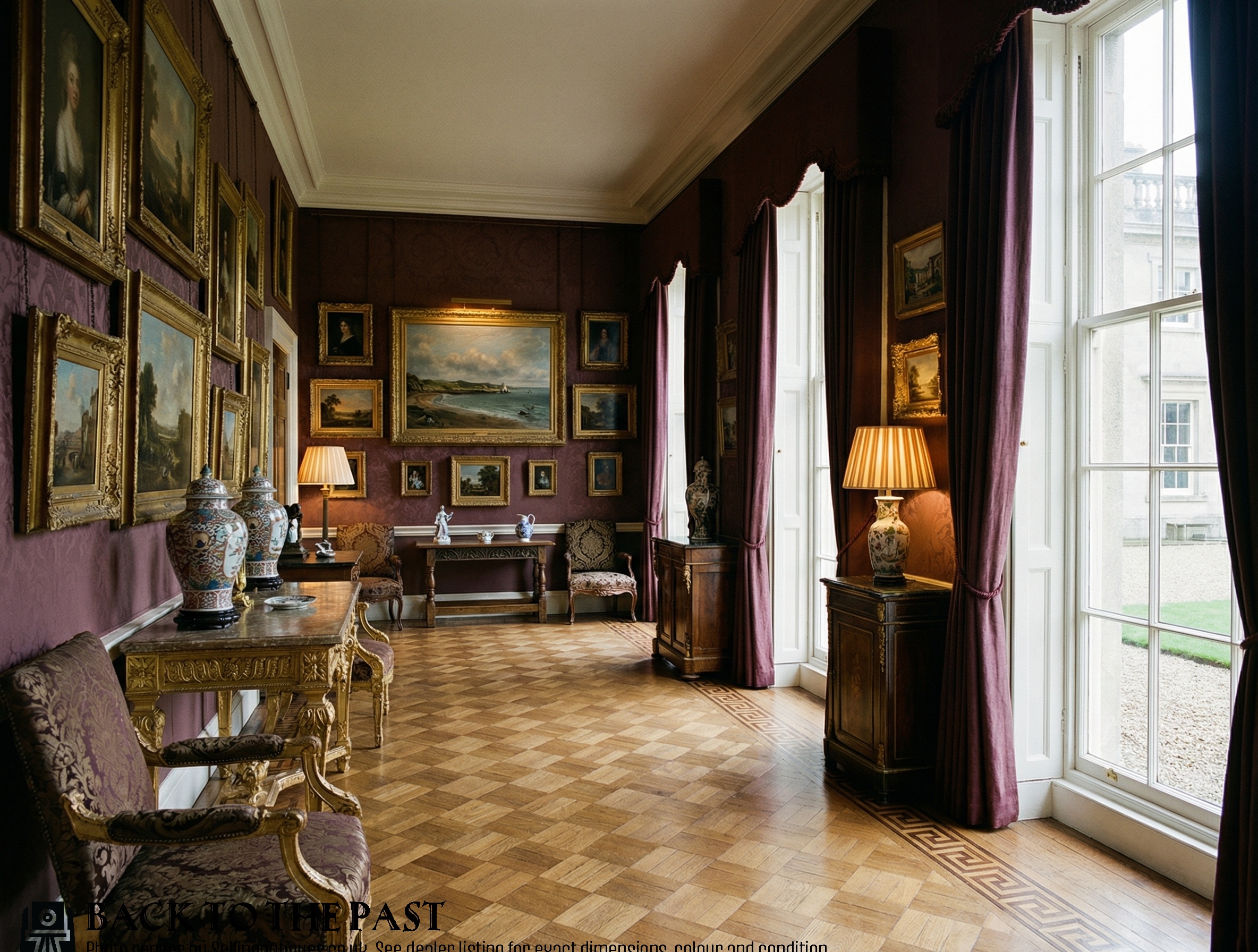
Arts and Crafts Carved Country Golden Oak Joint Stool Window Seat, Hall Bench, 19th Century
Priced at £600 from Elmgarden
The 2026 retail price guide for Antique Joint Stools is drawn from a proprietary archive of over 1.1 million retail prices indexed by Sellingantiques since 2003. This guide relies exclusively on their own internal data; no external sources or auction records are used.
Analysing nearly 25 years of UK antique market history alongside current retail values, the data indicates that typical UK retail prices for Antique Joint Stools range between £200 and £1,300. Entry-level prices generally fall under £200 and premium examples upwards of £1,300.
A sturdy rectangular top overhangs a joined underframe. The frieze rails beneath often carry simple moulded edges or basic carved channels.
Turned legs dictate the style. Early profiles are thick and heavy, while later turnings feature slender balusters or columnar shapes.
Stretchers connect the legs near the base. These square blocks keep the stool rigid and stop the legs spreading under weight.
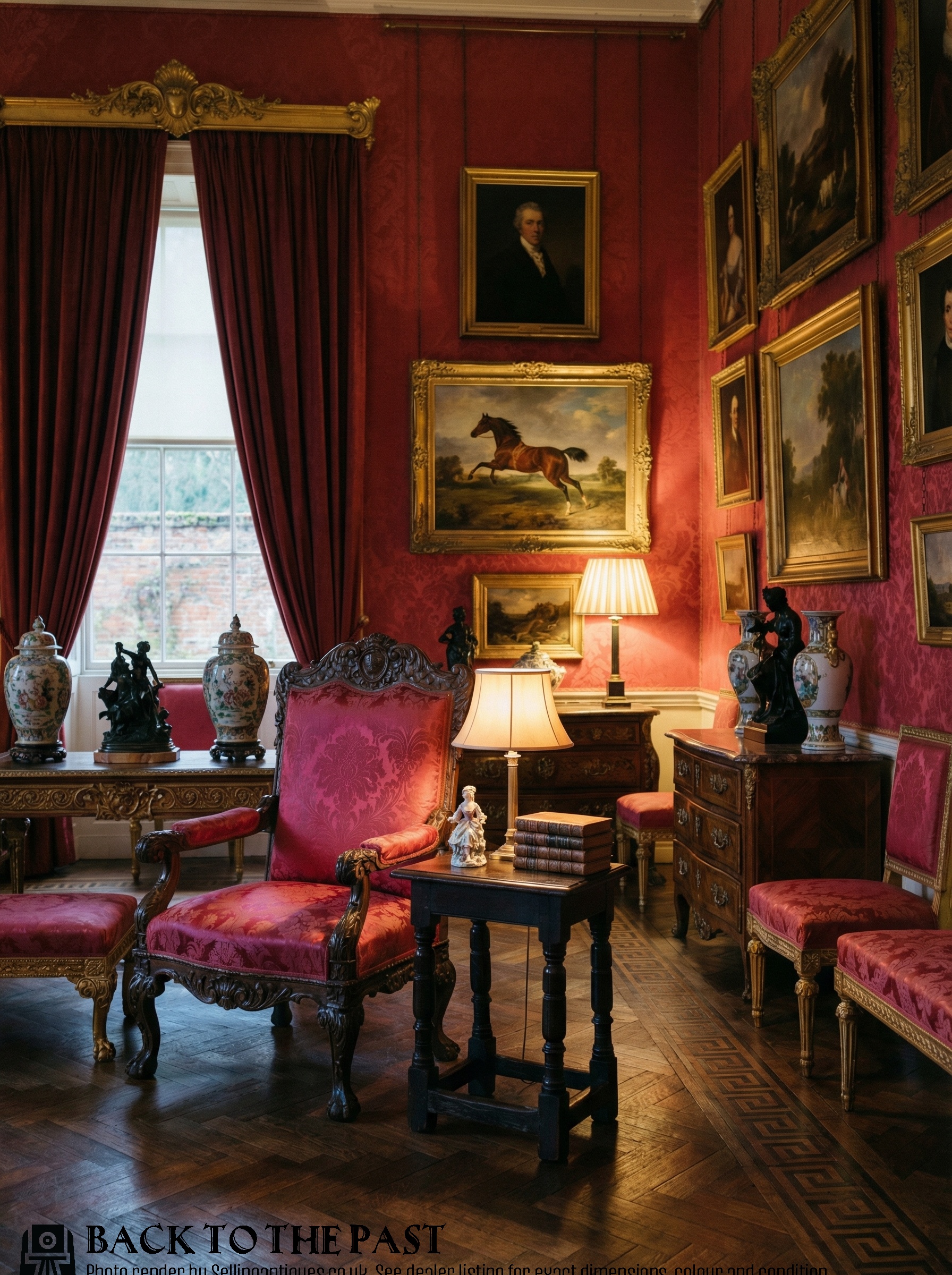
A Mid – 17th Century Oak Joint Stool, English, Circa 1650, 17th Century
Priced at £1,650 from Surrey Antiques by Gary J Hall
Early sixteenth-century antique joint stools rely on thick, heavy timbers. They feature simple chamfered edges and stop-ribbing with minimal turning on the legs.
By the mid-seventeenth century, the turnings become sharper and more pronounced. You start seeing complex baluster profiles and splayed legs offering better stability.
Hand tools left distinct marks. Look under the seat board for the rough gouges and kerf marks left by pit saws or adzes.
"They served multiple roles in the early home. When a larger surface was needed, several were pushed together to support a loose board."
"The tilt of the seat was sometimes intentional. Joiners occasionally planed a slight angle into the top to make them more comfortable for leaning forward at a table."
"A mortise and tenon joint actually tightens with age. The wooden peg shrinks at a different rate to the surrounding oak, locking the assembly together firmly."
Based on almost 25 years of Sellingantiques UK antique market data, Antique Joint Stools appeared 749 times (out of 1,100,000 antiques) which gives it a rarity score of 86/100.
This score measures scarcity within the Sellingantiques archive only and is not a survey of the entire antiques market, so these statistics may not be indicative of the general availability of Antique Joint Stools elsewhere.
Splayed legs offer a wider footprint. Early furniture needed to remain upright on uneven stone or mud floors. A straight-legged stool tips easily, whereas splayed legs distribute the weight outward.
Joiners achieved this angle by cutting the mortise and tenon joints at a slight pitch. It takes more skill than a square frame, but it makes the seat far more stable during use.
The term 'coffin stool' is a Victorian invention. Nineteenth-century romanticism attached gloomy narratives to old oak furniture, assuming these seats were made specifically to support coffins during wakes.
While they were pressed into service to hold a coffin when someone died at home, that was just a practical use of available household items. Their actual purpose was everyday dining and sitting.
Many have an oblong slot cut through the centre of the seat board. This acts as a handling hole.
People moved them regularly. A central slot lets you pick the stool up with one hand to shift it near a fire or out of the way.
Several factors influence the height of early seating. Some were indeed made lower to suit specific tasks, like working near a hearth or spinning.
However, a significant number of surviving stools have lost height over the centuries. Resting on damp stone floors causes the end grain of the timber to rot.
Over generations, owners simply cut an inch or two off the bottom to level the legs once they became uneven.
Please note: This Antique Joint Stools guide and its associated pricing data are provided for general informational purposes only. It does not constitute formal financial, investment, or appraisal advice and should not be relied upon as the sole basis for any commercial activity, purchasing, or sales decisions. Sellingantiques.co.uk accepts no liability for any actions taken in reliance on this information. Always consult with a qualified professional or independent appraiser.
