


A 2026 Guide by Sellingantiques
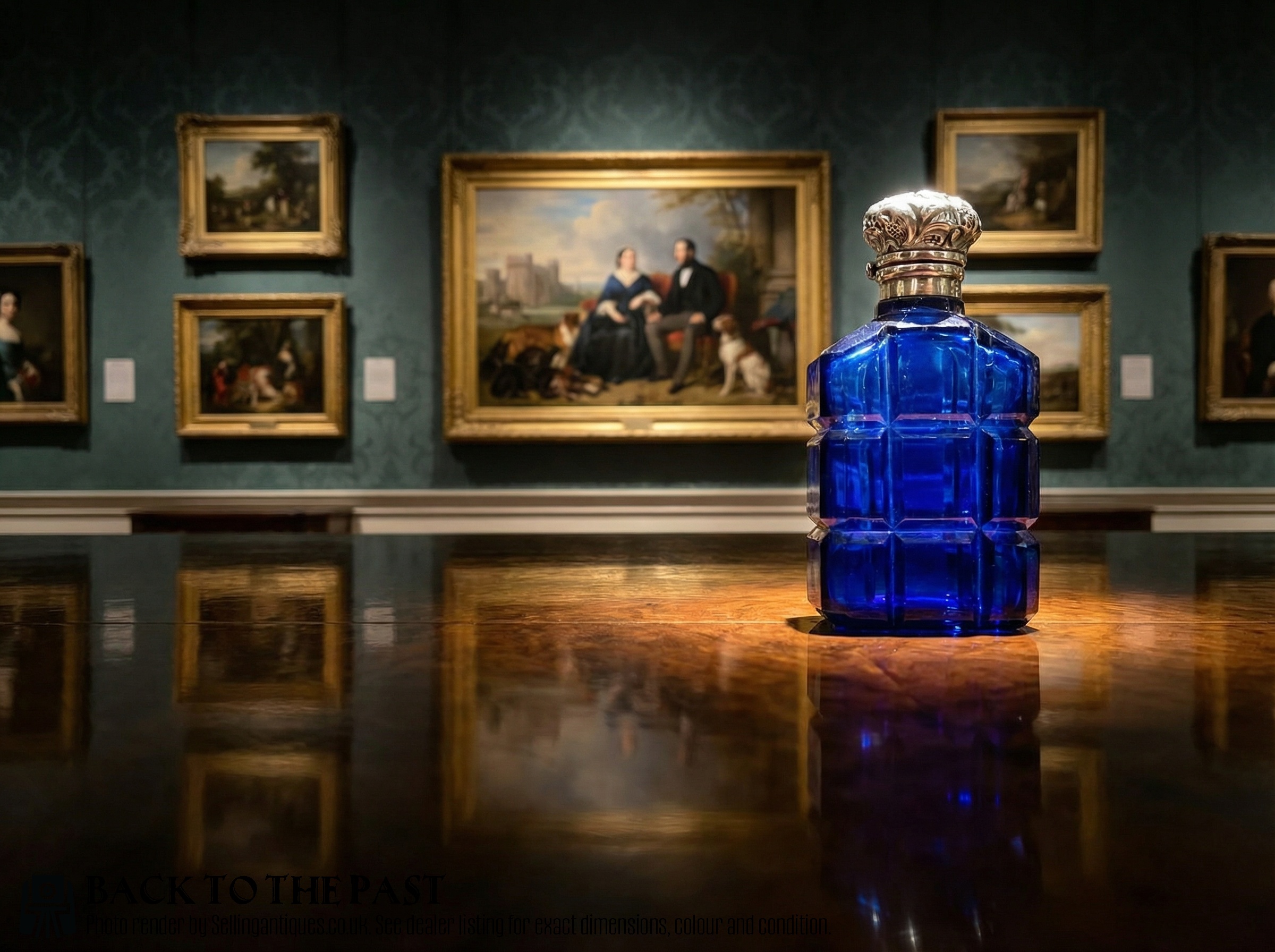
A Collectable Victorian Silver Mounted Scent Bottle, Victorian
Priced at £195 from Andrew Cox Antiques
Carrying personal fragrances became popular in the eighteenth century to combat poor street odours.
Victorian women often kept an antique silver scent bottle attached to a chatelaine. Keep in mind that waist-hung accessories required secure lids.
Glass liners started appearing more frequently to protect the metal from corrosive salts.
Look for changes in size. Early vinaigrettes gradually evolved into deeper flask shapes for liquids.
Production peaked during the late nineteenth century as middle-class travel expanded.
Sampson Mordan dominated the London novelty silver market in the nineteenth century.
Find a hallmark for Charles May and you have a Birmingham silversmith who produced thousands of these accessories.
Continental silversmiths like Hanau-based Schürmann exported heavily to Britain. They often used imported marks alongside their own stamps.
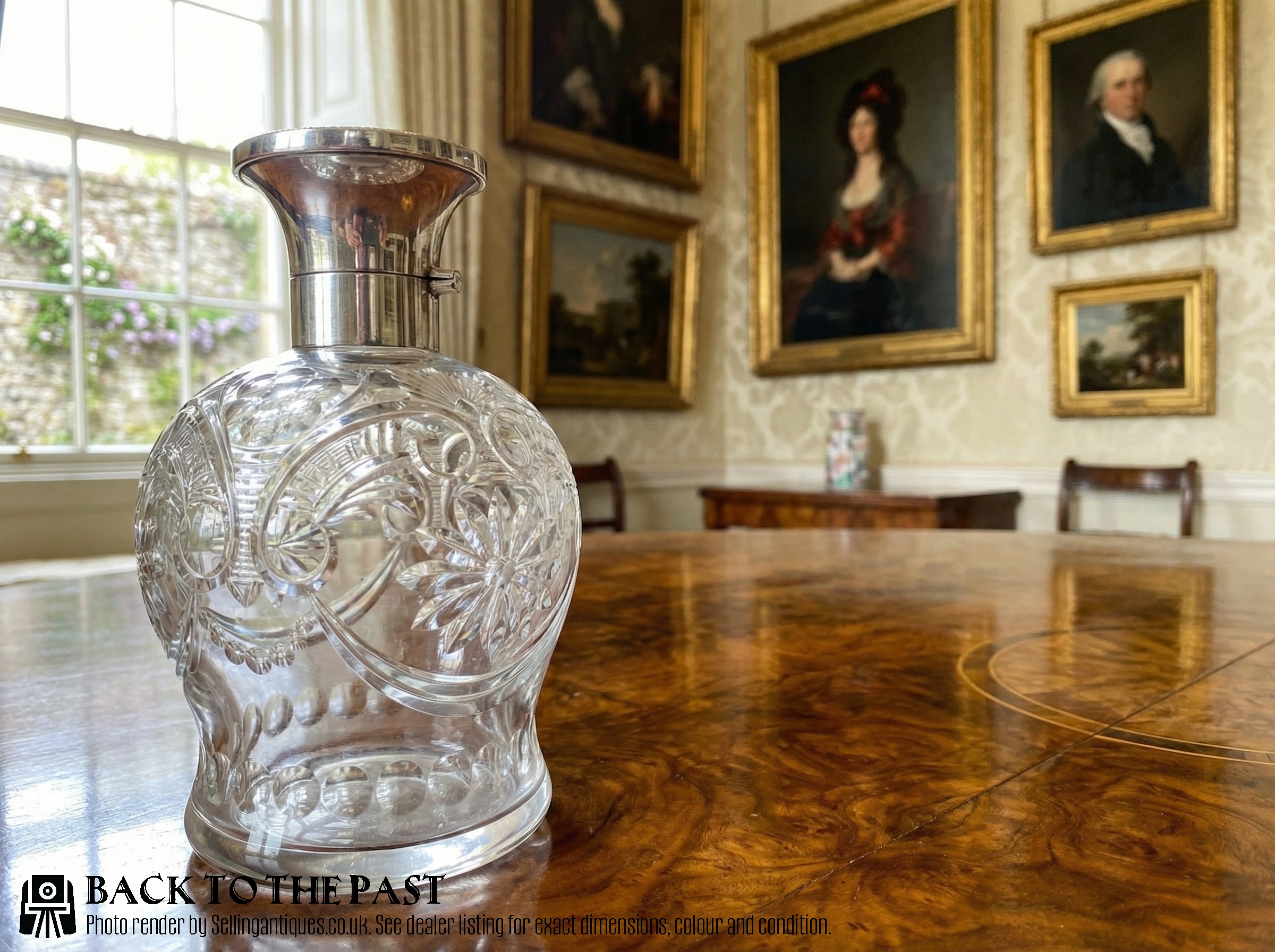
19th Century Silver Scent Bottle, 19th Century
Priced at £125 from Abersoch Antiques
The 2026 retail price guide for Antique Silver Scent Bottles is drawn from a proprietary archive of over 1.1 million retail prices indexed by Sellingantiques since 2003. This guide relies exclusively on their own internal data; no external sources or auction records are used.
Analysing nearly 25 years of UK antique market history alongside current retail values, the data indicates that typical UK retail prices for Antique Silver Scent Bottles range between £200 and £400. Entry-level prices generally fall under £200 and premium examples upwards of £400.
Screw caps are common on plain travel flasks. They're better at sealing than a push-fit lid.
Heavy repoussé work covers many late Victorian examples. This gives grip as well as decoration.
Look for suspension rings near the hinge. These show the bottle was designed for a waist chain.
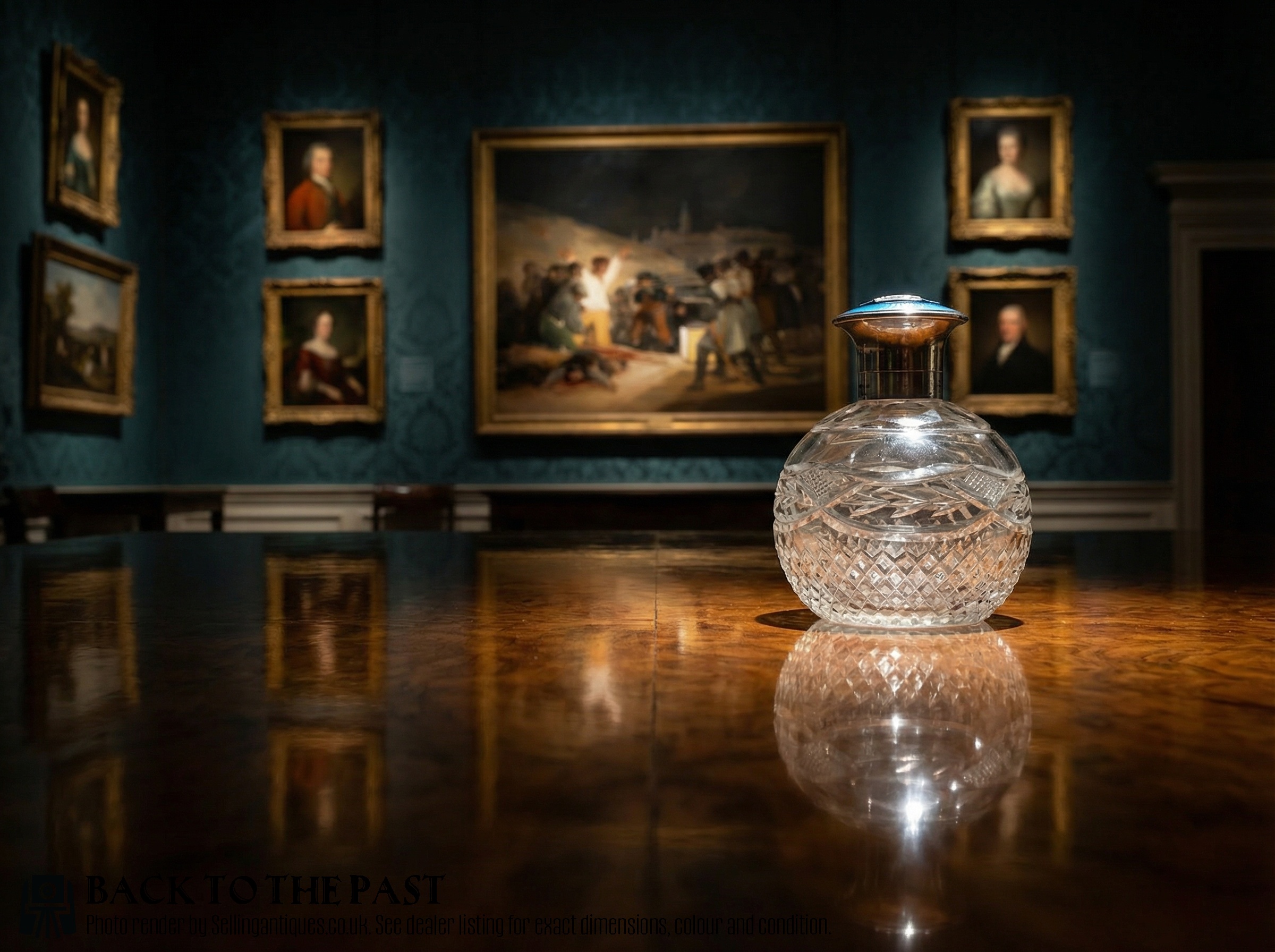
Glass & Silver Enamel Topped Scent Bottle, 1920
Priced at £395 from Hobson May Collection
Early examples were hand-raised from flat sheet using hammers and stakes.
Die-stamping revolutionised the trade in Birmingham. Two matching halves were pressed by machine and then soldered together.
Engravers added final surface details with sharp burins after the main body was assembled and polished.
"Some contained a secret compartment in the base for a tiny sponge soaked in smelling salts."
"The inner glass stoppers often survived intact because the outer metal lid took the force of any impacts."
"A few rare novelty shapes were modelled to look like walnuts or small shells."
Based on almost 25 years of Sellingantiques UK antique market data, Antique Silver Scent Bottles appeared 3285 times (out of 1,100,000 antiques) which gives it a rarity score of 52/100.
This score measures scarcity within the Sellingantiques archive only and is not a survey of the entire antiques market, so these statistics may not be indicative of the general availability of Antique Silver Scent Bottles elsewhere.
Modern perfumes contain alcohol and synthetic oils that can tarnish unprotected silver. If it doesn't have a glass liner or intact interior gilding, the metal might react with the liquid.
Using a glass-lined bottle is fine. Just ensure the stopper sits tightly so the alcohol doesn't evaporate.
Rinse the interior gently with warm water. Don't use silver polish inside the neck because the residue isn't easy to remove.
Leave it open to dry. Trapped moisture damages the hinge pins.
Glass stoppers fuse into silver collars when old perfume residue hardens over decades. Pulling or twisting with force usually snaps the glass dauber right off.
Try applying a single drop of warm water around the rim. Let it sit for a few days to soften the old oils. If it remains stuck, leave it alone.
Constant handling wears down the raised areas of metal over a century. Hallmarks were often stamped on the base, which takes the most friction in a purse.
Marks on the inside rim of the lid tend to survive much better. You'll often find a clearer maker or town mark there.
Please note: This Antique Silver Scent Bottles guide and its associated pricing data are provided for general informational purposes only. It does not constitute formal financial, investment, or appraisal advice and should not be relied upon as the sole basis for any commercial activity, purchasing, or sales decisions. Sellingantiques.co.uk accepts no liability for any actions taken in reliance on this information. Always consult with a qualified professional or independent appraiser.
