

A 2026 Guide by Sellingantiques
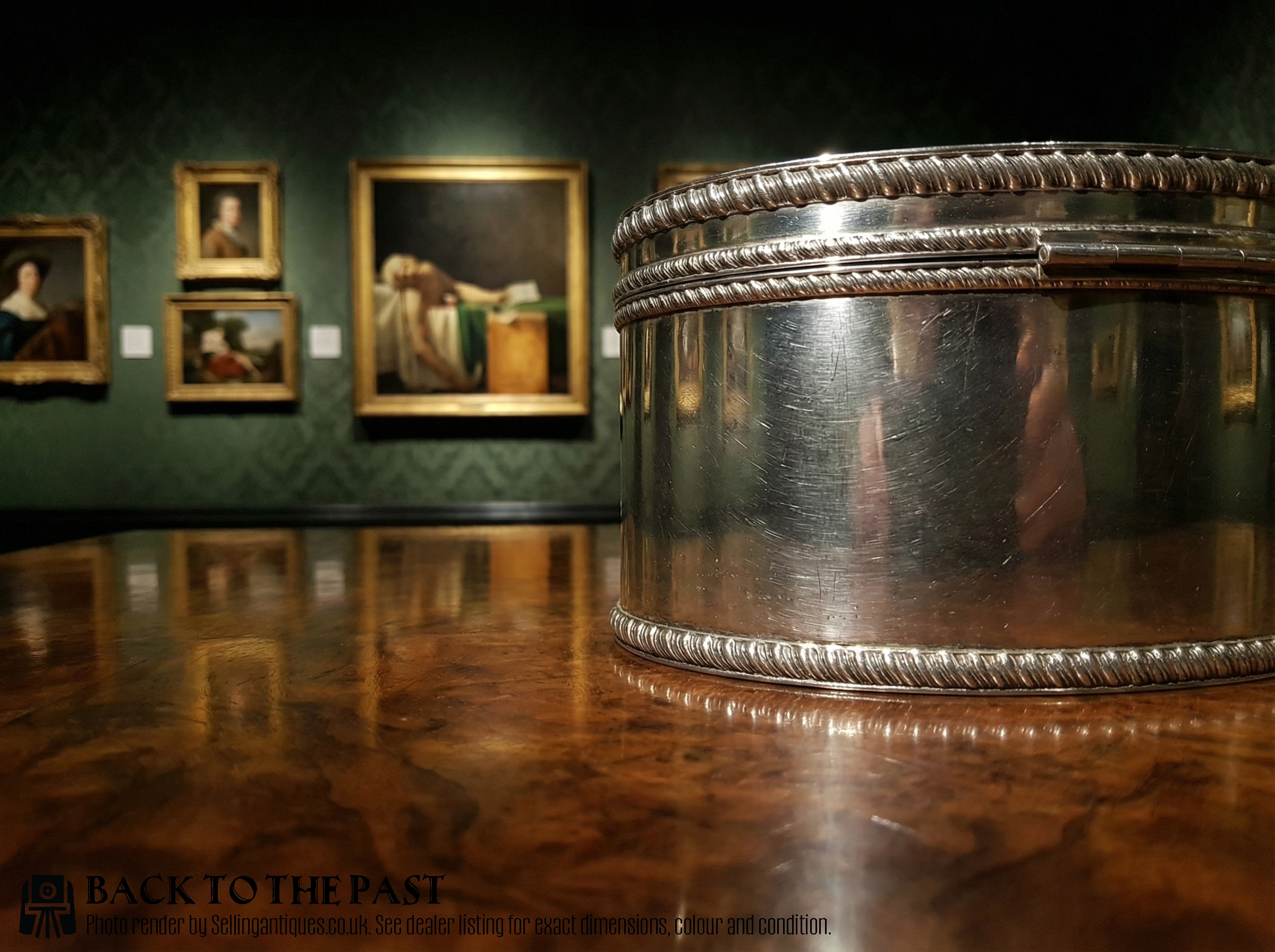
A Superb Quality Silver Plated Domed Oval Box, 1920
Priced at £325 from Robert Belcher Antiques
Snuff habits drove the early demand for antique silver boxes across Europe during the eighteenth century.
Table variations grew larger as domestic living routines changed throughout the Georgian period.
Look for small internal dividers that suggest a specific original purpose for the piece.
Presentation examples for civic events or military commissions.
Nathaniel Mills dominated the Birmingham trade between 1827 and 1853 with detailed castle top designs.
Crisp engine-turned snuff containers from London silversmiths like Phipps and Robinson during the early nineteenth century.
Watch out for Edward Smith, another major Birmingham specialist turning out machined cases until the 1860s.
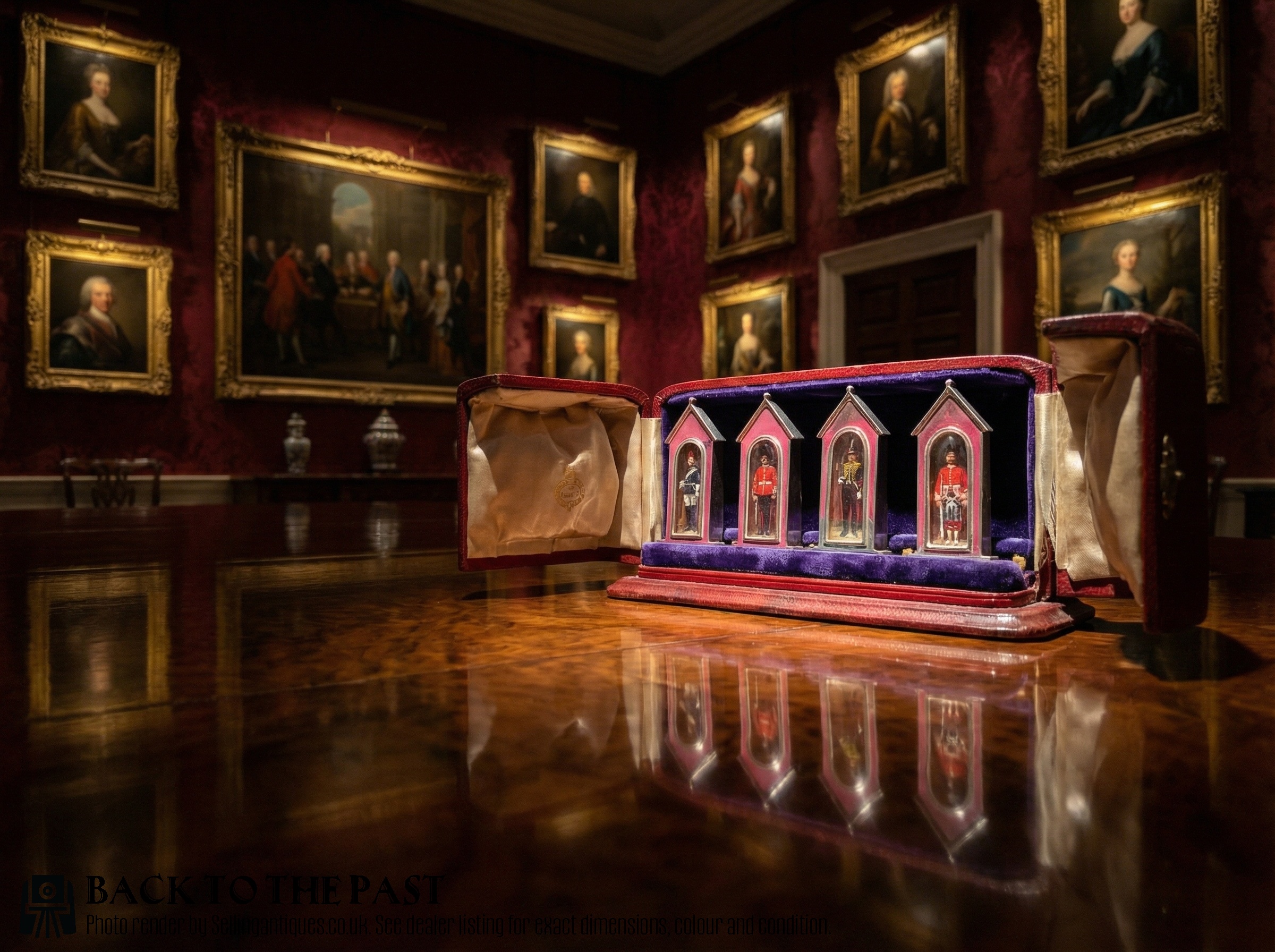
Antique Silver Sentry Box Menu Holders Sampson Mordan, Edwardian
Priced at £4,700 from The Silver Cabinet
The 2026 retail price guide for Antique Silver Boxes is drawn from a proprietary archive of over 1.1 million retail prices indexed by Sellingantiques since 2003. This guide relies exclusively on their own internal data; no external sources or auction records are used.
Analysing nearly 25 years of UK antique market history alongside current retail values, the data indicates that typical UK retail prices for Antique Silver Boxes range between £200 and £900. Entry-level prices generally fall under £200 and premium examples upwards of £900.
Hallmarks usually struck across the inside base and hidden within the lid.
Thumbpieces vary from simple raised lips to heavy cast floral catches.
Examine the flush hinges that take serious skill to cut and sink seamlessly into the back wall.
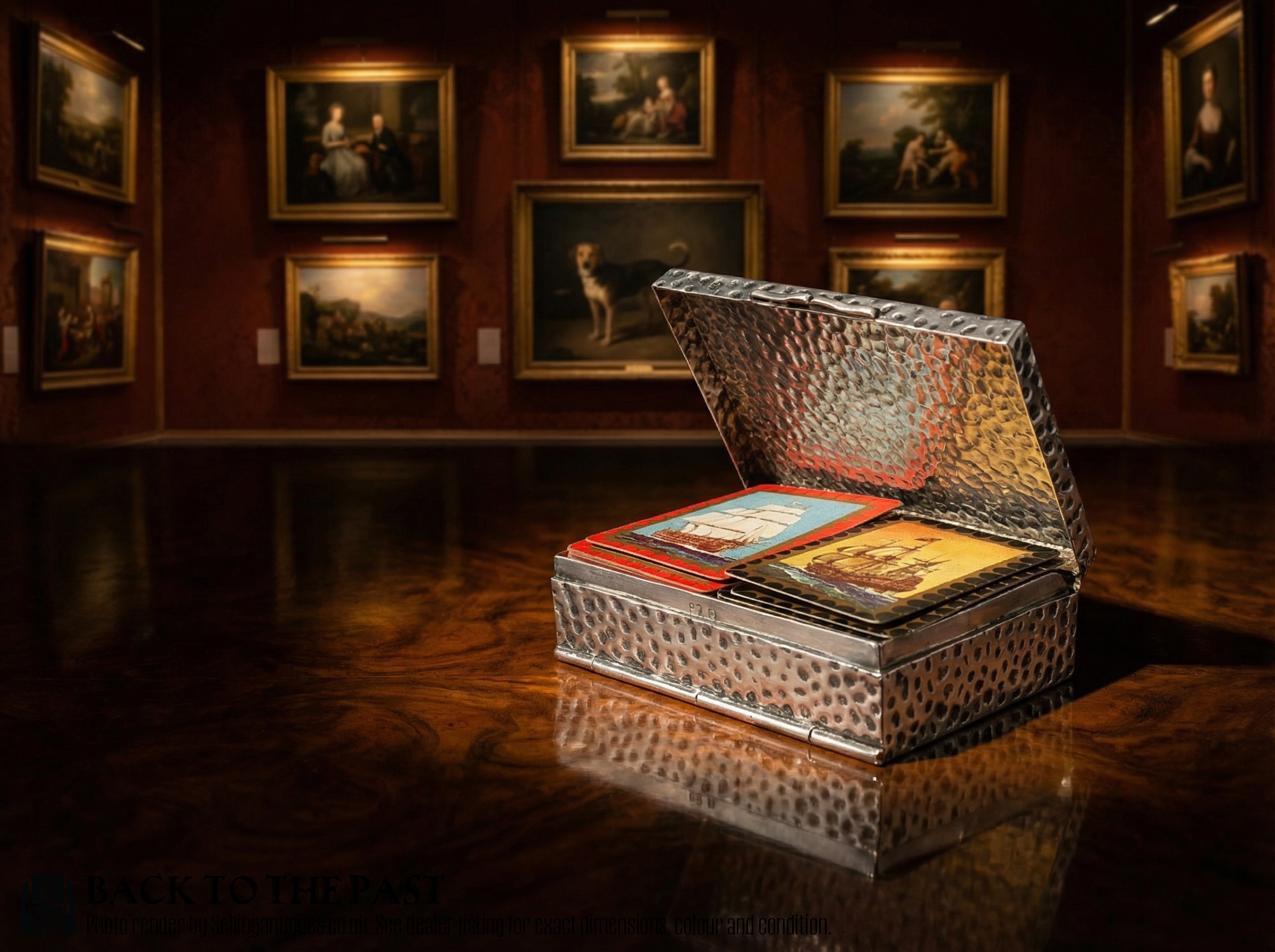
Antique Silver Playing Card Box - Nelson and Drake, Victorian
Priced at £420 from The Silver Cabinet
Early eighteenth-century examples rely heavily on plain surfaces and tight proportions rather than applied decoration.
The introduction of the rose engine lathe allowed makers to cover entire surfaces with complex intersecting lines.
Steel dies used by Victorian workshops to stamp body parts before soldering them together.
"Some pocket variations feature hidden compartments designed solely to hold a tiny miniature portrait."
"Faint scratches inside where previous owners recorded their own inventory numbers."
"Look out for matching miniature spoons that nested neatly against the inner wall."
Based on almost 25 years of Sellingantiques UK antique market data, Antique Silver Boxes appeared 12686 times (out of 1,100,000 antiques) which gives it a rarity score of 8/100.
This score measures scarcity within the Sellingantiques archive only and is not a survey of the entire antiques market, so these statistics may not be indicative of the general availability of Antique Silver Boxes elsewhere.
Wash the interior gently with warm water and a mild soap to remove loose dirt. Dry it immediately with a soft cloth. Leave the box open in a warm room for a few hours to ensure all moisture evaporates from the hinge joints.
Avoid dipping the whole piece in liquid cleaners. The harsh chemicals easily get trapped behind inner linings and cause long-term damage to the metal.
Makers applied that gold wash, known as gilding, to protect the silver from whatever the box was meant to hold. Salt and certain cosmetics react badly with bare silver. The chemical reaction pits the surface and leaves dark stains.
The gold layer forms a safe barrier between the contents and the metal. It also wipes clean much easier than unprotected silver.
It describes the repeating geometric patterns cut into the surface of the metal. Workshops used a mechanical lathe to guide the cutting tool with tight precision.
The technique creates a textured grip that stops a pocket box slipping through your fingers. It also hides the minor scuffs and scratches that build up during daily handling.
You likely have a pull-off lid rather than a hinged one. These tight friction fits appear often on pill boxes or small vanity containers where a secure seal matters most. The tight fit stops fine powders or small items spilling out in a pocket or bag.
Some of these unhinged boxes were designed for holding patches. Eighteenth-century men and women applied these tiny fabric shapes to their faces to cover scars or simply follow fashion.
Please note: This Antique Silver Boxes guide and its associated pricing data are provided for general informational purposes only. It does not constitute formal financial, investment, or appraisal advice and should not be relied upon as the sole basis for any commercial activity, purchasing, or sales decisions. Sellingantiques.co.uk accepts no liability for any actions taken in reliance on this information. Always consult with a qualified professional or independent appraiser.
