


A 2026 Guide by Sellingantiques
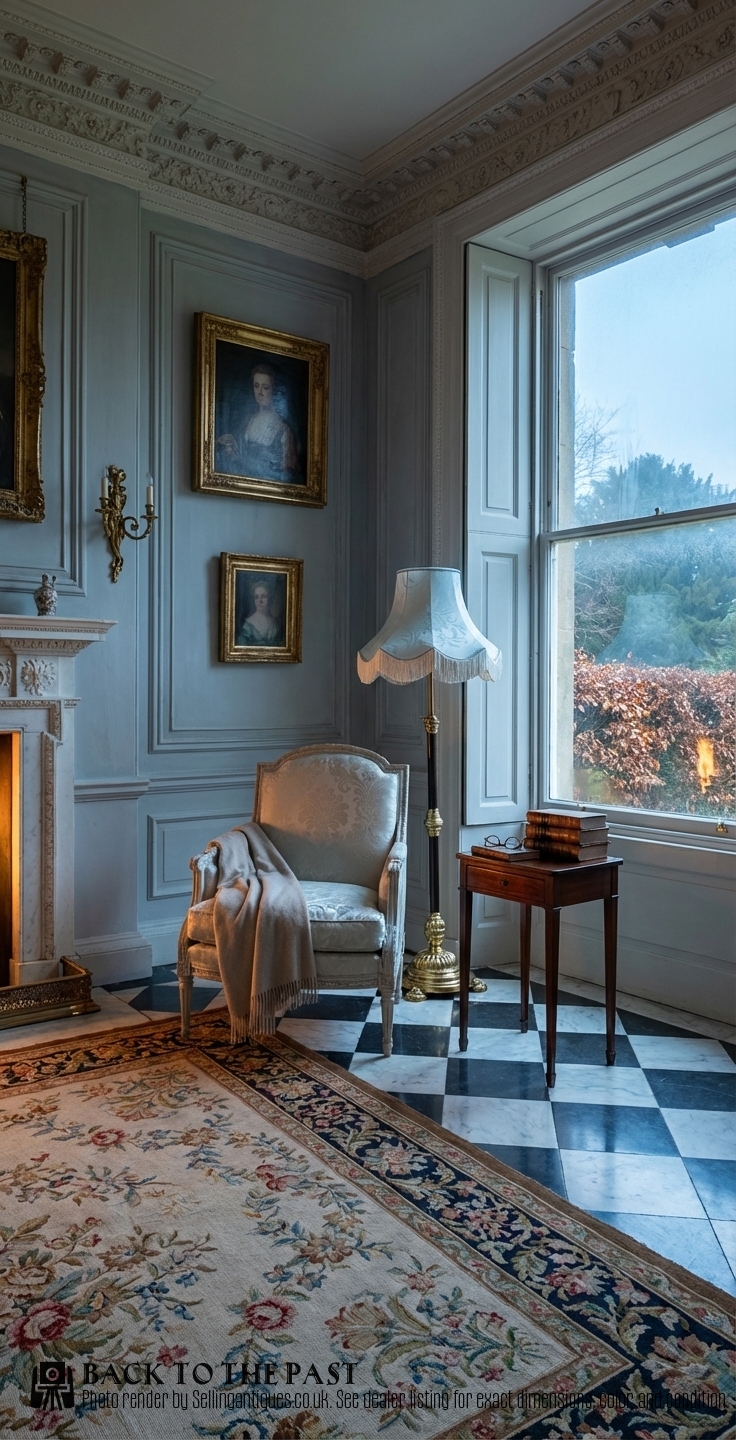
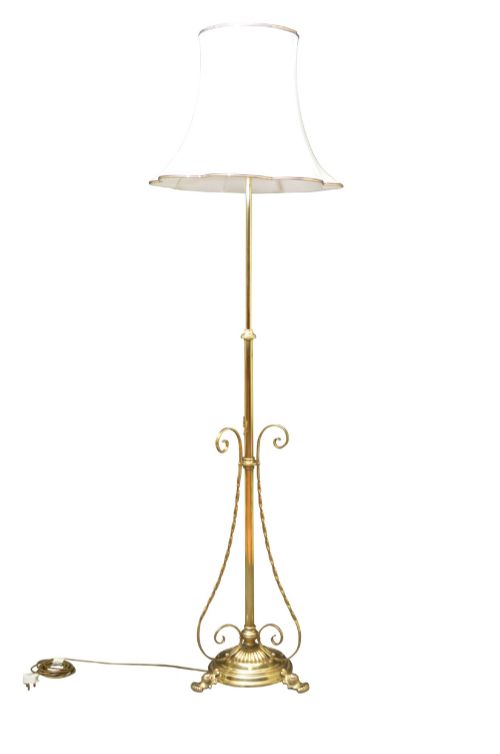
Brass Ajustable Standard Lamp, 1900
Priced at £1,045 from Shackladys Antiques
Gas lighting originally dictated fixed wall or ceiling points for basic safety.
Electrification changed how rooms functioned. People could finally move antique standard lamps around the floor.
Early examples often began life as heavy bedposts or architectural columns. Resourceful Victorian turners simply repurposed them when electricity arrived in wealthy households.
Look for hollowed-out centres. Wiring had to travel safely up the shaft to the bulb holder.
Most wooden standard lamps don't carry a maker's mark. Regional turners supplied the retail trade in bulk.
W.A.S. Benson designed distinctive metalwork examples. His brass and copper lighting fittings remain well documented.
Large department stores like Maple & Co supplied complete lighting suites. They're often badged on the base.
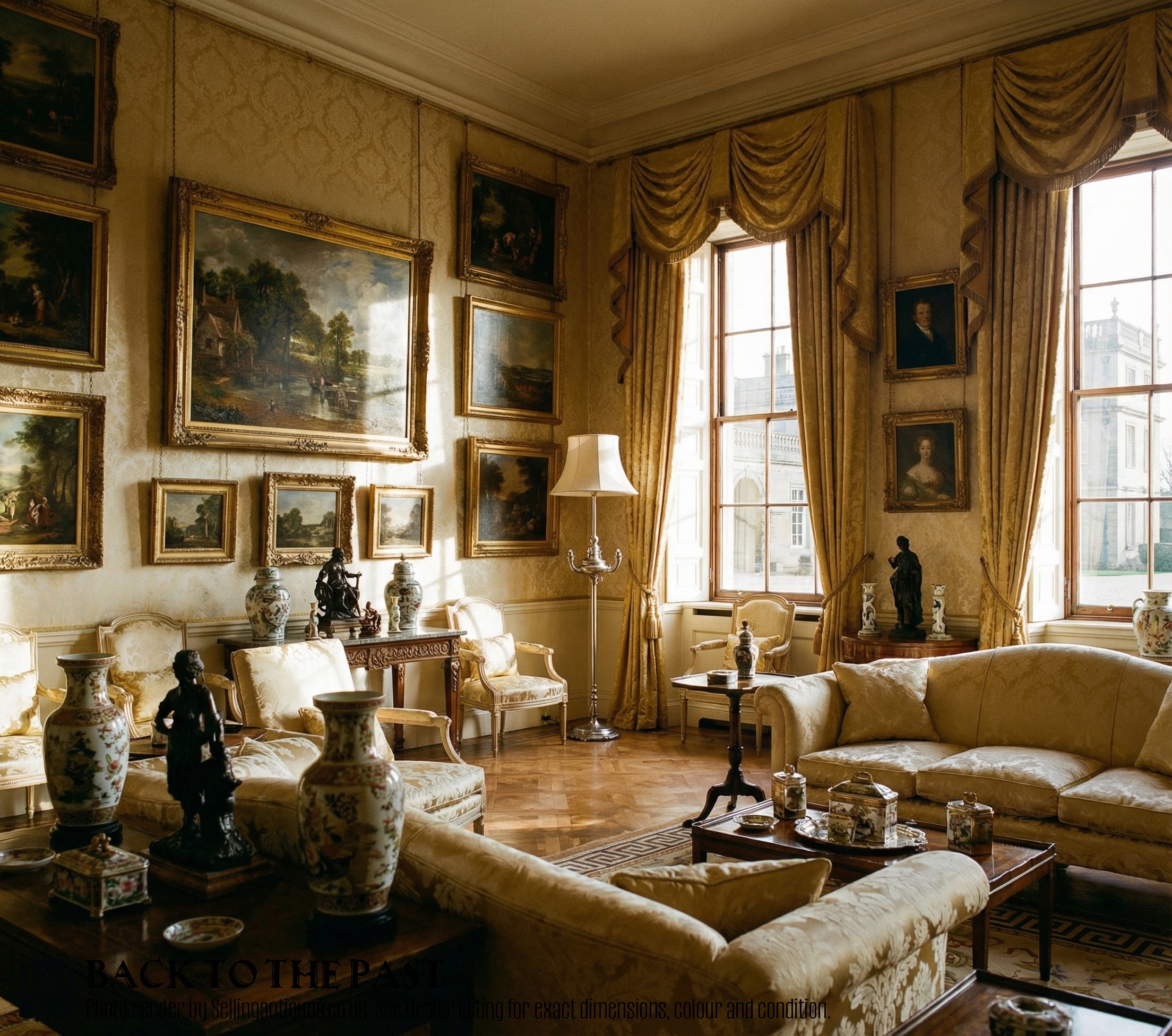
Silvered Standard Lamp, 1920
Priced at £745 from Shackladys Antiques
The 2026 retail price guide for Antique Standard Lamps is drawn from a proprietary archive of over 1.1 million retail prices indexed by Sellingantiques since 2003. This guide relies exclusively on their own internal data; no external sources or auction records are used.
Analysing nearly 25 years of UK antique market history alongside current retail values, the data indicates that typical UK retail prices for Antique Standard Lamps range between £400 and £1,400. Entry-level prices generally fall under £400 and premium examples upwards of £1,400.
A wide base keeps the structure stable. Tripod feet or a solid stepped disc are common.
Check the upright column. Reeded or fluted detailing catches the ambient light nicely.
Adjustable height mechanisms feature on some brass models. A locking screw secures the central sliding rod.
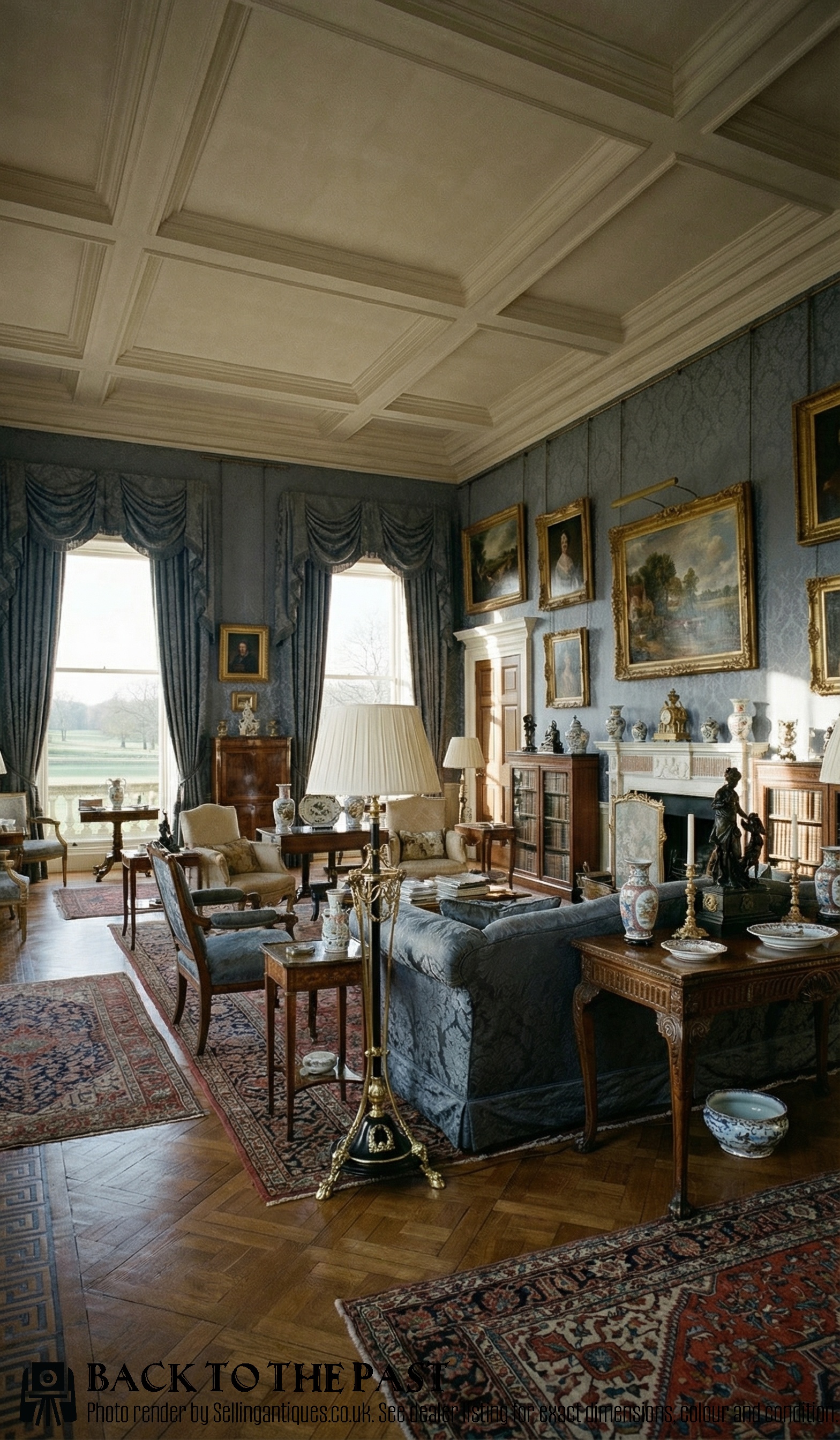
Neo Classical Brass Standard Lamp, 19th Century
Priced at £1,195 from Shackladys Antiques
Lathe turning shaped the majority of wooden columns. Long single pieces of timber required significant skill to turn evenly.
Hand-carved acanthus leaves sometimes decorate the lower shaft. The crispness varies depending on the workshop.
Drilling the central wire channel proved difficult. Craftsmen often joined two grooved halves together to hide the seam.
"Heavy bases often hide a layer of lead or iron inside the wood. This gives them excellent stability."
"The tall proportions work well in modern homes with high ceilings. They draw the eye upwards."
"Many carved wooden shafts started out as salvaged seventeenth-century bedposts. Resourceful cabinetmakers gave them a second life."
Based on almost 25 years of Sellingantiques UK antique market data, Antique Standard Lamps appeared 2353 times (out of 1,100,000 antiques) which gives it a rarity score of 62/100.
This score measures scarcity within the Sellingantiques archive only and is not a survey of the entire antiques market, so these statistics may not be indicative of the general availability of Antique Standard Lamps elsewhere.
Rewiring requires threading new flex up the central column. The old wire often gets stuck inside the wooden shaft. A long stiff wire helps pull the new flex through.
Always use a qualified electrician. Modern safety standards require proper earthing for metal fittings. The brass lampholder must be safe to handle.
Most lamps take any shade with a common ring fitting. The brass gallery simply unscrews to release it.
You can easily buy brass adaptors to fit modern shades onto older lampholders.
A loose shaft usually means the hidden nut under the base has worked free. Turn the lamp on its side and look underneath. You'll often find a recess covered by baize or felt.
Peel back the felt carefully. A large spanner is normally all you need to tighten the central fixing nut. Don't overtighten it or you risk crushing the wood.
Stripping removes the historical surface. A good wax polish usually revives faded areas without harsh chemicals. Scratches near the floor just show honest use over a century.
Try feeding the dry patches with a quality beeswax first. The colour will deepen over a few days. Leave the scuffs alone.
Please note: This Antique Standard Lamps guide and its associated pricing data are provided for general informational purposes only. It does not constitute formal financial, investment, or appraisal advice and should not be relied upon as the sole basis for any commercial activity, purchasing, or sales decisions. Sellingantiques.co.uk accepts no liability for any actions taken in reliance on this information. Always consult with a qualified professional or independent appraiser.
