
A 2026 Guide by Sellingantiques
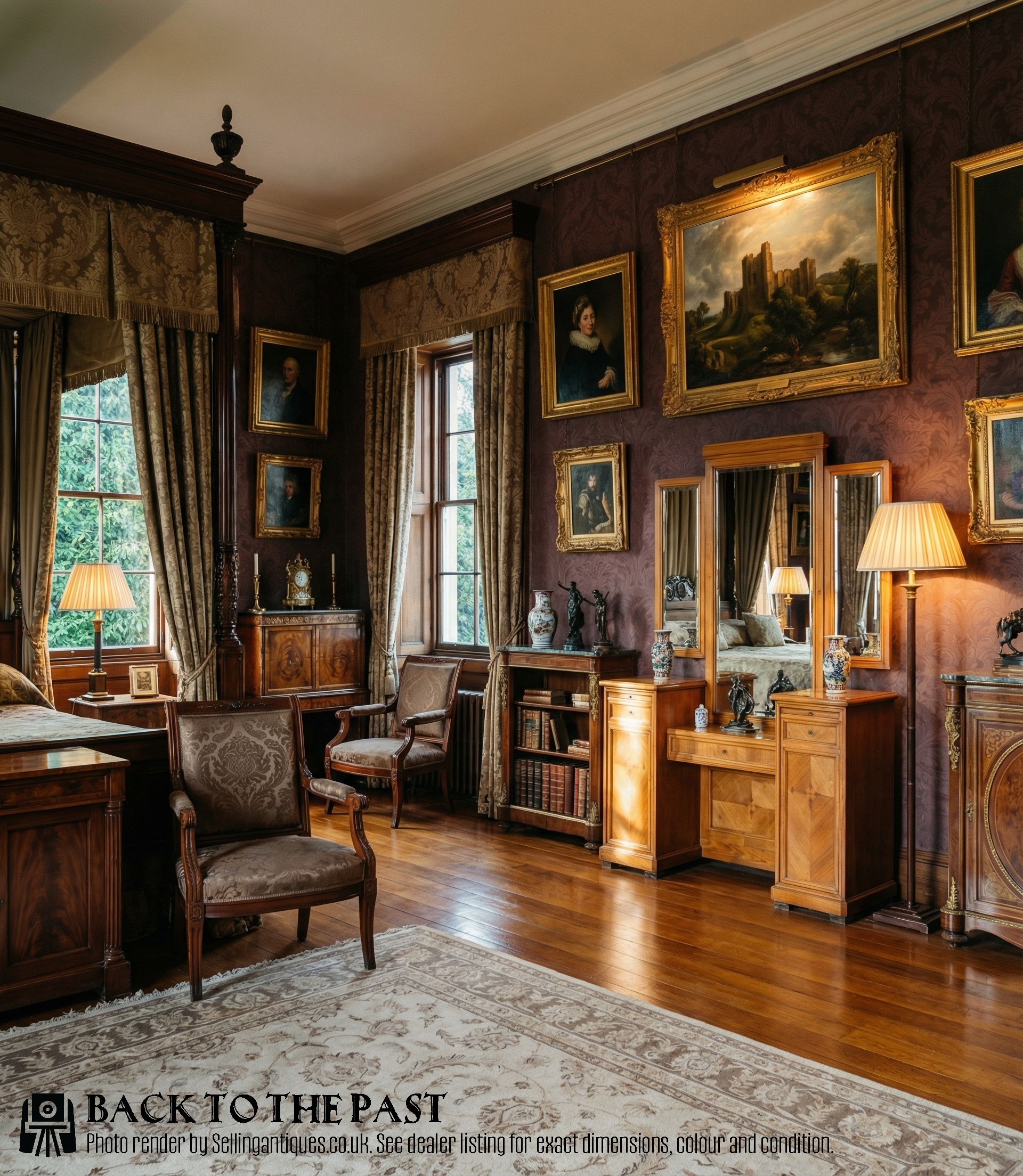
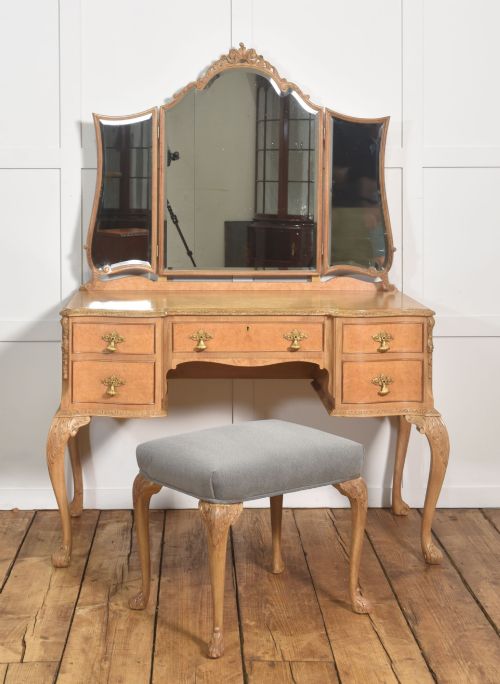
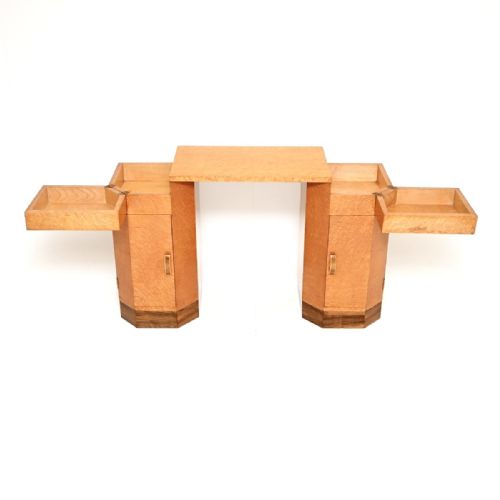
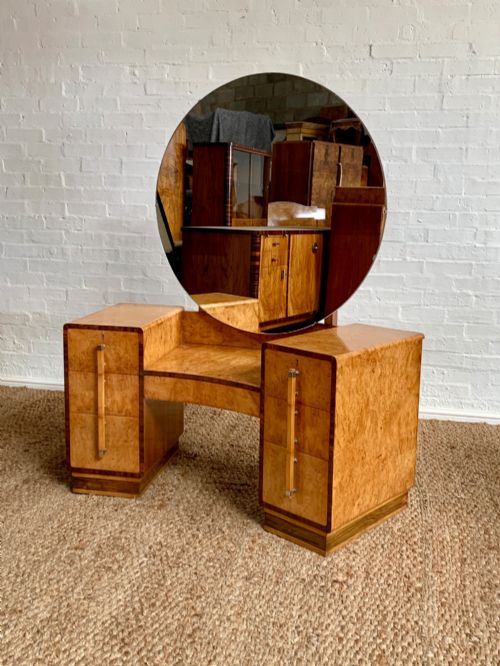
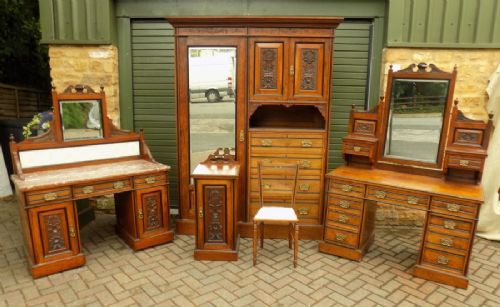
Satinwood Dressing Table, 1910
Priced at £695 from Athey Antiques
The earliest dedicated tables appeared in the late seventeenth century when morning dressing rituals became fashionable among the wealthy.
Look for early eighteenth-century examples featuring fold-top designs. These often conceal basins inside to keep the room looking tidy.
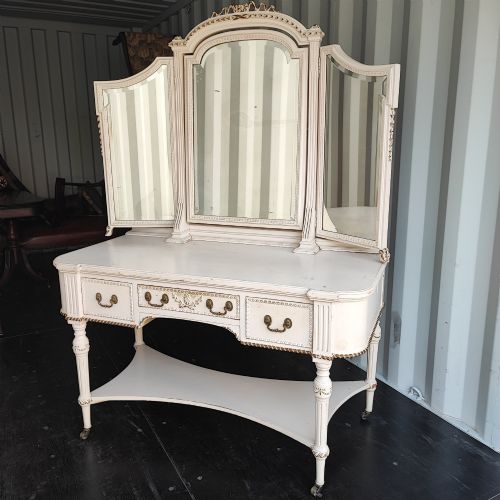
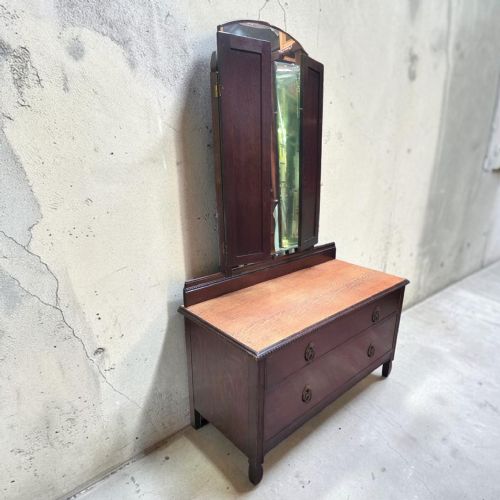
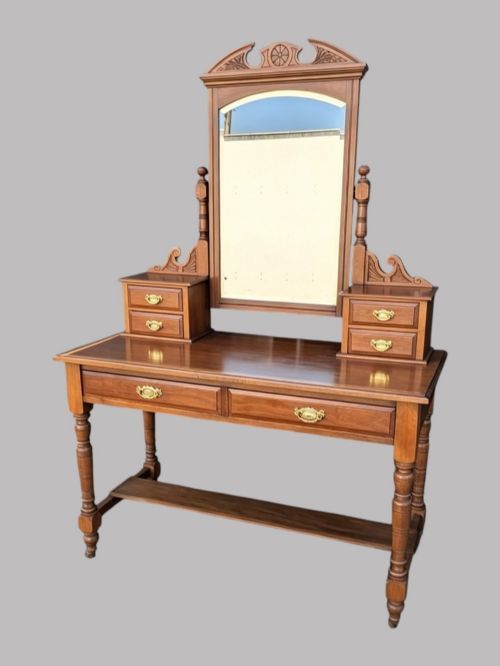
By the Victorian era, antique vanity tables became a standard bedroom piece. They grew larger and gained attached swinging mirrors.
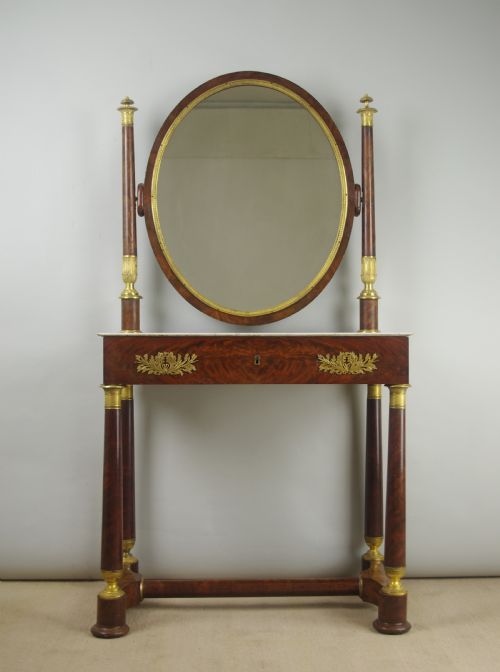
French cabinetmakers developed specific forms like the poudreuse. They incorporated sliding surfaces and hidden compartments for powder and patches.
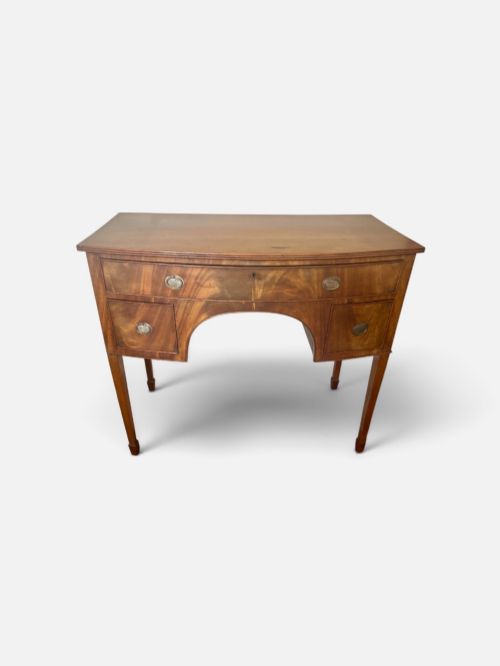
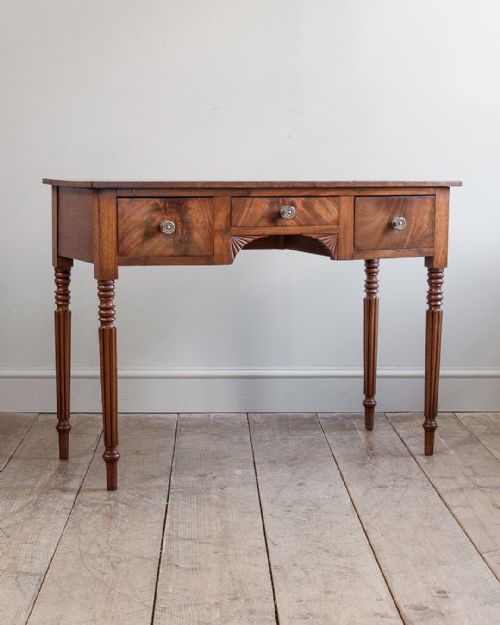
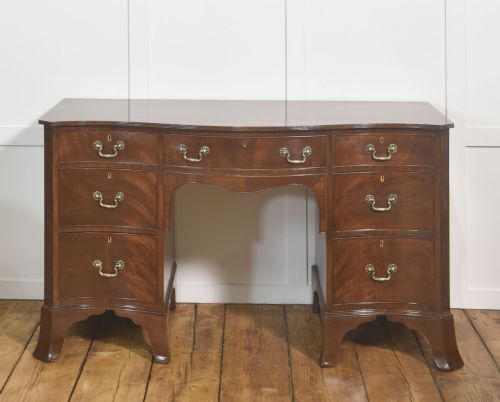
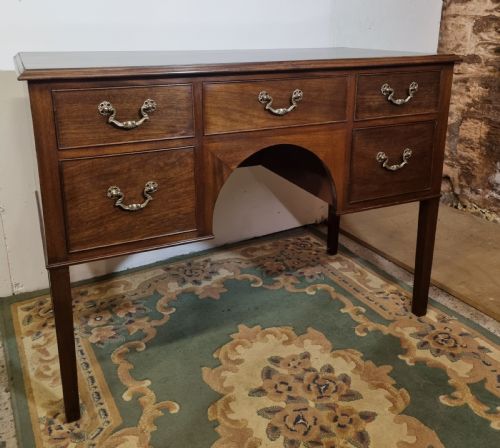
Edwardian versions often display a lighter build. Slim tapered legs replaced the heavy carved mahogany of previous decades.
Thomas Chippendale produced several designs for these tables during the mid-eighteenth century. His firm supplied carved rococo pieces to clients.
Gillows of Lancaster made hundreds of solid mahogany dressing tables in the nineteenth century. They frequently stamped their name on the drawer edges.
Regional craftsmen built most surviving antique vanity tables. Local workshops copied London fashions using available materials and simplified construction methods.
The 2026 retail price guide for Antique Vanity Tables is drawn from a proprietary archive of over 1.1 million retail prices indexed by Sellingantiques since 2003. This guide relies exclusively on their own internal data; no external sources or auction records are used.
Analysing nearly 25 years of UK antique market history alongside current retail values, the data indicates that typical UK retail prices for Antique Vanity Tables range between £300 and £1,900. Entry-level prices generally fall under £300 and premium examples upwards of £1,900.
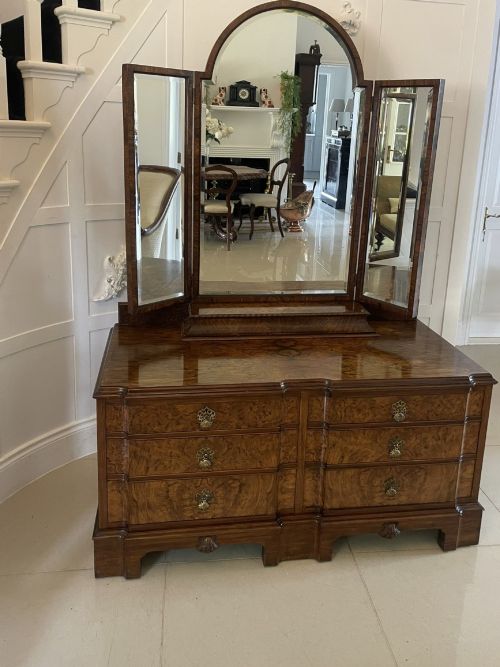
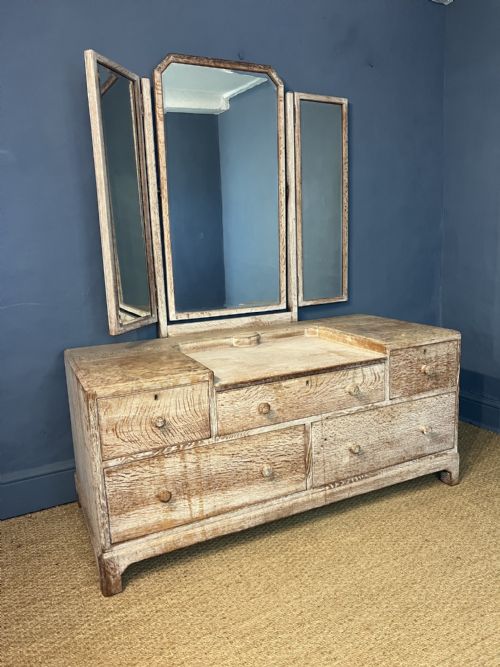
Central mirrors are usually adjustable. Pivoting on wooden uprights called horns allows the sitter to change the viewing angle.
Check the kneehole height. It needs to provide enough clearance for a person to sit comfortably on a stool.
Small gallery rails often wrap around the back and sides. These stop glass bottles from rolling off the edge.
Hand-cut dovetails join the drawer sides to the fronts. Look for slight irregularities in the pin sizes on early pieces.
Veneering required high skill levels. Craftsmen glued thin slices of patterned wood over a stable base to prevent warping.
Later nineteenth-century factories introduced machine-cut joints. This sped up production but resulted in uniform cuts lacking individual tool marks.
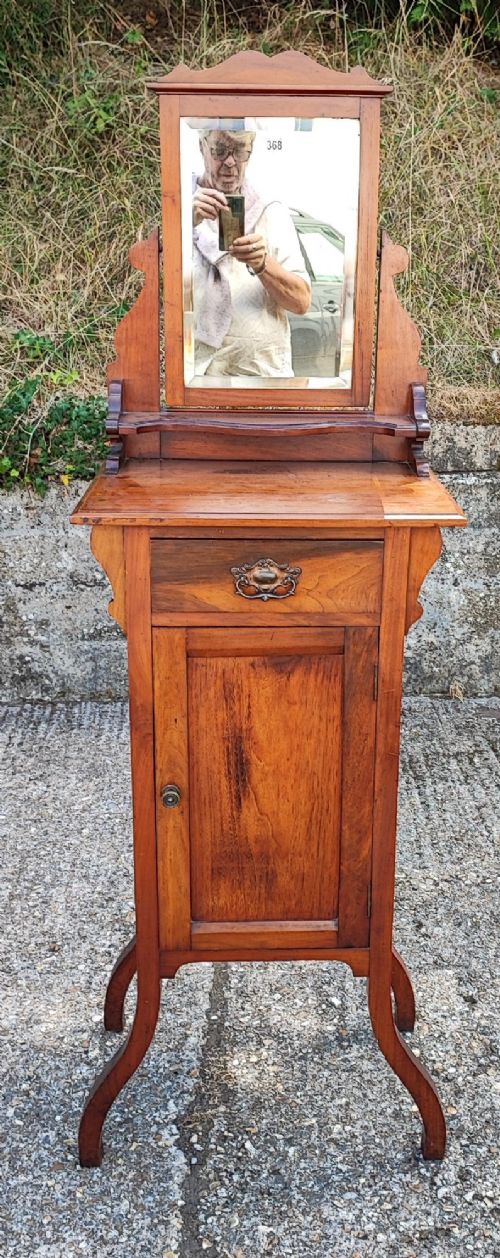
"Men used them too. Beau Brummell popularised fitted male grooming tables equipped with shaving stands and numerous small storage boxes."
"Hidden compartments often feature in Georgian examples. Cabinetmakers installed spring-loaded false bottoms to secure letters and valuable jewellery."
"Some eighteenth-century models double as writing desks. The central mirror folds flat into the top to create a smooth workspace."
Based on almost 25 years of Sellingantiques UK antique market data, Antique Vanity Tables appeared 2301 times (out of 1,100,000 antiques) which gives it a rarity score of 63/100.
This score measures scarcity within the Sellingantiques archive only and is not a survey of the entire antiques market, so these statistics may not be indicative of the general availability of Antique Vanity Tables elsewhere.
Use a soft cloth and a gentle glass cleaner applied to the cloth rather than sprayed directly. Liquid seeping behind the frame accelerates silvering loss.
Don't scrub aggressively. If the dark spots are behind the glass, surface cleaning won't remove them.
Most swinging mirrors pivot on metal threaded pins passing through the wooden uprights. You can usually fix a loose mirror by gently tightening the wooden finials attached to these pins.
Sometimes the internal friction washers wear away. Slipping a small disc of leather between the upright and the mirror frame often adds enough grip. It'll hold the glass steady without needing complex repairs.
You'll need to measure the kneehole height before buying seating. Antique vanity tables often sit lower than modern desks, meaning standard chairs can trap your legs against the drawer.
Look for low bedroom chairs or upholstered stools. A backless stool tucks away when it isn't being used, saving space in smaller rooms.
Never cut the legs to match a modern floor. Houses settle, and moving the table later means it'll just wobble somewhere else.
Slide thin wedges of wood or folded card under the floating leg instead. This levels the piece and stops the frame twisting so the drawers run smoothly. You aren't doing any permanent damage this way.
Please note: This Antique Vanity Tables guide and its associated pricing data are provided for general informational purposes only. It does not constitute formal financial, investment, or appraisal advice and should not be relied upon as the sole basis for any commercial activity, purchasing, or sales decisions. Sellingantiques.co.uk accepts no liability for any actions taken in reliance on this information. Always consult with a qualified professional or independent appraiser.
