


A 2026 Guide by Sellingantiques
Early eighteenth-century morning routines required dedicated spaces. People needed specific areas for powdering hair and applying patches.
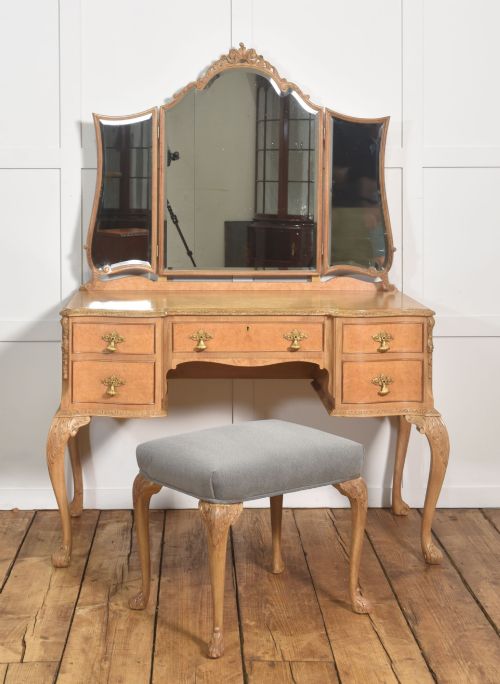
Notice the shift in domestic habits. Antique Queen Anne dressing tables emerged to meet a growing demand for comfortable bedroom furniture.
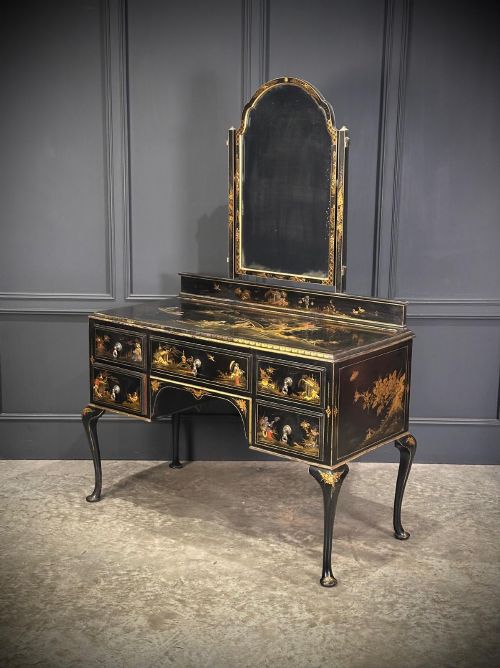
Kneehole designs became popular alongside the open cabriole leg versions around this time.
Most Antique Queen Anne dressing tables don't carry a maker mark. The London trade relied on large anonymous workshops.
Provincial makers copied metropolitan designs. They often used solid walnut rather than thin veneers and left no paper labels behind.
The 2026 retail price guide for Antique Queen Anne Dressing Tables is drawn from a proprietary archive of over 1.1 million retail prices indexed by Sellingantiques since 2003. This guide relies exclusively on their own internal data; no external sources or auction records are used.
Analysing nearly 25 years of UK antique market history alongside current retail values, the data indicates that typical UK retail prices for Antique Queen Anne Dressing Tables range between £600 and £2,800. Entry-level prices generally fall under £600 and premium examples upwards of £2,800.
Cabriole legs are standard. They end in simple pad or club feet without heavy surface carving.
The front apron usually has an arched or scalloped profile.
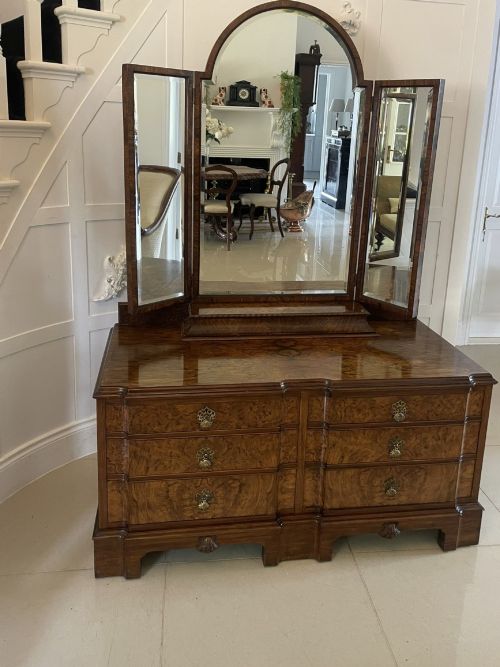
Tops often feature quarter-veneered panels. Crossbanding runs around the outer edges to frame the central timber grain.
Hand-cut dovetails join the drawer sides. Early eighteenth-century pins are slightly thicker than those found on later Georgian pieces.
Veneering techniques advanced during this period. Craftsmen used hot hide glue to press thin walnut sheets onto cheaper wooden frames.
Turn it upside down. You'll see wooden pegs securing the mortise and tenon leg joints together.
"The tops were designed to display a standalone swing mirror. These pieces created a matched dressing set."
"Cabinet makers often matched the veneer grain symmetrically. They opened a single flitch of walnut like a book to create mirrored patterns."
"Many feature hidden catches behind the centre drawer. These release small concealed compartments for storing powder patches."
Based on almost 25 years of Sellingantiques UK antique market data, Antique Queen Anne Dressing Tables appeared 463 times (out of 1,100,000 antiques) which gives it a rarity score of 91/100.
This score measures scarcity within the Sellingantiques archive only and is not a survey of the entire antiques market, so these statistics may not be indicative of the general availability of Antique Queen Anne Dressing Tables elsewhere.
Dust the surface lightly with a dry cloth. You should keep the table away from direct sunlight to prevent the timber from fading.
Apply a clear beeswax polish once or twice a year. Feed the wax in along the grain.
Buff it off with a soft duster. You won't need chemical sprays.
Most period tables adjust reasonably well to older floors. The four independent legs allow a bit of flex in the carcase.
If the piece rocks, slip a small wedge of cork under one pad foot. You want to avoid placing heavy loads on an unevenly supported frame.
Deep side drawers handle upright bottles well. Early users stored tall glass phials in these spaces.
The shallow central drawer suits flat items. It holds makeup brushes.
Most dealers prefer to leave a mellow patination on early brass hardware. The dark tones suit the aged walnut surfaces.
Aggressive polishing removes the protective oxide layer. A gentle wipe with a dry cloth keeps the handles clean without stripping their historic character.
Please note: This Antique Queen Anne Dressing Tables guide and its associated pricing data are provided for general informational purposes only. It does not constitute formal financial, investment, or appraisal advice and should not be relied upon as the sole basis for any commercial activity, purchasing, or sales decisions. Sellingantiques.co.uk accepts no liability for any actions taken in reliance on this information. Always consult with a qualified professional or independent appraiser.
