

Antique Bedsteads
An antique bedstead is a complete frame - head end, foot end and side rails - made to carry a separate mattress, and on this market it is nearly always offered in a modern bed size.
Antique Bedsteads
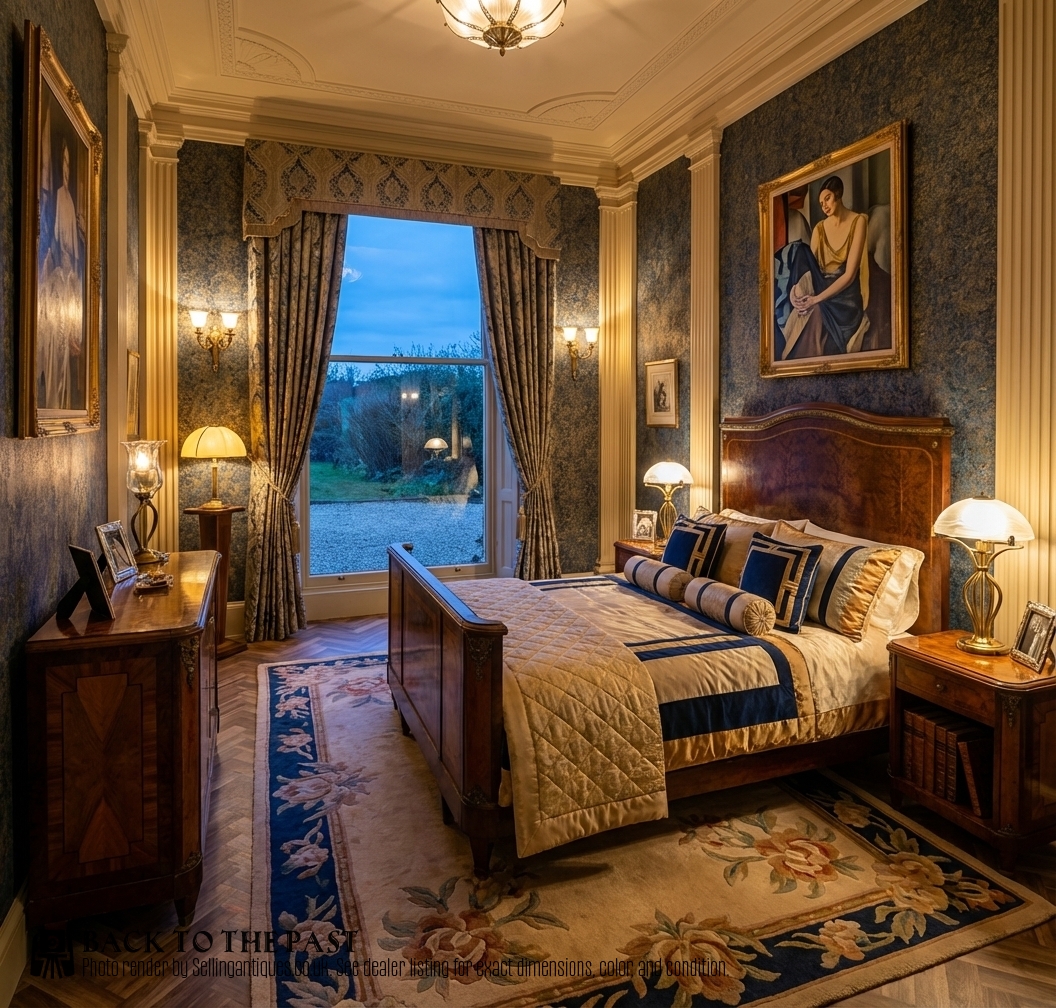
What you're looking at is a frame rather than a headboard. Head end, foot end and the two side rails that join them, with the mattress bought separately. Titles lead with size as often as material, so "king size", "double" and "single" do as much work in a listing as "brass" or "walnut".
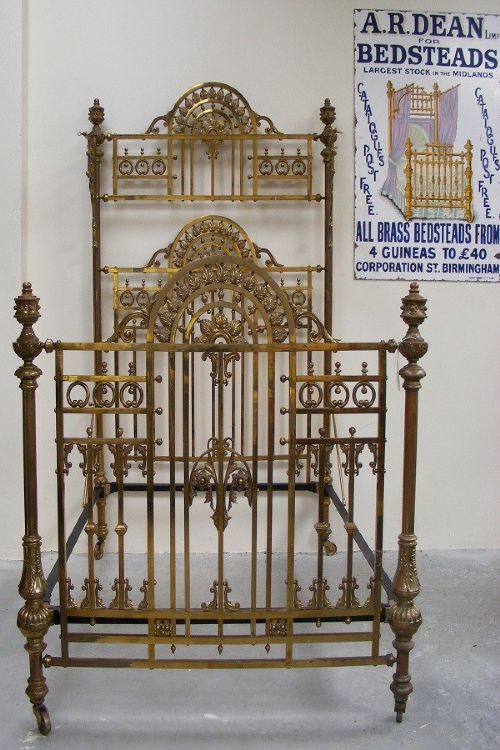
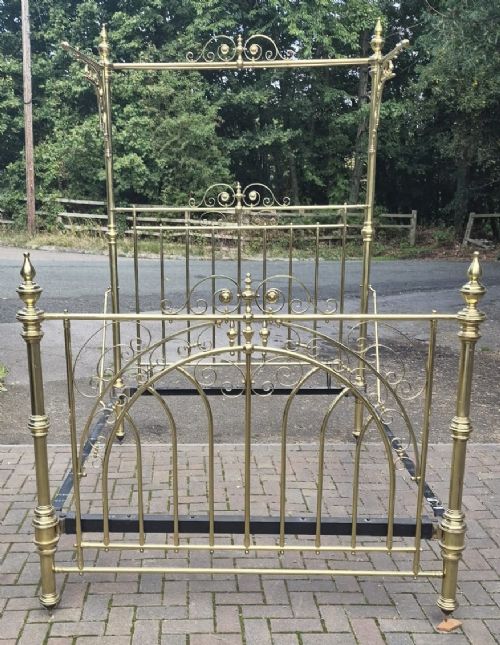
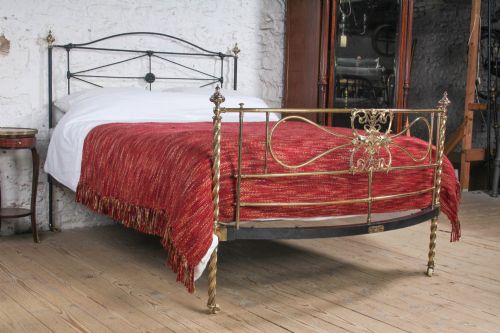
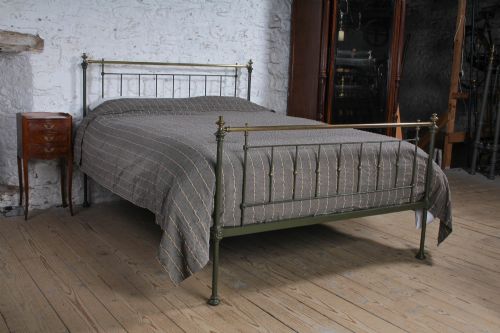
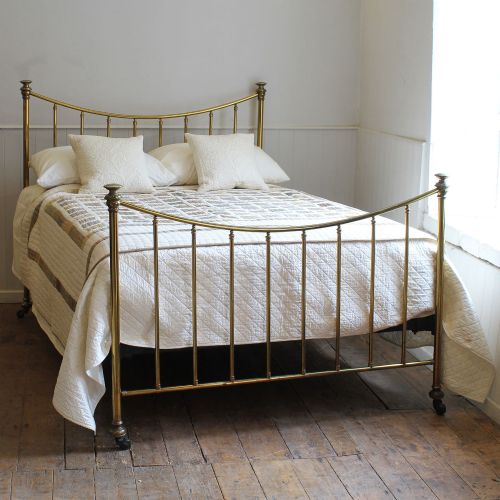
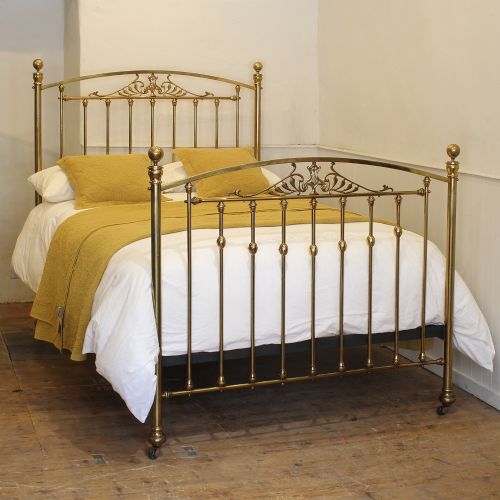
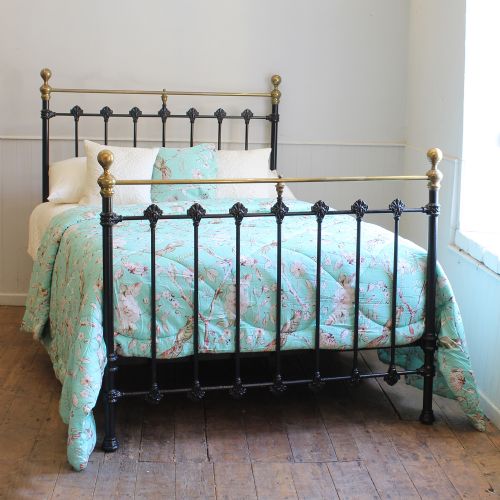
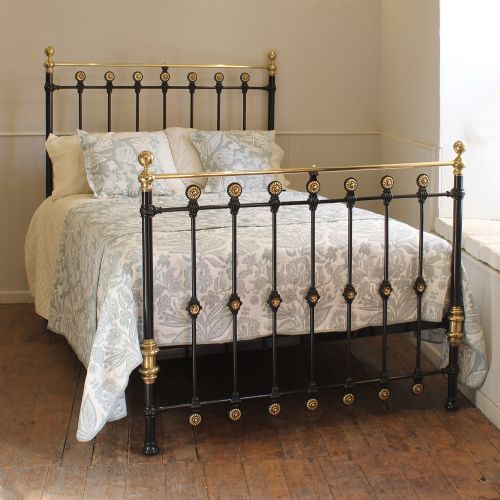
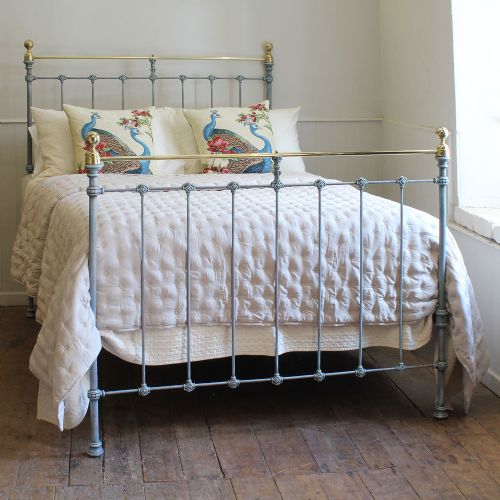
The form you'll meet most often is Victorian metal: brass, iron, or the two combined, widened or offered to a modern mattress size. "Brass" runs through a quarter of titles and "iron" a fifth, and "Victorian Double Size Brass and Iron Bedstead" is the kind of heading that repeats. Metal beds spread through the nineteenth century as the hygienic alternative to close-boarded timber frames.
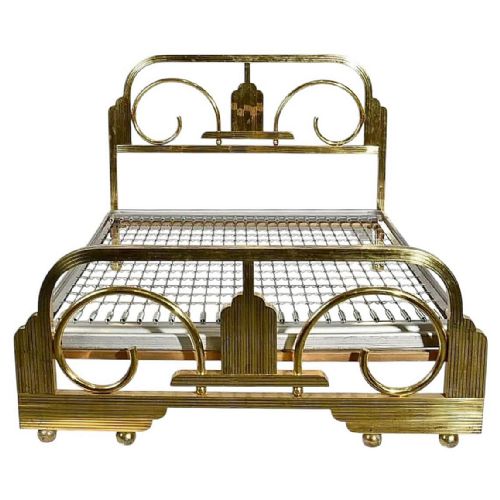
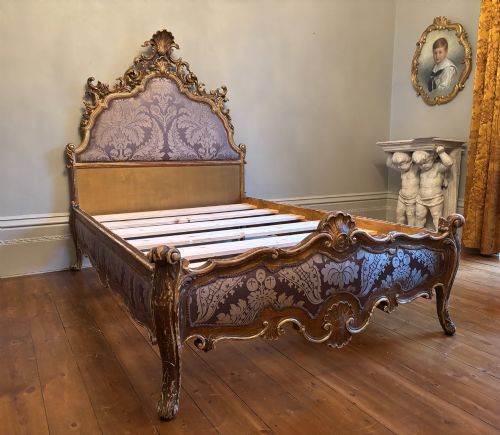
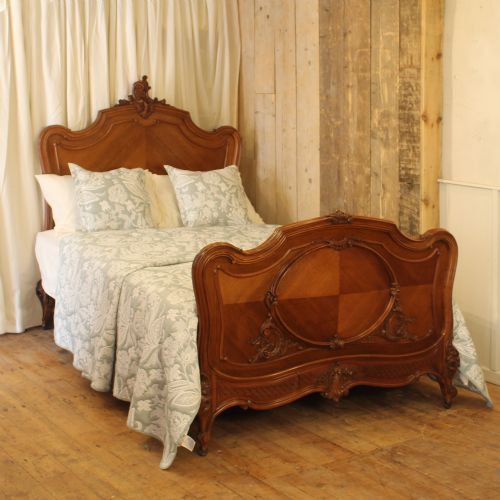
Around it sit three other groups. French beds, carved, painted or upholstered, take about a fifth. English timber frames in walnut, mahogany and oak account for roughly a quarter. Art Deco and 1920s-30s pieces, some with integral or ensuite cabinets, make up under a tenth, as do four posters, testers and half testers.
Dating is loose across the category. The dealer date field runs 1800 to 1940, but a great many listings say only Victorian, nineteenth century or Edwardian, and decade labels are commoner than years. The 1900s is the single most frequent label, and a scattering of sampled four posters and testers are claimed as seventeenth and eighteenth century, outside that span. Origins reach beyond England and France too: Portuguese, Irish, Italian, Austrian, Hungarian, Chinese, Anglo-Indian and American Federal beds each turn up once or twice.
What Moves The Range
Width does more than anything else. Size is stated in a third of titles, and the ladder climbs from 3ft singles through 4ft 6in and 5ft to 6ft super kings and the occasional emperor. "Extra Wide" and quoted foot-and-inch measurements cluster at the upper end, because these frames are sold to fit modern mattresses.
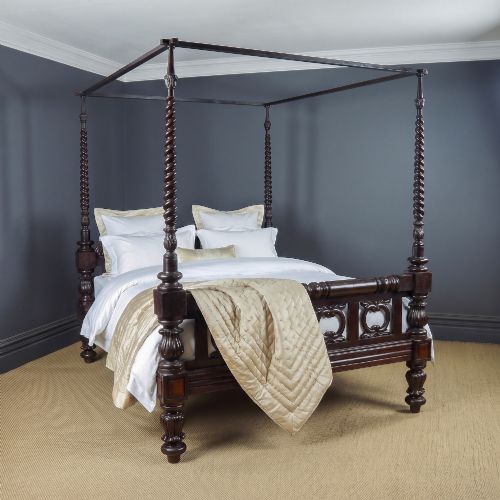
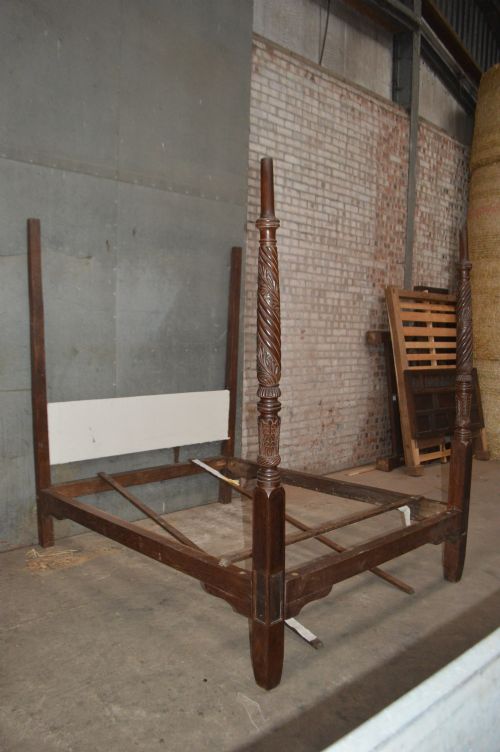
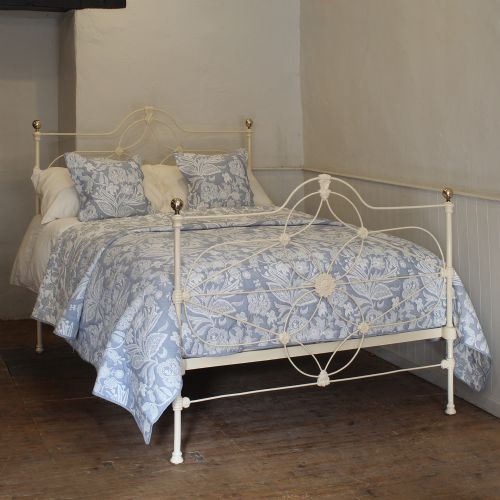
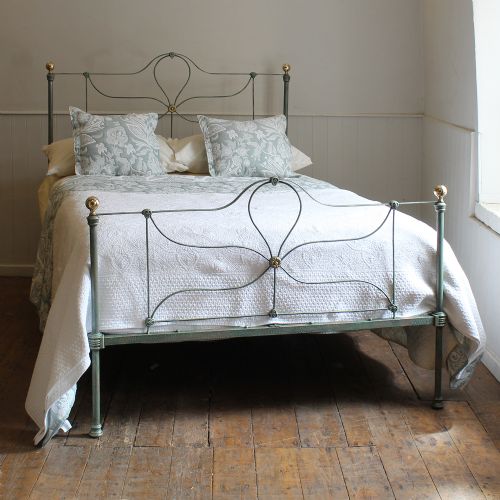
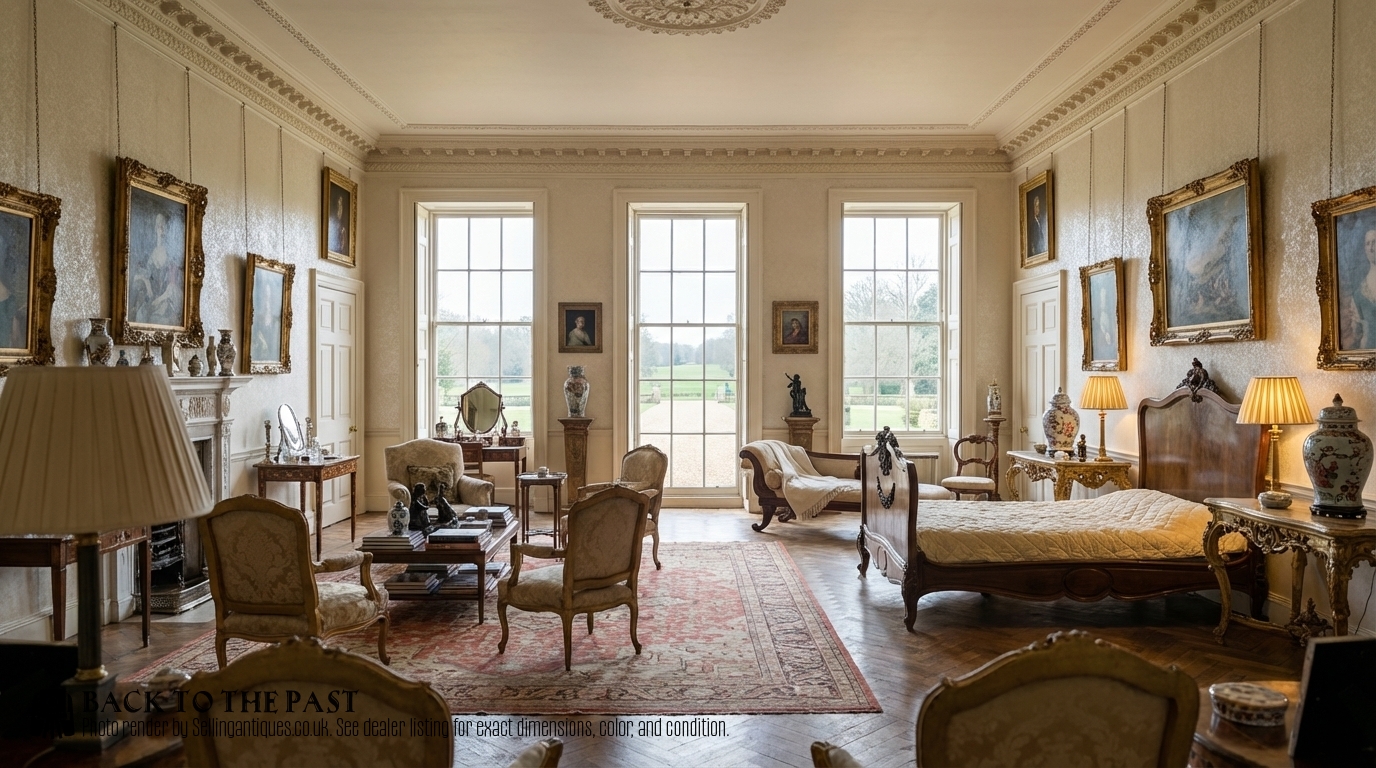
Canopies decide the top. Four posters, full testers and half testers together account for well under a tenth of titles and occupy almost the whole upper reach, half testers sitting across the upper-middle. Below them, decoration separates like from like: plain forged iron and simple all-iron frames at one end, ornate castings, spindles, finials and gilded solid brass at the other.
In timber, figure carries the piece. Burr walnut, figured walnut, satinwood, macassar, birds eye maple, kingwood, parquetry and marquetry sit above plain oak and pine, with carving a recurring premium. Sets lift things again: pairs of singles that push together, beds with ensuite bedside cabinets, a marble-top nightstand, or a full bedroom suite.
Antique Bedsteads Retail Price Guide 2026
Typical UK retail prices for bedsteads, calculated from the Sellingantiques database of over a million retail prices indexed since 2003. This retail price guide relies exclusively on Sellingantiques data; no external sources or auction records are used, so the figures do not describe the wider market.
The most expensive antique bedstead ever sold on Sellingantiques was simply listed as a Bedstead, in March 2018.
The Antique Bedsteads Glossary
- Bedstead
- The frame itself, head end, foot end and side rails, without mattress or base.
- Side rails or irons
- The two long members joining head to foot; without them a bed is only two ends.
- Dip rail
- A top rail curving downward in the centre, a recurring shape in the iron and brass beds in this category.
- No end or low end
- A bedstead with a low or absent foot end, so the frame doesn't rise at the foot.
- Half tester
- A canopy carried over the head end only, rather than the full length of the bed.
- Corbeille
- A French bed form with a bowed, basket-shaped end, appearing occasionally among the painted French frames.
Antique Bedsteads: Frequently Asked Questions
Do antique bedsteads take modern mattresses?
Size language dominates these listings. "Size" appears in a third of titles and "king" in nearly as many, with double, single and super king close behind.
Widths quoted run from 3ft singles through 4ft 6in and 5ft up to 6ft super kings, and one sampled bed is described as emperor size. Frames are presented in the size the buyer will shop for.
What does a brass and iron bedstead mean?
It means the frame combines both metals, commonly brass for the rails, knobs and finials with iron uprights and castings. All-iron and all-brass frames appear separately.
This combination is the backbone of the category. Brass turns up in a quarter of titles, iron in a fifth, and Victorian in a quarter, with the three often meeting in the same heading.
Are four poster beds common in this category?
No. Four posters, full testers and half testers together account for well under a tenth of the titles on Sellingantiques.
They are, though, where the money sits. Canopy beds take up almost the entire upper reach of the range, and the sampled pieces claimed as seventeenth and eighteenth century are all posters or testers.
Why are pairs of single beds listed together?
Because they were made as pairs, and many will push together to make one wider bed. "Pair" appears in around fifty titles and "matching" in a dozen more.
Some arrive with more than the beds: ensuite bedside cabinets, a marble-top nightstand, a bedroom chair, or a four-piece suite.
How old are most antique bedsteads for sale?
The dealer date field spans 1800 to 1940, with 246 listings carrying a clean year. Decade labels are commoner than exact dates.
The 1900s is the most frequent single label. The 1920s, 1910s and 1930s together outnumber everything explicitly marked Victorian, and a large block of titles carry no date at all.
What sorts of French beds appear?
Carved, painted and upholstered frames make up about a fifth of the category. Louis-style walnut beds and newly upholstered king size French beds both recur.
The corbeille, with its bowed basket end, surfaces occasionally within this group.