7,596  PAGES BROWSED TODAY PAGES TODAY 13  ANTIQUES UPLOADED TODAY NEW ARRIVALS
ID #SA961416
FOR SALE
£3,500
Email
Save
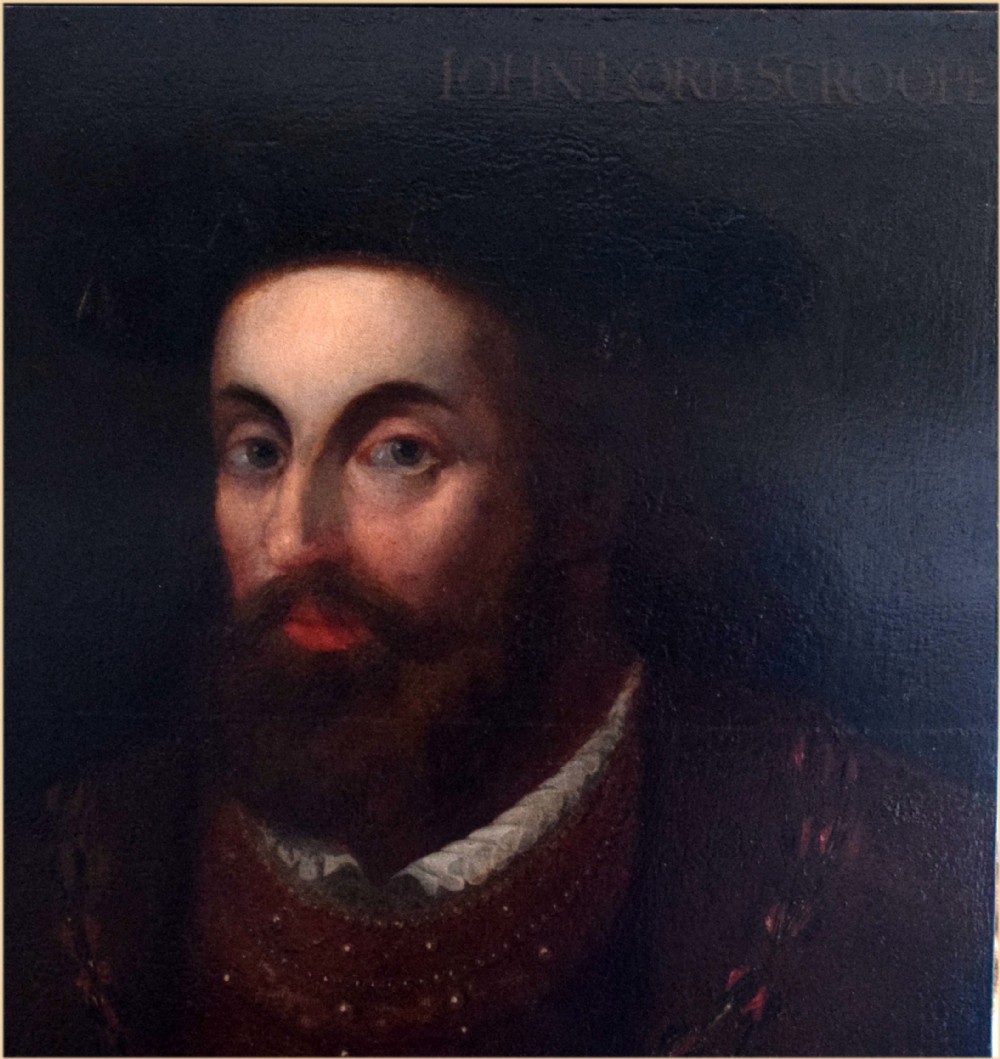
William Aikman 1682-1731 Portrait of John Le Scrope, 5th Baron Scrope of Bolton 1435-1498 John Le Scrope, 5th Baron Scrope of Bolton
Artware Fineart
for sale €4,095     $4,445
£3,500

Artware Fineart

Sellingantiques Verified Since Sep 2008
View Dealers Stock Page
Id #SA961416
PDF SHARE
SAVE

William Aikman 1682-1731 Portrait of John Le Scrope, 5th Baron Scrope of Bolton 1435-1498 John Le Scrope, 5th Baron Scrope of Bolton

17th century
For Sale by Artware Fineart
Description

English School 16 /17 th Century

Portrait of John Le Scrope, 5th Baron Scrope of Bolton 1435-1498

John Le Scrope, 5th Baron Scrope of Bolton

oil on panel

56 x 44

inscribed ; "JOHN LORD SCROPE"

Notes

JOHN LE SCROPE, fifth Baron Scrope of Bolton (1435-1498), KG, was son of Henry, fourth baron, by Elizabeth, daughter of his kinsman, John, fourth Lord Scrope of Masham, and was born on 22 July 1435.John Scrope, 5th Baron Scrope of Bolton was an English Yorkist nobleman.
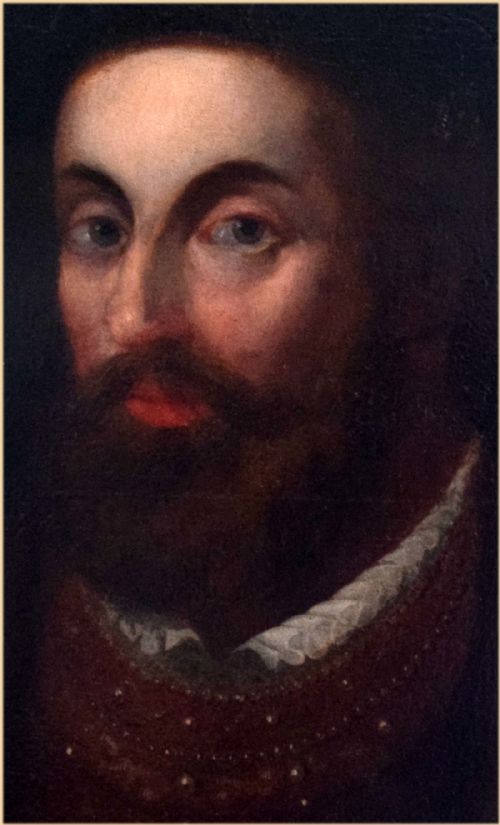
Born at Bolton Castle, Yorkshire, the eldest son of Henry Scrope, 4th Baron Scrope of Bolton and Elizabeth Scrope, he inherited his title on the death of his father in 1459

Inheriting the Yorkist politics of his father, who died on 14 Jan. 1459, he fought with Warwick at Northampton and was 'sore hurt' at Towton. He was invested as a knight before 1460 while serving as a Commissioner of the Peace for York. As a Yorkist sympathiser, he fought for the Earl of Warwick at the Battle of Northampton and was injured at the Battle of Towton. He was invested as a Knight of the Garter by Edward IV in 1463. Edward IV gave him the Garter which had belonged to his father, the Duke of York. He took part in the gradual reduction of the Lancastrian strongholds in the north, and may have been at the Battle of Hexham in 1464.
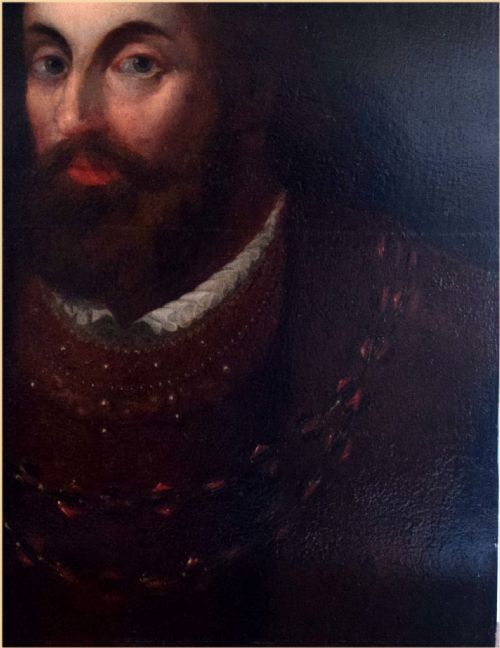
In 1475 he joined the king with 20 men-at-arms and 200 archers to invade France. In 1482 he led the van of the English army under the Earl of Northumberland when invading Scotland. He served the crown on a variety of important missions and commissions.
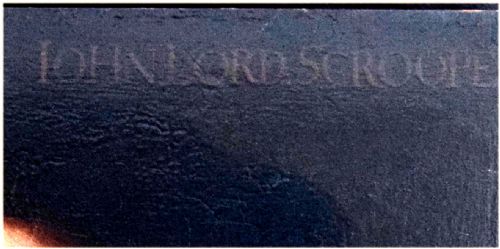
In 1485 he supported the Yorkist Richard III at the Battle of Bosworth but was pardoned by the victor Henry VII, possibly at the intercession of the King's mother, who was the half-sister of his second wife Elizabeth. After the accession of Henry VII he then supported the Yorkist pretender Lambert Simnel and in 1487, with Thomas, 6th Baron Scrope of Masham, made an unsuccessful attack on Bootham Bar in York, This time he had to pay a heavy fine and remain within the London area. In 1497 he fought against the Scots and assisted in raising the siege of Norham Castle.
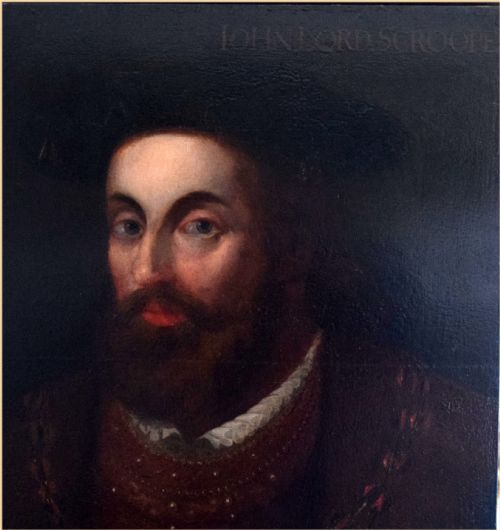
Scrope was aggrieved, however, that Edward did not restore to him the lordship of the Isle of Man, of which his family had been divested by Henry IV, and in 1470 he began to raise Richmondshire for the recalcitrant Nevilles. But on Warwick being driven out of the country he made his peace, and, though he adhered to Warwick during the short Lancastrian restoration, Edward overlooked his inconstancy and employed him in negotiations with Scotland in 1473. In 1475 he accompanied the king to France. As he still persisted in quartering the arms of Man, he was ordered to relinquish them during the expedition, without prejudice to his right, if any.

In the next year he went on a mission to Rome with Earl Rivers.4 He held a command in the Duke of Gloucester's invasion of Scotland (1482), and took part in the subsequent negotiations with the Duke of Albany. Gloucester, when king [Richard III], sought to confirm Scrope's support by a grant of lands in the south-west, with the constableship of Exeter Castle. He was also governor of the Fleet. Nevertheless he kept his position under a fifth king. In 1492 he was retained to go abroad with Henry VII, and as late as August 1497 assisted in raising the siege of Norham Castle. Scrope died on 17 Aug. 1498. On his death in 1498, his title passed to his son and heir, Henry Scrope, 6th Baron Scrope of Bolton. His daughter, Mary Scrope, married William Conyers, 1st Baron Conyers

His first wife, whom he married before 1463, was Joan, daughter of William, fourth Lord Fitzhugh (d. 1452) of Ravensworth Castle, Richmondshire. She bore him a son, Henry, sixth baron of the Bolton line, and father of the seventh baron, 'stern and stout,' who fought at Flodden.

Scrope married, secondly, Elizabet

Declaration

Artware Fineart has dated this Antique Portrait Oil Painting to the 17th Century.

Reference Numbers
Sellingantiques Reference
SA961416
Dealers Internal Reference
4470
Description
English School 16 /17 th Century

Portrait of John Le Scrope, 5th Baron Scrope of Bolton 1435-1498

John Le Scrope, 5th Baron Scrope of Bolton

oil on panel

56 x 44

inscribed ; "JOHN LORD SCROPE"

Notes

JOHN LE SCROPE, fifth Baron Scrope of Bolton (1435-1498), KG, was son of Henry, fourth baron, by Elizabeth, daughter of his kinsman, John, fourth Lord Scrope of Masham, and was born on 22 July 1435.
Artware Fineart

John Scrope, 5th Baron Scrope of Bolton was an English Yorkist nobleman.

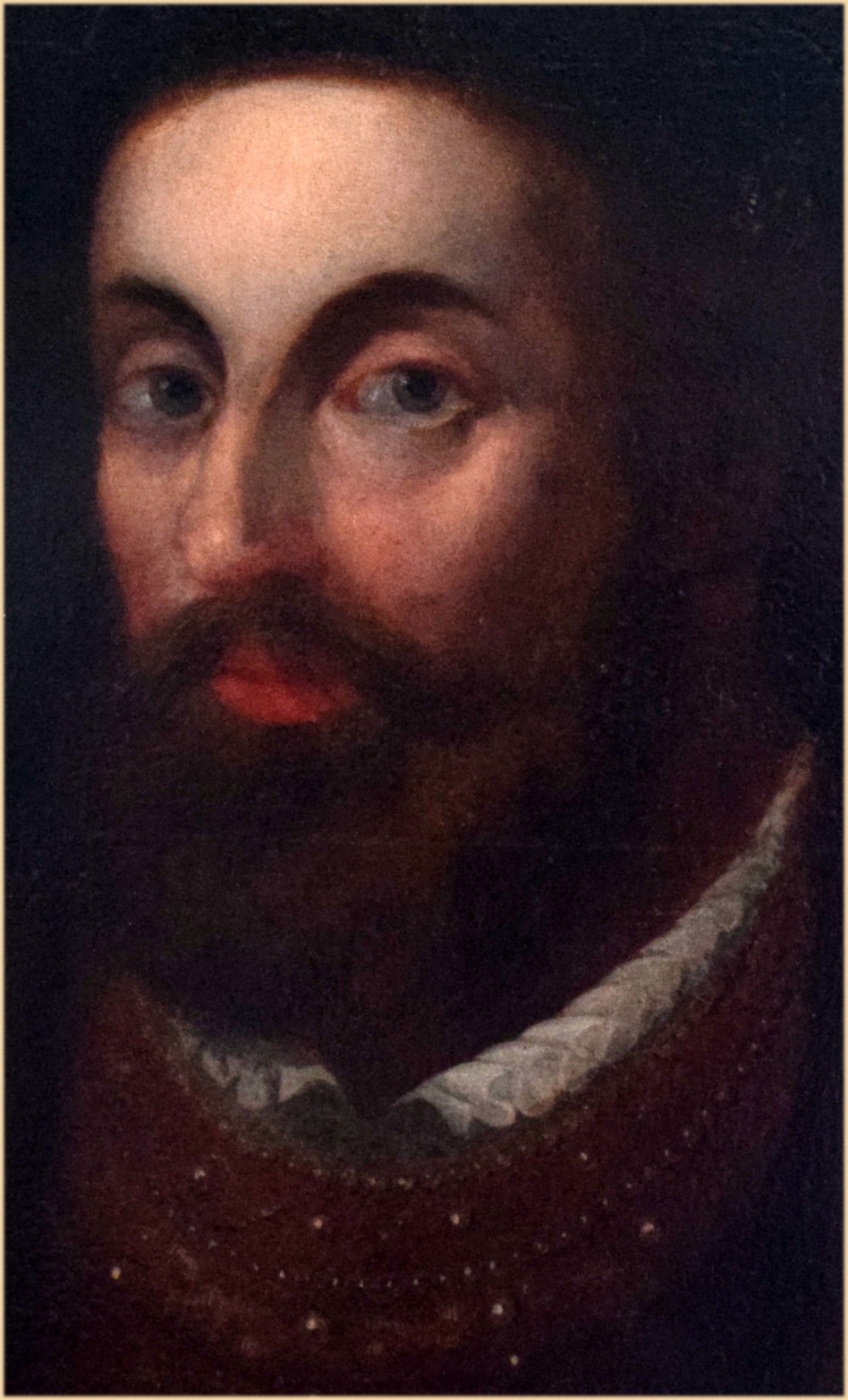
fig 1. An eighteenth-century oil painting on canvas depicting a bearded man in historical garments against a dark background with top inscribed lettering.
fig 1. William Aikman 1682-1731 Portrait of John Le Scrope, 5th Baron Scrope of Bolton 1435-1498 John Le Scrope, 5th Baron Scrope of Bolton

Born at Bolton Castle, Yorkshire, the eldest son of Henry Scrope, 4th Baron Scrope of Bolton and Elizabeth Scrope, he inherited his title on the death of his father in 1459

Inheriting the Yorkist politics of his father, who died on 14 Jan. 1459, he fought with Warwick at Northampton and was 'sore hurt' at Towton. He was invested as a knight before 1460 while serving as a Commissioner of the Peace for York. As a Yorkist sympathiser, he fought for the Earl of Warwick at the Battle of Northampton and was injured at the Battle of Towton. He was invested as a Knight of the Garter by Edward IV in 1463. Edward IV gave him the Garter which had belonged to his father, the Duke of York. He took part in the gradual reduction of the Lancastrian strongholds in the north, and may have been at the Battle of Hexham in 1464.

fig 2. An eighteenth-century oil painting on canvas depicting a bearded man in historical garments against a dark background with top inscribed lettering.
fig 2. William Aikman 1682-1731 Portrait of John Le Scrope, 5th Baron Scrope of Bolton 1435-1498 John Le Scrope, 5th Baron Scrope of Bolton

In 1475 he joined the king with 20 men-at-arms and 200 archers to invade France. In 1482 he led the van of the English army under the Earl of Northumberland when invading Scotland. He served the crown on a variety of important missions and commissions.

fig 3. An eighteenth-century oil painting on canvas depicting a bearded man in historical garments against a dark background with top inscribed lettering.
fig 3. William Aikman 1682-1731 Portrait of John Le Scrope, 5th Baron Scrope of Bolton 1435-1498 John Le Scrope, 5th Baron Scrope of Bolton

In 1485 he supported the Yorkist Richard III at the Battle of Bosworth but was pardoned by the victor Henry VII, possibly at the intercession of the King's mother, who was the half-sister of his second wife Elizabeth. After the accession of Henry VII he then supported the Yorkist pretender Lambert Simnel and in 1487, with Thomas, 6th Baron Scrope of Masham, made an unsuccessful attack on Bootham Bar in York, This time he had to pay a heavy fine and remain within the London area. In 1497 he fought against the Scots and assisted in raising the siege of Norham Castle.

fig 4. An eighteenth-century oil painting on canvas depicting a bearded man in historical garments against a dark background with top inscribed lettering.
fig 4. William Aikman 1682-1731 Portrait of John Le Scrope, 5th Baron Scrope of Bolton 1435-1498 John Le Scrope, 5th Baron Scrope of Bolton

Scrope was aggrieved, however, that Edward did not restore to him the lordship of the Isle of Man, of which his family had been divested by Henry IV, and in 1470 he began to raise Richmondshire for the recalcitrant Nevilles. But on Warwick being driven out of the country he made his peace, and, though he adhered to Warwick during the short Lancastrian restoration, Edward overlooked his inconstancy and employed him in negotiations with Scotland in 1473. In 1475 he accompanied the king to France. As he still persisted in quartering the arms of Man, he was ordered to relinquish them during the expedition, without prejudice to his right, if any.

In the next year he went on a mission to Rome with Earl Rivers.4 He held a command in the Duke of Gloucester's invasion of Scotland (1482), and took part in the subsequent negotiations with the Duke of Albany. Gloucester, when king [Richard III], sought to confirm Scrope's support by a grant of lands in the south-west, with the constableship of Exeter Castle. He was also governor of the Fleet. Nevertheless he kept his position under a fifth king. In 1492 he was retained to go abroad with Henry VII, and as late as August 1497 assisted in raising the siege of Norham Castle. Scrope died on 17 Aug. 1498. On his death in 1498, his title passed to his son and heir, Henry Scrope, 6th Baron Scrope of Bolton. His daughter, Mary Scrope, married William Conyers, 1st Baron Conyers

His first wife, whom he married before 1463, was Joan, daughter of William, fourth Lord Fitzhugh (d. 1452) of Ravensworth Castle, Richmondshire. She bore him a son, Henry, sixth baron of the Bolton line, and father of the seventh baron, 'stern and stout,' who fought at Flodden.

Scrope married, secondly, Elizabet

Date of Manufacture

Artware Fineart has dated this Antique Portrait Oil Painting to the 17th Century.

Reference Numbers
Sellingantiques Ref
SA961416
Dealers Internal Ref
4470
Artware Fineart
Sellingantiques verified Since Sep 2008
Dealer Profile

You can view the stock and full dealer information on the Artware Fineart Profile Page

PDF SHARE
SAVE
An eighteenth-century oil painting on canvas depicting a bearded man in historical garments against a dark background with top inscribed lettering.
1 / 5
Archive I An eighteenth-century oil painting on canvas depicting a bearded man in historical garments against a dark background with top inscribed lettering.

William Aikman 1682-1731 Portrait of John Le Scrope, 5th Baron Scrope of Bolton 1435-1498 John Le Scrope, 5th Baron Scrope of Bolton
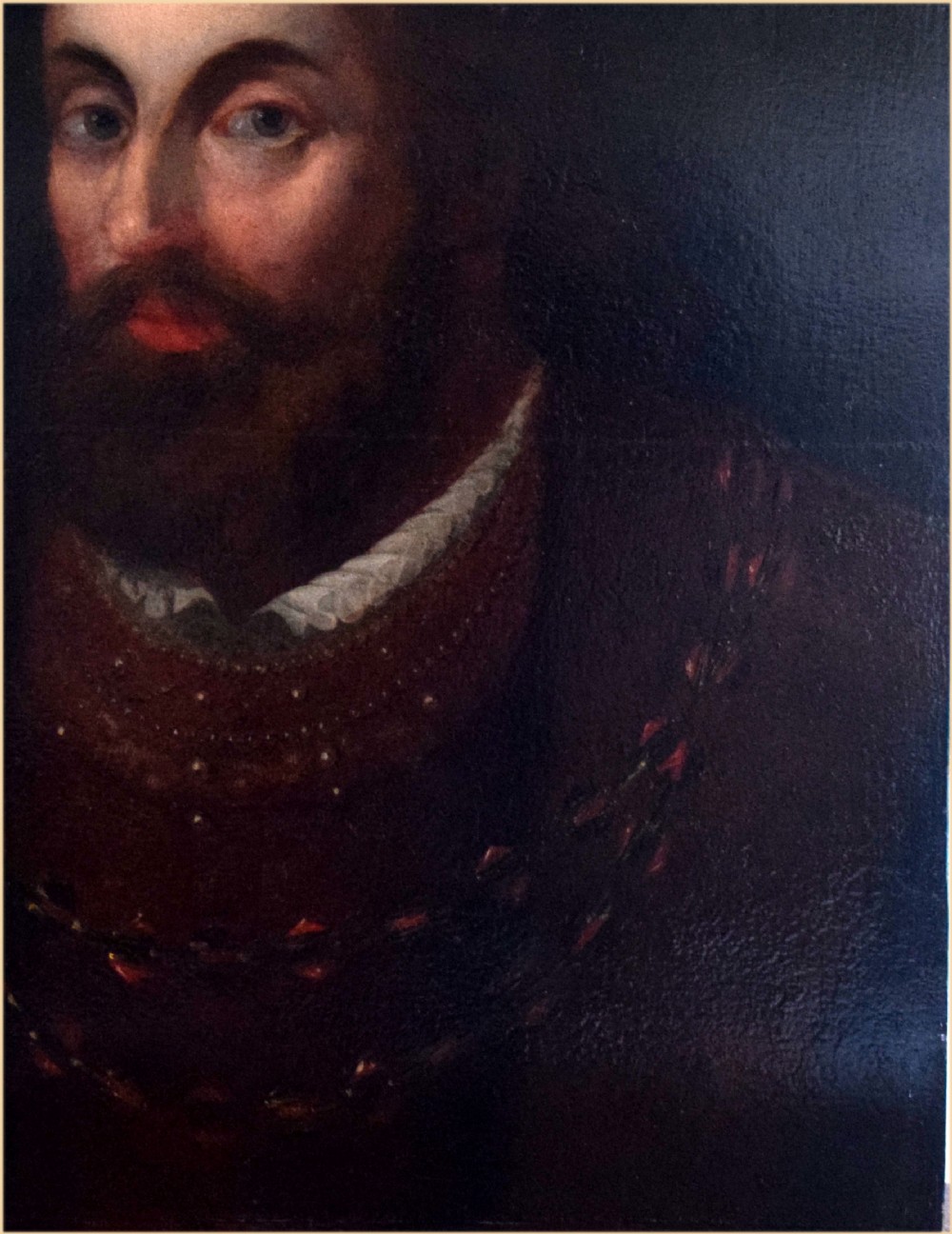
Archive II An eighteenth-century oil painting on canvas depicting a bearded man in historical garments against a dark background with top inscribed lettering. View II
Archive III An eighteenth-century oil painting on canvas depicting a bearded man in historical garments against a dark background with top inscribed lettering. View III
Archive IV An eighteenth-century oil painting on canvas depicting a bearded man in historical garments against a dark background with top inscribed lettering. View IV
Archive V An eighteenth-century oil painting on canvas depicting a bearded man in historical garments against a dark background with top inscribed lettering. View V
FURTHER BROWSING

Visitors also looked at these ⇣

Enlarged Archival View
Telephone 07958 699 645
Location
18 La Gare
51 Surrey Row
London
SE1 0BZ
United Kingdom
Verified Since Sep 2008
Items For Sale 243
Items Sold 223
Artware Fineart
Verified Since Sep 2008
View Dealer Info
Location: 18 La Gare , 51 Surrey Row , London , SE1 0BZ , United Kingdom
Verified
Sep 2008
For Sale
243
Sold
223
An eighteenth-century oil painting on canvas depicting a bearded man in historical garments against a dark background with top inscribed lettering.
William Aikman 1682-1731 Portrait of John Le Scrope, 5th Baron Scrope of Bolton 1435-1498 John Le Scrope, 5th Baron Scrope of Bolton
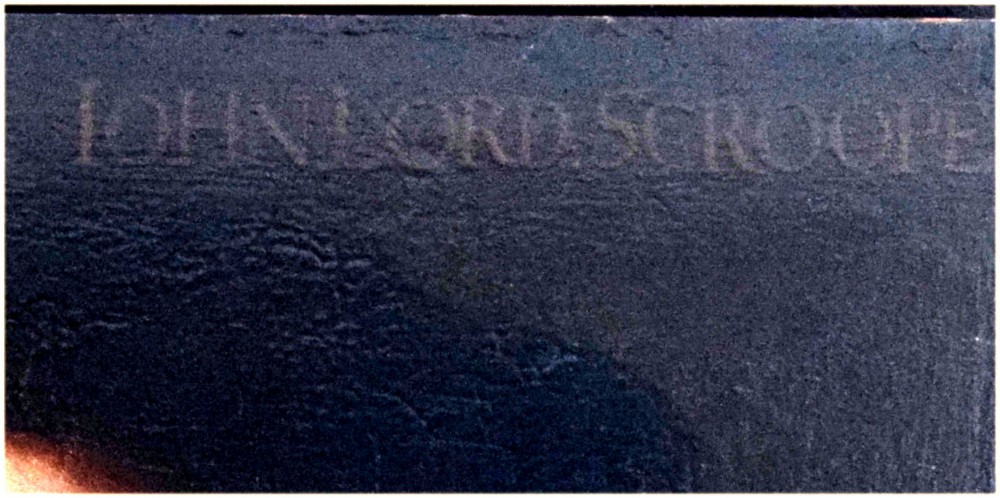
Ref: SA961416
An eighteenth-century oil painting on canvas depicting a bearded man in historical garments against a dark background with top inscribed lettering.
Detail View 1
Detail View 2
Detail View 3
Detail View 4
Archival Detail
Every single antique dealer on our platform is individually approved by our internal team. We verify their professional trade history, ethical standards, and photographic quality to ensure a secure, high-standard buying environment. Upon joining, every dealer agrees to a strict 9-point code of conduct. While issues can occasionally arise, our dealers typically resolve them swiftly and directly with the buyer. In fact, since our founding in 2002, Sellingantiques has only had to step in to help resolve an issue on roughly five occasions—a true testament to the quality of our dealers and their dedication to your happiness.
Our dealers are highly experienced in packing and shipping fragile, high-value antiques. Because you are in direct contact with the dealer, you will be able to easily go through all available shipping and insurance options together to ensure your item arrives safely.
Antiques are the ultimate green purchase. By choosing historical pieces over newly manufactured goods, you completely eliminate the carbon footprint of modern mass production while preserving exceptional, timeless craftsmanship.

British portraiture of the early 18th century combined continental Baroque influences with naturalistic figure rendering. Artists focused on capturing realistic likenesses, dark ambient backgrounds, and detailed costume work to signal social standing and political allegiance.

Paintings from this era were created using oil-based pigments applied to hand-stretched linen canvas or oak timber panels. Artists blended natural minerals and oils to craft deep, layered glazes sealed with varnish.

Authentication involves evaluating age-appropriate craquelure patterns across the paint surface, examining timber stretcher bars or wood panels for hand-hewn tool marks, and verifying pigment composition using specialized lighting techniques.

A historical portrait acts as a focal point when hung above a mantelpiece, sideboard, or integrated into a curated gallery wall. Pairing the painting with modern lighting fixtures accentuates the tonal contrasts within dark background portraiture.

Keep the artwork away from direct sunlight, extreme temperature fluctuations, and high humidity to prevent cracking or warping. Dust gently using a soft, dry camel-hair brush, avoiding household cleaning chemicals or water.
items
Add keywords to the filter
Price
£100
£250000
Era
Movements
Material
Origin
Stock Location
Freshness
Online Payments
Categories