
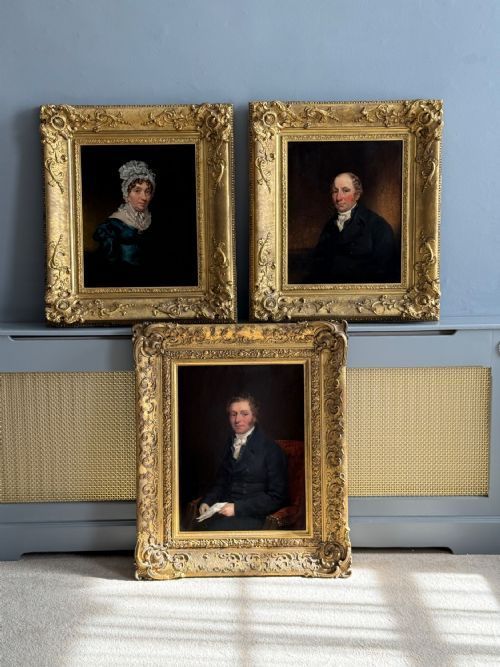
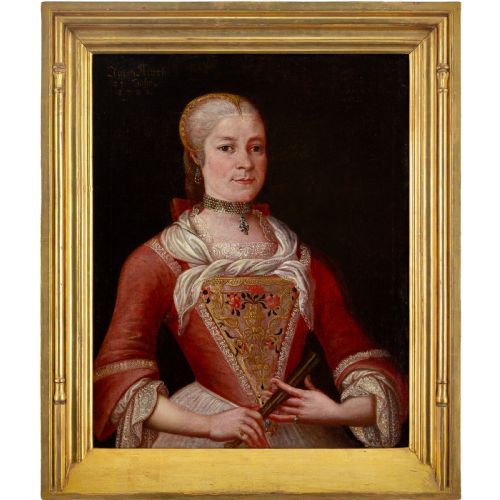
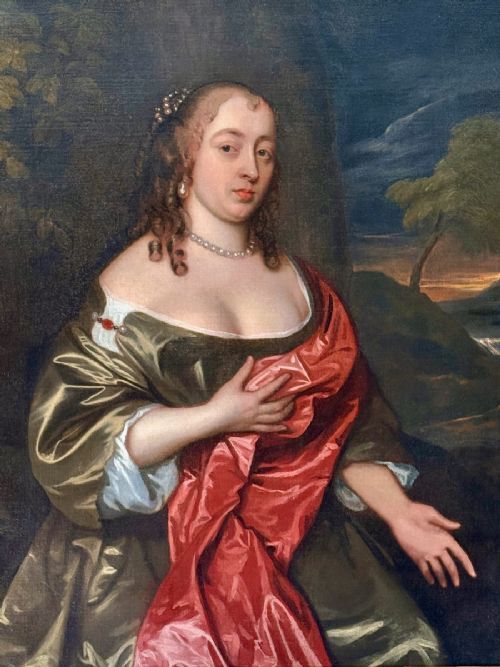
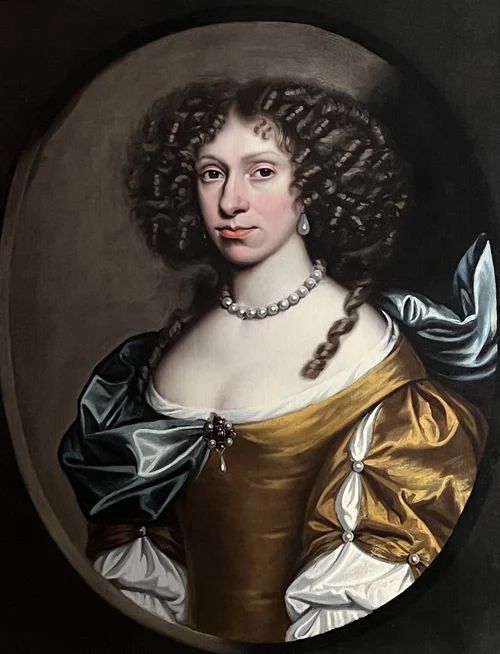

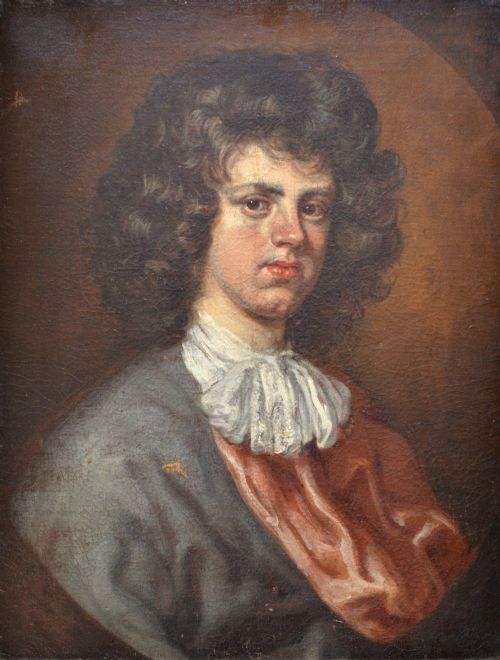
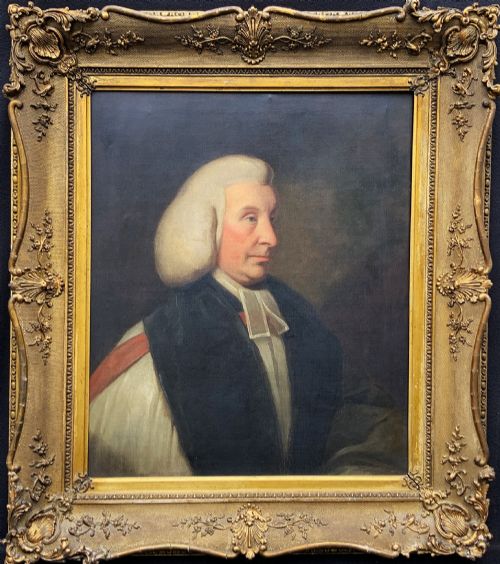
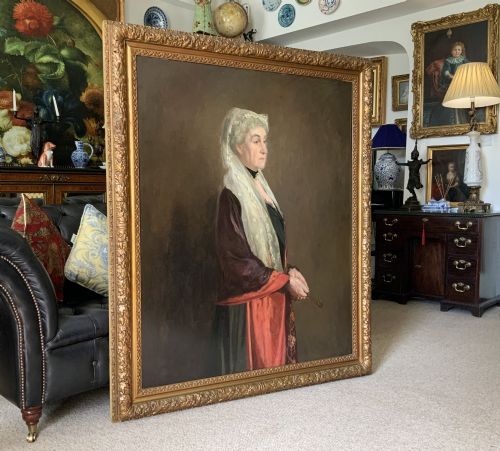
Period Portrait Oil Painting
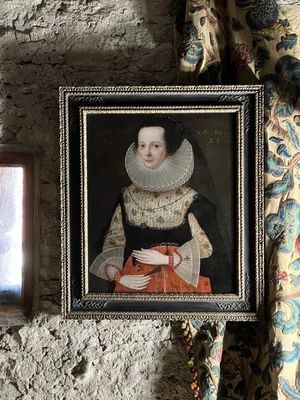
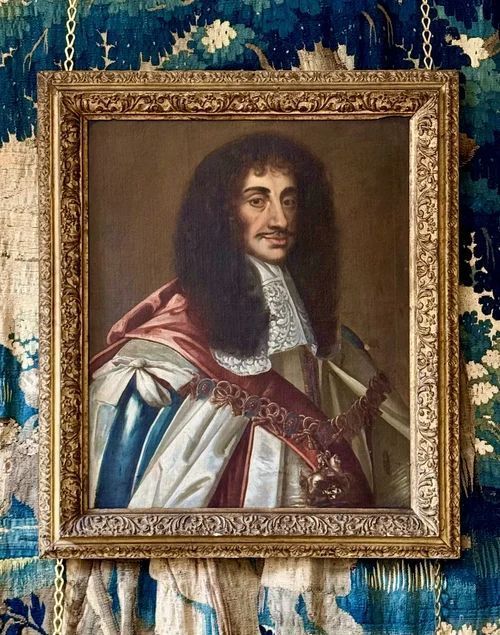
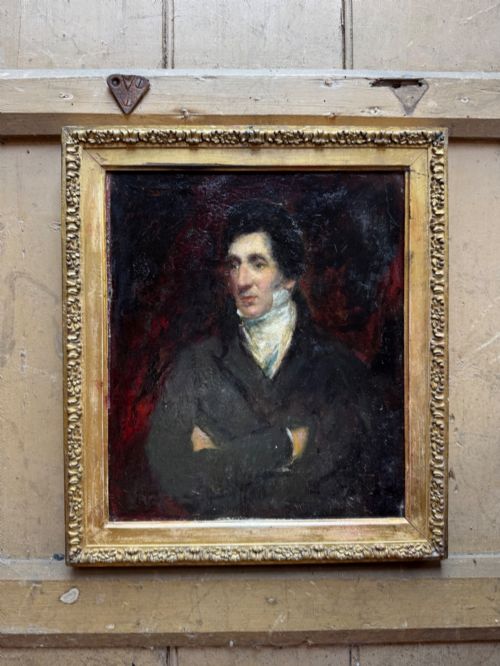
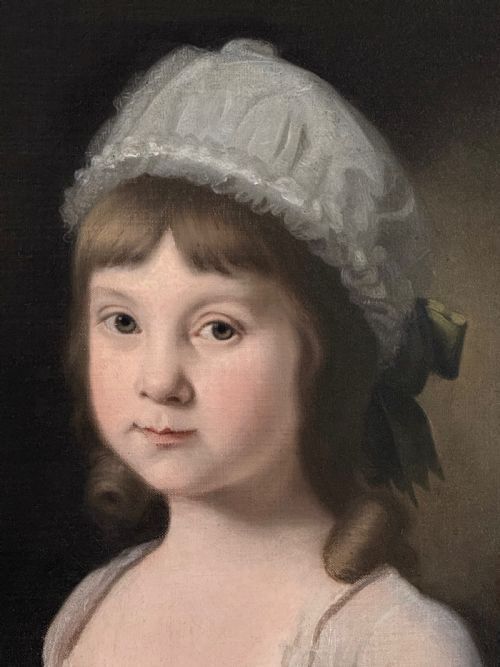
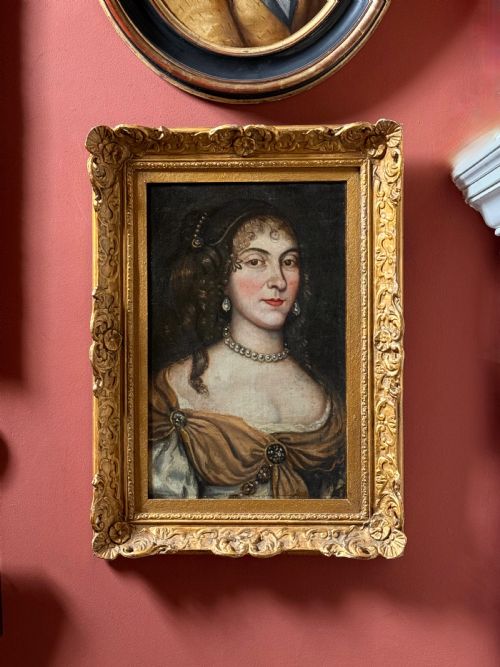
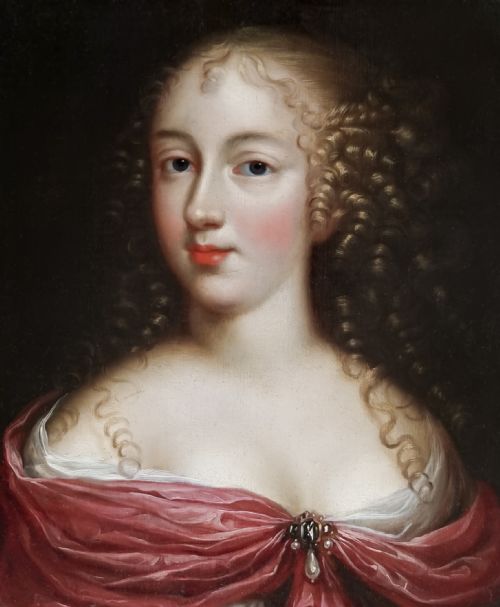
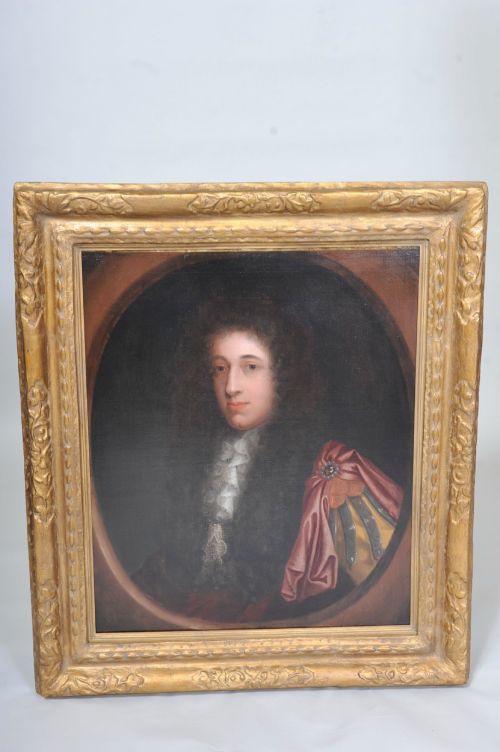
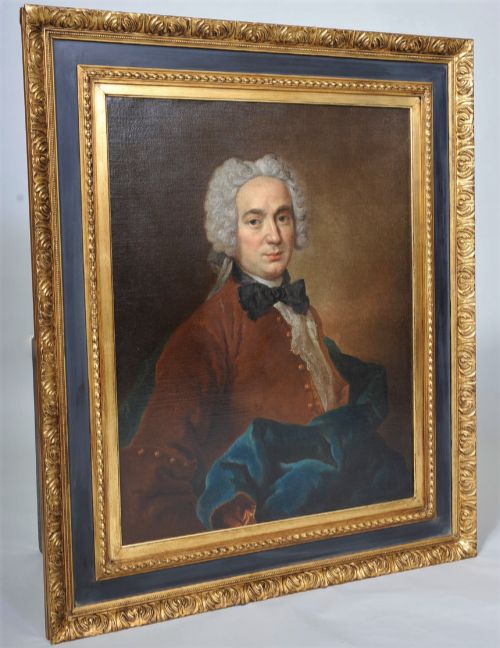
These period portrait oil paintings capture sitters in oils on canvas and wood panel from the seventeenth, eighteenth, and nineteenth centuries, offering a tangible link to historical eras through skilled portraiture.
Period Portrait Oil Painting
A period portrait oil painting represents historical sitters ranging from nobility and military officers to children and privateers, captured across the seventeenth, eighteenth, and nineteenth centuries.
The selection includes works from British and European schools, spanning Jacobean, Baroque, Georgian, and Regency styles.
Buyers encounter canvases and wood panels created by circles of notable painters, regional schools, and documented artists from periods such as the Stuart and Edwardian eras.
How they were made
Artists applied oil paint to prepared canvas surfaces and wood panels, often framing the finished artwork in period giltwood and gold leaf frames.
Techniques range from the detailed brushwork of seventeenth-century court painters to the broader handling found in later Georgian and Regency portraiture.
The inventory spans the seventeenth century through to the Edwardian period.
What varies in quality
The anatomical accuracy of hands, faces, and drapery separates master studio output from more formulaic regional school productions.
Depth of pigment, subtlety of lighting, and the preservation of original canvas surfaces and period frames influence the standing of each individual painting.
John Hayls·David Scougall·Sir Peter Lely·Joshua Reynolds·Pierre Mignard·Mary Beale·Sir Godfrey Kneller·Thomas Beach·Sir Thomas Lawrence·John Greenhill·Allan Ramsay·John Michael Wright·Trajan Hughes·Jeremiah Davison·Cornelius Johnson·Henry Pickering·George Morland·Robert Walker·Franz Russ The Elder·F Winterhalter·Vincent Galloway·Hilda Freeman·Moses Vanderbank
The Period Portrait Oil Painting Glossary
- Oil on canvas
- Pigments bound in a drying oil applied to a stretched woven fabric support. This combination allowed artists to achieve rich tonal gradations and subtle blending.
- Panel
- A rigid wooden support used for painting before canvas became dominant. These substrates often exhibit early joinery and cradling on the reverse.
- Giltwood
- Wood carved and coated with a thin layer of gold leaf or metallic powder. These frames provide contemporary context for historical canvases.
- Circle of
- A designation indicating an artist worked in close proximity to a master, absorbing their specific style and workshop methods.
- Baroque
- An artistic style spanning the seventeenth and early eighteenth centuries characterised by drama, rich colour, and dynamic composition.
Period Portrait Oil Painting: Frequently Asked Questions
How do I identify a seventeenth-century portrait?
Look for specific costume details such as lace collars, elaborate doublets, and formal poses characteristic of the Stuart and Jacobean eras. Attribution is often supported by written signatures, old inscriptions, or documented stylistic links to contemporary workshops.
Examination of the canvas weave, stretcher frames, and underlying wood panels also helps determine the age of the physical object.
What is the difference between circle of and follower of?
A work from the circle of an artist implies a close working relationship within the same studio or direct personal influence during the master's lifetime. Follower of describes a later painter who adopted the manner and composition of a master after their death.
Both designations indicate high-level regional or professional competency without attributing the primary hand directly to the master.
How should I care for an antique oil painting?
Keep oil paintings away from direct sunlight, extreme temperature fluctuations, and high humidity to prevent the canvas from slackening and the oil paint from cracking. Dust the surface gently with a soft, dry brush without applying pressure.
Avoid using liquid cleaners or touching the pigment directly, and consult a professional conservator for deeper cleaning.