

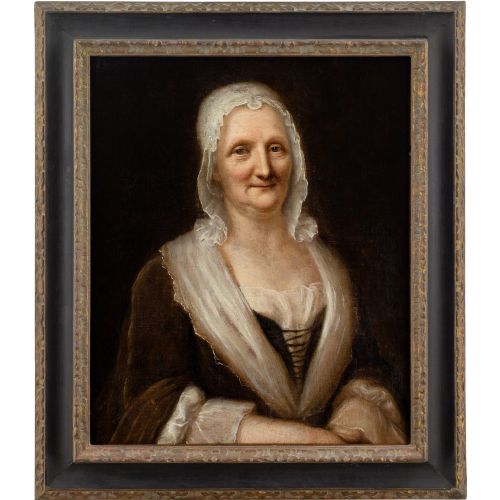
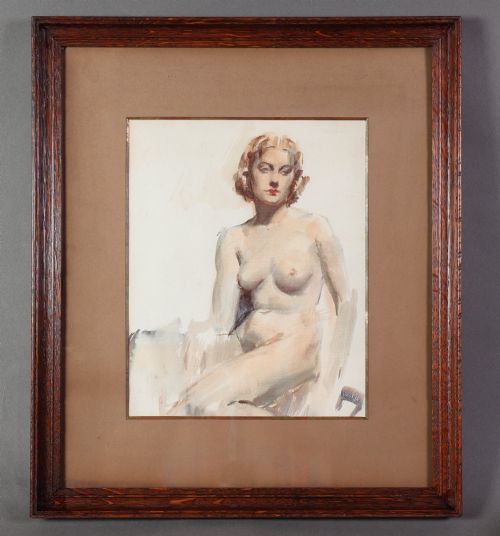
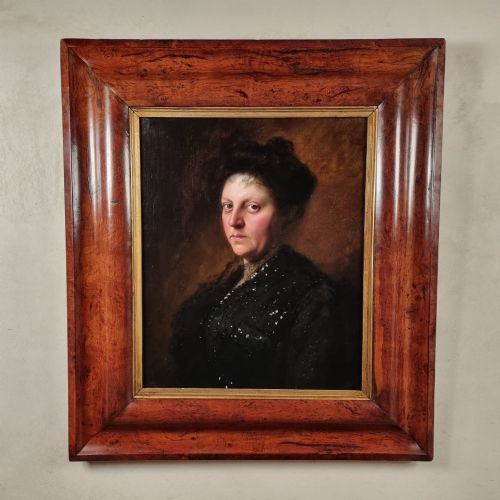
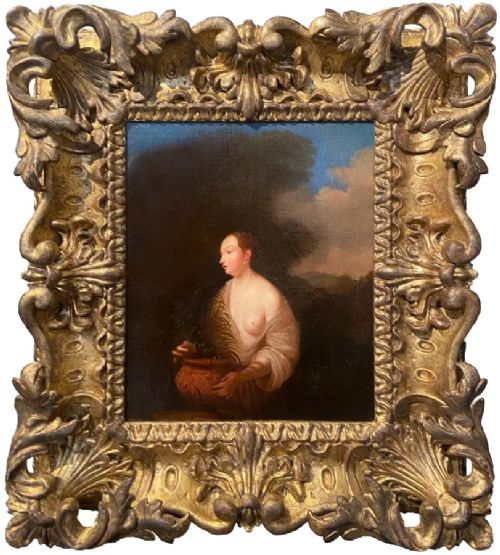
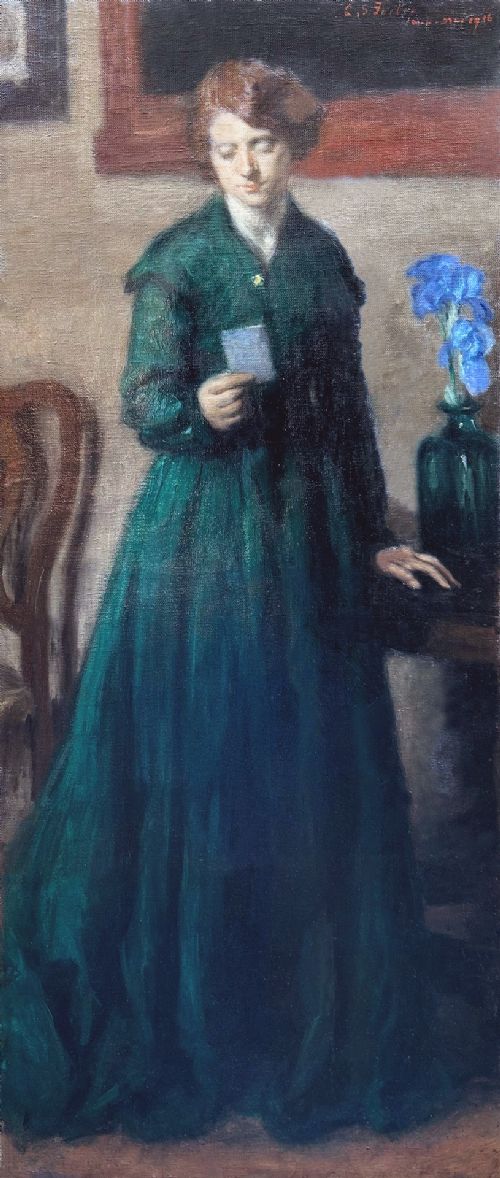
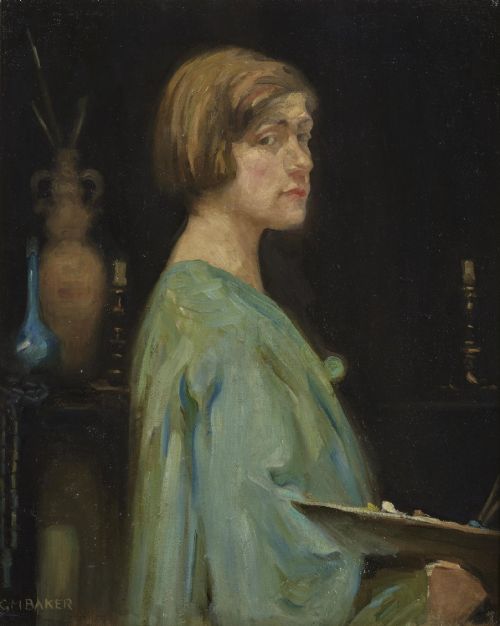
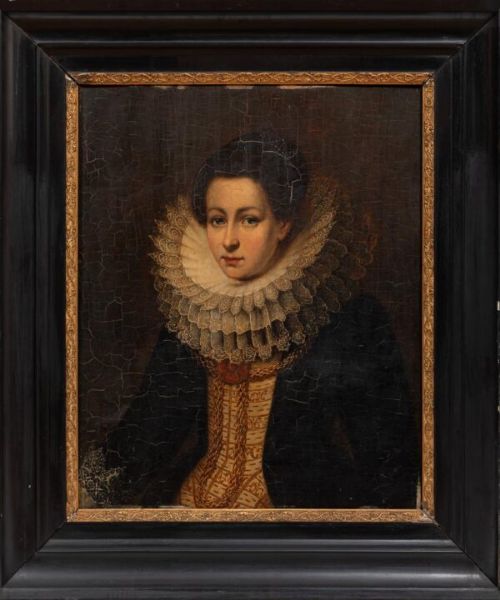
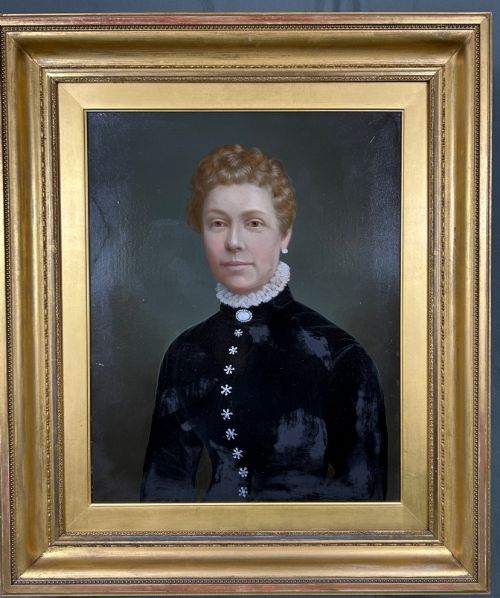
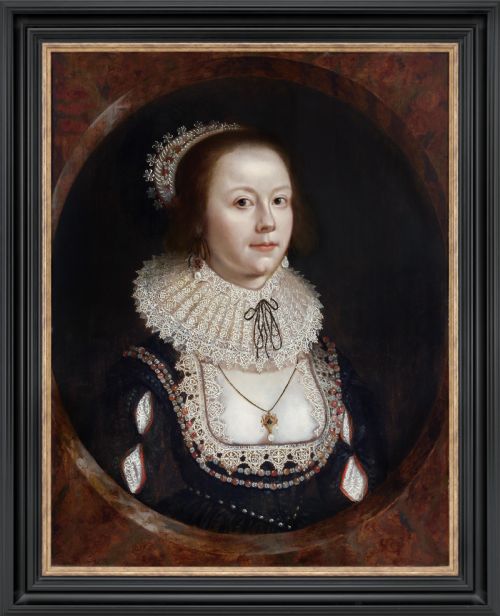

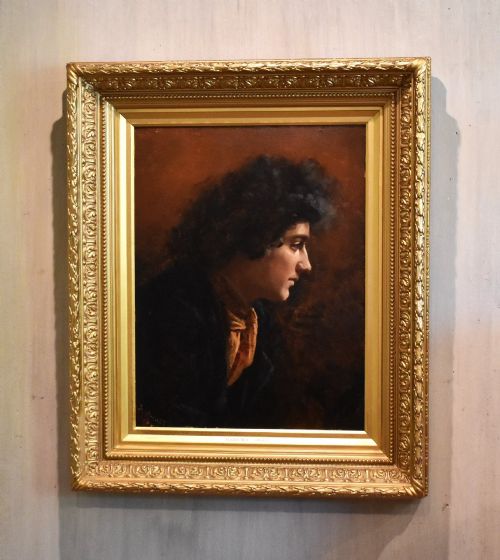
Dark Framed Female Portrait
A dark framed female portrait brings centuries of character into a room, offering an immediate focal point through historic oil paint and deep wood mouldings.
Dark Framed Female Portrait
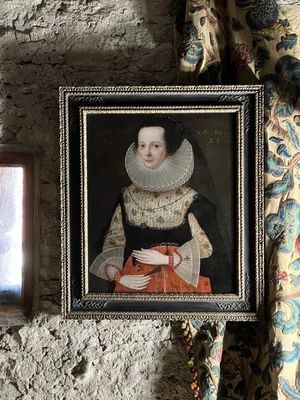
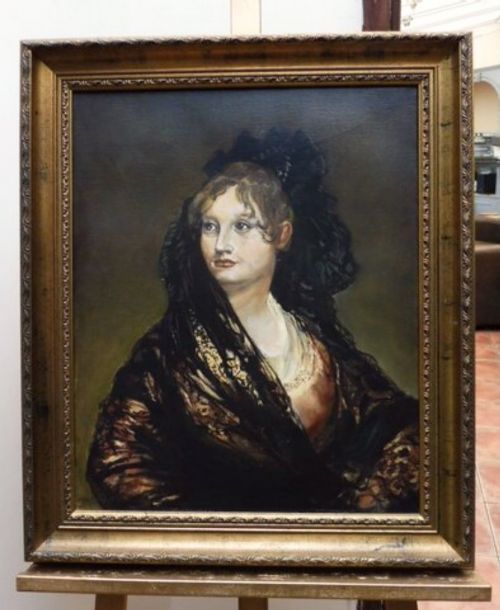
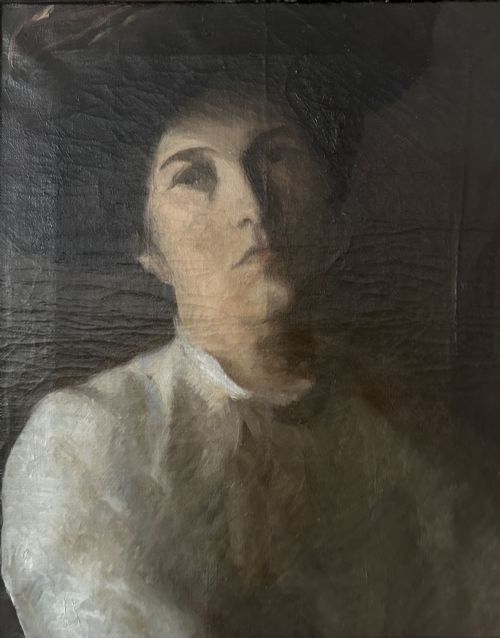
A dark framed female portrait captures the likenesses of noblewomen, ladies, and sitters from eras spanning the seventeenth century through to the Edwardian period and mid-century. Buyers seeking a dark framed female portrait will encounter oil paintings on canvas, panel, and copper, alongside silhouettes and prints housed in rich surrounds.
The prevailing examples on this page hail from the nineteenth and seventeenth centuries, presenting subjects ranging from stately Victorian women to elaborately costumed noblewomen. Artists from British, French, Spanish, and Dutch schools dominate the selection, portraying sitters in hats, ruff collars, and velvet dresses.
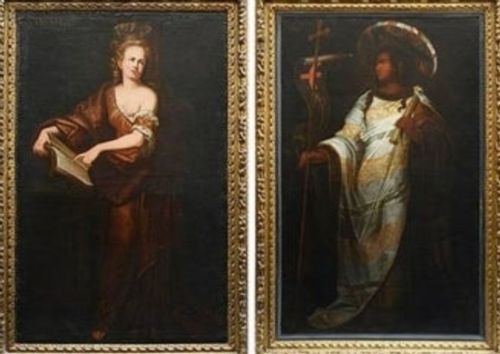
Works appear in various scales, from intimate head and shoulders studies to large canvases depicting seated subjects and sibyls. The framing typically relies on dark wood or giltwood, framing the female subjects with distinct historic gravity.
Materials and methods
The foundational medium for these works is oil paint applied to canvas, wood panel, or copper plates, often built up in translucent layers to create depth in skin tones and garments. Canvases are stretched over wooden frames, while panel paintings utilise prepared timber supports.
Surrounds are constructed from solid wood, such as rosewood, or carved timber embellished with gold leaf and giltwood. Reverse glass printing and engraving techniques also appear, demonstrating the diverse technical approaches used to present these female subjects.
Listings feature works spanning the seventeenth century through to the mid-twentieth century, executed in oil on canvas, panel, and copper.
Distinctions in execution
Quality rests in the precision of the brushwork, particularly in the rendering of facial expressions, hands, and intricate textiles like lace and ruff collars. Masterly handling of light and shadow distinguishes accomplished portraiture from standard workshop output.
The relationship between the artwork and its surround influences the integrity of the piece, with period-correct frames matching the age and provenance of the painted canvas or panel.
JOHN HAYLS·Francisco José de GOYA y Lucientes·Toussaint Gelton·Charles Stuart Forbes·Gladys Marguerite Baker·Cornelius Johnson·Sir Anthony Van Dyck·Florence Small·Nicolaes Maes·Cornelis Van Der Voort·Guido Reni·Gainsborough·John Osborn
The Dark Framed Female Portrait Glossary
- Oil on canvas
- Pigments bound in a drying oil applied to a woven fabric support stretched across a wooden frame. This technique allowed artists to create rich textures and subtle tonal gradations.
- Giltwood
- Wood that has been covered with a thin layer of gold leaf or gold paint. It provides a luminous border that contrasts with dark frames and oil pigments.
- Reverse glass print
- An image painted or printed directly onto the rear side of a glass sheet, viewed from the front. This method protects the pigment and yields a smooth, reflective surface.
- Ruff collar
- A prominent pleated starched collar worn during the sixteenth and seventeenth centuries. It frames the sitter's face and indicates high social status in early portraits.
Dark Framed Female Portrait: Frequently Asked Questions
How do I date a portrait?
Dating relies heavily on the sitter's costume, hairstyles, and collar styles, which changed rapidly across the seventeenth, eighteenth, and nineteenth centuries. Supporting clues include canvas types, stretcher construction, and framing materials.
Signatures, inscriptions on the reverse, and stylistic similarities to known schools of art help narrow the decade of creation.
Where should I hang an oil portrait?
These works suit dining rooms, libraries, or hallways where darker wood tones and rich oil palettes complement traditional interior finishes. Direct sunlight should be avoided to protect the pigment layers.
Pairing a historic portrait with neutral walls allows the deep framing and subject matter to command visual attention.
What is the difference between canvas and panel?
Canvas paintings utilise woven fabric stretched over wood, offering flexibility and texture suited to larger compositions. Panel paintings use rigid wood or copper supports, which were favoured for smaller, highly detailed works.
Panels can show grain patterns through thin paint layers, whereas canvas preserves the weave of the textile underneath.
Are these portraits of real historical figures?
Many depict named noblewomen, duchesses, and documented sitters, while others represent anonymous subjects painted by regional European schools. Portraits after master artists also exist, depicting known historical personages.
Inscriptions on the frame or canvas reverse often record the identity of the sitter and the artist.