




Victorian Woman Artwork
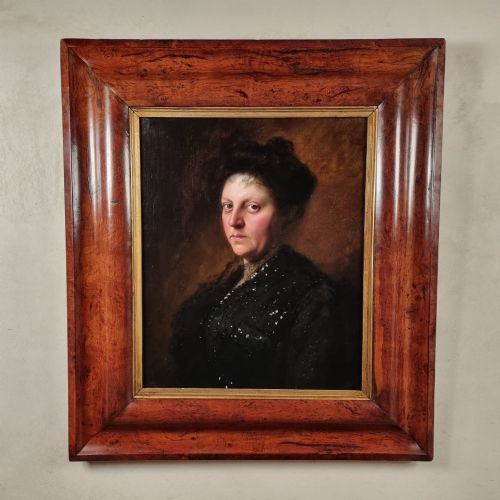
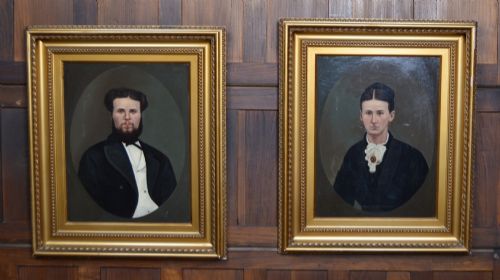
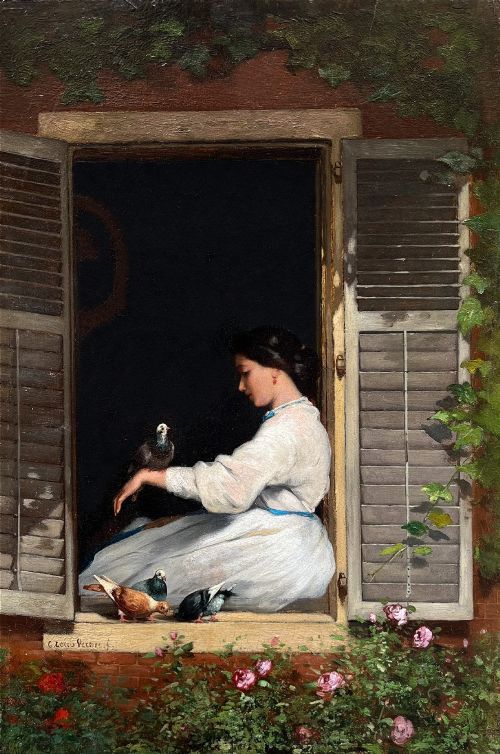
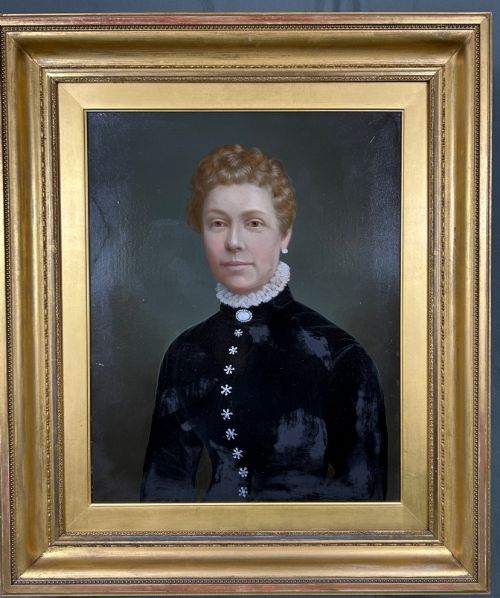
When you search for victorian woman artwork, you encounter painted portraits and genre scenes capturing female figures from the nineteenth century.
Victorian Woman Artwork
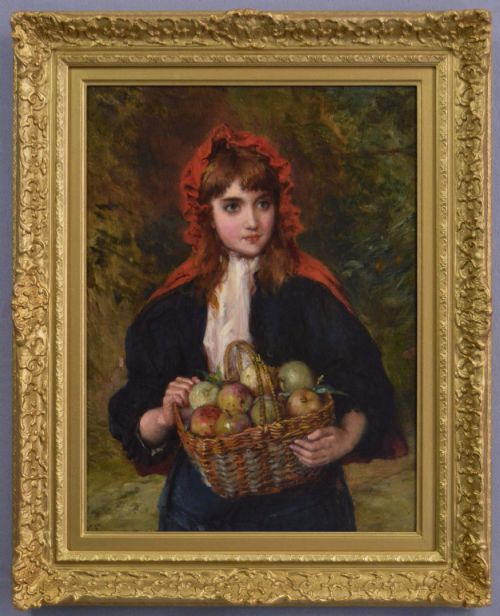
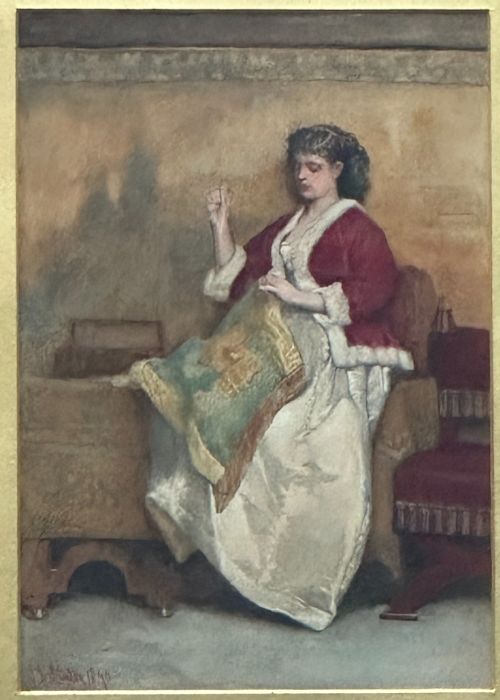
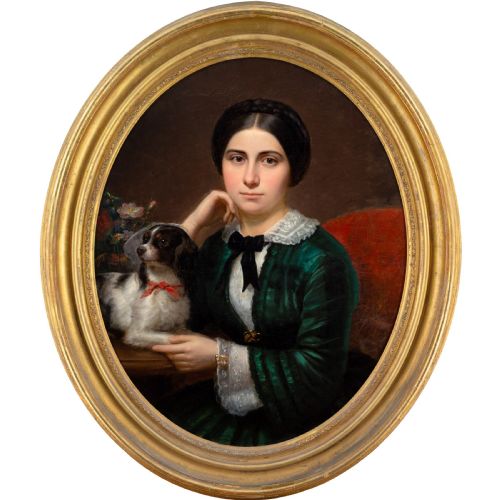
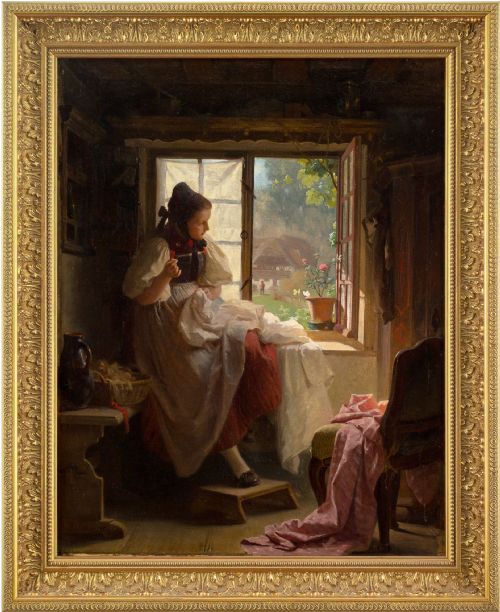
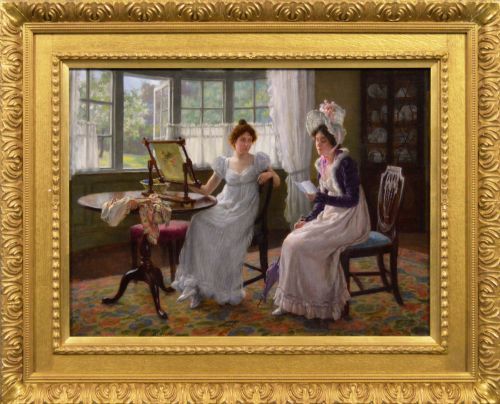
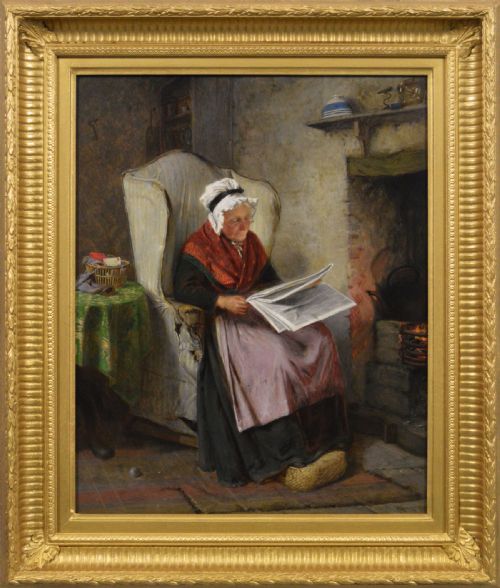
Victorian woman artwork encompasses oil paintings, watercolours, and bronze sculptures created across the nineteenth century and into the Edwardian period. Buyers encounter formal society portraits, genre scenes of women in domestic or rural interiors, and romantic outdoor depictions.
The selections on this page range from mid-nineteenth-century French and English school portraits to intimate depictions of women sewing, reading, or gathering fruit. These works cross styles including realism, romanticism, and academic painting, reflecting the varied artistic output of the era.
How they were made
Makers utilised oil paint applied to canvas, board, or paper, often mounted within period wooden frames enriched with gesso, gold leaf, and gilding. Watercolour on paper also appears among the works.
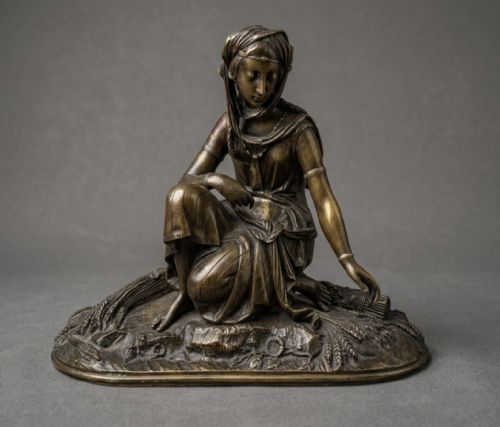
Sculptural pieces take the form of bronze casts, representing figures in fields or domestic settings through traditional foundry methods.
Materials recorded across the current items include oil paint, canvas, wood, gesso, gilt wood, gold leaf, paper, and bronze.
What varies in quality
The preservation of the paint surface, the integrity of the canvas or board, and the authenticity of the original gilded frame contribute to the standing of an individual piece.
William Oliver·Sir James Dromgole Linton·David Bates·Max Kaltenmoser·Louis Charles Verwee·Honore Cavaroc·William Arthur Breakspeare·Charles Haigh Wood·H. Bayly·Haynes King·Thomas Edward Roberts·C.S. Lidderdale·William Henry Knight·John Robert Dicksee·Robert Alexander Hillingford·August Heinrich Riedell·Lucien Madrassi·William Joseph Carroll·Jane Maria Bowkett·Robert Faulkner·Claude Cardon
The Victorian Woman Artwork Glossary
- Oil on Canvas
- Pigment suspended in drying oil applied to a stretched fabric support. This was the predominant medium for formal portraiture and genre scenes.
- Genre Painting
- Depictions of everyday subjects and scenes from ordinary life. These works often show women in cottages, park settings, or domestic interiors.
- Gesso
- A plaster-like mixture applied to wooden frames before gilding. It provides a smooth base for gold leaf application.
- Watercolour
- Pigments bound in a water-soluble vehicle applied to paper. This medium produces translucent washes often seen in smaller nineteenth-century portraits.
- Academic Painting
- Art produced under the influence of European academies of art. These works follow strict conventions of draftsmanship and composition.
Victorian Woman Artwork: Frequently Asked Questions
What subjects appear in victorian woman artwork?
The pieces depict individual society ladies, young girls, and women engaged in domestic tasks or rural labour. Scenes include figures sewing, writing at desks, or tending farm animals.
Artists also placed female subjects in parkland settings, woodland pools, and cottage interiors, capturing both formal portraiture and narrative genre moments.
Which materials were used for these artworks?
Oil paint on canvas or board forms the majority of the surviving pieces. Paper supports appear alongside watercolours in smaller or more intimate works.
Frames incorporate wood, gesso, and gold leaf, while three-dimensional pieces utilise cast bronze.
How can I date a nineteenth-century portrait?
Dates often rely on artist signatures, biographical records, or inscriptions on the reverse of the canvas. Costume styles, such as bonnets, feather hats, or velvet dresses, also offer clues to the decade of creation.
Framing materials and methods can provide further context, though frames were frequently replaced or updated over time.
Where should I display these paintings?
These framed paintings suit traditional living spaces, studies, or hallways where they can be hung at eye level away from direct sunlight. Proper wall placement protects the canvas and the gilded wood frame from temperature fluctuations.
Bronze sculptures fit securely on tabletops, desks, or mantelpieces within stable interior environments.