


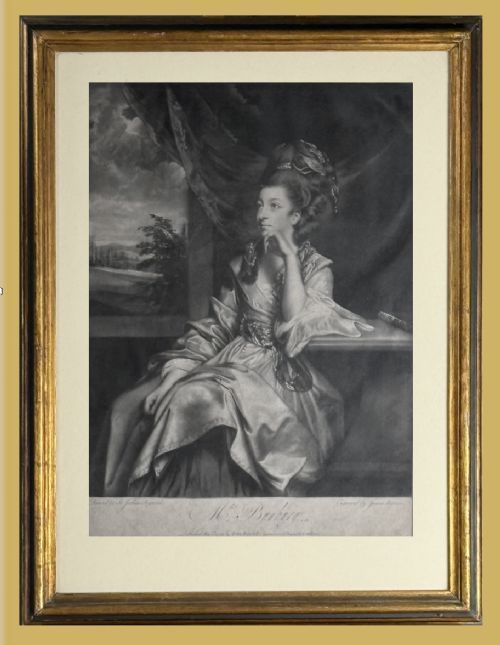
Gilded Frame Portrait Artwork
When you search for gilded frame portrait artwork, you meet historical likenesses enclosed in ornate surrounds that elevate interior spaces.
Gilded Frame Portrait Artwork
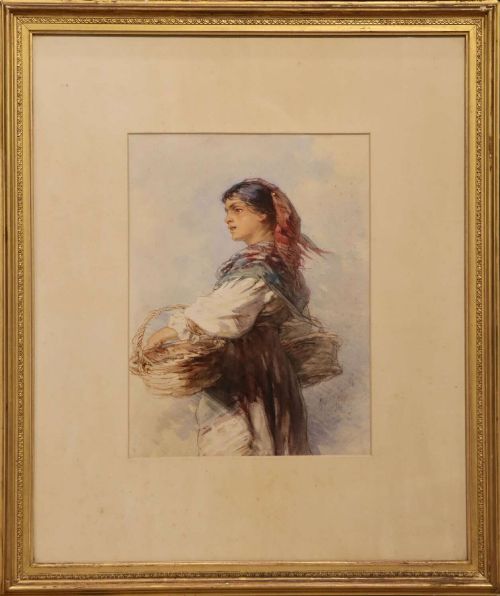
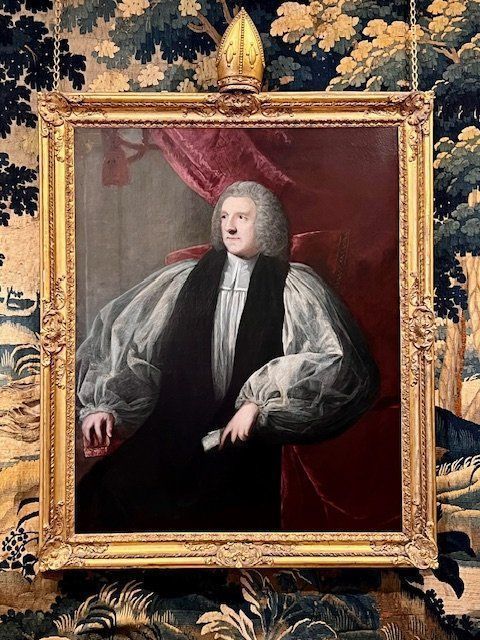
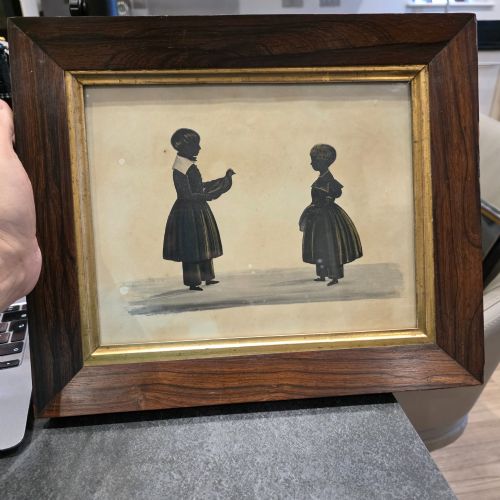
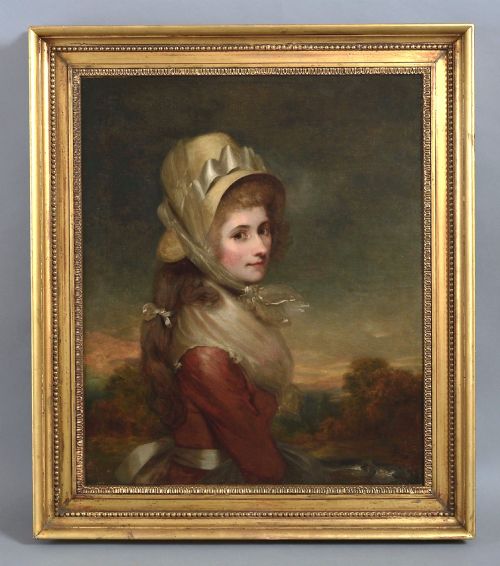
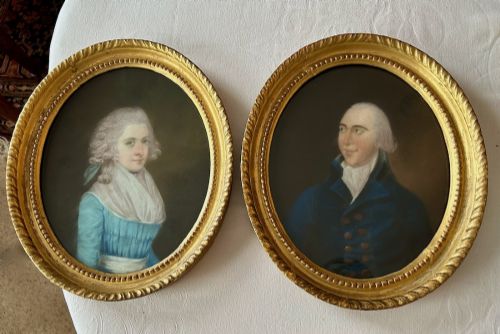
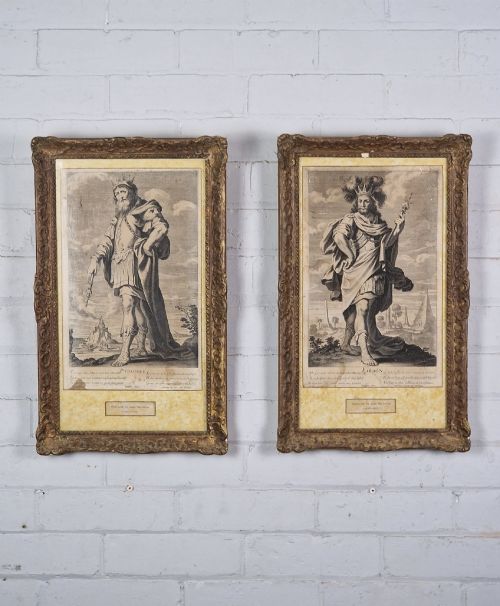
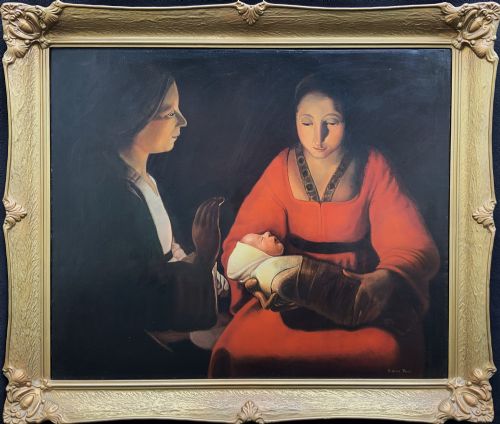
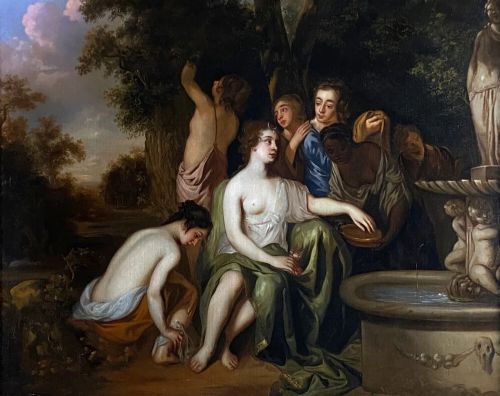
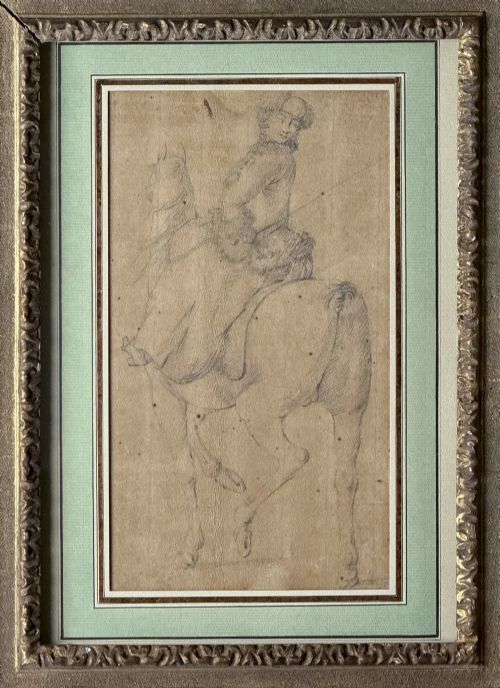
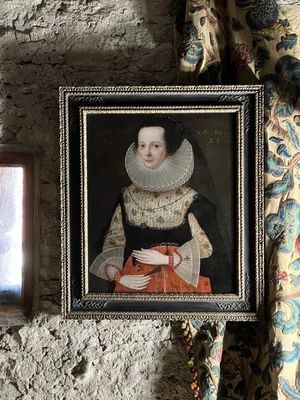
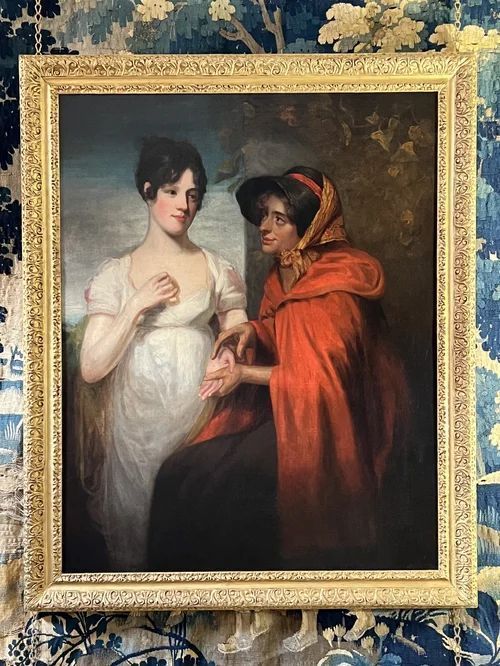
Gilded frame portrait artwork comprises painted or drawn likenesses enclosed in gold-decorated surrounds, spanning from the seventeenth century through to the mid-twentieth century. The selection on this page centres primarily on oil paintings on canvas or panel, alongside pastels, engravings, and silhouettes.
Buyers encounter works from Georgian, Victorian, Regency, and Edwardian periods, including Renaissance Revival pieces and Dutch Old Master styles. Subjects range from nobility and clergymen to children and country girls, often preserved within their original or period surrounds.
These pieces function as focal points in period interiors, bringing historical depth and human character to a room. The combination of painted subjects and reflective metallic borders creates a traditional display that anchors domestic spaces.
Assessing Quality
The integrity and craftsmanship of the surround also influence the piece, with hand-carved giltwood detailing holding greater weight than later applied finishes. Original pairings of image and border represent a higher level of historical preservation.
Several portraits feature subjects holding fruit, pets, or birds, preserving centuries-old personal preferences in domestic presentation.
Sir Joshua Reynolds·Sir Peter Lely·Sir Godfrey Kneller·John Opie·Anthony Van Dyck·Vittorio Reggianini
The Gilded Frame Portrait Artwork Glossary
- Giltwood
- Wood carved and coated with gold leaf or gold paint. This technique creates a bright, reflective finish popular in period framing.
- Mezzotint
- A printmaking process where the copper plate is roughened to achieve rich tonal gradations. It allows for subtle shading in portraiture.
- Oil on Canvas
- Pigment mixed with drying oil applied to stretched fabric. It provides a durable surface that supports blending and layered colour.
- Pastel
- A dry medium made of powdered pigment and a binder, worked onto paper. It yields a soft, matte texture suited to intimate portrait studies.
- Silhouette
- A solid dark profile cut from paper or painted, often enhanced with gold highlights. This form gained popularity for miniature likenesses before photography.
Gilded Frame Portrait Artwork: Frequently Asked Questions
How do I hang a heavy framed portrait safely?
These pieces require secure picture hooks fixed directly into wall studs or heavy-duty masonry plugs, given the combined weight of timber, canvas, and metal-finished surrounds. Using two fixing points distributes the load evenly and keeps the work level over time.
Position the centre of the canvas at approximate eye level to replicate gallery display standards. Ensure the wall space avoids direct, strong sunlight to protect the pigments and the gold leaf on the surround.
How can I tell an oil painting from a print?
Examining the surface under a magnifying glass reveals the texture of brushstrokes and raised ridges of dried oil paint. Prints display uniform dot patterns or smooth, flat ink application without physical depth.
Light reflecting across the canvas highlights the varying gloss of the paint medium compared to paper prints under glass. The edges of the canvas where it wraps around the stretcher bars further confirm an original painting.
What rooms suit a large historical portrait?
Dining rooms, libraries, and high-ceilinged reception spaces provide the appropriate scale and architectural weight for large historical likenesses. The presence of wood furniture and traditional decor complements the dark tones and ornate surrounds.
Placing a significant work above a fireplace or a sideboard creates a traditional focal point in the room. The subdued lighting of these spaces preserves the materials while highlighting the depth of the subject.