



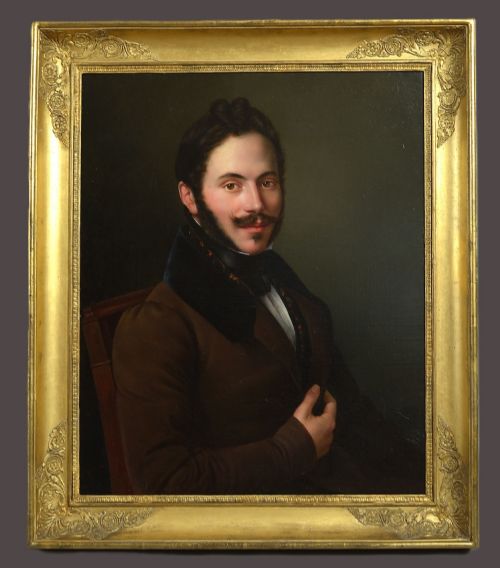
Brown Oil Portrait Artwork
Brown oil portrait artwork captures human likenesses and character through historical periods using traditional pigments on canvas or wood panels.
Brown Oil Portrait Artwork
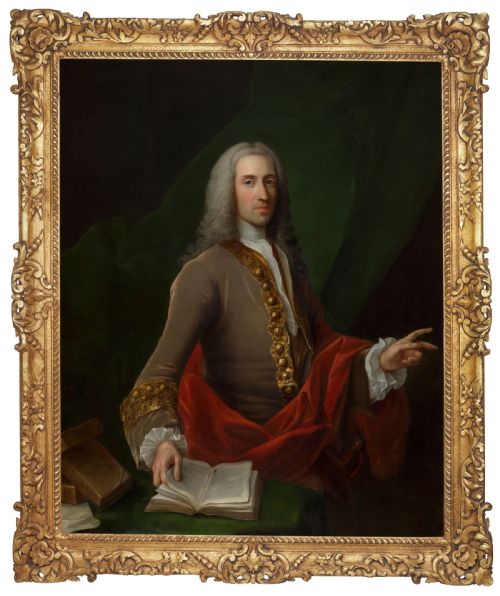
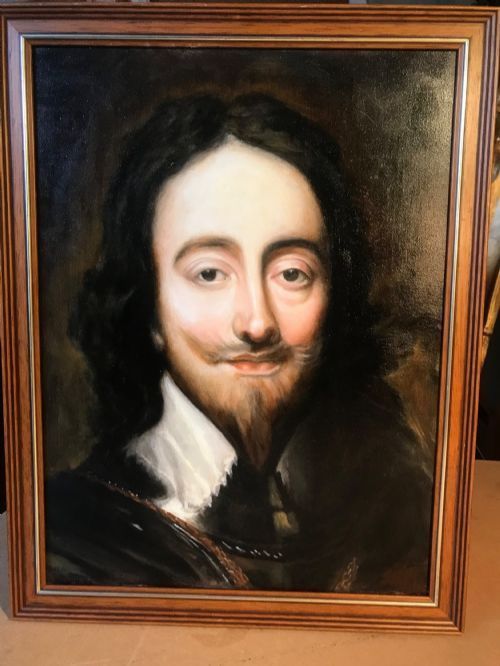
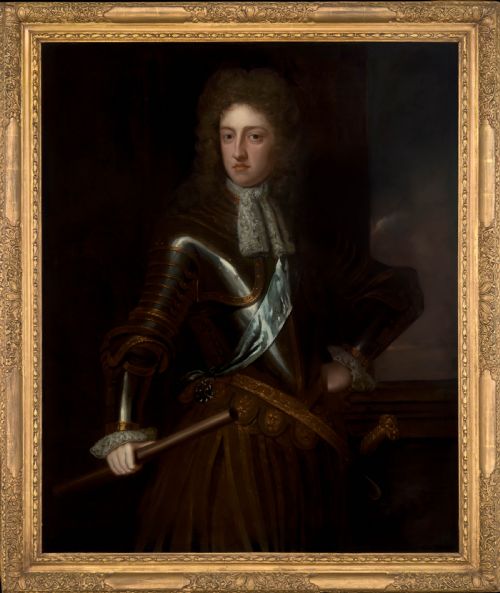
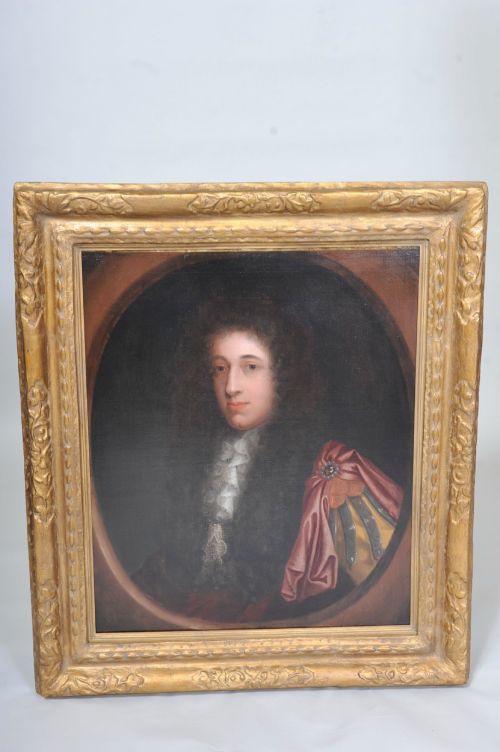
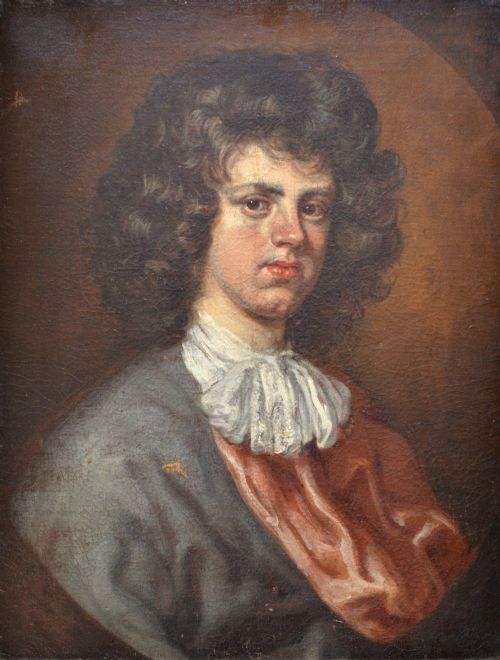
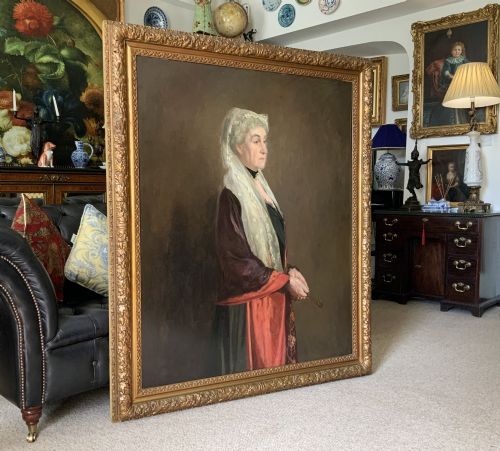
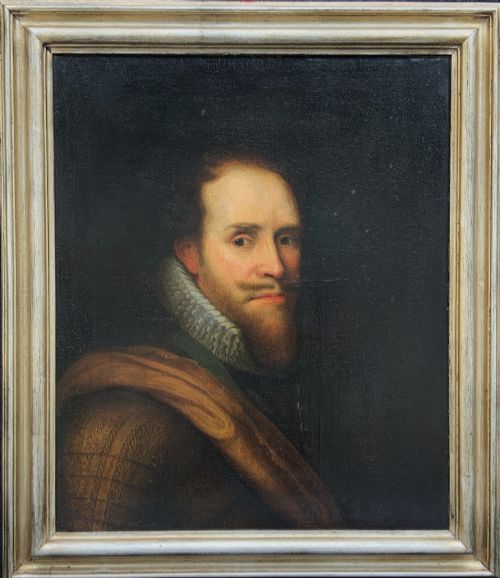
When you search for brown oil portrait artwork, you encounter painted representations of individuals rendered predominantly in earthy, dark tones. These pieces span centuries from the seventeenth century through the Edwardian period, capturing sitters ranging from nobility to judges and gentlemen.
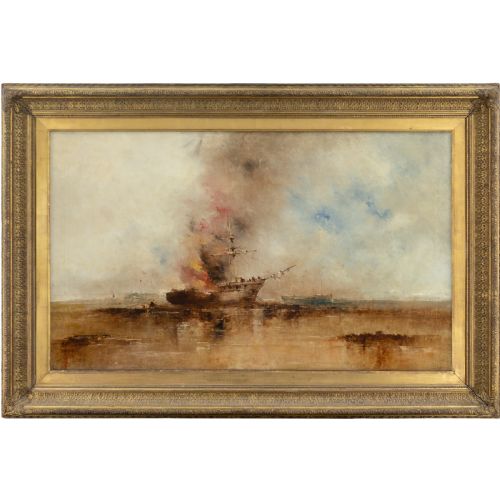
The selections available here lean heavily into British and European schools, featuring formal likenesses alongside animal and sporting subjects executed in oil paint. Canvas remains the primary support, frequently housed in period giltwood or gold leaf frames that complement the deep palette of the compositions.
Materials and construction
The works rely upon oil paint applied to stretched canvas or wooden panels, utilising ground pigments suspended in drying oils such as linseed. Painters built up these portraits through layers of opaque paint and translucent glazes, achieving deep, warm shadows and subtle skin tones.
Framing forms an integral part of the physical object, employing carved wood finished with gold leaf or gilt. These frames often match the period of the painting, providing structural support and visual definition to the dark canvases.
Listings feature works spanning from the seventeenth century through to the nineteen-twenties, executed primarily in oil paint on canvas and wood.
Factors of quality
Quality rests upon the skill of the brushwork and the precision of anatomical rendering, distinguishing master hands from standard studio production. A convincing sense of volume, texture in fabrics, and psychological depth in the sitter's expression separate superior examples from routine portraiture.
The preservation of the pigment layer and the originality of the mounting also influence the standing of a piece. Works retaining their initial canvas tension and period gilt frames demonstrate better survival through time.
Sir Peter Lely·Jeremiah Davison·Sir Godfrey Kneller·Mary Beale·Edouard Pingret·Albert Clark·Howard Helmick·Margaret Sarah Carpenter·William Blake Richmond
The Brown Oil Portrait Artwork Glossary
- Oil paint
- A slow-drying medium made by pigment grains suspended in a drying oil, typically linseed. This technique allows for seamless blending and rich tonal gradations.
- Canvas
- A heavy woven fabric used as a surface for painting, stretched tightly across a wooden frame before application. It provides flexibility and texture to the finished artwork.
- Giltwood
- Wood carved and covered with a thin layer of gold leaf or metallic powder. It is commonly found on traditional frames surrounding historical portraits.
- Old Master
- A term applied to European painters of high skill working before about eighteen hundred. These artists established foundational traditions in portrait and genre painting.
- Panel
- A flat piece of wood used as a rigid support for painting instead of fabric. Panels were favoured in earlier centuries for their stability.
Brown Oil Portrait Artwork: Frequently Asked Questions
How do I date an old oil portrait?
Dating relies on examining the sitter's clothing, hairstyle, and the construction methods of the stretcher or panel. Stylistic clues within the brushwork and framing also point to specific eras like the seventeenth century or the Victorian epoch.
Secondary evidence such as old inscriptions, labels on the reverse, or recorded provenance helps narrow down the active years of the artist.
What is a studio or circle attribution?
Attributions like circle of or studio of indicate that a work was produced by artists working closely under the influence or supervision of a master. These pieces reflect the style and techniques of a prominent painter without being an autograph primary work.
Such designations provide historical context and link the artwork directly to established workshops of earlier centuries.
How should I care for an antique canvas?
Antique oil paintings require stable indoor humidity and temperature to prevent the canvas from slackening or the paint layer from cracking. Direct sunlight should be avoided to protect organic pigments from fading over decades.
Dusting should be done gently with a soft, dry brush, avoiding any moisture or chemical cleaning agents that might damage the fragile varnish surface.
Why are many historical portraits painted in dark tones?
Dark earth pigments such as umber and bitumen were widely used to create dramatic chiaroscuro effects and a solemn, dignified atmosphere. These subdued palettes matched the formal interiors and lighting conditions of the periods in which they were created.
Over time, certain dark varnishes and grounds can naturally amber or darken further, increasing the overall richness of the brown aesthetic.