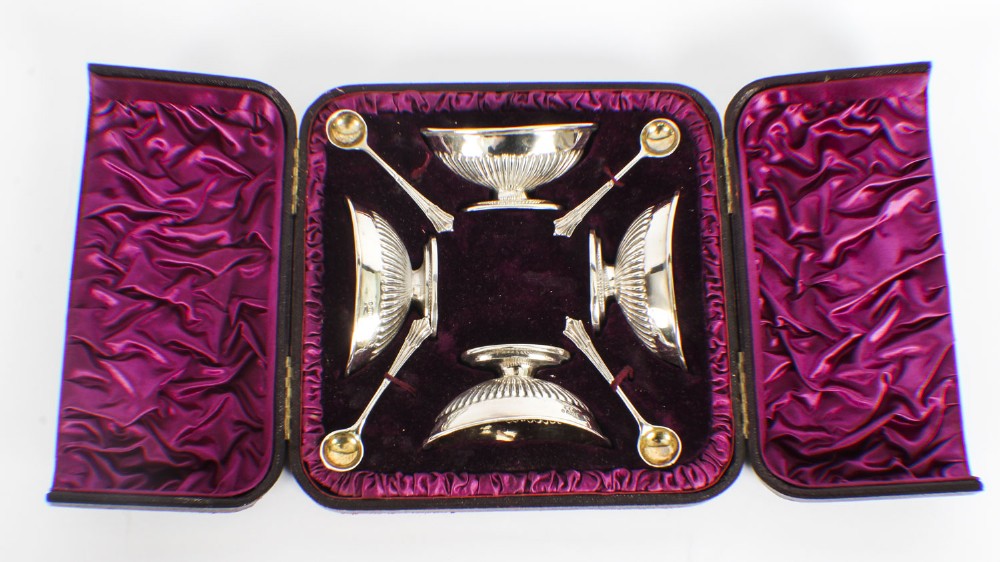
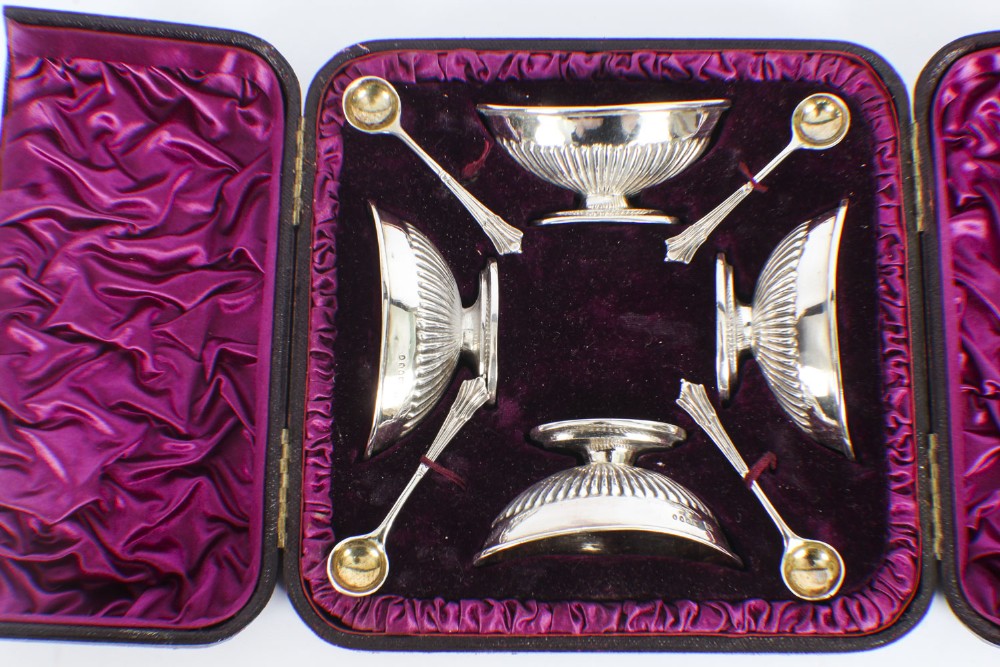
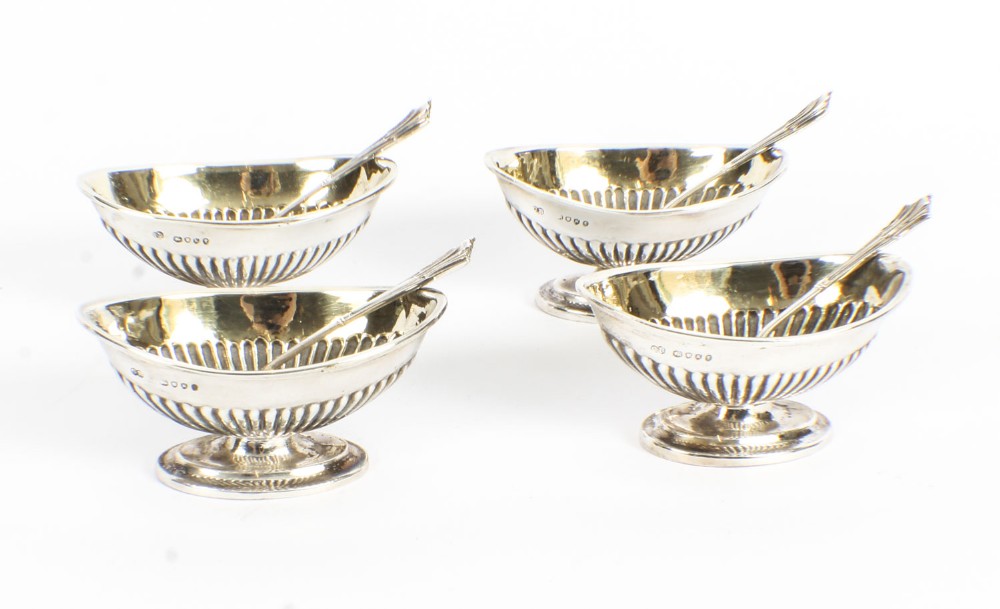
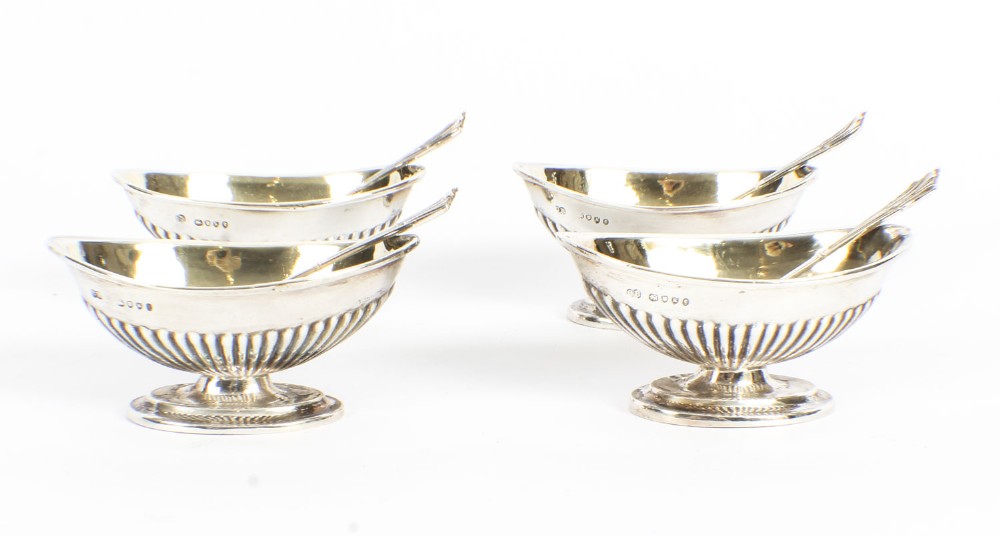
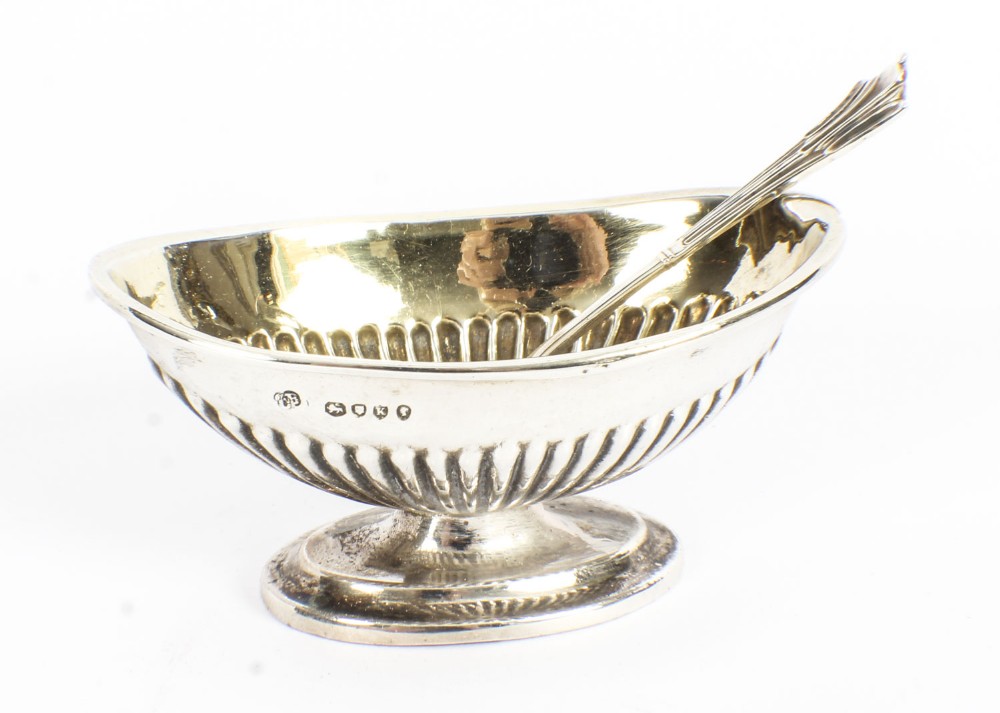
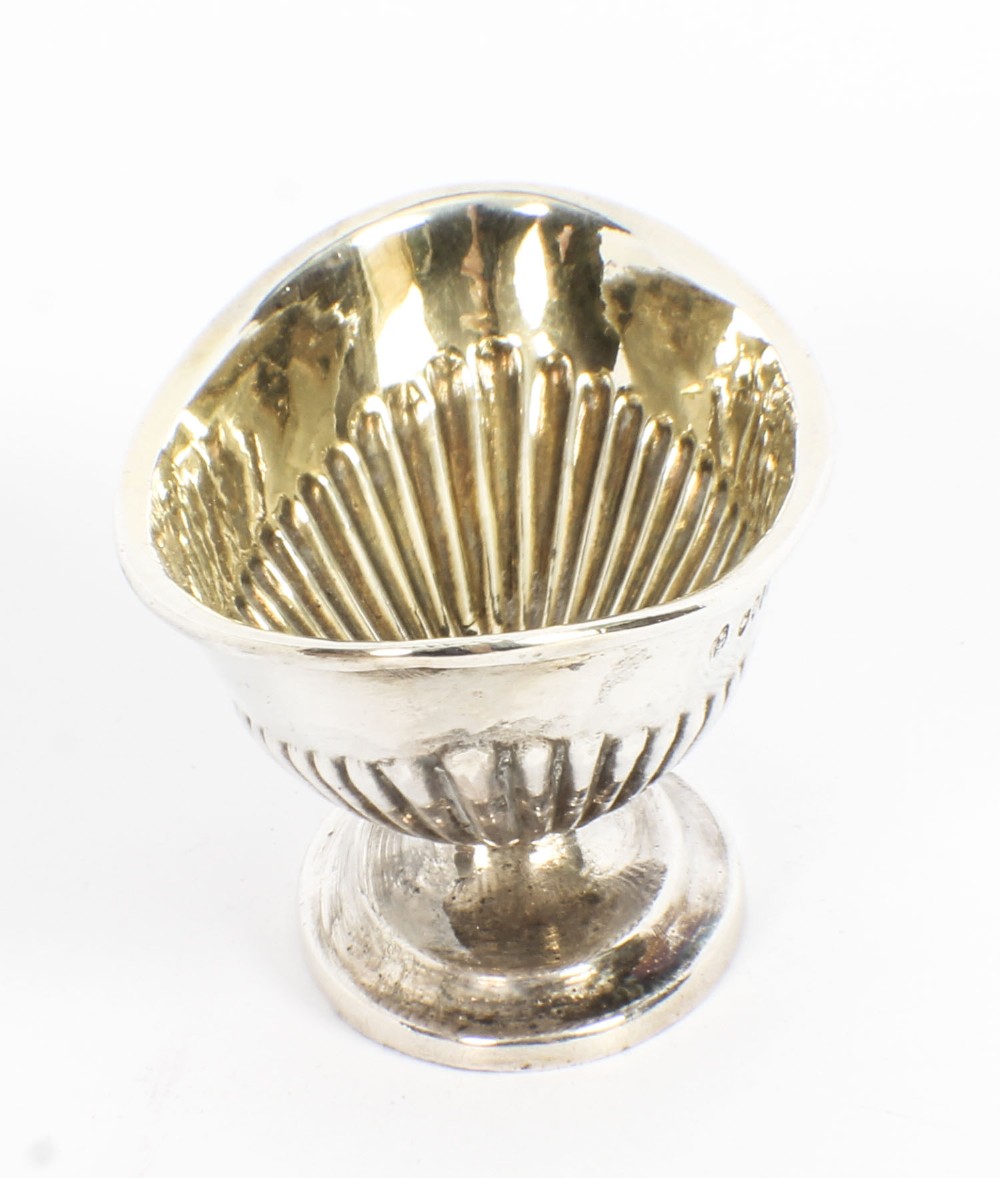
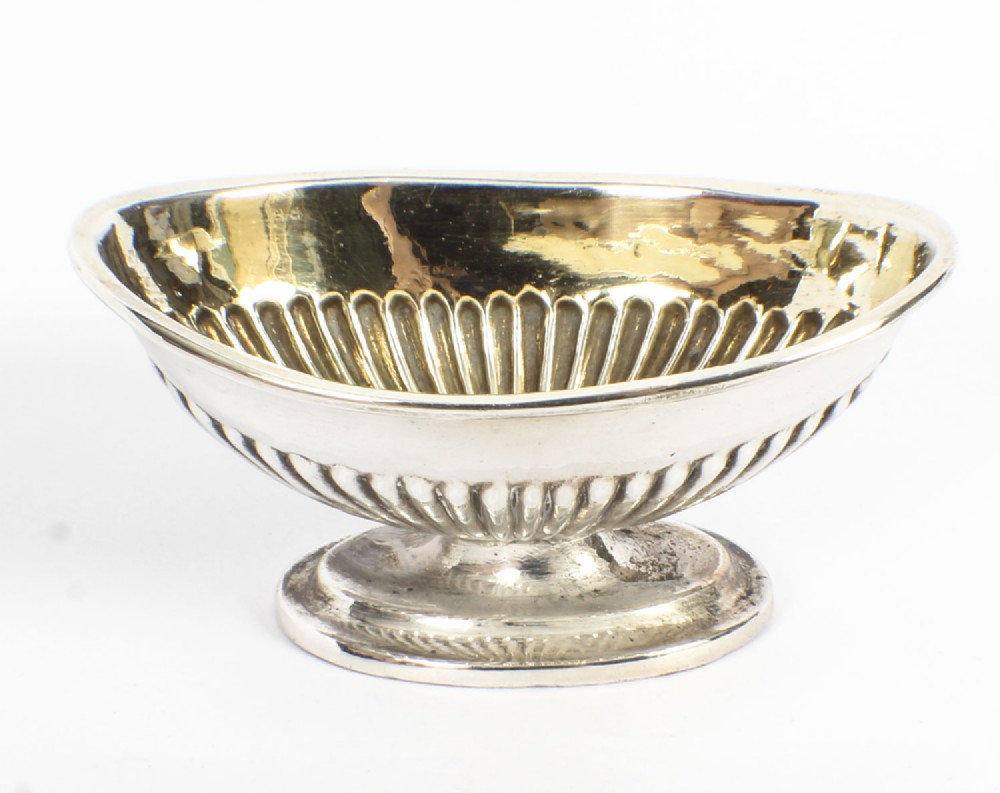
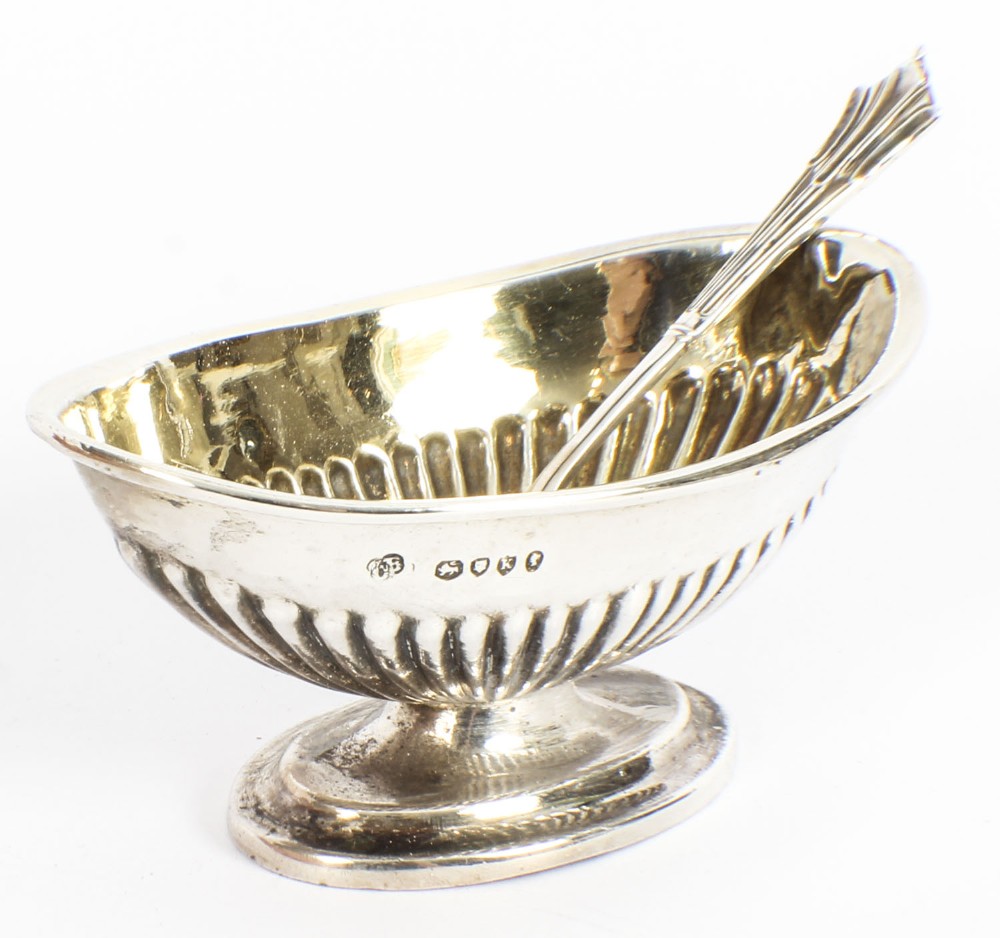
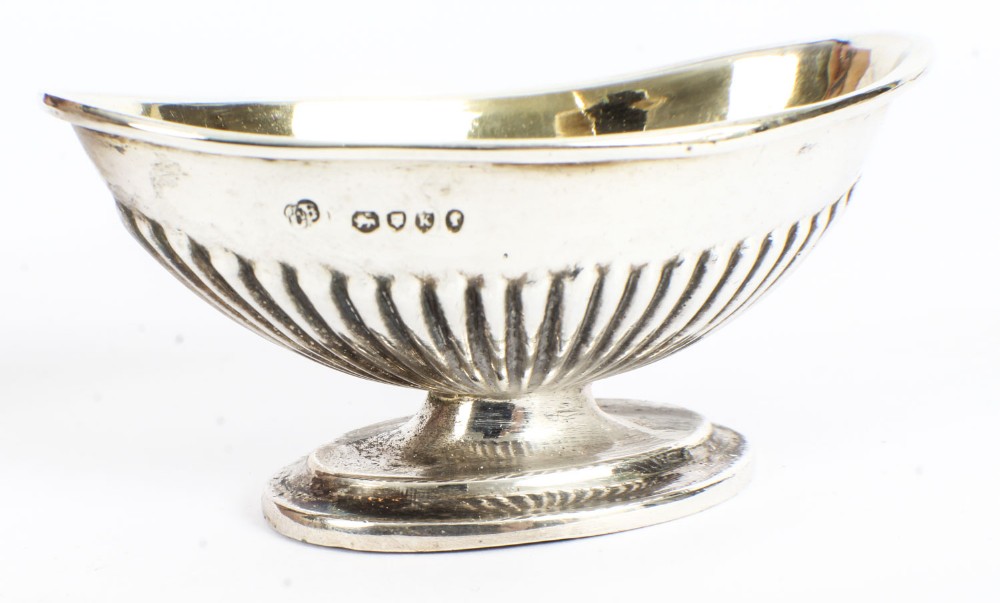
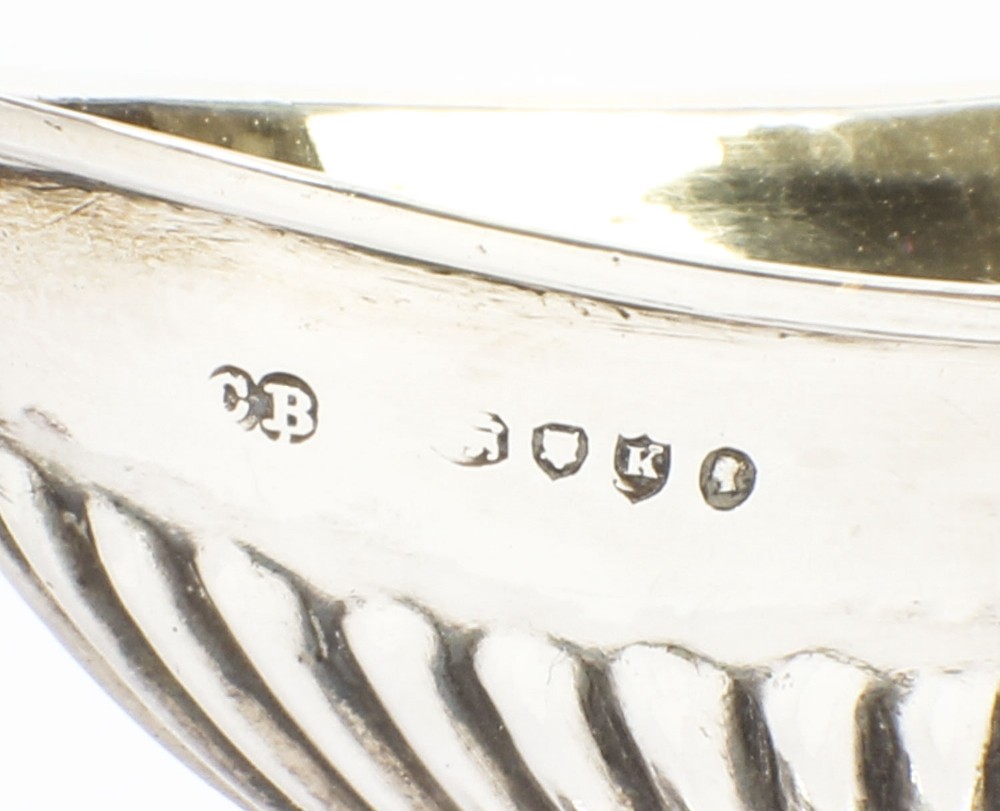
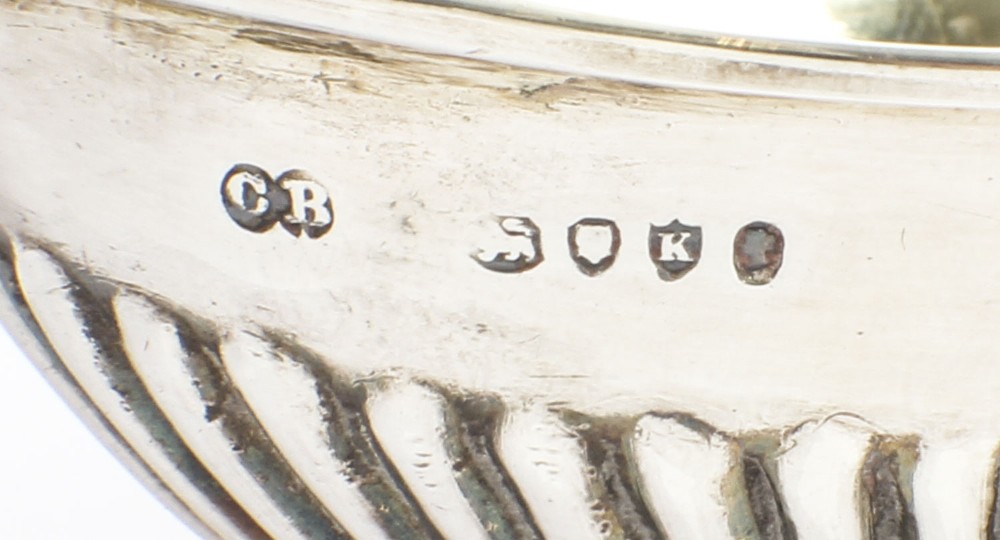
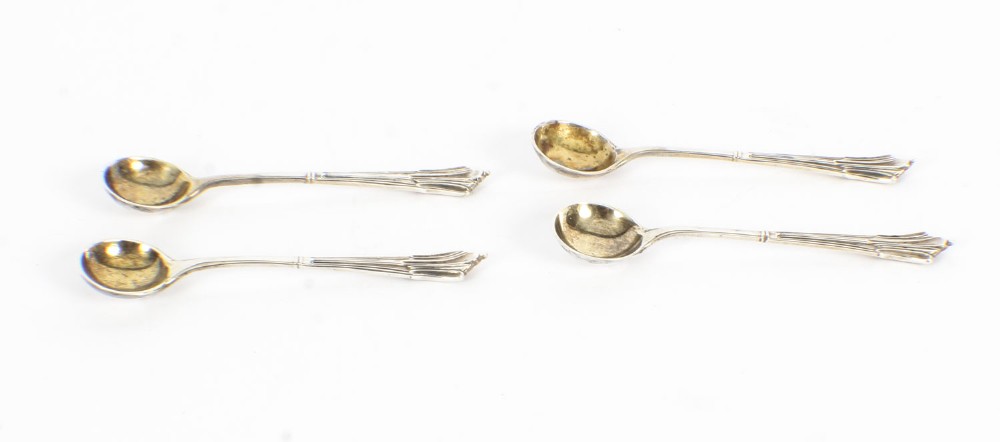
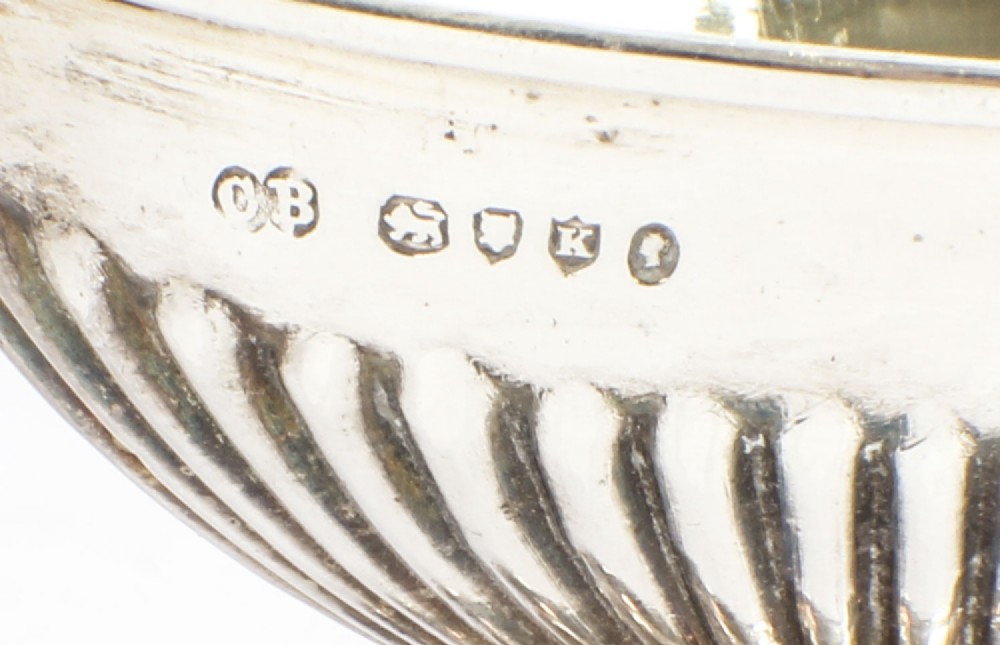
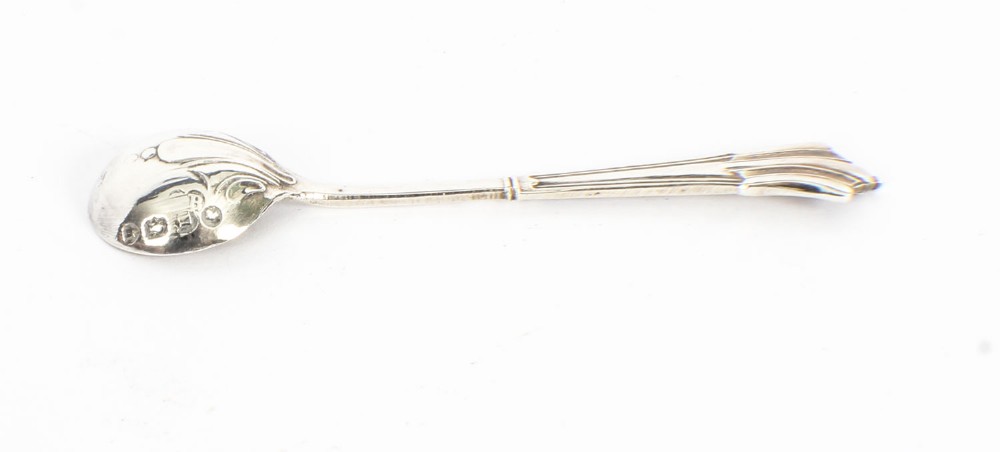
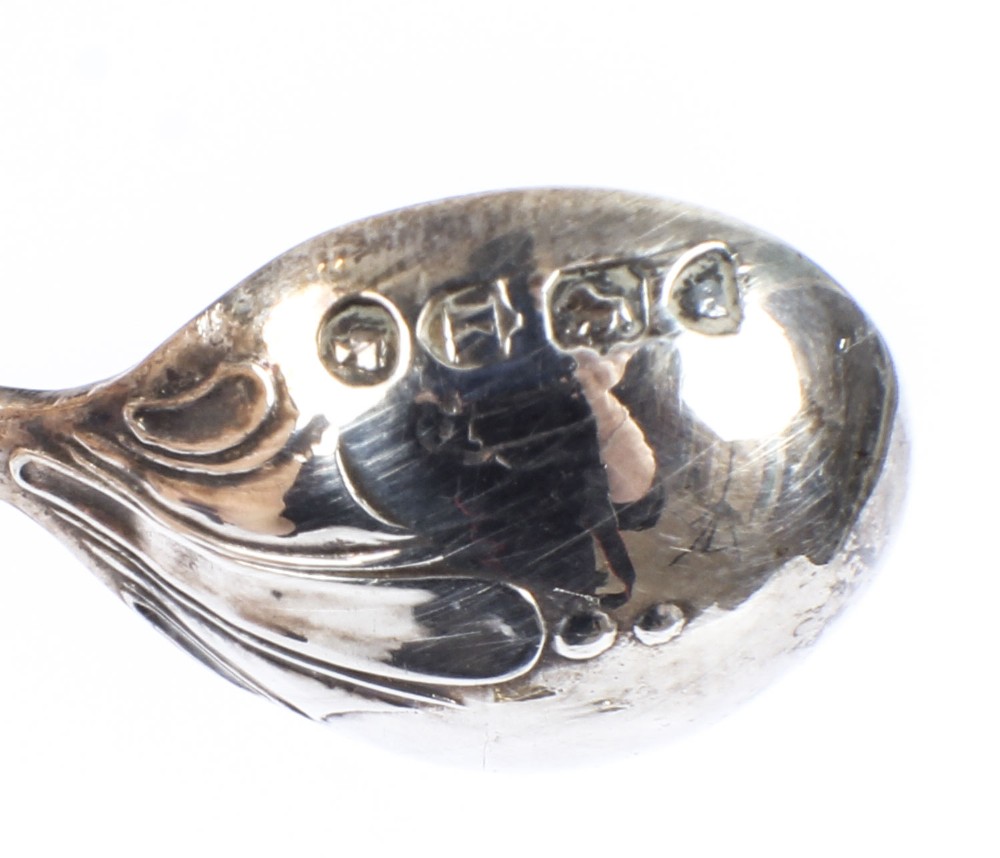
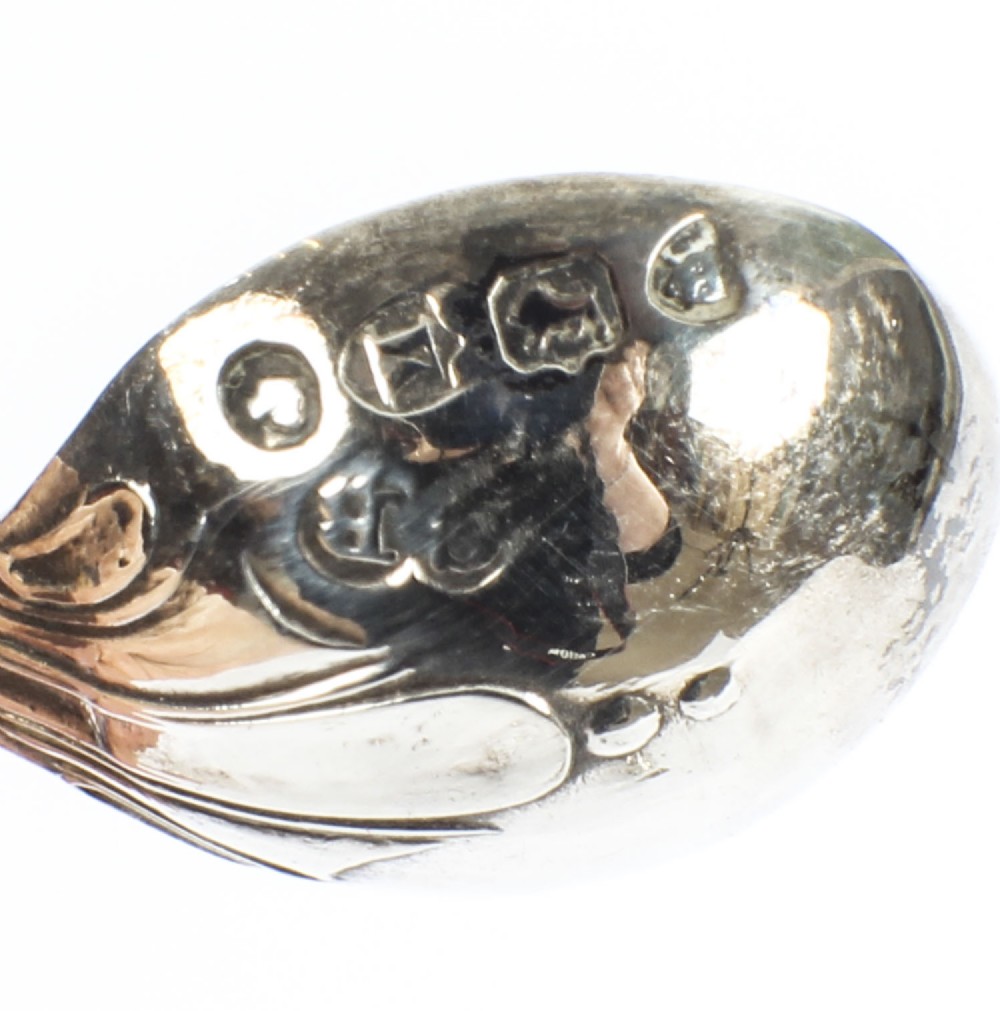
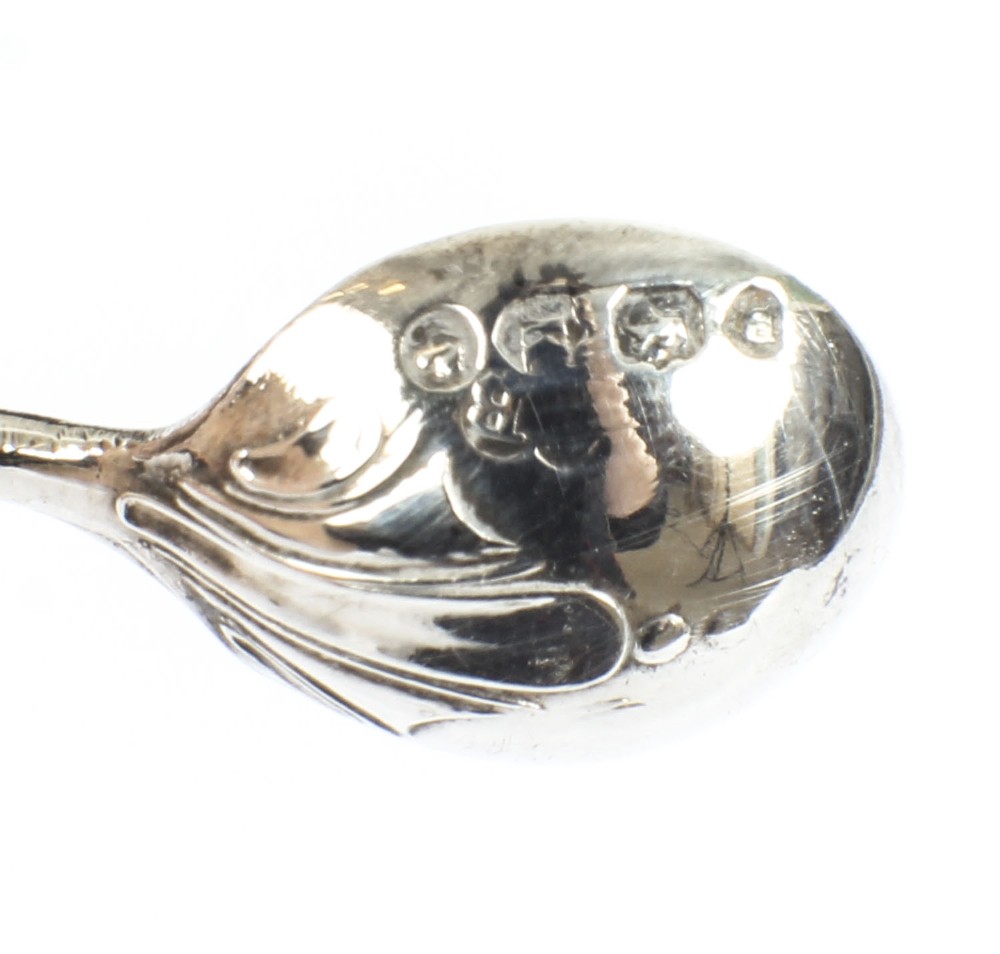
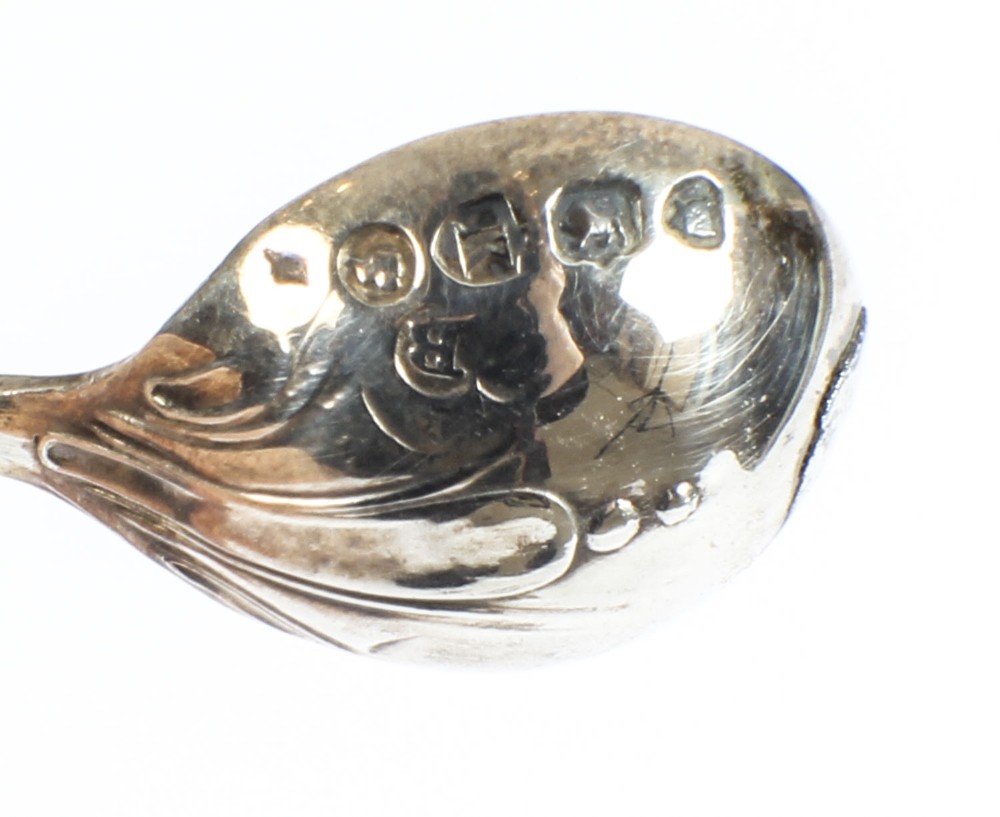
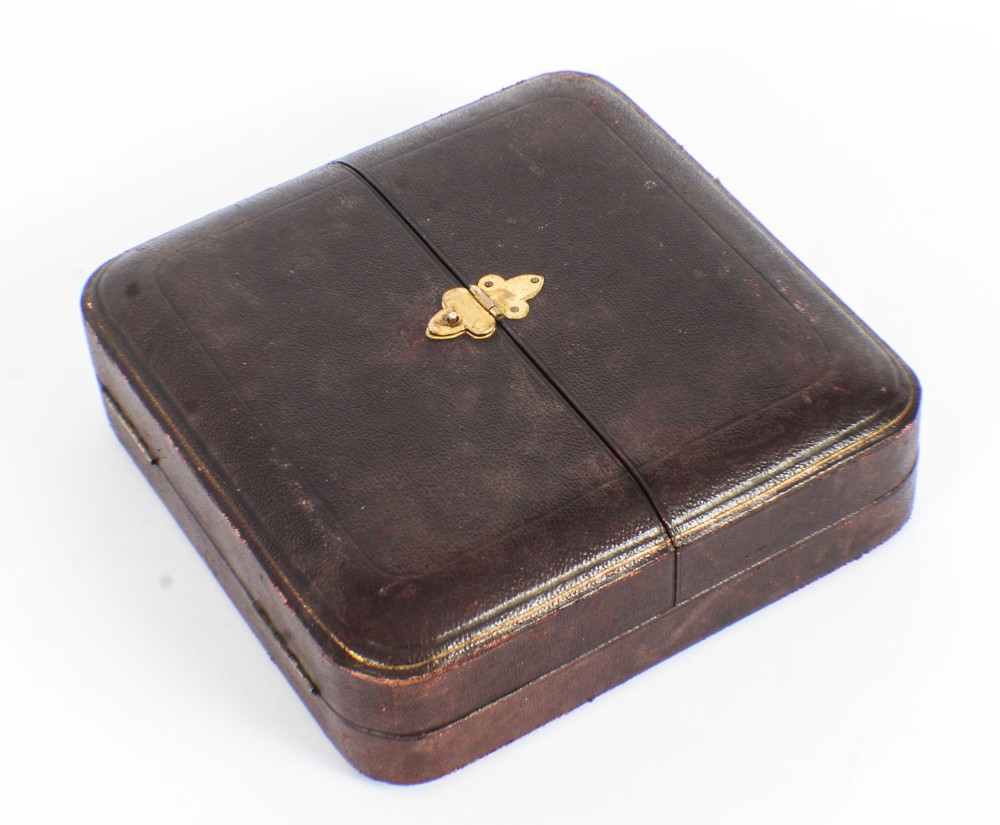
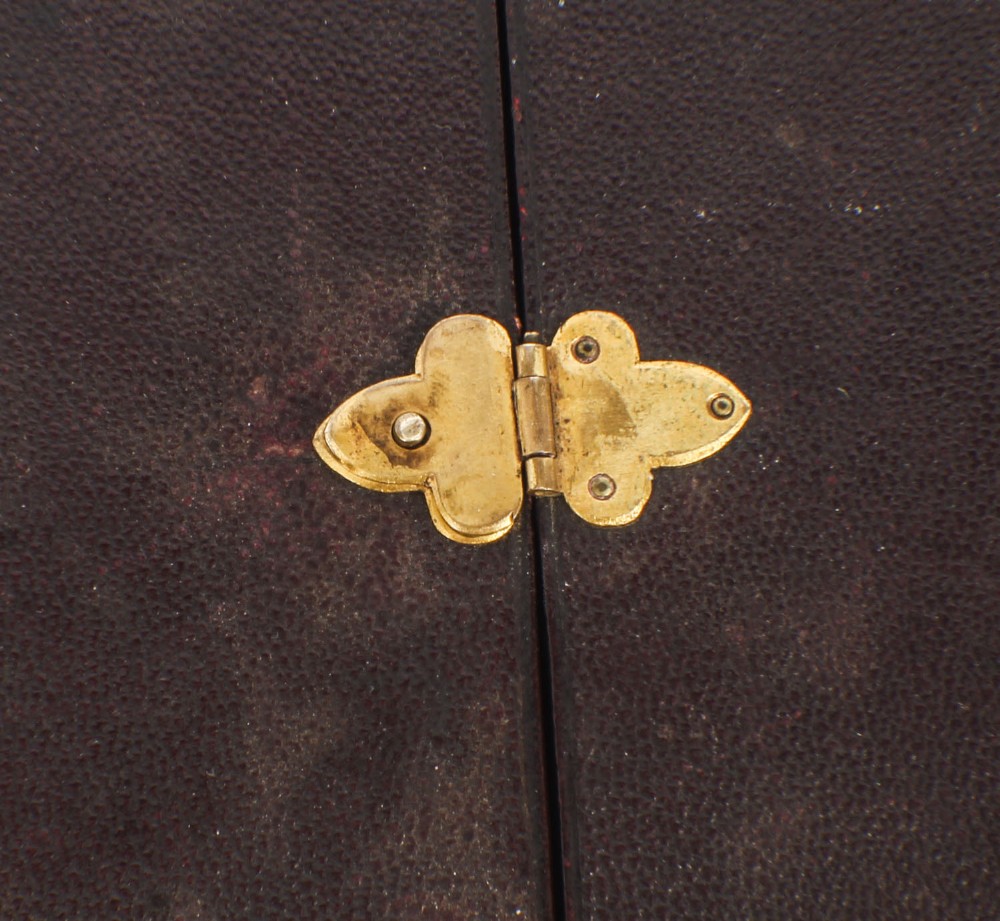
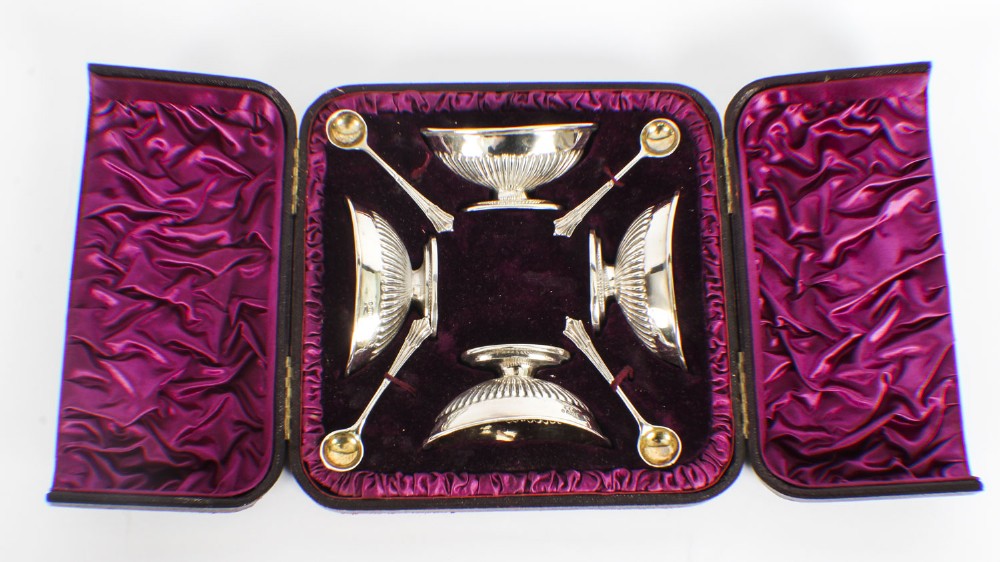
A beautiful English antique cased set of four sterling silver salts with spoons bearing hallmarks for London 1885 and the makers mark of the renowned London silversmith Charles Boyton.
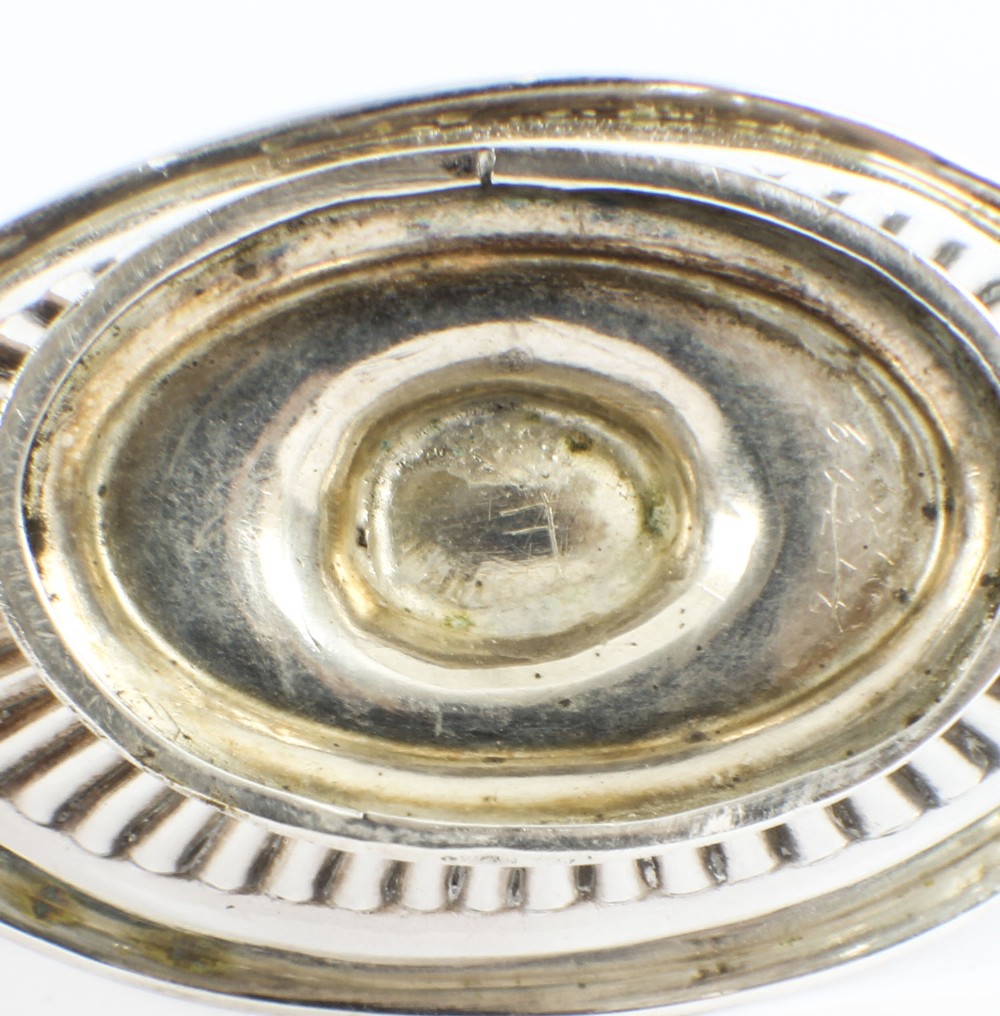
Each salt is navette shaped and raised on an oval foot with gilded interior, the miniature Albany pattern spoons with gilded bowl.
This set would definitely enhance your dining experience as well as make a beautiful gift.
Condition:
These handsome salts are in really excellent condition. Please see photos for confirmation of condition.
Dimensions in cm:
Height 7 x Width 19 x Depth 19
Weight 5.1 troy oz
Dimensions in inches:
Height 2.8 x Width 7.5 x Depth 7.5
Weight 0.16 kg
Charles Boyton was a well known silversmith who was apprenticed in 1807 to William Seaman, Hull's Street, St. Luke's.
He registered his first hallmark in London Assay Office in 1825.
The workshop was active at 12 Europia Place, moving in 1830 to Wellington Street, St. Luke's. Further marks were entered in 1830, 1833, 1834 and 1838. From c.1849 the firm operated at Northampton Square, Clerkenwell (c. 1849-1904) under the management of Charles Boyton II (son of the founder, died 1899) and Charles Holman Boyton (grandson, died 1904).
In 1894 the business changed its title to Charles Boyton & Son and in 1919 to Charles Boyton & Son Ltd.
In the last period Charles Boyton (III) (son of C.H. Boyton) acted as governing director and the firm was active as wholesale manufacturer of silver and electroplate. The firm encountered economic difficulties and in 1933 a new company was created, entitled Charles Boyton & Son Ltd (active at Wardour Street from 1936 until 1977). In 1934 Charles Boyton (III) left the firm and opened his own business at 114 Marylebone Lane with retail premises at 98 Wigmore Street. His production in Art Deco style was engraved with a facsimile of his signature. The activity closed after 1948.
Chronology:
Charles Boyton c. 1825-1894
Charles Boyton & Son 1894-1919
Charles Boyton & Son Ltd 1919 - 1933
Charles Boyton & Son Ltd (new company) 1936-1977
Charles Boyton (III) 1934 - after 1948
Salt
As far back as 6050 BC, salt has been an important and integral part of the world’s history, as it has been interwoven into countless civilizations. Used as a part of Egyptian religious offerings and valuable trade between the Phoenicians and their Mediterranean empire, salt and history have been inextricably intertwined for millennia, with great importance placed on salt by many different cultures. Even today, the history of salt touches our daily lives. The word salary was derived from the word salt. Salt was highly valued and its production was legally restricted in ancient times, so it was historically used as a method of trade and currency. The word salad also originated from “salt,” and began with the early Romans salting their leafy greens and vegetables. Undeniably, the history of salt is both broad and unique, leaving its indelible mark in cultures across the globe.
Our reference: A1571a